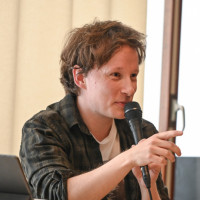
Eivind Buene
10





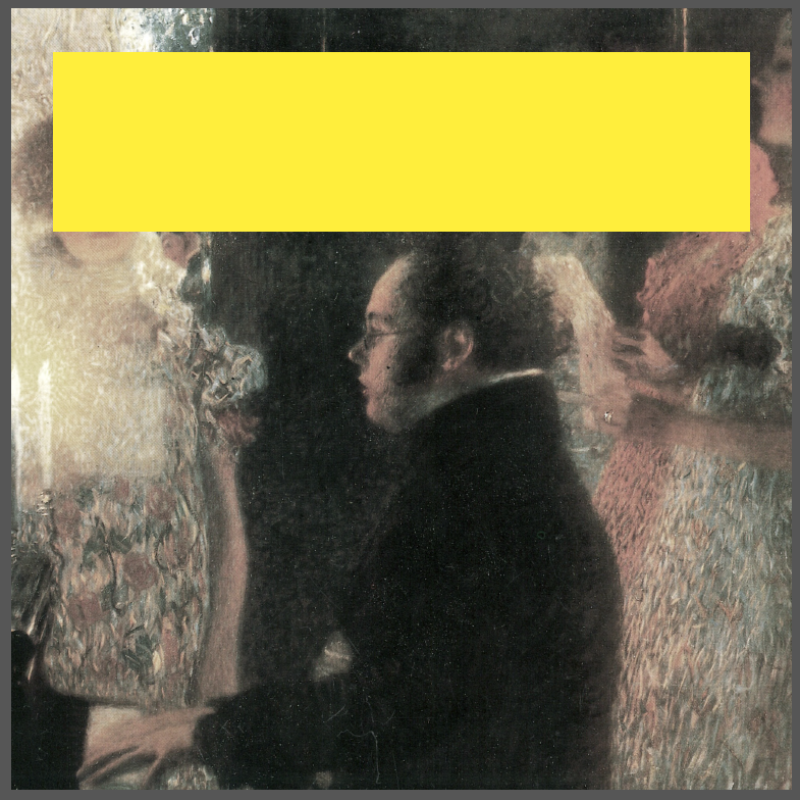
It is always a huge risk to re-interpret classical icons and drag them onto the contemporary scene, especially if you are an award-winning composer and musician of international fame, such as the Norwegian Elvind Buene. Classical music, like all genres, has its small circle of purists and aficionados that are prompt to flag down any attempt to move the statues they adore out of their mausoleums. And this is exactly what Eivind Buene does in his Schubert Lounge album.
The title itself announces an unorthodox approach to the famous German Romantic musical genius: a lounge is not exactly the type of room or architectural installation one would immediately associate with Franz Schubert. But what Buene points to is that Schubert’s music, and more specifically his songs, the famous lieder sung by Kathleen Ferrier and Dietrich Fischer-Dieskau, are about intimacy and that they can be heard today in the half-lit comfort of a lounge, as they were in a salon by candlelight.
There are ten songs on the album, all with their titles in English and without the corresponding German name. For instance, we have »The Sea« and »Beautiful Moon«, which are (very well) known as »Am Meer« and »An Den Mond«. The songs themselves are translated (or adapted) into English, turning the whole project into a singular musical object, which totally deconstructs the traditional prison walls of music history.
Eivind Buene’s voice does not compare with Ferrier’s or Fischer-Dieskau, and it doesn’t even try to. By re-arranging harmonics in modern dissonances and replacing the nuances with a surprising flatness of tone, sometimes switching to delicate higher notes, Buene tells us that classical music is not what we assume it to be: a motionless monument that keeps repeating itself. Turning Schubert into a transnational composer is a radical choice, and a real dangerous one, the risk being to be laughed at, shunned or, even worse, ignored. A Norwegian artist deciding to sing 19th century German lieder translated into English in 2022 is not just an act, it is a radical manifesto. As Buene has written in an article published online, »Music is always now in the sounding moment. Music is, in a sense, a history of unfinished work.«
And this album absolutely proves it.
En verden af iskold sol og helvedsblomster toner frem i Gísladóttirs musik; bredt hvislende droner sat over for kontrabassens på samme tid meditative og foruroligende botanisering. Det er storladent, men ukunstlet, en bombastisk ensartethed i en to timer lang raptus. »Solen størkner blodig, imedens den brænder,« som Baudelaire skrev.
Kun rent undtagelsesvis viger Gísladóttir og Sverrisson bort fra hovedsporet på Caeli, for eksempel med de klagende mågeskrig og konturerne af et strygerarrangement på »Caeli movendi sunt et terra«. For sproget er fundet, deres opgave er blot at lade det flyde. Hyl mod månen!
Jeg kan ikke lade være et krydslæse Gísladóttir – månens og den evige vinters besynger – med den soloptagede og lige så hyperproduktive digter Cecilie Lind: »Jeg er solen, der stod op om natten,« skriver hun i Mit barn, langdigtet om fødslen af den sorte sols baby og den personlige undergang spejlet i galaksens, »mor / mord / dødssol«.
Umuligt er det at fjerne blikket fra himmellegemer i kollaps, hvad end det er måne eller sol (ét fedt bag apokalyptiske briller). Og det er vel sådan, jeg lytter til Caeli og Gísladóttirs improvisatoriske partiturcirkler, som en myg fanget af det lys, der vil udslette den. Som en myg, der ser en komponist finde sit sprog og bade sig i den overflod af lyd, det taler.
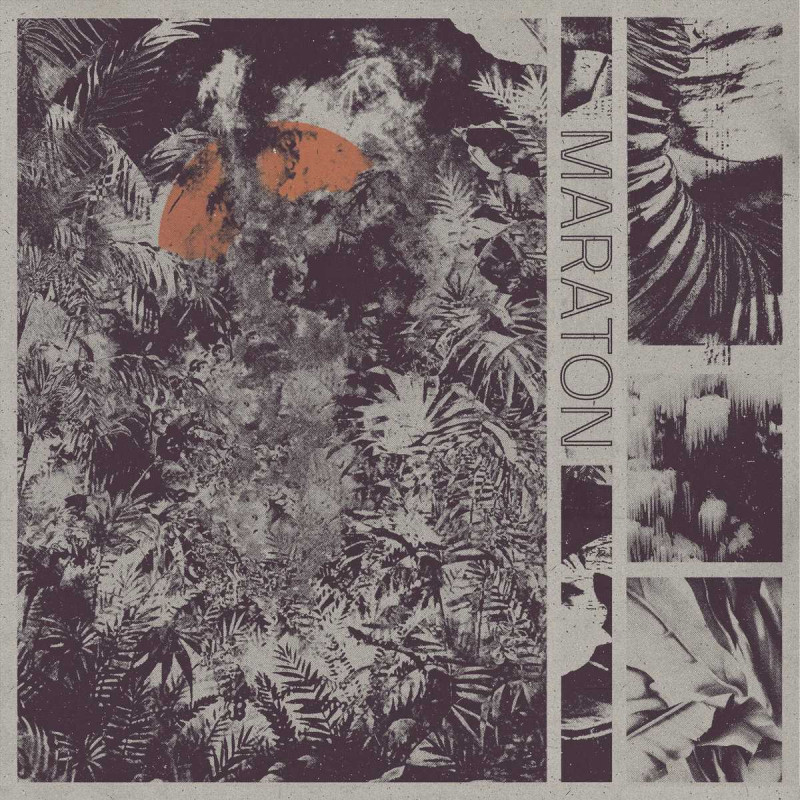
De har improviseret op til ni timer i træk. For at udmattelsen skulle slette egoet, for at transcendere. Simpelthen. Ekstraktet af bandet Maratons kollektive udforskninger af alverdens beats og freejazzet blæs høres på debutalbummet, hvor et bølgende Rhodes-klaver drømmer dybt under Maria Dybbroes totalt vågne sax.
På den fine, cinematiske tur – CD’en er pakket i en DVD-æske med palmetræer (eller er det bregner?) på coveret – deltager Jonathan Ludvigsen fra Athletic Progression, og numre som »Den japanske have« har farve af sådanne fritænkende og lidt spacede jazzerier.
»Indianerdoku« er helt i friland med trommerne i centrum. Andetsteds lyder ambience, percussivt tingeltangel og en synthesizer, der minder om noget fra 80’er-filmen Le grand bleu.
Musikken er spraglet – og rummer måske for mange forskellige udtryk til én CD. Men kunst behøver ikke være instant, og måske er det meningen, at lytteren (også) skal svede igennem sammen med Maraton. Undertegnede kunstudsultede ego er helt med. Kunstmuseet Aros siger, kunst er mental fitness. Og muligvis også transcendens.
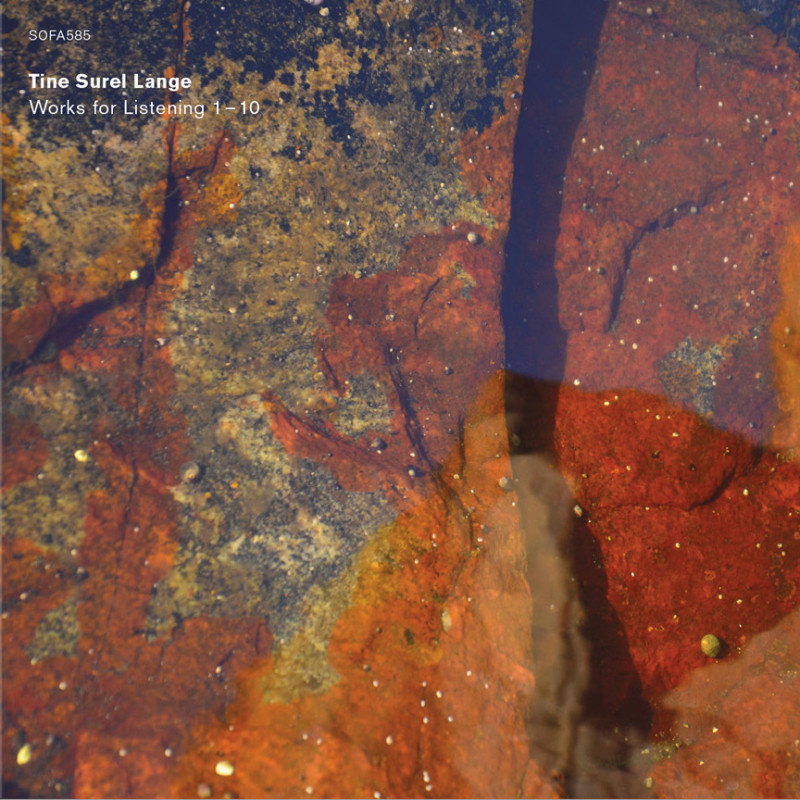
Tine Surel Langes debutalbum har en tilfredsstillende deskriptiv titel, »værker til lytning«. Nøgleordet værende lytning, for uden en bevidst og fokuseret tilgang til dette album vil det højst sandsynligt ikke gøre det store indtryk.
Works for Listening er oprindeligt blevet præsenteret i ambisonics – en form for sfærisk surroundsound – men er til nærværende udgivelse blevet mikset ned til stereoformat. Albummets ti numre består alle af hverdagslyde, der er blevet klippet ud, sat sammen, rykket rundt og remikset på en måde, der virkelig viser, hvor meget rumlighed og tilstedeværelse man kan opnå med kun to kanaler og et par halvgode høretelefoner.
Det første værk, Metal and Spoon, kommer efter Langes behandling til at lyde som et tidsforvrænget klokkeværk, mens Water and Stone i kraft af sine elementer fremstår langt mere meditativt rolig. Det er ikke musik i konventionel forstand – rytmikken er oftest af naturens uregelmæssige variant, de traditionelle strukturer ikkeeksisterende.
Snarere er det en form for lydskulptur. Lange er billedhugger, og mit indre øre er hendes marmor. De bedre værker, såsom de to ovennævnte, imponerer både kunstnerisk og håndværksmæssigt. De kilder i ørerne og i hjernen, er i sig selv distinkte tableauer. Andre er mindre inspirerende, som for eksempel de tre Roof Work-værker, der på grund af en begrænset palet bare ikke formår at fænge.
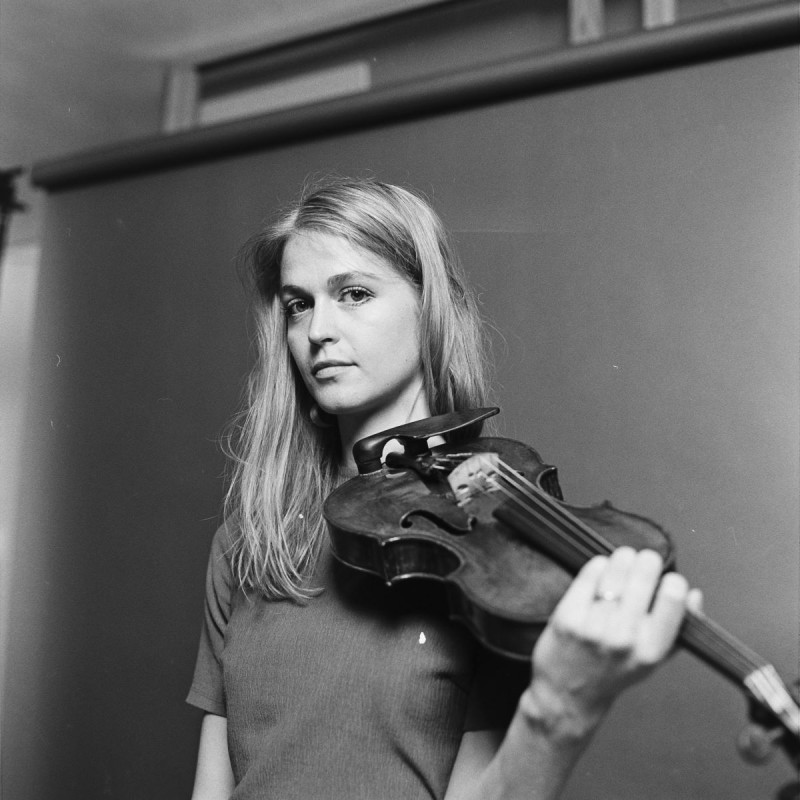
Violinist Katrine Grarup Elbo har med sin debutudgivelse skabt et på flere måder lille album. På knap 29 minutter er det en hurtigt overstået affære, men netop den korte spilletid og en begrænset lydpalet gør det til et engagerende lyt.
Violinen er hovedinstrumentet i størstedelen af værkets ni numre. Somme tider står strygeren alene og akustisk, andre gange manipuleres den eller kombineres med elektroniske rytmer og flader samt ordløs vokal. Der er en elegant simplicitet over det, ingen dikkedarer, violinstrengene synger for sig selv.
For eksempel nummeret »Skin«, der med violindroner, messende vokal og hvinende violindolkestød lyder som en sørgmodig filmscene i slowmotion. Eller »Vanity«s tiltagende volumen og momentum, der støt arbejder frem mod en forløsning, som dog aldrig kommer, men i stedet støjende forstummer.
Albummet virker i sit hele som lydsporet til en forestillet film. Jeg skaber filmen retroaktivt i mit hoved, mens jeg lytter. En samling af vignetter, små bidder af et større hele. Fold Unfold er et intimt album til de små timer. Og det er ganske storartet.
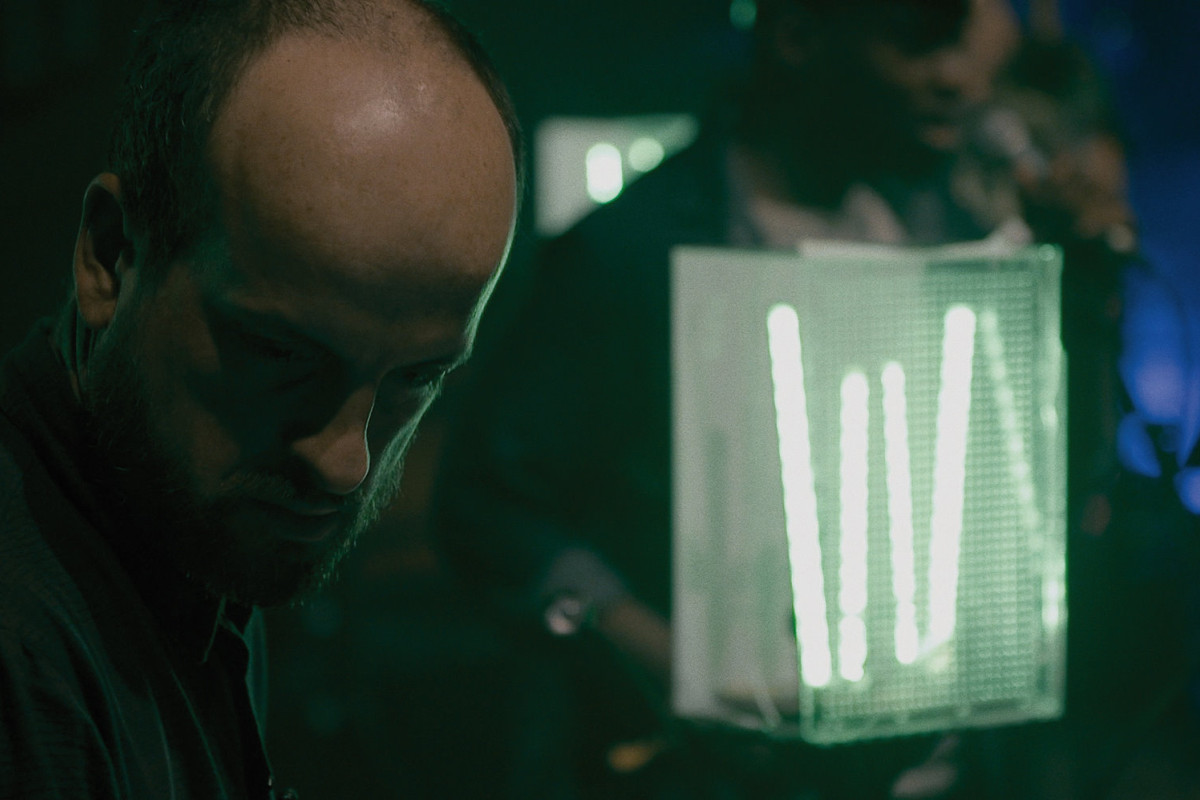
Orgler drevet af blod, dybstegte trompeter, træfældning optaget på indersiden af et træ og Mahlers musik opført ved hans gravsted og hørt fra indersiden af en kiste. Det er ikke, fordi fantasien fejler noget, når sampleaktivisten Matthew Herbert går i gang med at lave koncepter til sin musik, men hvordan lyder det egentlig? Lidt undervældende ...
I A Symphony of Noise følger vi Herbert, der fortæller om sine overvejelser, når han laver sin meget politiske musik. For Herbert er der noget politisk i samplingens evne til at kunne udvide og spille med verden. Så når han vil kommentere svineproduktion, optager han et svin igennem et år og komponerer One Pig med disse lyde i stedet for at skrive en svinesonate for cello.
Det lyder alt sammen meget lovende, men i praksis er det ikke så overvældende. Det politiske er tit svært at høre, for når Herbert laver musik, er det snarere, som når en hiphopproducer crate-digger; han finder teksturer i lydene, og så komponerer han en slags (glimrende) housemusik med dem. Det musikalske overskygger i praksis det politiske, hvor det er svært at høre brexit, fordi man hører en syden fra en fish ‘n’ chips-gryde.
Det gør, at Enrique Sánchez Lanschs dokumentarfilm fungerer bedst, når den fikserer på Herberts visioner frem for produktet. Det er fascinerende at komme ind i hovedet på Herbert, der eksempelvis fortæller om sin nærmest guddommelige oplevelse af at høre 3.500 mennesker bide i æbler – en sonisk begivenhed, han mener, kun Gud eller rumvæsner og FBI (der alle overvåger os!) har oplevet før ham.
Musikalsk er det også Herberts fluxuslignende soundscapes (de er kun beskrevet i tekst, som løbende læses op), der er mest interessante. Herbert er en formidabel formidler af, hvordan han forestiller sig, at eksempelvis universet kan lyde.