© PR

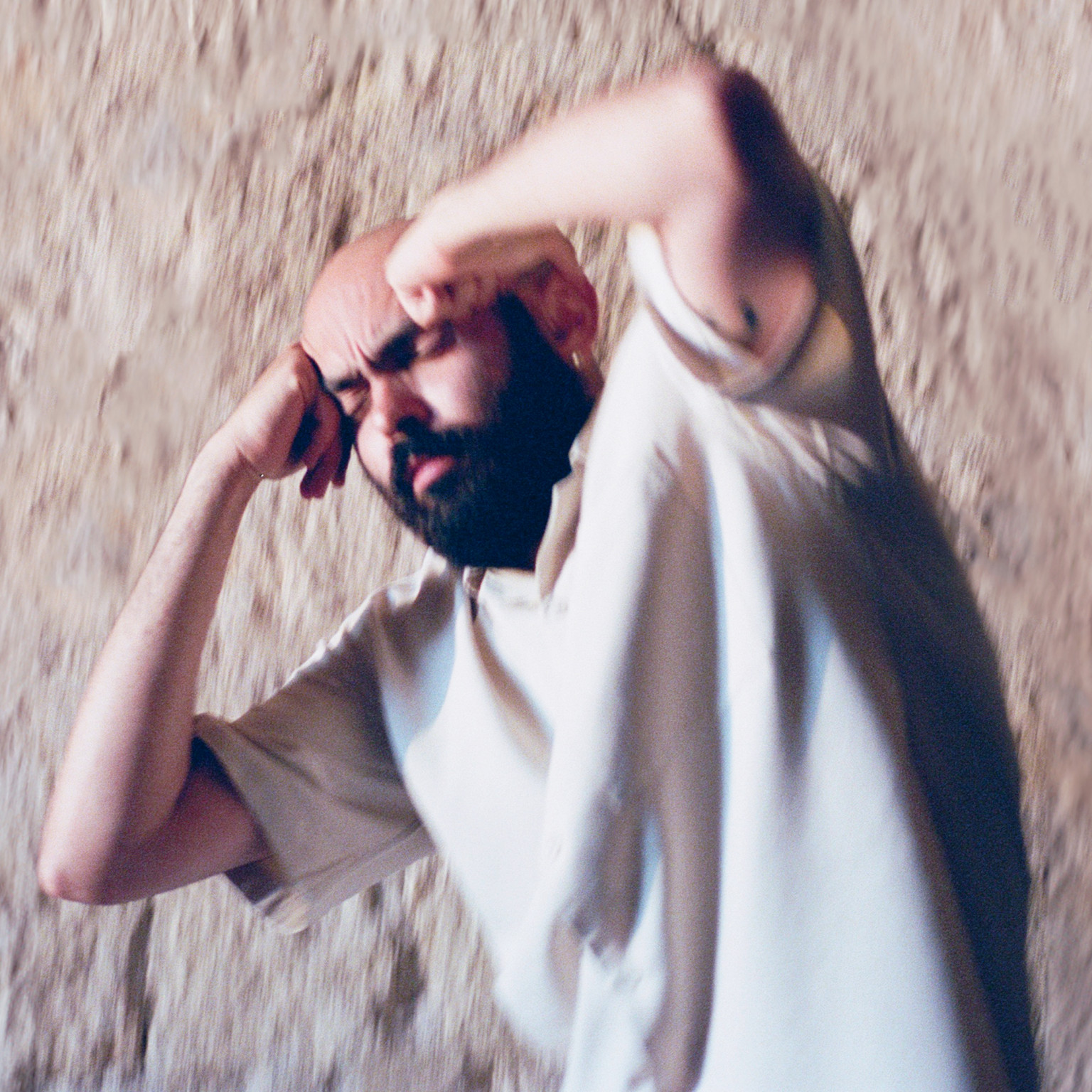
»Music for me at the moment is a heaven for non-believers.«

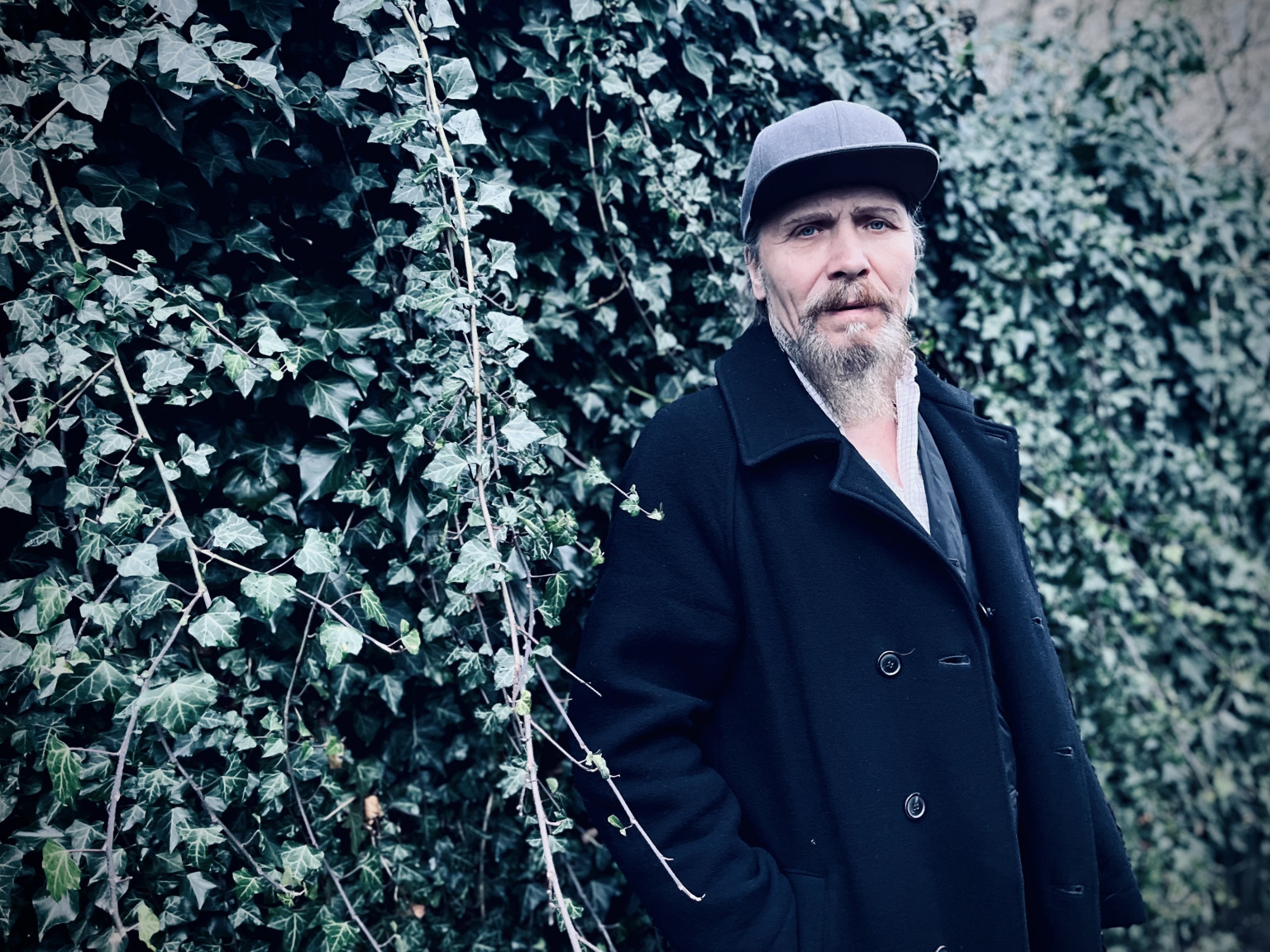
Abdullah Miniawy (born 1994) is an Egyptian expressionist, a writer, singer, composer, and actor. Over the years, he has shared the stage with acclaimed artists such as Erik Truffaz, Kamilya Jubran, Yom, Médéric Collignon, Aly Talibab, A Filetta, Hvad, Ziur, Simo Cell, and many others. Miniawy's performances have graced prestigious international stages and venues, including the Festival d’Avignon edition 72, French national theaters, Institute of Contemporary Arts London, Haus Der Kunst museum in Munich, Mao Asian Museum in Turin, even the Louvre in Paris.


In addition to his music career, Abdullah proved his natural acting talent in Alaadine Slim's Tlamess, a Tunisian feature film featured at the Directors' Fortnight at the Cannes Film Festival in 2019. Miniawy was also recognized with a nomination and shortlisting for the Best Actor Award from the Arab Cinema Center at Cannes.


As a composer, Miniawy has created different soundtracks for dance shows, theater productions, and exhibitions, including notable works like Cabaret Crusade III by Wael Shawki premiered at Moma PS1, AMDUAT by Kirsten Dehlholm premiered at Hotel Pro Forma, and Insurrection by Jilani Saadi.


Abdullah Miniawy's influence extends beyond the arts; he was selected by the European Parliament in Strasbourg as one of three change makers from the Schengen area to offer a French-Egyptian artist's perspective on pressing contemporary challenges at the European Youth Event 2021 in the Live Fully section. He also participated in Europe Takes Part, a gathering of 30 diverse speakers discussing new economic models and digital solutions for artists in a post-pandemic world.


Since 2016, Miniawy has collaborated with the German trio Carl Gari, blending avant-garde electronic soundscapes with poetic lyrics. Their debut album, Darraje, was recognized as one of the top 50 albums of 2016 by the American NPR. Their recent release, The Act of Falling from the 8th Floor, garnered attention from Pitchfork, The Quietus, and Wire Magazine, with Zawaj ranking at the top of Resident Advisor's list of Deep Listening tracks in 2019.


Most recently, Abdullah's album Le Cri Du Caire, featuring Erik Truffaz, won Les Victoires du Jazz 2023 award – the French equivalent of the Grammy Awards.  


As a writer, his lyrics have left a mark in the Middle East region, notably during the Arab Spring, where they were displayed in places like the Yarmouk camp in Syria.
Asbjørn. © Johanna Hvidtved

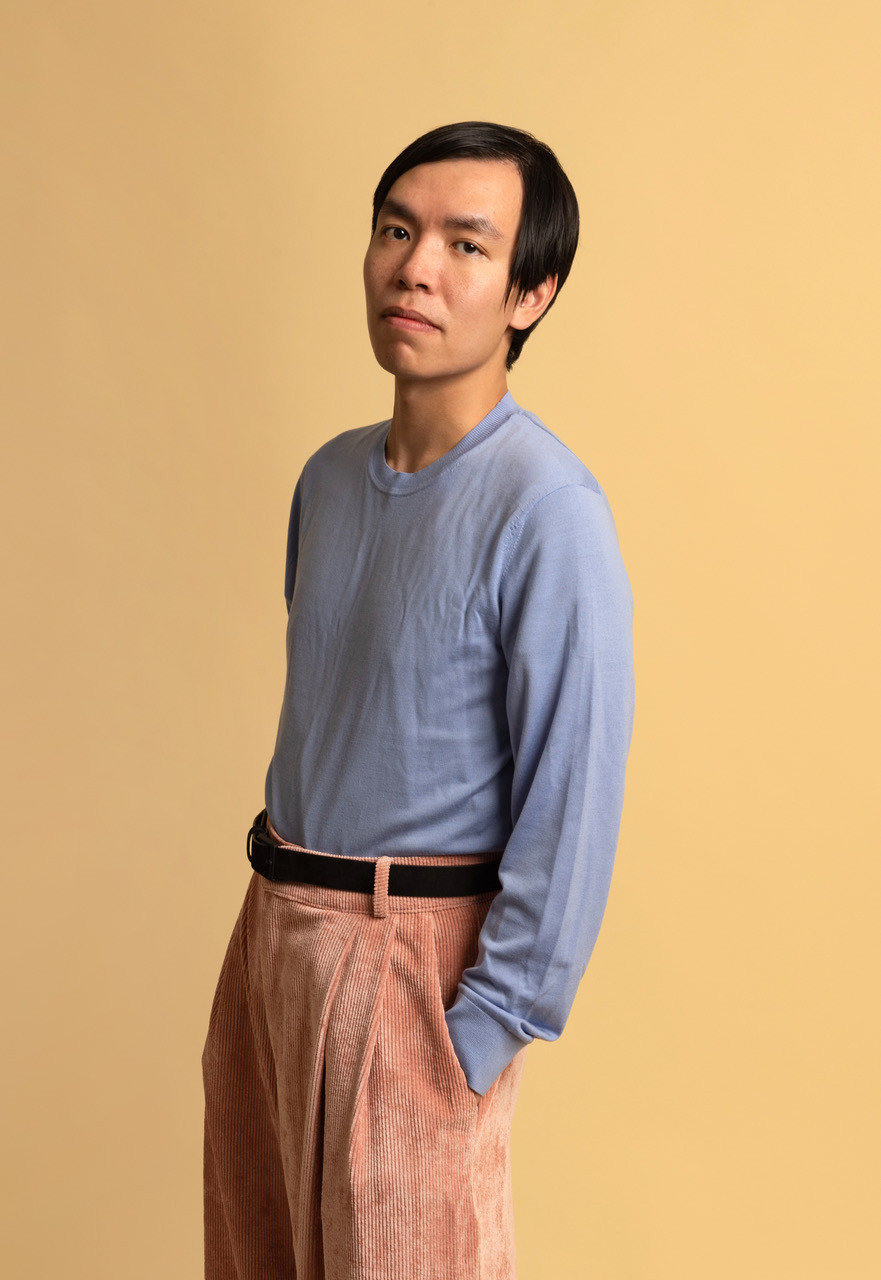
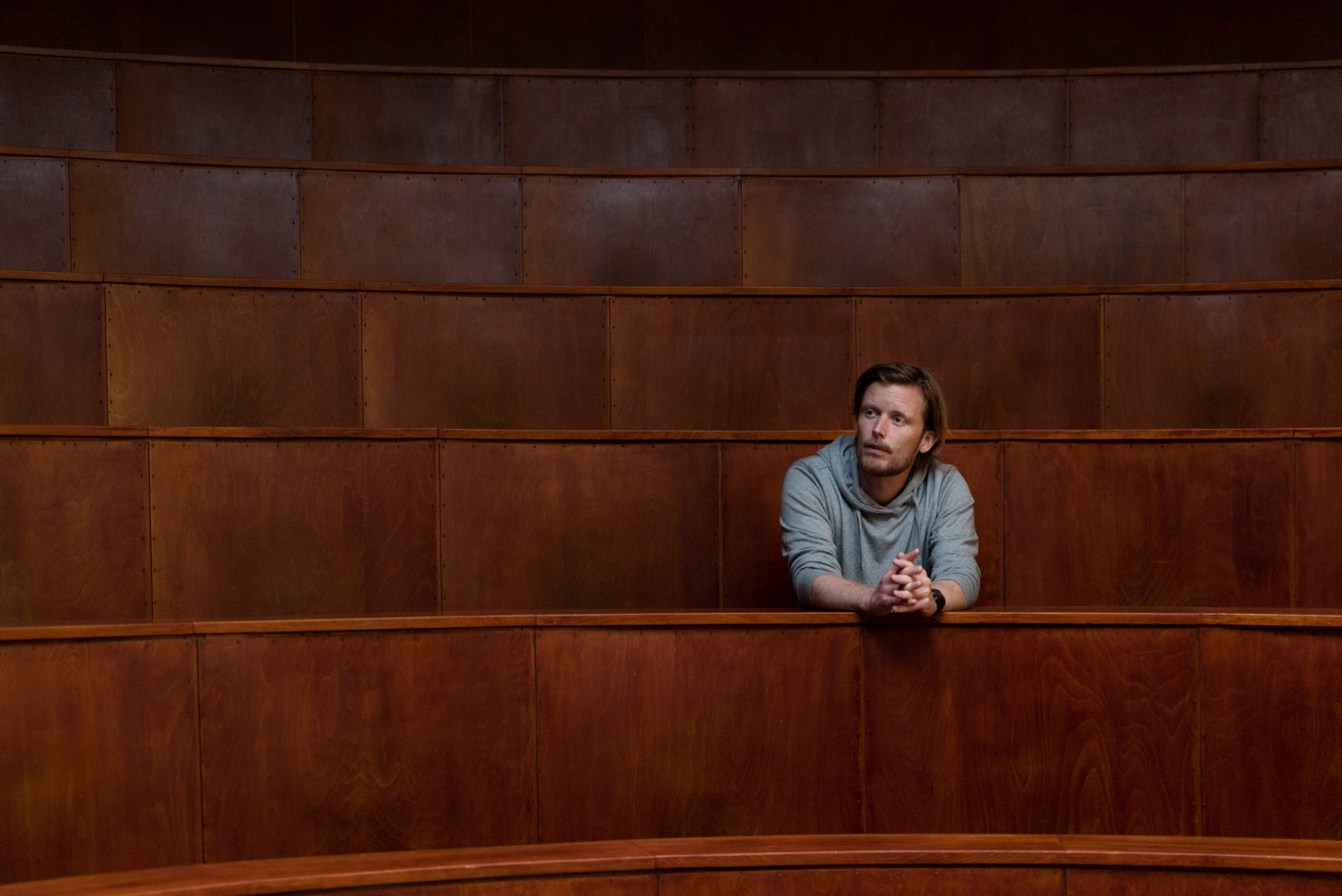
»Musik er en direkte adgang til os selv og hinanden, den kan åbne døre, vi troede, vi havde blændet og giver os mulighed for at udleve sårbarheden, liderligheden, vildskaben eller hvad end der skal slippes fri.«

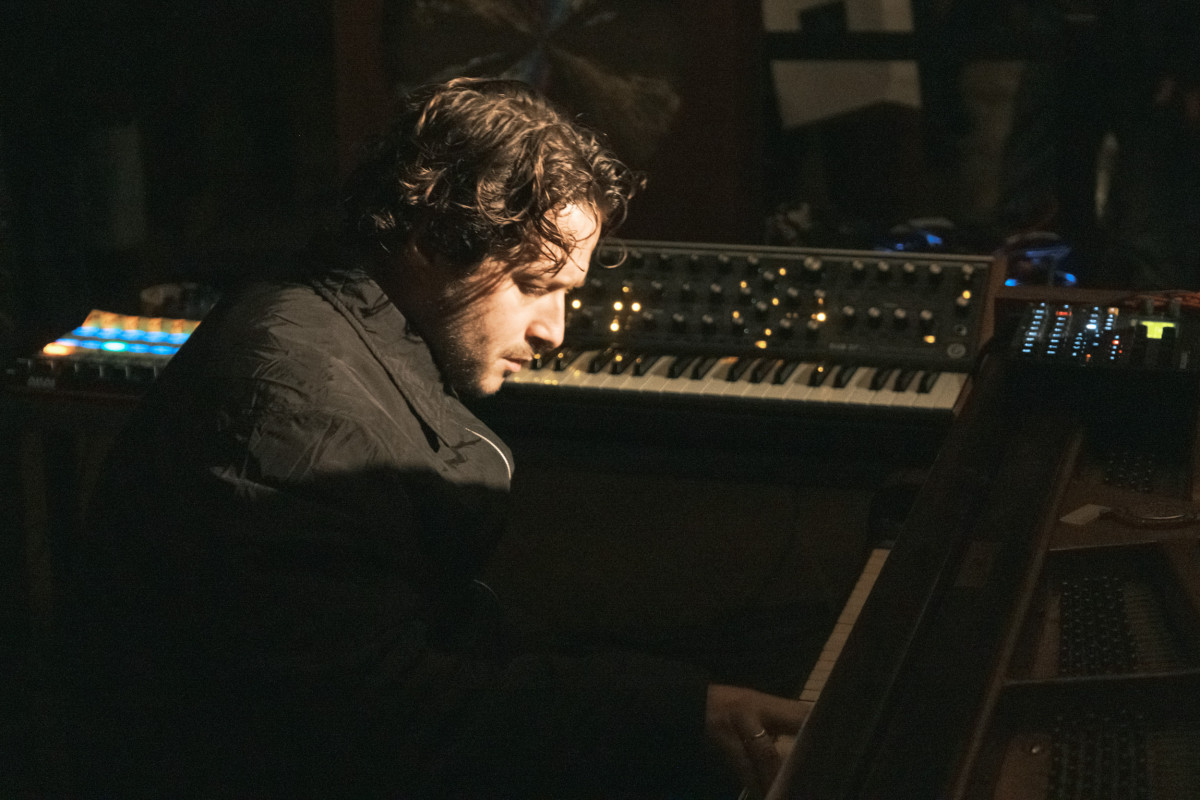
Asbjørn kalder sig selv en pop-rebel. Siden 2012 har han udforsket og udfordret popmusikkens væsen og som følge fået rygklap fra sin egen musikalske heltinde Lykke Li, over otte millioner visninger på sine musikvideoer og nyligt samarbejdet med Tessa på singlen »Farver«. Asbjørns tredje album Boyology udkom i 2022 på det tyske pladeselskab Embassy of Music, som gav ham labelkammerater som Robyn, Björk og Moby.

Kortkritik
22.10.2023

Hypnotisk som lava

Dansk Danseteater/Copenhagen Phil: »Leaning Tree«
© Natascha Rydvald
© Natascha Rydvald

Dans kan virke abstrakt, men den er ekstraordinært specifik – et ultrapræcist instrument for fysisk poesi. Man behøver ikke engang tænke på at tilføje musik, medmindre forbindelsen er som en navlestreng, utvetydig og klar. Der er passager i Leaning Tree – et møde mellem Dansk Danseteater og Copenhagen Phil – som er fuldstændig hypnotisk inspirerede: Når foreningen af ​​det lydlige og visuelle slet ikke er en forening, men en og samme ting. Desværre er der ikke nok af dem.

Koreograf Fernando Melos signaturstil er langsom, legato, urytmisk. Hans gruppe af sammensvejsede menneskekroppe opfører sig ofte som en klat lava, der bevæger sig med en træg sikkerhed. Det er hypnotisk at se på, men absolut umusikalsk. Måske er det derfor, Signe Lykkes score til Leaning Tree så sjældent kanaliserer det, vi ser.

Eller lytter Melo ikke til Lykke? Hun fremskynder eller skifter gangart; han kan ikke. Hendes dunkende, kurrende rumlige orkesterpartitur kan minde om Bent Sørensen uden de skrøbelige melodier. Stykket får liv, når stivnet dyb messing og blæsere presser sig ind i næsten spektrale harmonier. Spændingen skyder i vejret, men det tæller kun lidt på scenen.

Så er der de »lænende« bevægelser – den fantastisk smukke, anti-tyngdekraftlignende koreografiske indbildskhed, som det hele hviler på. Der går cirka 30 minutter, før vi ser en ægte »leaning«. Men wow, det er udsøgt udført og ventetiden værd, selvom det får meget af det foregående til at fremstå som fyld.

Kulminationen, en forestilling om skæve kroppe som svajende siv, når helt ind i Lykkes partitur. Eller måske omvendt. Det er ikke kun glissandoer, vi hører, men elastiske harmoniske bevægelser – musik komponeret med ekstraordinær delikatesse af tekstur, harmonier bygget ud fra de individuelle instrumenters krævende placering og bevægelser. Leaning Tree har brug for mere af den slags.

Kortkritik
22.10.2023

A hypnotic dollop of lava

Dansk Danseteater/Copenhagen Phil: »Leaning Tree«
© Natascha Rydvald
© Natascha Rydvald

It might seem abstract, but dance is extraordinarily specific – an ultra-precise instrument of physical poetry. You shouldn’t even think about adding music unless the link is umbilical, unequivocal and clear. There are passages in Leaning Tree – a meeting of Dansk Danseteater with the Copenhagen Phil – which are utterly, mesmerizingly inspired: when the union of the aural and visual isn’t a union at all, but a single thing. Unfortunately, there aren’t enough of them. 

Choreographer Fernando Melo’s signature style is slow, legato, un-rhythmic. His group of welded human bodies often behaves like a dollop of lava, moving with a sluggish certainty. It’s hypnotic to look at but absolutely unmusical. Maybe that’s why Signe Lykke’s score for Leaning Tree so rarely channels what we’re seeing. 

Or is Melo not listening to Lykke? She speeds up or shifts gait; he can’t. Her throbbing, cooing spatial orchestral score can resemble Bent Sørensen without the fragile melodies. It livens up when congealed low brass and winds squeeze themselves into almost spectral harmonies. Tension skyrockets, but it counts for little on stage. 

Then the »leaning« – the stunningly beautiful, anti-gravitational choreographic conceit on which it all rests. It’s about 30 minutes before we see any real leaning. But gosh it’s exquisitely done, worth the wait even if it makes a lot of what went before seem like padding. 

The culmination, a vision of leaning bodies like swaying reeds, gets right into Lykke’s score. Or maybe vice versa. It’s not just glissandos we’re hearing, but elasticated harmonic movement – music composed with extraordinary delicacy of texture, harmonies built from the exacting placement and movement of individual instruments. Leaning Tree needs more of this sort of thing.

© Rene Passet
© Rene Passet

The only thing  that might be missing was a yippie ki-yay from William Basinski when he took on the Copenhagen Distillery as part of The Last Symphony tour. »Buckle up bitches«, it sounded so raw that for a moment you thought it was Bruce Willis on stage. Basinski's riveting superstar charisma is the perfect contrast to his crumbling and self-indulgent ambient music.

The concert was refreshingly far from the extended space of contemplation I associate with Basinski's recorded works. His famous series The Disintegration Loops (2002-2003), in which the mortal world of tape loops crumbles in slow motion, was emblematic of the concerns many had around the turn of the millennium: Was the infinity of the brave new digital world actually the beginning of the end? Like no one else, Basinski manages to let the question of technological determinism sound open in his music: The patinated tape recordings contain no answer, but instead a curious state, where repetition and impermanence stop pulling at the sense of time from either side and instead come full circle.

It was fascinating to experience the way Basinski processed his loops. Every time he put a new sound into rotation, it seemed as if it was his first encounter with it. Quickly, a sucking field of reverberation and feedback arose, forming a sphere from the orbits of the tape loops. The analog sound sometimes gnawed at the music with its small clips and grinding compression.

The distance between the ambient terrains was short and the concert, which was followed by two encores, was more collage-like than the wasteland Basinski usually paints. The landscape was particularly captivating as a six-note motif consumed itself in reverberation and gave way to what sounded like Arabic ornamented chant. Basinski found transcendence in the high frequencies, and when at one point he extended a bright vocal sound beyond the murky tape environment, the boundary between heaven and earth disappeared. It was incomprehensibly beautiful to hear how the vocals hovered  like a radiant deity over the profane tape-recorded world. 

English translation: Andreo Michaelo Mielczarek

© Rene Passet
© Rene Passet

Der manglede næsten bare et yippie ki-yay fra William Basinski, da han indtog Copenhagen Distillery som en del af turnéen The Last Symphony. »Buckle up bitches«, lød det så action-råt, at man et øjeblik troede, det var Bruce Willis på scenen. Basinskis medrivende superstjernekarisma er den perfekte modsætning til hans smuldrende og selvoverdragende ambientmusik. 

Koncerten var forfriskende langt fra det udstrakte fordybelsesrum, jeg forbinder med Basinskis indspillede værker. Hans berømte serie The Disintegration Loops (2002-2003), hvor båndsløjfernes dødelige verden krakelerer i slowmotion, var emblematisk for de bekymringer mange havde omkring årtusindeskiftet: Var uendeligheden i den fagre nye digitale verden faktisk begyndelsen på enden? Som ingen anden formår Basinski at lade spørgsmålet om teknologisk determinisme klinge åbent i sin musik: de patinerede båndoptagelser rummer intet svar, men derimod en nysgerrig tilstand, hvor gentagelse og forgængelighed stopper med at trække i tidsfornemmelsen fra hver sin side og i stedet slutter kreds. 

Det var fascinerende at opleve den måde, hvorpå Basinski bearbejdede sine loops. Hver gang han satte en ny lyd i rotation, virkede det, som om det var hans første møde med den. Hurtigt opstod der et sugende felt af rumklang og feedback, som dannede en sfære for båndsløjfernes omløbsbaner. Den analoge lyd gnaskede somme tider i musikken med sine små klip og kværnende komprimering. 

Afstanden mellem de ambiente terræner var kort og koncerten, der blev efterfulgt af to ekstranumre, var mere collagepræget end den ødemark, Basinski normalt maler. Særligt indtagende var landskabet, da et sekstonet motiv fortærede sig selv i rumklang og gav plads til, hvad der lød som arabisk ornamenteret sang. Transcendensen fandt Basinski i de høje frekvenser, og da han på et tidspunkt strakte en lys vokalklang ud over det grumsede båndmiljø, forsvandt grænsen mellem himmel og jord. Det var ubegribeligt smukt at høre, hvordan vokalen vågede som en strålende guddom over den profane båndoptagede verden.