© PR

»Music for me at the moment is a heaven for non-believers.«

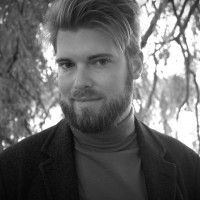
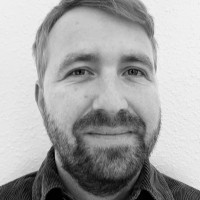
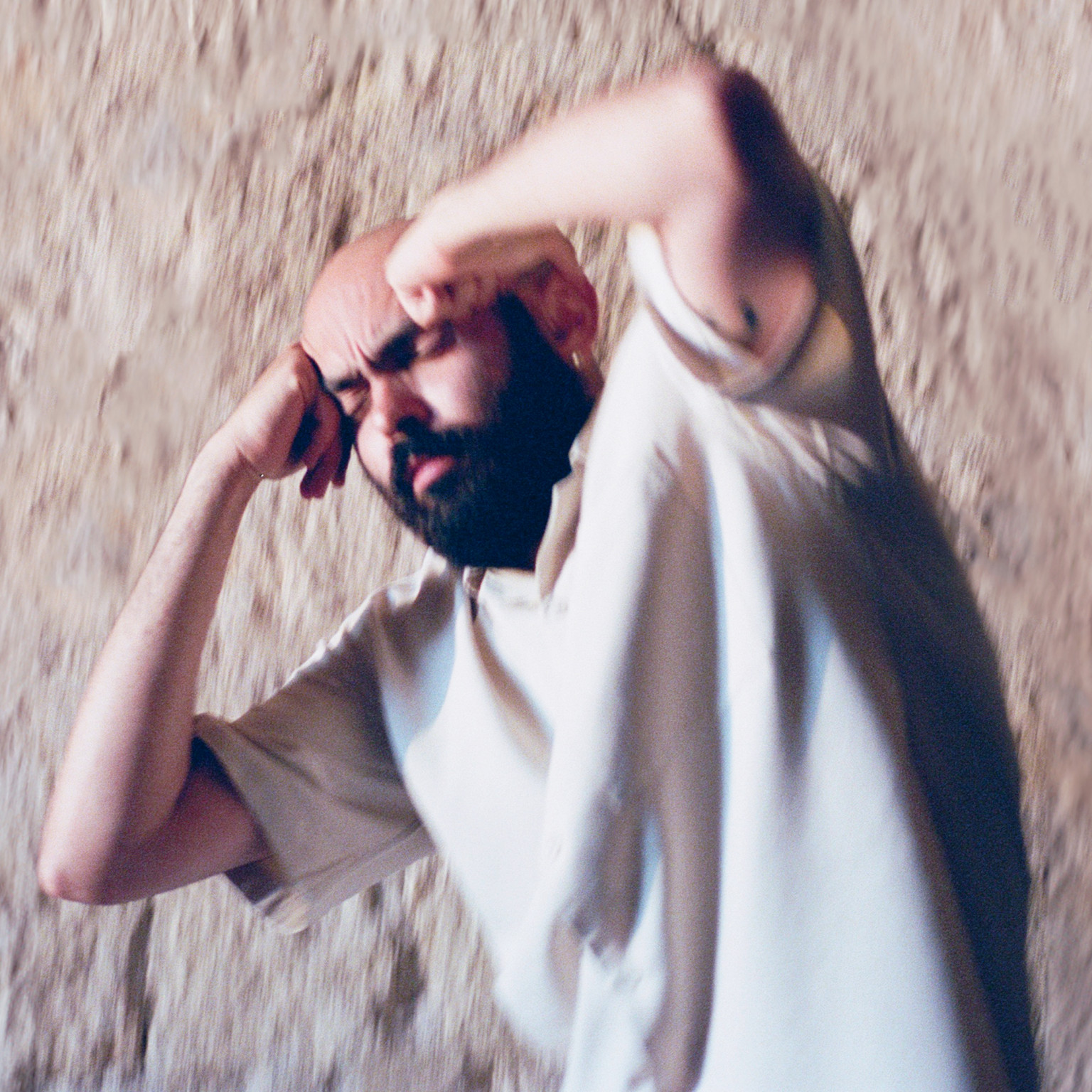
Abdullah Miniawy (born 1994) is an Egyptian expressionist, a writer, singer, composer, and actor. Over the years, he has shared the stage with acclaimed artists such as Erik Truffaz, Kamilya Jubran, Yom, Médéric Collignon, Aly Talibab, A Filetta, Hvad, Ziur, Simo Cell, and many others. Miniawy's performances have graced prestigious international stages and venues, including the Festival d’Avignon edition 72, French national theaters, Institute of Contemporary Arts London, Haus Der Kunst museum in Munich, Mao Asian Museum in Turin, even the Louvre in Paris.


In addition to his music career, Abdullah proved his natural acting talent in Alaadine Slim's Tlamess, a Tunisian feature film featured at the Directors' Fortnight at the Cannes Film Festival in 2019. Miniawy was also recognized with a nomination and shortlisting for the Best Actor Award from the Arab Cinema Center at Cannes.


As a composer, Miniawy has created different soundtracks for dance shows, theater productions, and exhibitions, including notable works like Cabaret Crusade III by Wael Shawki premiered at Moma PS1, AMDUAT by Kirsten Dehlholm premiered at Hotel Pro Forma, and Insurrection by Jilani Saadi.


Abdullah Miniawy's influence extends beyond the arts; he was selected by the European Parliament in Strasbourg as one of three change makers from the Schengen area to offer a French-Egyptian artist's perspective on pressing contemporary challenges at the European Youth Event 2021 in the Live Fully section. He also participated in Europe Takes Part, a gathering of 30 diverse speakers discussing new economic models and digital solutions for artists in a post-pandemic world.


Since 2016, Miniawy has collaborated with the German trio Carl Gari, blending avant-garde electronic soundscapes with poetic lyrics. Their debut album, Darraje, was recognized as one of the top 50 albums of 2016 by the American NPR. Their recent release, The Act of Falling from the 8th Floor, garnered attention from Pitchfork, The Quietus, and Wire Magazine, with Zawaj ranking at the top of Resident Advisor's list of Deep Listening tracks in 2019.


Most recently, Abdullah's album Le Cri Du Caire, featuring Erik Truffaz, won Les Victoires du Jazz 2023 award – the French equivalent of the Grammy Awards.  


As a writer, his lyrics have left a mark in the Middle East region, notably during the Arab Spring, where they were displayed in places like the Yarmouk camp in Syria.
Kortkritik
11.08.2023

Viser fra internettets tidsalder

Karen Juhl: »Mother Tongue« 
© Fryd Frydendahl
© Fryd Frydendahl

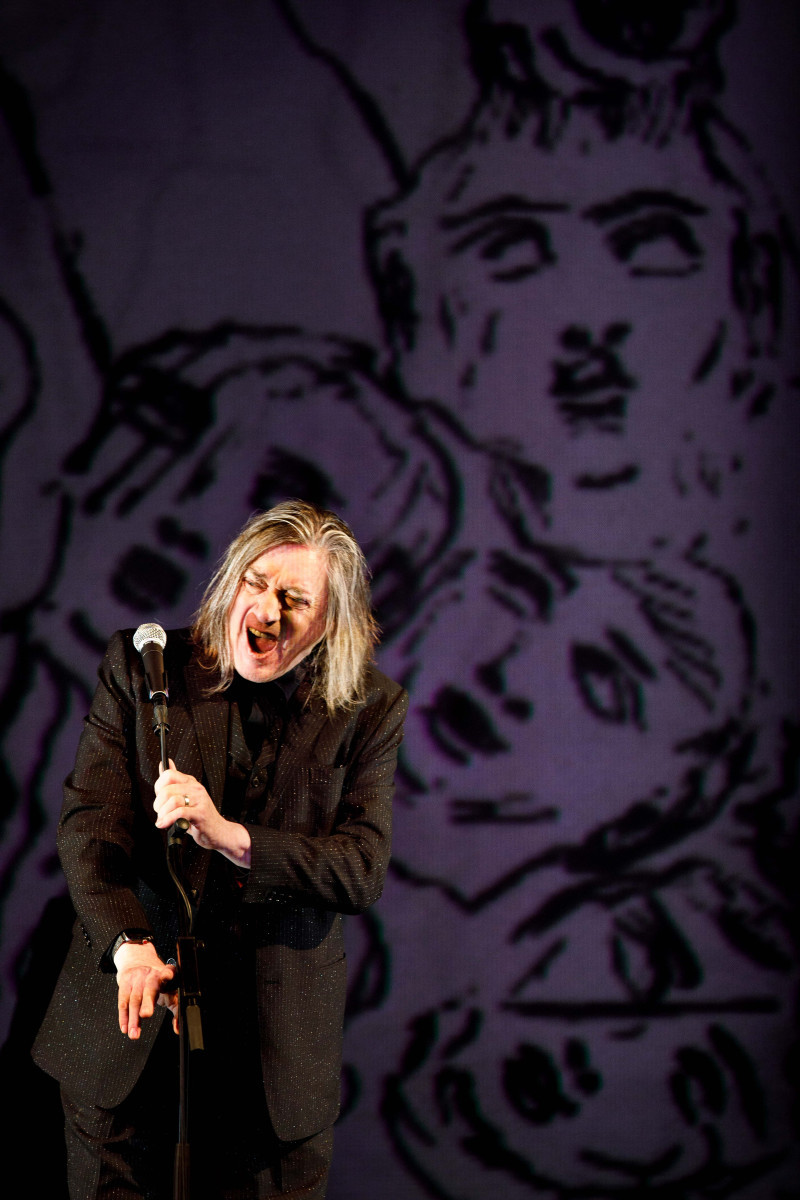
Komponisten og den eksperimenterende musiker Karen Juhl har bedrevet et album, der på mange måder følger en folk- eller visetradition, hvor teksten får lov til at diktere musikkens forløb. Men det er viser fra internettets tidsalder, hvor man finder sine samples på YouTube, som »Mother’s Garden«, der har samplet den ægyptiske kunstner Nadah El Shazly. Her er en legesyg tilgang til at manipulere lydkilder, og så er der en underliggende fornemmelse af den kolde ensomhed, som findes i at opholde sig for meget på internettet.

»Bloodlines« er et godt eksempel på en digital vise. En umenneskelig stemme fordoblet af pitch-modulation synger en uforståelig linje efterfulgt af en digital pause – der er intet signal. Pauser er naturligvis ikke en ny opfindelse, men hvor de traditionelt giver plads til, at stemmer og instrumenter kan klinge ud i deres rum, så er en digital pause en total tomhed, der er kold og klaustrofobisk. I resten af nummeret glider Juhls stemme ind og ud af det forståelige. Det kan virke farligt at gøre dele af en tekst om vold, der går i arv uforståelig, men følelserne bliver aldrig uforståelige. Følelserne får bare nye udtryksformer, og det er næsten mere hjerteskærende, når man hører en stemme helt tæt på sit øre blive revet itu af distortion og stemme-effekter. 

© Zoe Cura

»You put me in a complicated situation because I don’t usually listen to music. After hours 'doing' music, my preferred sound is silence… And I am not kidding. But here are some songs I love to hear when I break the silence, sometimes on a Sunday at home«. ​José Cura was engaged to direct Den Jyske Opera's version of ​Puccini's Tosca​ in Aarhus.​ But ​a few weeks ago Cura ​decided to perform the main character Cavaradossi at the premiere​. Cura is famous for his intense and original interpretations of opera characters, as well as for his unconventional and innovative concert performances​. He ​is originally trained as an orchestral conductor, and made history when he first conducted Pietro Mascagni's opera Cavalleria Rusticana and then stepped on stage after intermission to sing.

© PR

Johanna Sulkunen is a Finnish experimental jazz vocalist, composer, and improviser based in Copenhagen, Denmark. She has released and produced four critically acclaimed albums on her own name and several others in collaboration with others. She a part of the award-winning improv. vocal ensemble IKI. In 2018 she launched the experimental solo project Sonority, and ever since the symbiosis of vocals and electronics has been at the center of her career. She has co-operated, with iconic jazz & improv musicians as well as worked on various interdisciplinary projects, collaborating with dancers, poets, and filmmakers and with electronic musicians. Originally labeled as an exciting voice on the alternative jazz scene, Sulkunen has expanded her range of work to span everything from jazz to free improvisation, electronic music, neo-classical, and avantgarde. Her latest album Terra (2022) was nominated as the Jazz Album of the Year in Danish Music Awards. She is soon to release her next album, the third part of the trilogy Sonority. 

Kortkritik
15.07.2023

There are holes in these tones from Theresienstadt

Susan Philipsz: »Study for Strings Sokol Terzín«
© Jens Henrik Daugaard

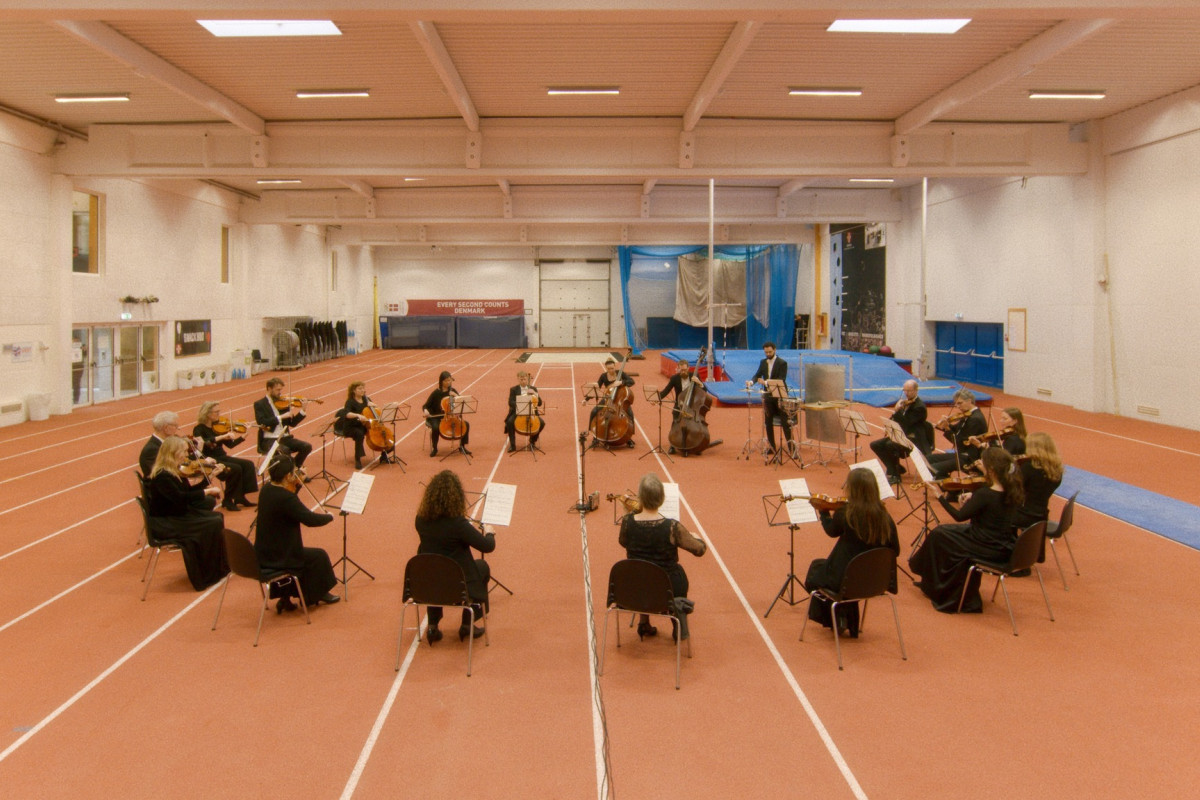
Two solitary instruments – viola and cello – are heard on separate soundtracks by separate video screens showing footage from the former concentration camp Theresienstadt: peeling walls, cobwebs, a lifeless gym hall. The composition they play was created here; the Czech-Jewish composer Pavel Haas (1899-1944) wrote an orchestral piece that the Nazis used as the soundtrack to a propaganda film about Theresienstadt. We don't hear any orchestra. This is why the two instruments sound so abandoned. Although they also talk together; tones are repeated many times, as if they are trying to breathe life into the empty spaces. The melodic lines are detached from the context they should be in, but cannot be in, because the composer was taken to Auschwitz and murdered shortly after he performed the piece.

Like other Holocaust representations, Turner Prize-winning Scottish artist Susan Philipsz lets us see that the visible traces of the atrocities have disappeared. The camera makes an effort. In that resounding emptiness, ghostly garlands of mismatched tones resound. They are full of holes – there should have been more musicians to make this piece of music sound right. In the speakers, the cello and viola sound almost electric, eerie, it's all so slow, the tones are stretched until they can't do it anymore. In his book Images in Spite of All the art theorist Georges Didi-Huberman defended using all images that exist from the atrocities. The same here: Haas' music calls to be heard, not forgotten. They are sounds, after all. Amputated, seeking for beauty, or remnants of something seeking for beauty. For no composer – even under the worst conceivable conditions – makes music that is deliberately evil.

Kortkritik
14.07.2023

Store miniatureverdener

Éliane Radigue: »Naldjorlak«
© PR
© PR

Naldjorlak tager den franske komponist Éliane Radigue os med på en rejse af mikroskopiske proportioner, når en tilsyneladende simpel musikalsk situation – ikke ulig hendes tidligere værk for synthesizere – udfolder sig. Naldjorlak er et værk for uledsaget cello og Radigues første komposition for akustiske instrumenter, og det bygger på en mundtlig kommunikation mellem komponist og performer. Cellist Charles Curtis finpudser kun én tone i hele stykkets varighed, men denne præmis, der i starten kan slå lytteren som værende enkelt, er alt andet end det.

Hvad 91-årige Radigue beder sin lytter om er at være til stede (ikke overraskende har hun været praktiserende buddhist siden 1970'erne). For at opleve Radigues musik skal man kunne følge lyden til dens stilhed, og det er en mental tilstand. Naldjorlak er en invitation til deep listening. Hvad hører man, når man stopper op og begynder virkelig at lytte, mens Charles Curtis droner løs? Curtis føler sig hjemme i Radigues undersøgelser af lyd, og hans spil minder os om, at et stort lydkunstværk ikke eksisterer uden en stor performer. Havde der været et partitur, kunne vi have talt om at værket eksisterede alene i kraft af dette, og at det kunne opleves ved at blive læst. Men eftersom komponist og solist beskæftiger sig med mundtlig overlevering, er det sværere at forestille sig dette værk uden dets performer, og netop derfor er det svært at vide fuldt ud, hvornår vi hører Radigue, og hvornår vi hører Curtis.

Curtis bringer Naldjorlak til live så subtilt, at det er let at tro, at han ikke gør noget. Det lyder vildledende simpelt i starten, men hvis man tager sig tid til rent faktisk at opleve dronespillets mikrokosmos, vil man bemærke, at de to versioner, der præsenteres på denne udgivelse, ikke kun er vidt forskellige i karakter og udtryksevne. De er egentlig ikke droner med deres implicitte monotoni, de er snarere mikroskopiske verdener af konstant skiftende lydteksturer. Det er måden, Curtis så mesterligt formidler Radigues ideer på, der gør disse optagelser fra Los Angeles og Paris så fængslende.