




He Is Creating a Scene That Does Not Yet Exist
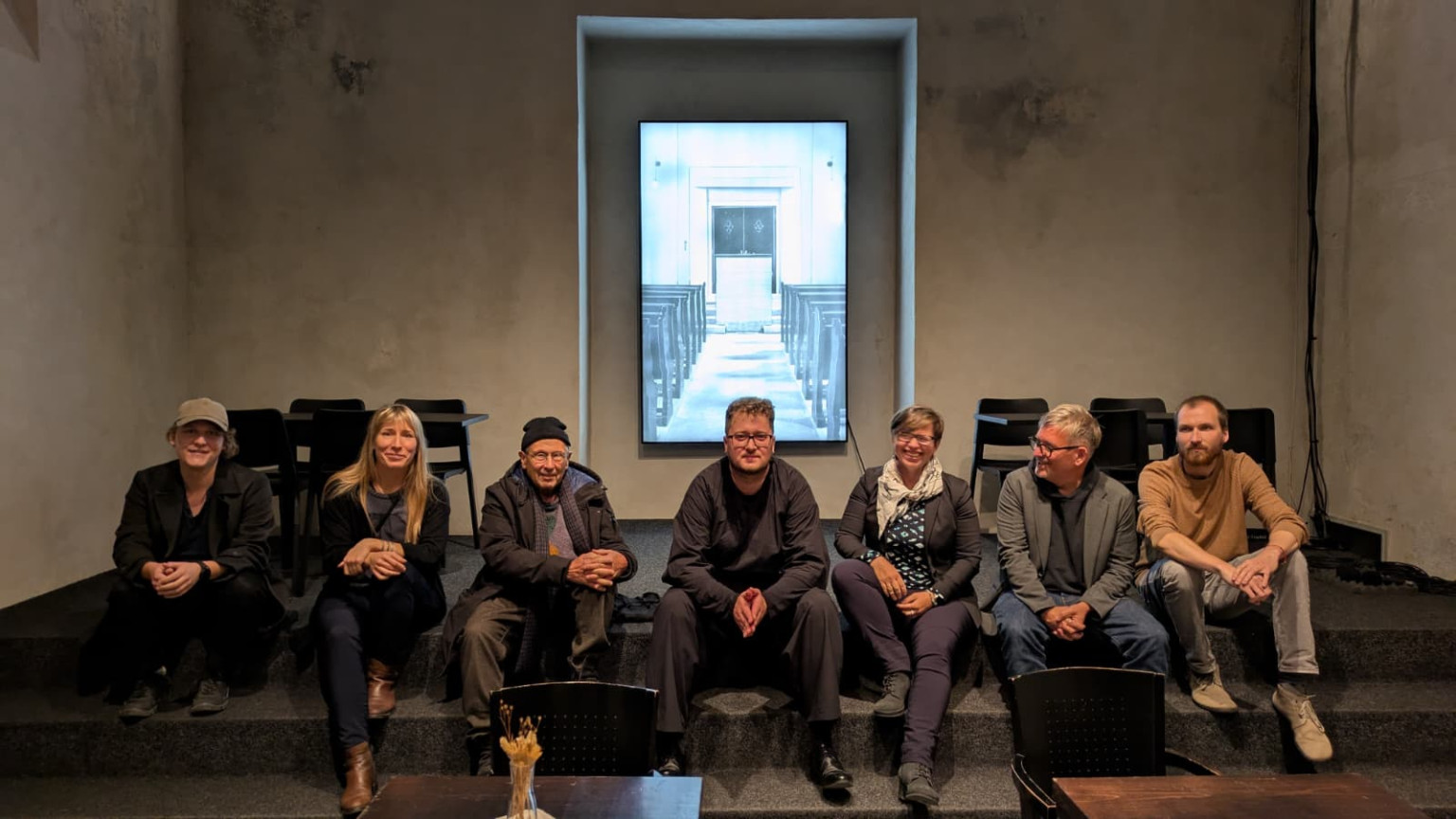
A British music critic and I are picked up at Kraków Airport by a Mercedes. We cross the border into Čadca. The first composers take their seats at the welcome dinner: Austrian Bernhard Lang, Estonian Liisa Hirsch, Serbian-German Snežana Nešić, the American-Italian composer Alvin Curran, and a sound engineer from Milan. We eat steak tartare and grilled pork with a dark beer sauce. The restaurant opened only a few weeks earlier. Without it, Ondrej Veselý would hardly have had a place to gather all these international composers. Čadca feels like somewhere beyond the world.
Back then, the struggle was for political freedom. Today, it has also moved into the cultural sphere
Veselý had received support from the Ernst von Siemens Musikstiftung – the second project the foundation had ever supported in Slovakia – and invested his own money, contacts and friendships in creating Concentrated Voices. Just a week earlier, he had texted me that some of the composers had only just sent him forty minutes of music, and that he was under pressure.
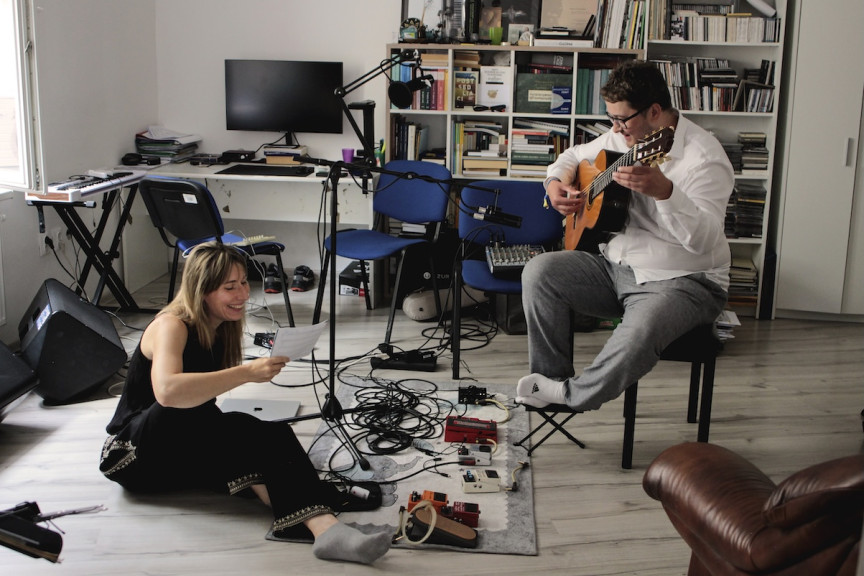
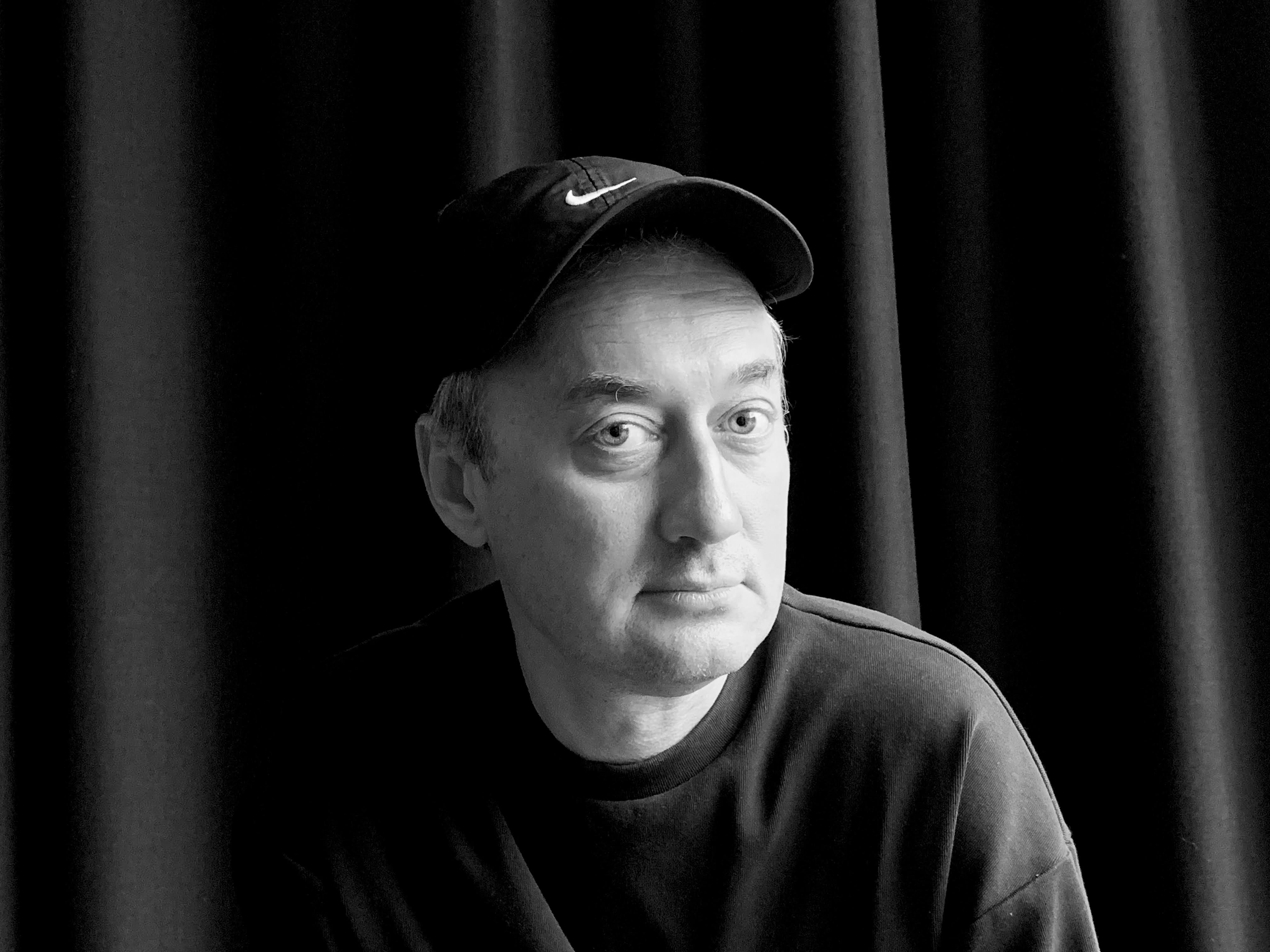
The invitation came from Veselý, a Slovak guitarist who wanted me to travel to northern Slovakia to attend a series of concerts. In his email, he described a region where public cultural life was dominated by commercialised folklore and entertainment marketed as art. Serious musicians, he argued, had to move to Bratislava, Prague or further afield in Europe.
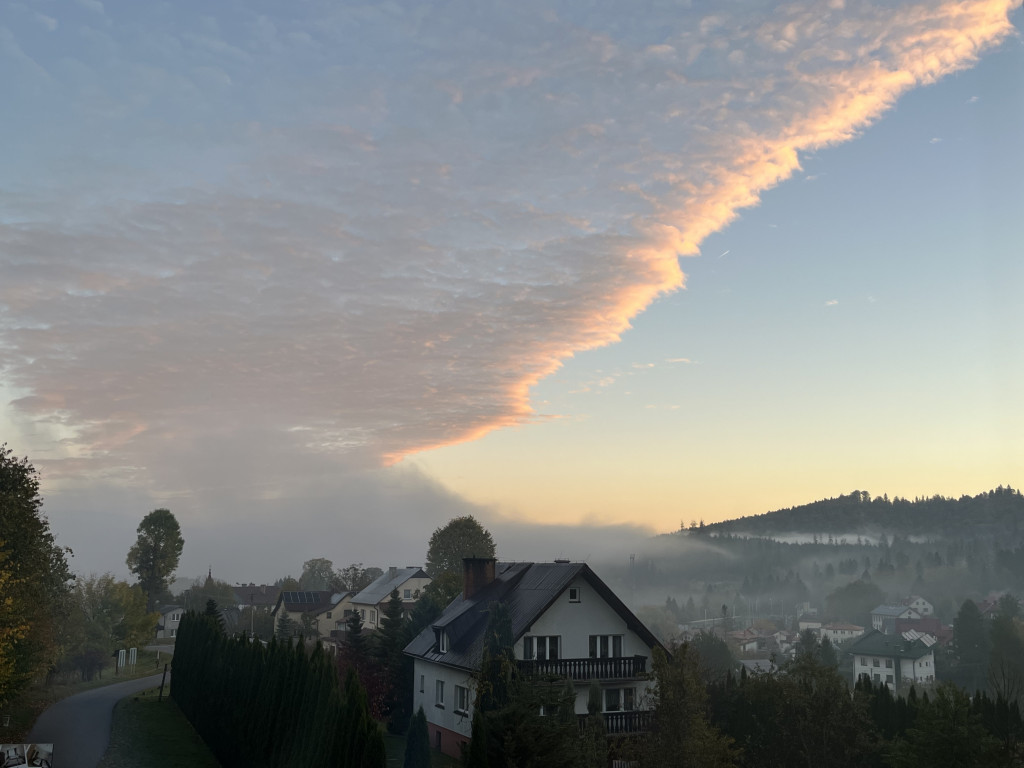
Over breakfast, Bernhard Lang wishes us a good trip into the mountains. »See if you can get to the other side of the smog. See you tonight,« says the Austrian, who last year performed a work for three orchestras and three conductors not far from here, in Ostrava. Now, as an act of friendship, he has written a new composition for Veselý.
Some call it a miracle – even a pièce de résistance
It was in these mountains that twelve Polish and Czechoslovak dissidents secretly met in 1978, among them Václav Havel. Across the Iron Curtain, they exchanged ideas and laid the groundwork for a collaboration that became part of the political thaw in Central Europe. Back then, the struggle was for political freedom. Today, it has also moved into the cultural sphere.
Under Robert Fico’s populist-nationalist government, cultural institutions and artists have become targets of a political campaign in which they are portrayed as privileged, incompetent and out of touch with ordinary people’s lives. Yet in Čadca lives a guitarist who has spent several years putting together a concert programme. Some call it a miracle – even a pièce de résistance.
The Many Voices of the Guitar
In the neighbouring town of Oščadnica, the first guitar notes are about to sound. Two Polish journalists have hiked for eight hours across the Beskid Mountains, despite Ondrej Veselý’s warnings about bears. They arrive just in time to drop their backpacks before Veselý begins to play.
Snežana Nešić’s piece features an electronic soundscape that feels like sinking beneath the water. Alvin Curran’s work is a carnival of freakish voices, bizarre whistles, wolf howls and flamenco-like guitar gestures, glitching its way forward with an energy that is equal parts punk and runaway washing machine.
When Veselý finally bows, drenched in sweat and wearing a black karate-like jacket, he looks like a weary fighter
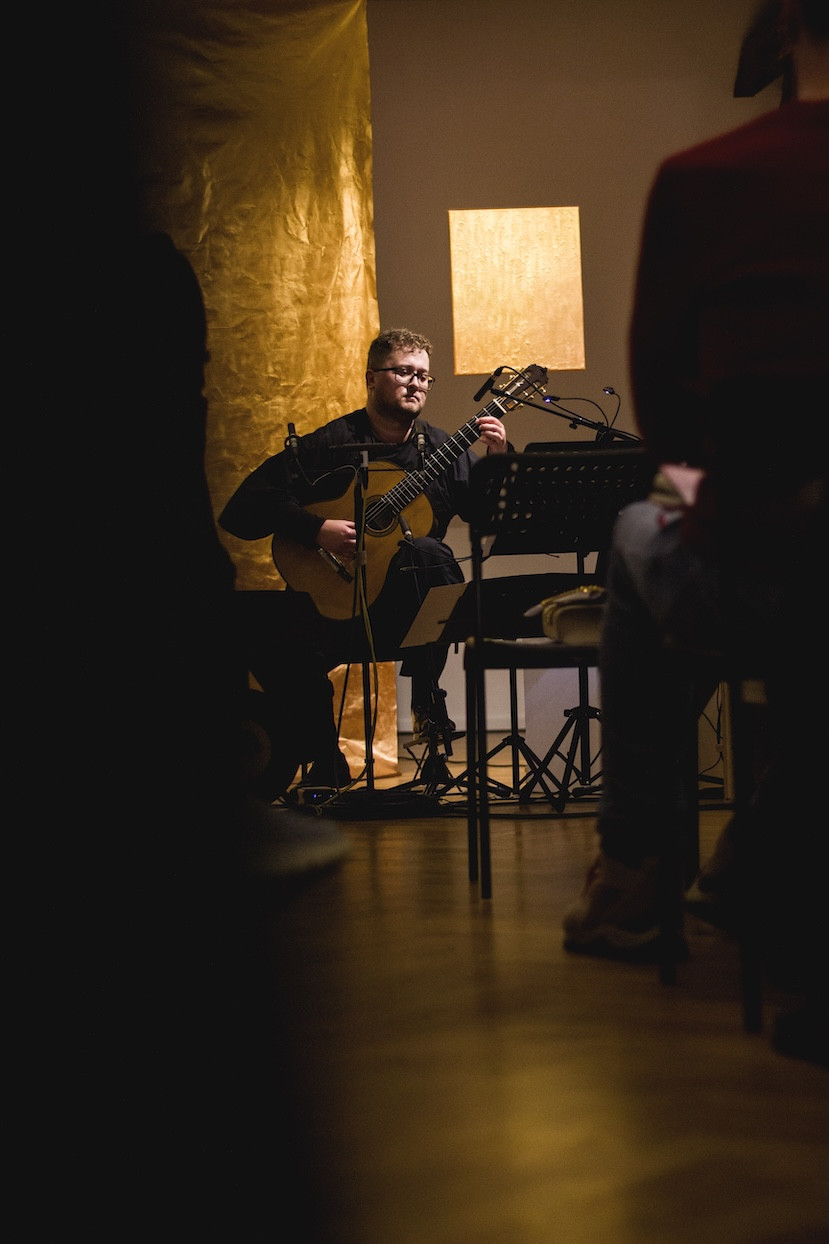
The concert lasts more than three hours, with an interval. Ondrej Veselý keeps placing new scores on the music stands. In Liisa Hirsch’s Sounds Held in Your Darkness, the guitar enters into a duo with a loudspeaker enclosed in a glass dome behind the guitarist, vibrating as if struggling against the guitar’s fragile tones. James Helgeson’s piece is a microcosm of the world’s tiniest sounds, constantly slipping away from us, while the climax keeps shifting further into the distance.
The Norwegian-Iranian composer Idin Samimi Mofakham’s I Call Thy Name; I Take My Stand is about a father searching for his son among body bags after the protests of January 2026. Veselý moves a loudspeaker emitting sine waves around the guitar. Several times, he looks up towards the ceiling and repeats the name Sepehr, the dead son’s name. The guitar in his arms becomes a child’s body.
Finally, in Bernhard Lang’s Loops for Guitar II, Bach emerges amid a tangle of repetitions. The music stumbles along in its own rhythmic circuits; the notes refuse to settle into any pattern. The machine keeps running.
When Veselý finally bows, drenched in sweat and wearing a black karate-like jacket, he looks like a weary fighter.
»Remember to visit the cyclist Peter Sagan’s museum. I have a private collection of six of his bikes myself«
At the reception afterwards, sponsored by the Estonian honorary consul, a local businessman is clearly proud of his guitar-playing friend, who has accomplished something unusual. »There is no established scene for experimental music in this area. Tomorrow Ondrej plays in Žilina. Remember to visit the cyclist Peter Sagan’s museum. I have a private collection of six of his bikes myself.«
As he rides away on his motorcycle, someone mentions that the businessman's name is Marcel Kerhat and that he actually supported Sagan’s career. And now, he supports artists.
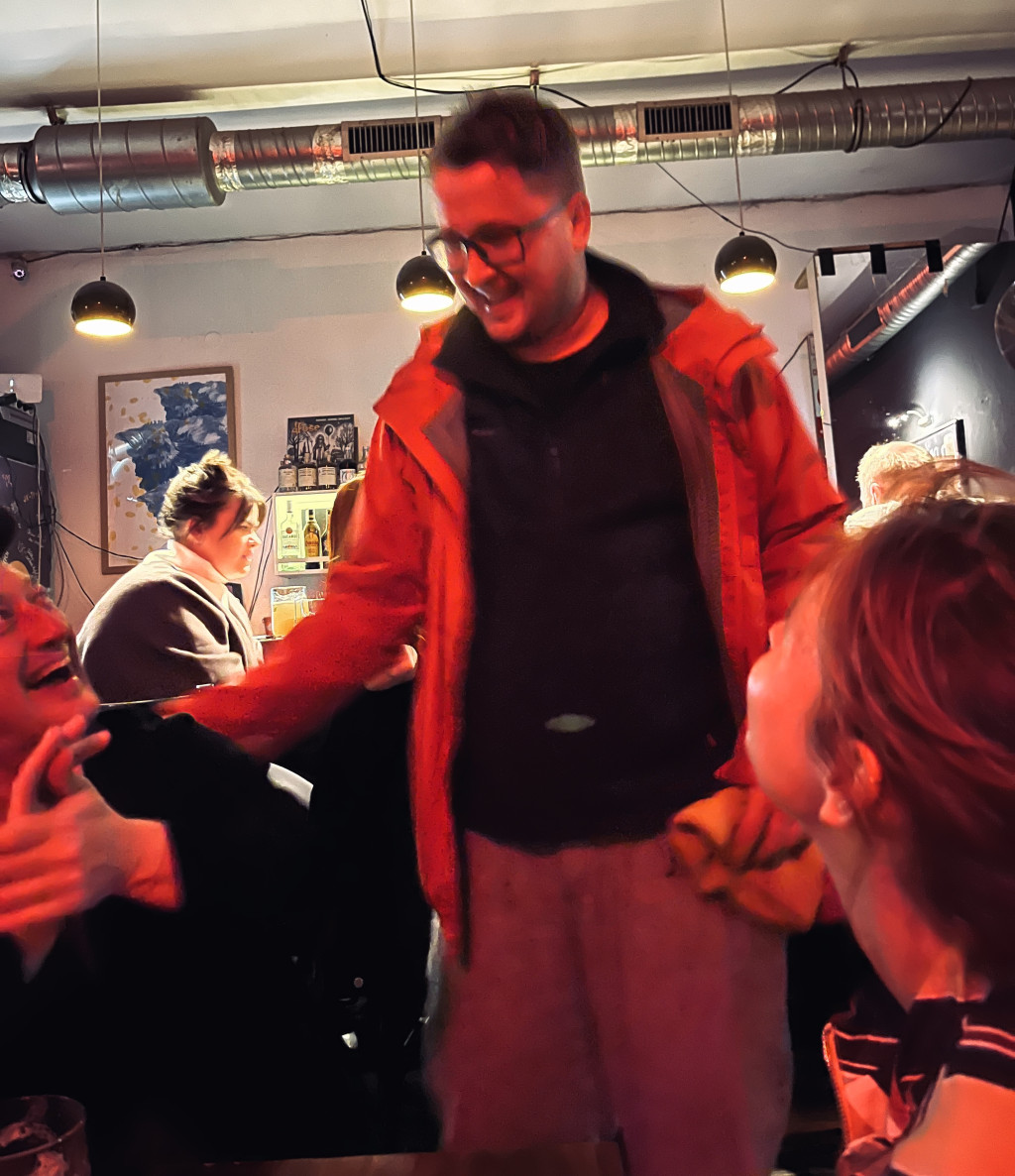
When Veselý later enters the bar Déjà vu, people erupt in applause. The locals know him. The composers sit around a long table, and Bernhard Lang recounts how he played psychedelic krautrock in the 1970s – and even appeared with the heavy metal band Fetish 69. Snežana Nešić recalls how, as a teenager in a small Serbian town, she played fairly hard rock alongside the accordion.
A local musician wants to talk about Slovakia’s political situation and its culture minister, who pursues an openly anti-LGBTI and pro-Russian agenda. The minister has attacked the cultural centre Nová synagóga in Žilina. That is where the concert will take place the following day.
Bernhard Lang recounts how he played psychedelic krautrock in the 1970s – and even appeared with the heavy metal band Fetish 69
Who Decides What Culture Is?
Žilina’s book and vinyl café looks like something out of New York. At Nová synagóga, not far from the central market square, one finds art that could easily have come from the trendiest galleries.
Veselý performs the previous evening’s works but also presents new ones. Barely has he stepped down from the stage before people start tugging at him. »Take a breath,« he says, bringing his hands together in front of his face. »Right now I need to check Alvin in for his flight.«
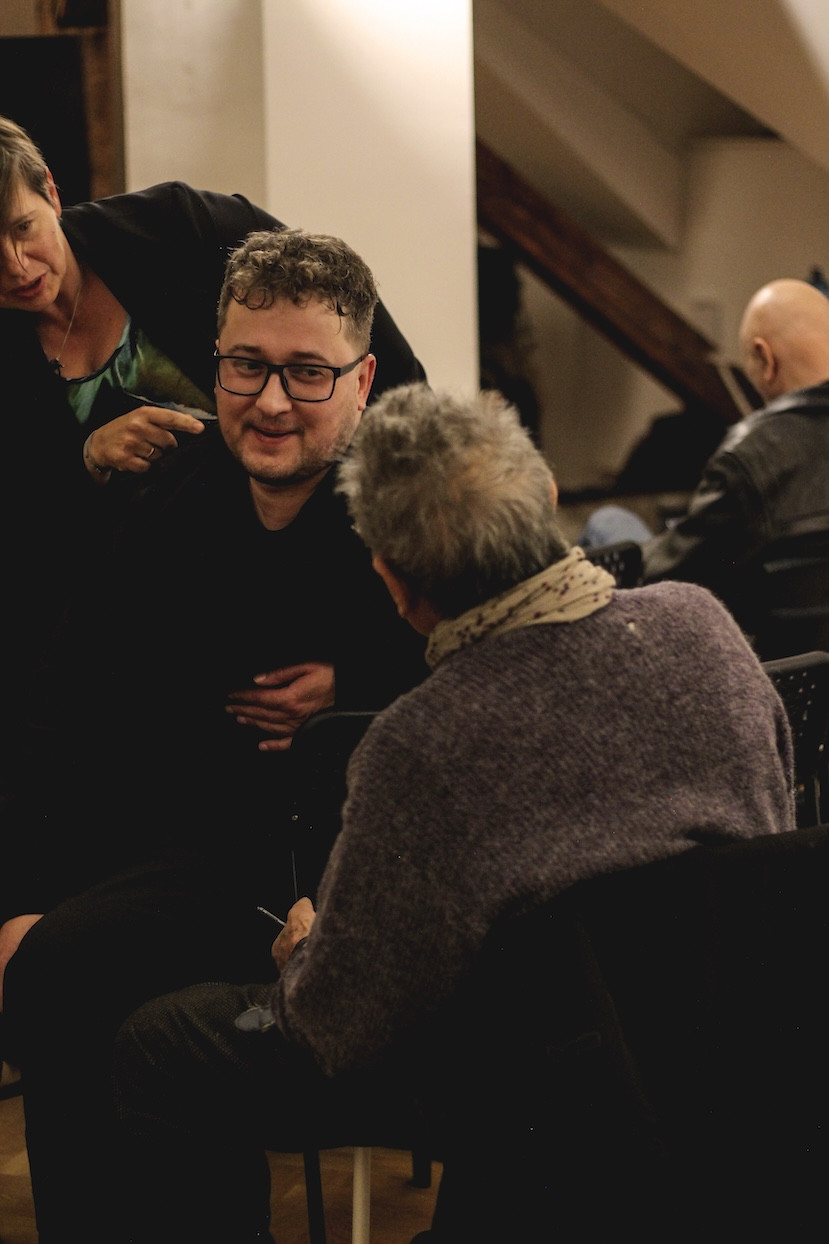
The guitarist, who released an album last year titled Hudba sú ľudia (»Music Is People«), seems unable to catch a moment’s rest.
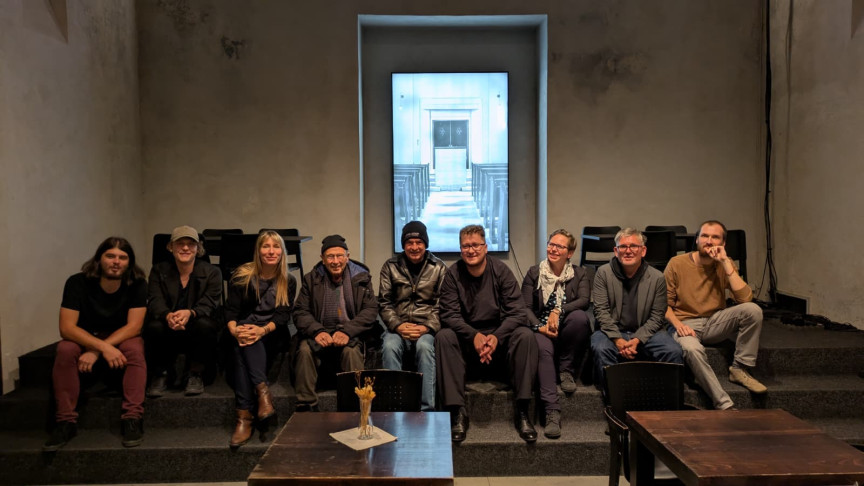
There are photographs to be taken, too. One of the composers says: »All we composers were infected by his enthusiasm and devotion.«
A Punk in a Knitted Sweater
At 4.40 in the morning, Alvin Curran comes rolling towards the Mercedes with his suitcase, Italian knitted sweater and round glasses. On the drive to Kraków Airport, he talks about his friendship with John Cage and the collective Musica Elettronica Viva, which he founded in Rome in the mid-1960s with Frederic Rzewski and Richard Teitelbaum. Their collective synthesiser improvisations often ended in tumult. It was punk before punk even existed – at least in Italy.
»This is really interesting. It’s almost new opera,« he says, before asking about Per Nørgård
When Ondrej Veselý asked him in 2023 to write a piece for guitar, it was unfamiliar territory. Curran had written for choir, synthesiser, ship horns, drum machines and toy pianos, but his knowledge of the world’s most widely played instrument was, as he puts it: »near zero. Me and the guitar have almost no connection.«
Writing a piece lasting more than twenty minutes for the instrument, he says, took him into deep waters.
»Knowing practically no contemporary or classical music written for it, I found myself in a very dangerous place – a place of total musical and artistic ignorance! Therefore, all I had to know was the musical range of the instrument, and I could begin to write what I thought would be an endless melody, a simple monophonic piece which, like much of my writing, sounds like it has no beginning nor ending.«
The result was a work with several distinct sections: powerful strumming, a passage in which the guitarist is asked to play like Derek Bailey, and finally a four-part chorale in E-flat major, with Curran’s characteristically skewed harmonies. Running beneath it all is a banal melodic stream of three or four notes, centred around D, E and G.
Classical and new music have become luxury goods, like so much else
In the back seat, Curran listens to new Danish music on my phone. He holds it right up to his ear.
»This is really interesting. It’s almost new opera,« he says, before asking about Per Nørgård.
He speaks enthusiastically about Rewire in The Hague, where he recently performed. According to Curran, the major European festivals can have a snobbish attitude towards music. But festivals are not the only thing on his mind. He is surprised to find an engaged audience at both concerts in Slovakian towns with which he has had no particular connection.
»For me, who has no particular association with these distant small towns in Mittel-Europa, I had no particular real interest or reaction to finding myself in such remote places, and yet there a dedicated audience appeared at both concerts, as if this were some special event.«
The Mercedes drives into the early morning. The road signs tell us we are in Oświęcim.
»We are now driving through Auschwitz. The Žilina concert took place in a former synagogue, which, to me, born in the Jewish religion, elicited strange, unsettling thoughts. They are not even memories, but a knowledge of an immense tragedy that took place in these parts of the world.«
But the thoughts are also displaced by the music. Curran continues:
»Nonetheless, these signs, knowledge and memories were brilliantly overcome by the superb performance by Ondrej – especially of my work – which he magically made sound like an important piece of music.«
Soon, people may have chips implanted in their bodies that transmit individually tailored, AI-generated music directly to each listener via external devices
He struggles to explain the resistance that new music so often encounters.
»I cannot explain the general dislike of ‘so-called’ new music. In the 20th century, atonality and avant-garde challenges have clearly alienated concert-going audiences. Yet the public desire to hear new musical works continues, as the concert culture itself seems to be in decline everywhere.«
In his view, the sheer volume of popular music has taken over the space once occupied by bourgeois concert culture. Classical and new music have become luxury goods, like so much else. »Whether you want to hear Beethoven or Boulez.«
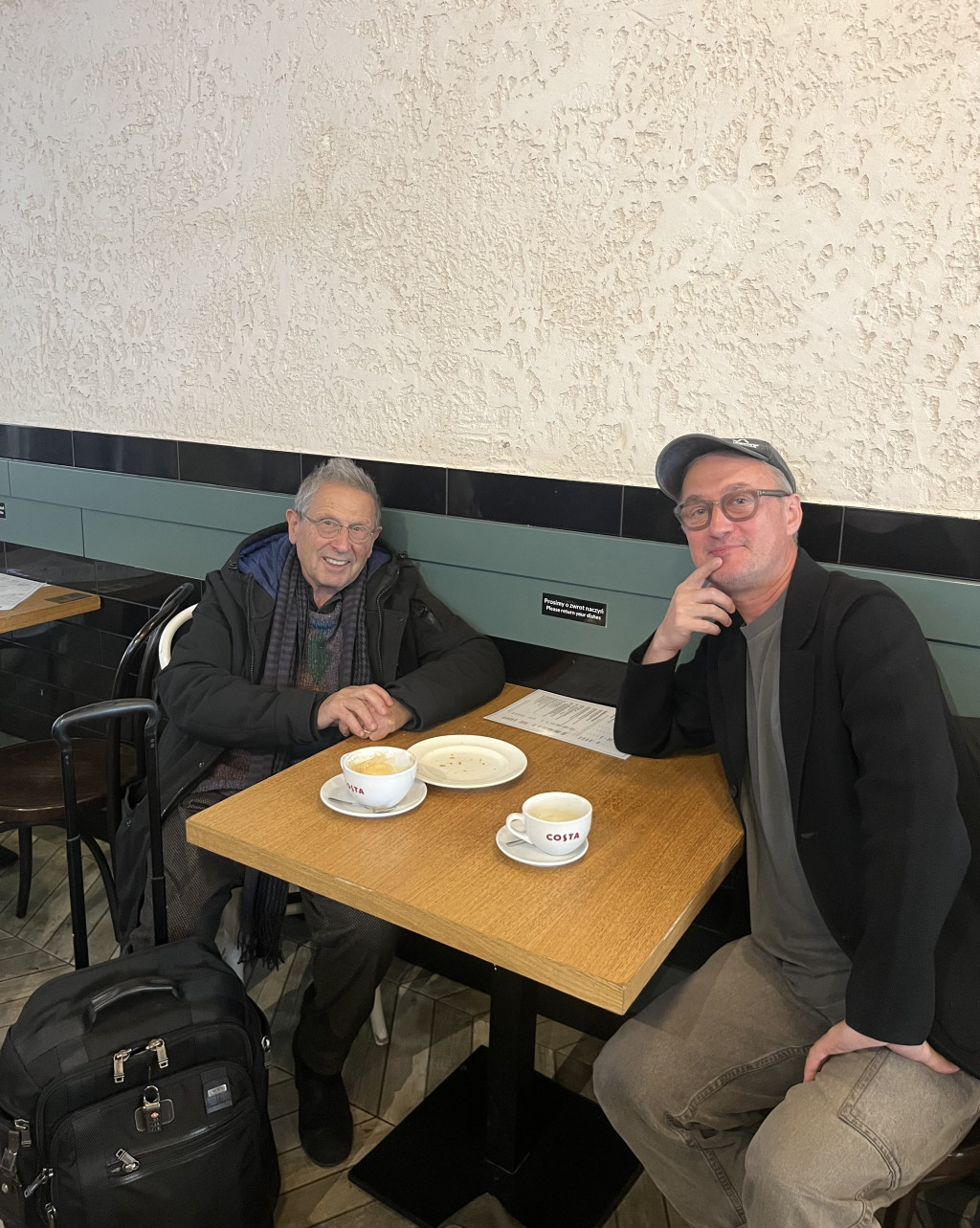
The wait at the airport is washed down with a cappuccino. It is only seven o’clock, and Curran has lived in Rome since the 1960s. He knows when it is still acceptable to order a cappuccino.
But he does not necessarily see a brighter future. Soon, people may have chips implanted in their bodies that transmit individually tailored, AI-generated music directly to each listener via external devices. Then it will be goodbye to both old and new concerts, he predicts. Cinemas have already been abandoned; concert halls may be next.
»People everywhere need this sonic food!«
And yet, the visit to northern Slovakia has made him happy. In both Oščadnica and Žilina, an engaged audience turned up for an initiative that a guitarist has spent two years building. Perhaps a public space for new music begins precisely this way: with one person insisting on inviting others in.
»People everywhere need this sonic food! And musicians need it more than anyone!«
Concentrated Voices took place on 16 October at Kysuce Gallery in Oščadnica and on 17 October at The New Synagogue in Žilina
English translation: Andreo Michaelo Mielczarek