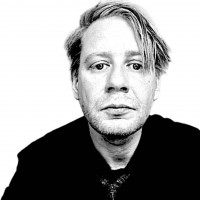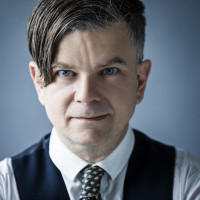
Simon Steen-Andersen
66




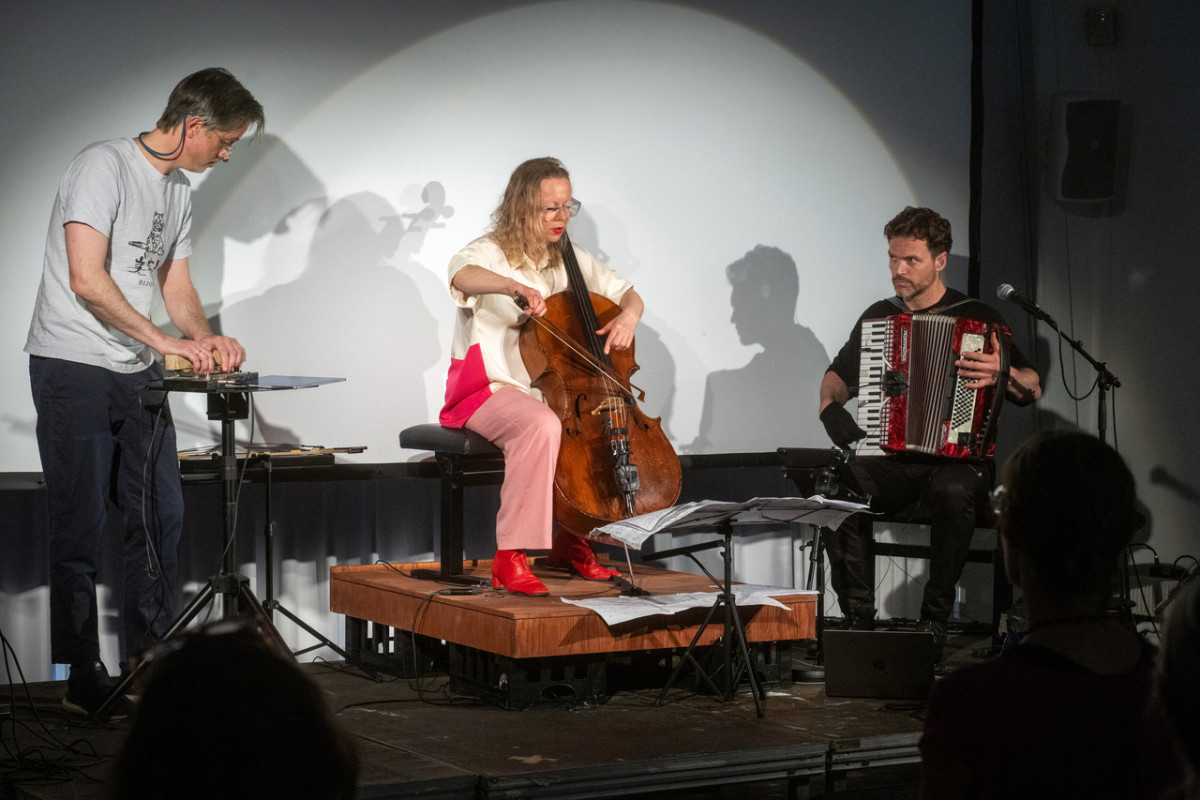
New Sounds at Louisiana is an initiative in which the Louisiana Museum of Modern Art has invited the record label Dacapo and the music publisher Edition S to curate concerts featuring living composers. Simon Steen-Andersen was the first composer in the series, and he seized the opportunity to assemble a programme that was not only overwhelming and exhilarating, but also deeply unsettling. Lasting an hour, the concert unfolded as a continuous sequence in which each work flowed seamlessly into the next, forming a single extended statement of at least part of the composer’s artistic practice and philosophy.
Combining video and live performance, the concert served as a manifestation of several of Steen-Andersen’s key artistic strategies. Central among them are techniques of estrangement and defamiliarisation, exemplified by Asthma (2017) for accordion, air pumps, and video, a work that explores and interrogates human breathing in all its positive and negative dimensions. Amid the many grotesque and humorous scenes – accompanied by Håkon Stene’s brilliant Foley-style soundtrack of air noises, sound effects, and spoken commentary – a brief clip of brutal police violence suddenly appears. In it, an officer methodically sprays pepper spray into the faces of handcuffed demonstrators. In that instant, everything else no longer seems quite so funny, and the crooked smile freezes.
The concert was a veritable sensory bombardment. Presenting all the works attacca undoubtedly created a powerful sense of flow, but it also left the audience almost saturated with impressions. Even so, the subsequent conversation between Simon Steen-Andersen and music critic and author Thomas Michelsen felt far too brief. Yet the composer succeeded in making his point: everything he does, he said, is a form of »deadly serious play.« Exactly.

»Music to me is movement, trance, transformation. The rest I won't tell you.«
Marcela Lucatelli is a vocalist and composer. Born in Brazil and based in Denmark, she has gained international recognition for her boundary-pushing performances — sensuous, politically charged, and uncompromisingly original. Described by The Wire as a composer of »scores for the limits of bodies and voice,« Lucatelli challenges conventions with her fearless vocal experimentation and bold compositions. Her works have been performed by Danish National Symphony Orchestra, Danish National Vocal Ensemble, and Neue Vocalsolisten Stuttgart. She has appeared at major festivals and venues, including Theatro Municipal de São Paulo, DR Koncerthuset, Donaueschinger Musiktage, Darmstadt Ferienkurse, IRCAM, Copenhagen Opera Festival, Ultima Festival, Borealis Festival, Copenhagen Jazz Festival, Jazzfestival Saalfelden, Cafe Oto, A L’ARME!, DMA Jazz – Danish Music Awards, WOMEX, and many more. Lucatelli's work has earned her several prestigious awards, including the Carl Nielsen and Anne Marie Carl-Nielsen Talent Prize (2019), Pelle Prize (2021), and the Danish Music Awards' 2023 Vocal Jazz Release of the Year, which shows that vocal jazz has many faces – and does not necessarily belong only to the soft end of the spectrum.
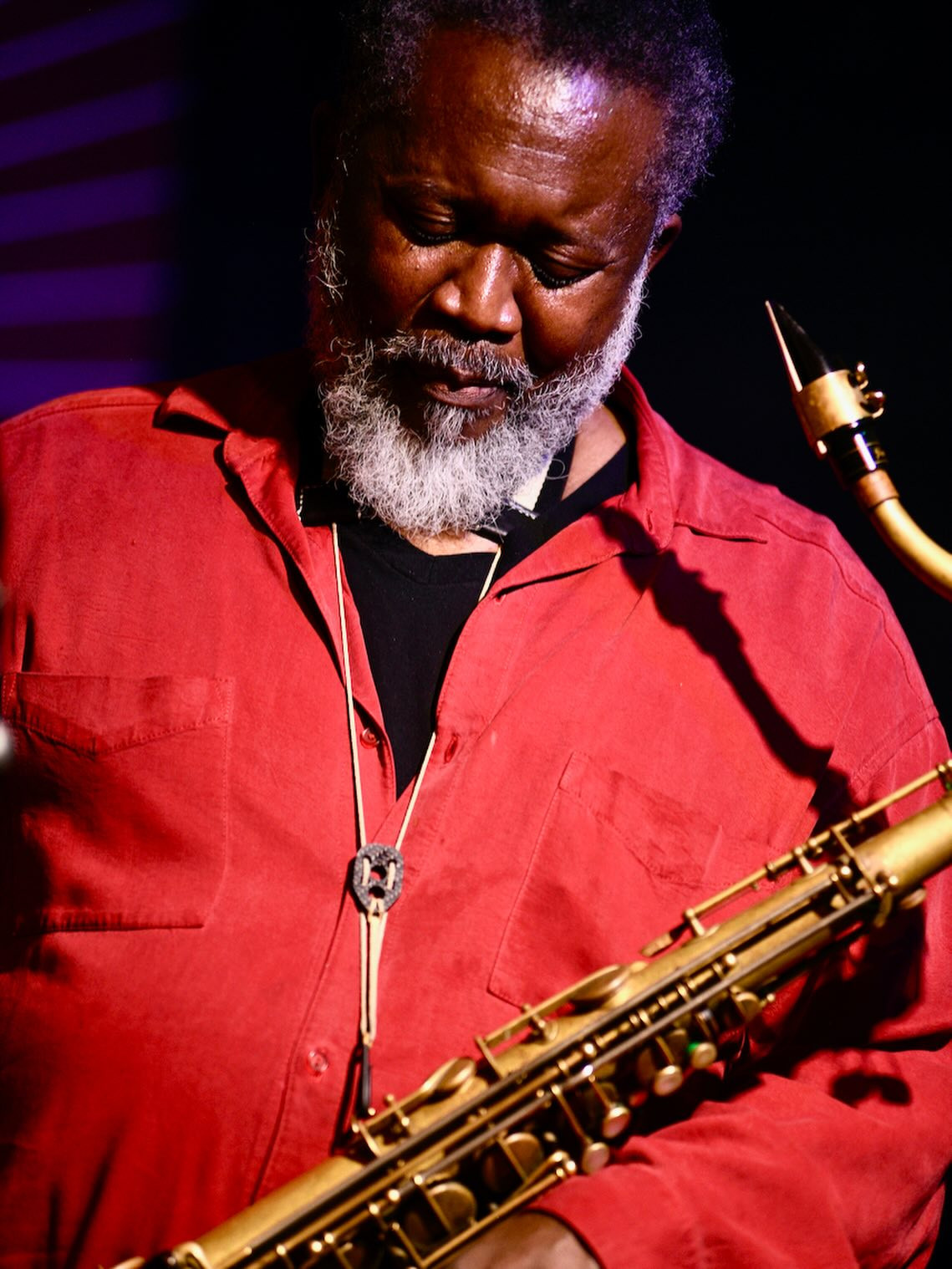
»What is music to me? Here’s a quote from Nietzsche: ‘The people dancing all seemed crazy to the people who couldn’t hear the music.’«
Salim Washington is a saxophonist, multi-instrumentalist, composer, academic, and activist from Detroit who has been highly active on the American jazz scene since the 1970s, and also in South Africa, where he became a central figure. The spirit of John Coltrane hovers over his music, which carries both spiritual and social dimensions.
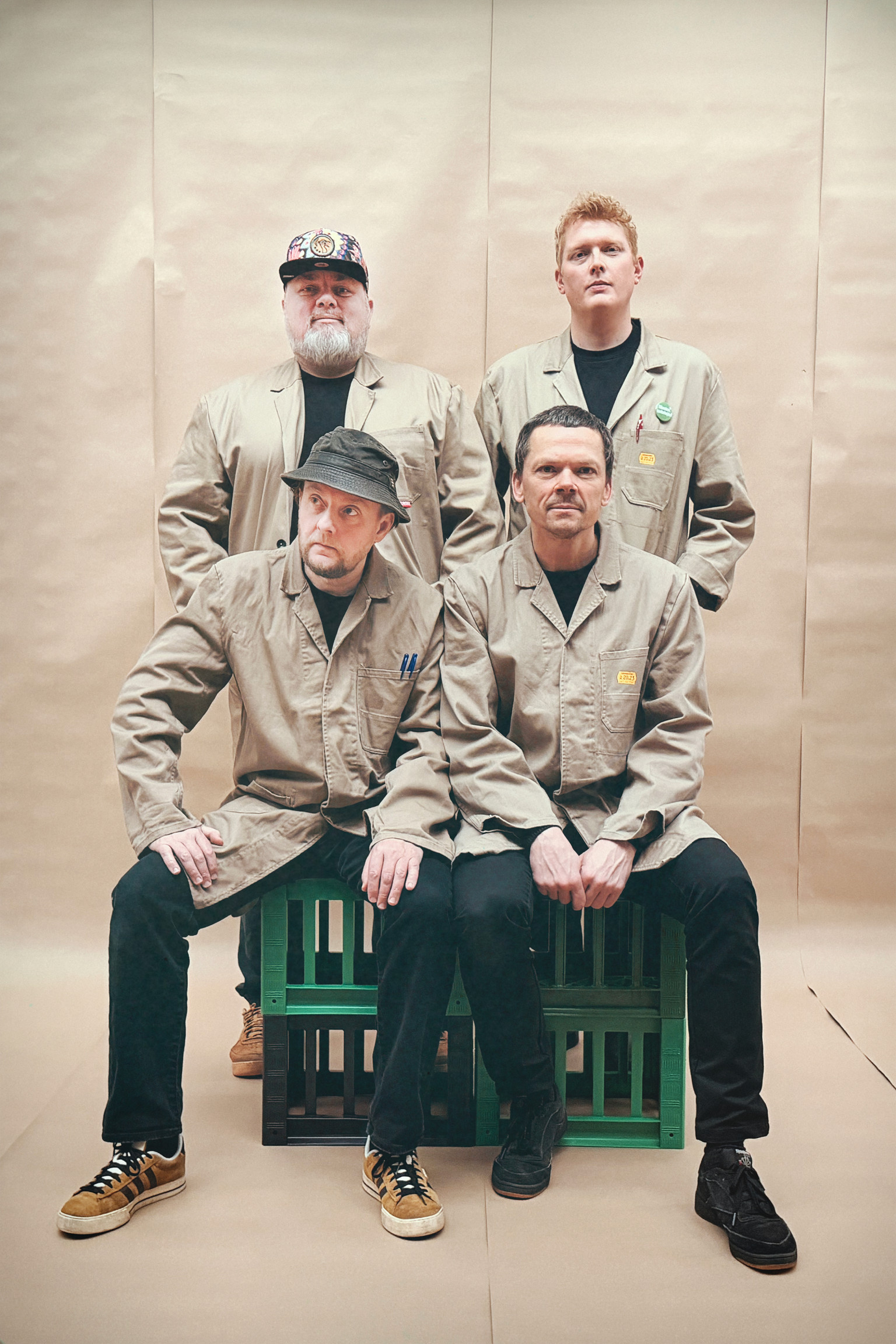
»Music for us is the perfect language that we love to speak. A language where it is the individual's feelings and imagination that determine what is right and wrong. Everyone can speak the language. You don't have to be able to write or understand, but just listen. Some music requires that you listen carefully and maybe hear it several times. A bit like when you talk to someone from Norway or Sweden, you also have to listen a little extra.«
DØGNKIOSK is a Danish punk rock band with roots in Silkeborg. The band consists of bassist and singer Anders Ejner, who has been active on the Danish underground scene for several decades. Musically, DØGNKIOSK moves in a field between classic Danish punk and alternative rock. In the spring of 2026, the band will release their second album, Tæt på kanten.

It is difficult to comprehend that Andreas Engström is no longer with us. Just a couple of months ago, he wrote – as he had done so many times before – with an ambitious proposal: he wanted to review a box set of twenty releases by Dror Feiler. In the same message, he mentioned plans to come to Aarhus for the recently concluded Spor Festival.
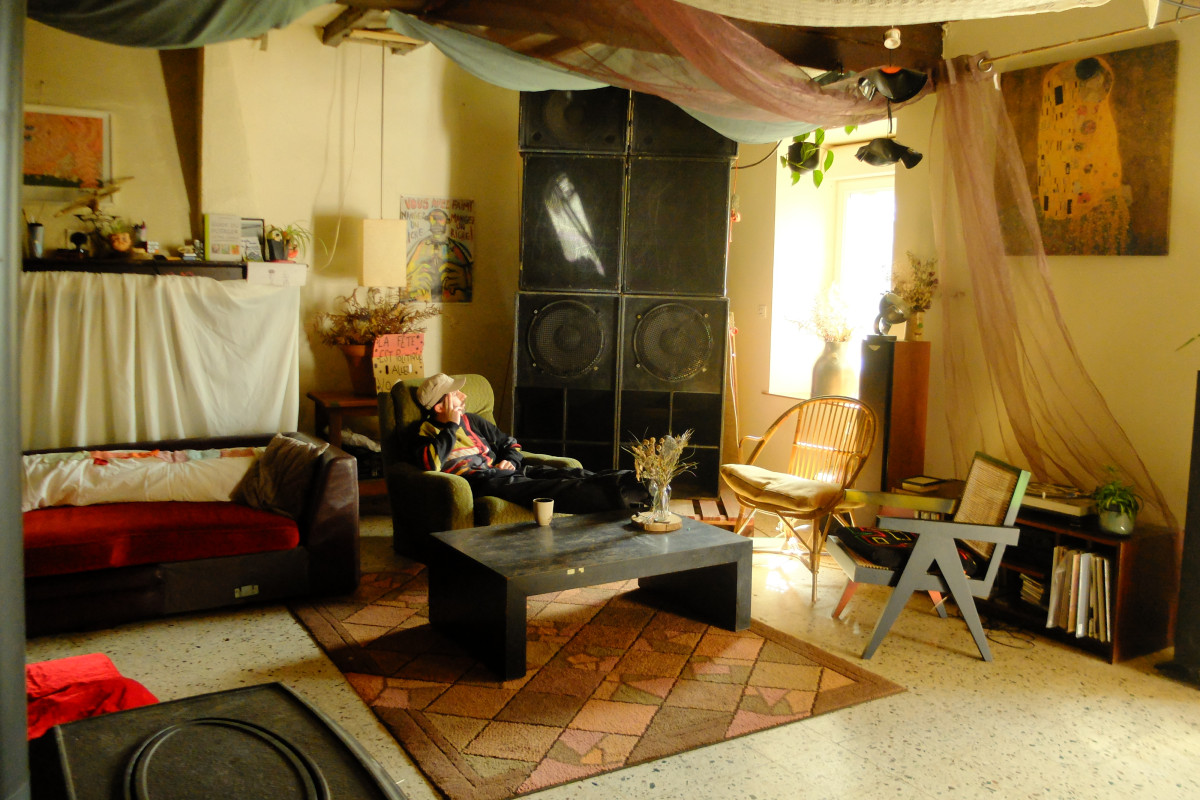
Ladies and gentlemen, we’re deep underground – indeed, all the way to France. This EP is the latest conceptual release from French electronic producer Romain Martin, who works under the name RÖM in the borderland between ambient and techno. Whispering Dub unfolds across five tracks, drawing heavily on dub while telling a story about an escape from a fictional hotel. Escomel’s background in African percussion studies and his fondness for analog gear surface in the mysterious sonic textures and the stark contrast between arranged percussion and dubbed-out echoes, underscoring the concept’s tension between mysticism and reality.
»Oilbird« opens in dystopian ambient before sliding into the rhythmic »Eastern Temple«, which constantly shifts between filtered synths, frantic percussion, and sudden breakbeats. Things cohere more fully on the title track, which blends minimal techno into the mix and stands out by maintaining a steady pulse, while echo-laden drums cast an unsettling atmosphere within the dance framework. On the closing »Hotel Amnesia«, the narrator awakens again in a collage of the record’s electronic tendencies, questioning their own existence in the album’s only use of vocals.
Whispering Dub isn’t wildly groundbreaking or bizarre enough to push the senses into extreme reactions. But as a well-produced and effective piece of electronic music, it invites the listener into a compelling game of whispers.
English translation: Andreo Michaelo Mielczarek