»I can’t say what music is but I can say what music does: it is an experience, it travels through all my bodily senses, it brings energy (not only power but also tranquilizing and soothing, even peaceful energy); above all, it revives the memory of frozen moments, not unlike the scent of perfume, and yet it remains in the moment, the 'now' – in a recording a 'now' conserved from the past which we can relive whenever we press 'play' – and thus my playlist is a selection of moments related to person or event that was important to me.«
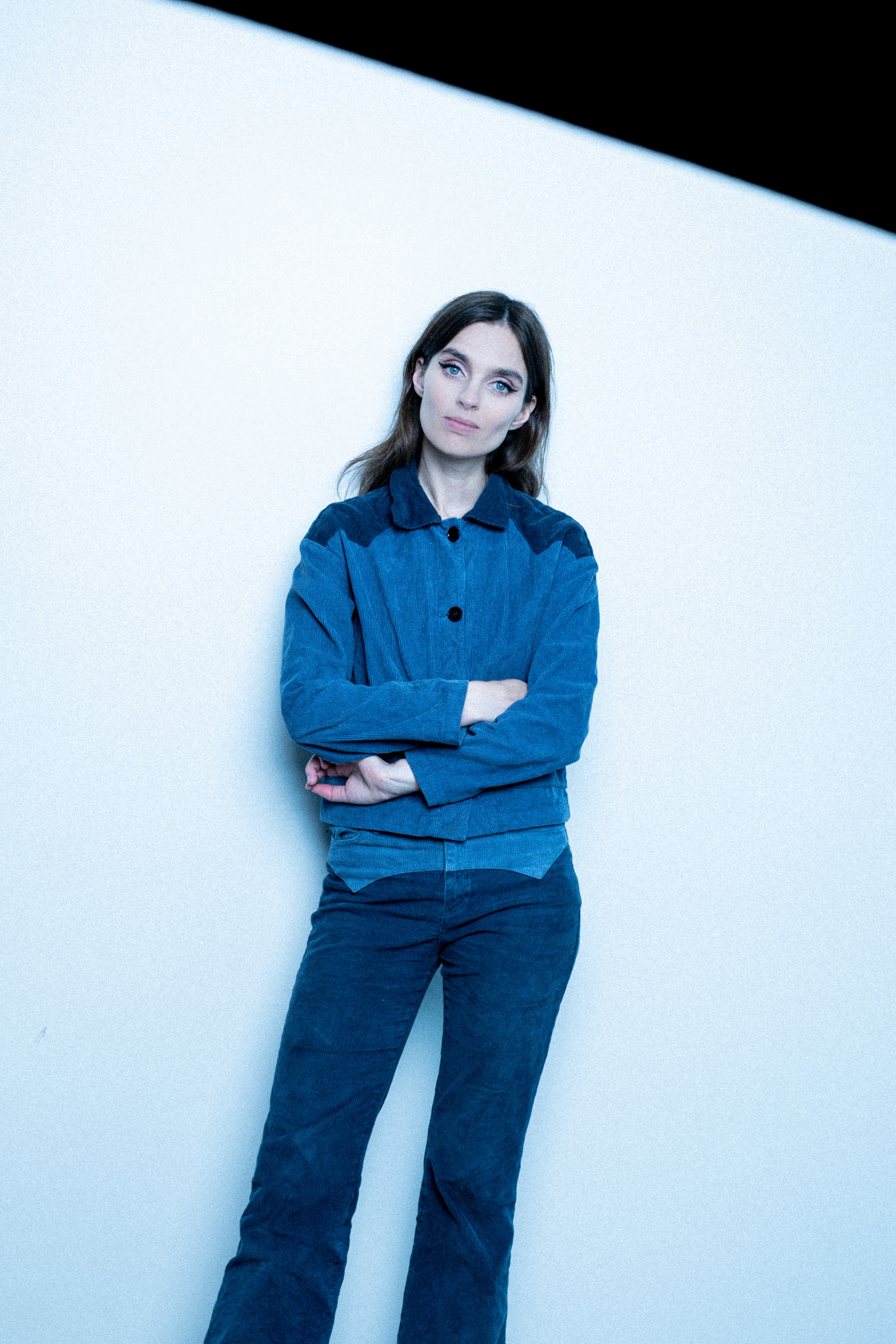
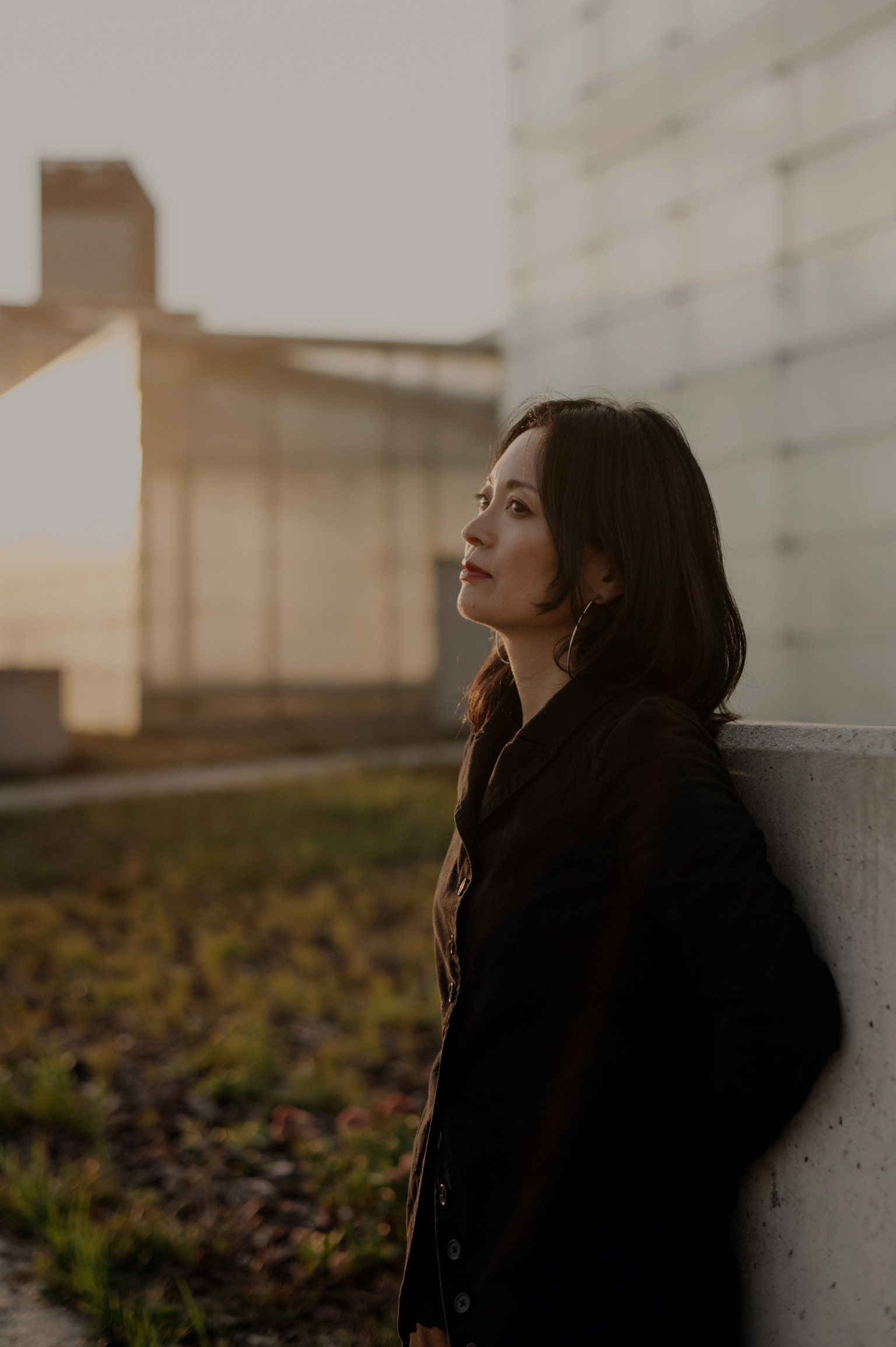
Rei Nakamura is a pianist specialized in contemporary music. Her career has a wide range as solo pianist, ensemble player, improviser as well as writer. Through her on-going project Movement to Sound, Sound to Movement for piano and multimedia, she has worked in close collaboration with composers as Annesley Black, Malin Bång, Christian Winther Christensen and Simon Steen-Andersen. Her observations and theoretical approaches are expressed in published texts in Neue Zeitschrift für Musik thematizing parallels in music, art and performance. 2021 she published the book Movement to sound, sound to Movement – Interpreting Multimedia Piano Compositions by Wolke Edition. As a Soloist she has premiered piano concertos with orchestras such as the SWR Symphonieorchester, WDR Synfonieorchester, RSO Berlin, Polish Nation Radio Symphony Orchestra and RAI National Radio Symphony Orchestra with conductor as Brad Lubman, Robert Treviño, Yaroslav Shemet, Michael Wendeberg and Bas Wiegers. She performed in Warsaw Philharmonic (Warsaw) and Arturo Toscanini Hall (Turin) and music festivals such as Eclat Festival Stuttgart, Ultraschall Berlin, Festival Acht Brücken Colon, MITO Festival (Turin), Warsaw Autumn (Poland) , Sound of Stockholm (Sweden), Monday Evening Concerts (USA). She was was born in Japan, grew up in Brazil and is based in Germany.