In brieflive
24.05

The Electronic Altar

 Fascia, Soli City, Nagaver
© PR
© PR

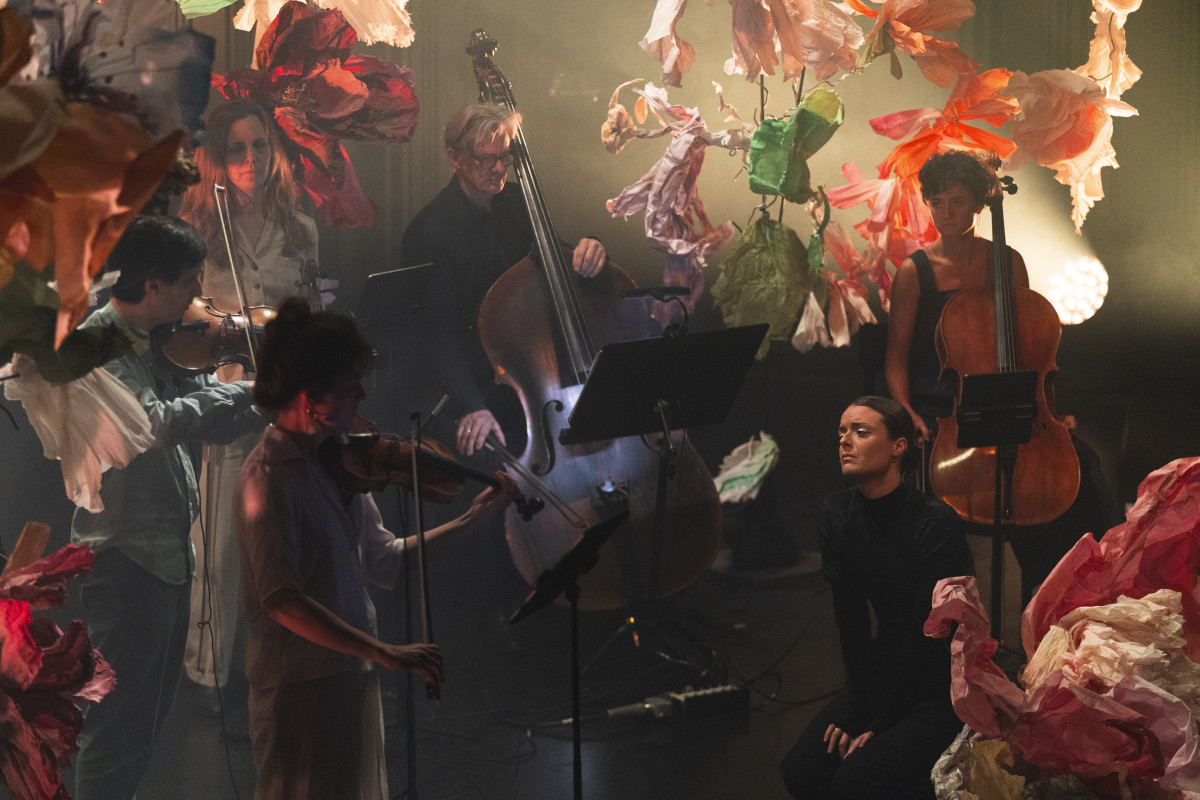
The table is a practical prop at most electronic music concerts. It has almost become a symbol of how electronic music is denied the same expressive, physical gestural language as acoustic music. This rigid symbolism was thankfully broken when the concert network Up Node hosted a showcase evening at Alice, featuring three emerging experimental electronic artists from Norway, Sweden, and Denmark.

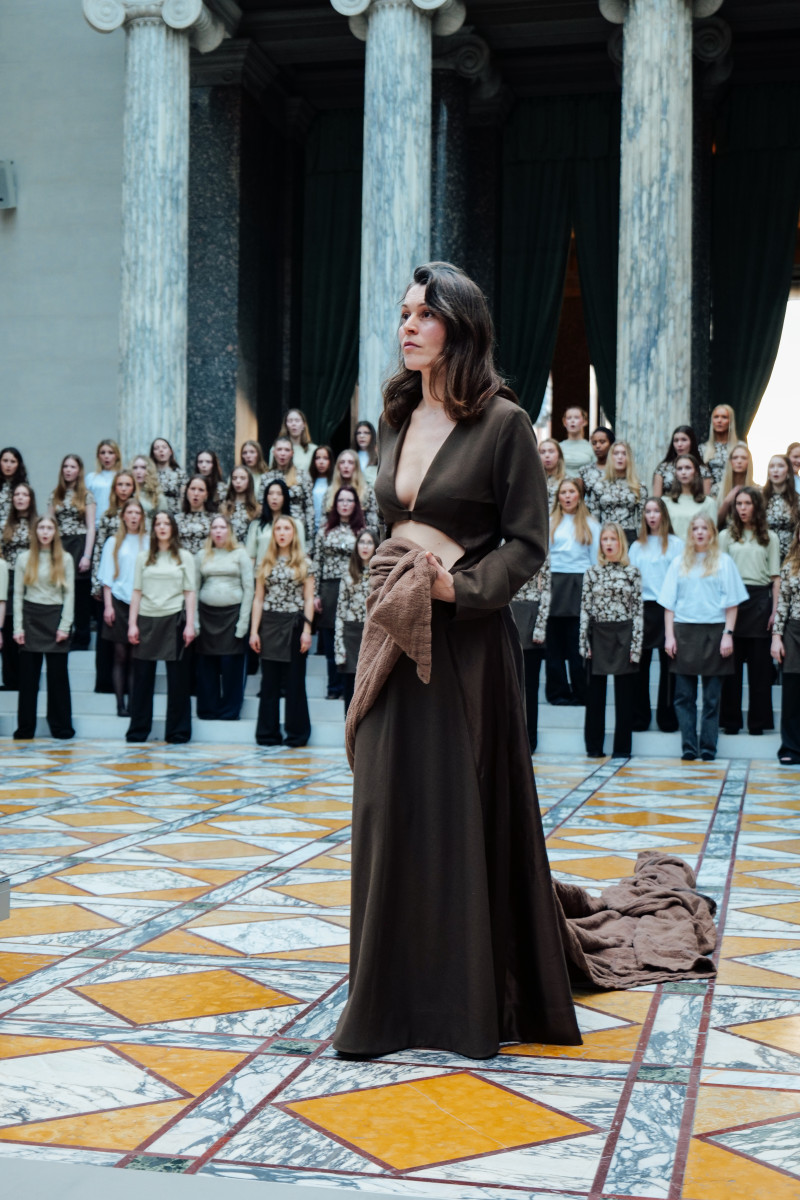
The MacBook stood enthroned like an altar as Swedish artist Fascia opened the evening, holding a blinking flashlight above her head – each flash triggering brutal bursts of noise. When she placed a webcam in her mouth and projected the table’s mysterious objects onto the screen behind her, the boundary between stage and audience dissolved through simple yet cunning technology.

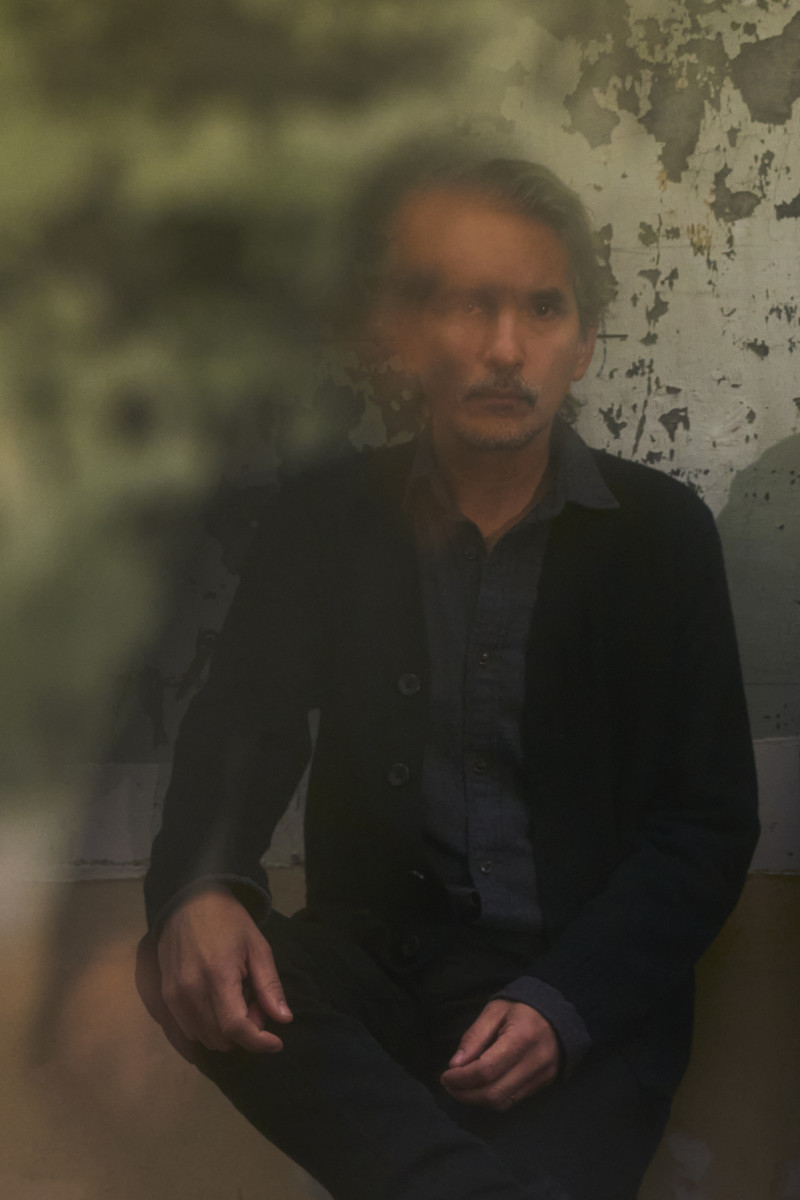
Next to his MIDI keyboard, Danish artist Soli City had his trademark moving-head lamp. Like a robotic head, the lamp lit up and rotated in sync with epic crescendos and computerized voices. Soli City’s music is built around field recordings and classical instrumentation – strings and piano – forming a universe that exposes the tension between human and technology. The animated lamp and dramatic light show took centre stage, while composer Harald Bjørn stood like a hidden puppeteer, gently guiding the futuristic narrative forward.

The table in front of Norwegian artist Nagaver had been laid flat on the stage floor, forming a low wall. Behind it knelt Ilavenil Vasuky Jayapalan, who unleashed hard-hitting, dark rhythms from a DJ mixer, enveloping Alice in a transcendent haze. The concert evolved from driving trance into a kind of karaoke performance, with Jayapalan singing over dusty tracks—and unfortunately the music felt more like a run-through than a fully realized concert.

Behind the table lie untapped potentials for auditory innovation, but practical constraints often limit performative expression. The concerts by Fascia and Soli City succeeded in breaking the boundary between mere execution and true performance, reminding us that not all music needs to be presented with the same gestures – and that sometimes all it takes is a webcam and a laser lamp to make that clear.

© Hreinn Gudlaugsson

»Music for me is like a sourdough. If you don't feed it right it is going to die. If you feed it correctly a lot of people can benefit from it.« 

Halym Kim is a drummer, composer and project coordinator based in Copenhagen. His music is mainly based in free improvisation and experimental music but performs also as a traditional Korean percussionist. He has a Master and an Advanced Postgraduate Diploma in Music Performance from RMC in Copenhagen. Together with Nana Pi he organizes Impro Camp which is a music camp for free and structured improvised music that is happening every year in Fredericia, Denmark.

© DMF

»Music for me is a tool of infinite expression. It’s where I’ve had the most complex conversations and open-minded experiences. It is the highest form of energy I know.«

Nana Pi is a saxophonist, composer and conductor working within the experimental music scene. She has developed a unique musical vocabulary on the saxophone by incorporating objects and extended techniques, pushing the boundaries of sonic expression. Beyond her work as a saxophonist, she is known for conducting improvisation using her music sign language, Extemporize, for which she received the P8 Jazz Award Årets Ildsjæl in 2020. She is a member of the well established record label Barefoot Records. In addition to her musical career, Nana Pi is organizing events such as Impro Camp and FredagsJAM that focuses on creating networks and inspiring music environments between musicians.

© PR

»For me, music is an emotional refuge. When I sit at the piano I feel safe, it's where I can release everything I carry inside. It's not about performing, it's about being honest, vulnerable and free.«

Samanta Yubero, known artistically as Samyula, is a composer, pianist, and neuroscientist based in Barcelona. Trained as a classical pianist and holding a PhD in her scientific field, Samyula bridges the worlds of art and science in her work. Her music – often within neoclassicism – blends both serene and intense piano melodies with vivid, dynamic string arrangements, creating emotionally resonant and immersive soundscapes. With a deep passion for both composition and performance, Samyula offers audiences a uniquely powerful and moving experience.

© PR

»Music is the ultimate gateway to presence, a true expression of the moment.«

Praised by DownBeat Magazine as one of Europe’s most versatile and inquisitive musicians, Polish-born, Scandinavian-based trumpeter and composer Tomasz Dąbrowski creates music that whispers before it screams – blending open, lyrical melodies with raw, unconventional trumpet sounds. Dąbrowski has revealed an unceasing curiosity, stretching and expanding his jazz roots in an ever-widening circle of exploration. From the beginning he’s rejected hierarchies, preferring to see creative music as a boundless practice that can accommodate ideas drawn from every spot on the stylistic map. While plenty of musicians pivot toward new directions, sometimes transforming their aesthetic wholesale, Dąbrowski has long revealed a more ruminative and holistic mindset that has allowed him to retain a clear artistic identity through countless projects, whether driven by improvisation or composition. 

© Malthe Ivarsson

»Music is where my heart is. The place where I feel the most freedom and possibility to express myself. It's also the place I seek to when I need to calm down.«

Anna Roemer is a Danish guitarist and composer from South Zealand, now based in Copenhagen. She has performed with artists like Hannah Schneider, Jacob Bellens, and Guldimund. Together with saxophonist Cecilie Strange, she forms the acclaimed duo K A L E II D O, known for music that constantly evolves. The duo has received national and international praise and won the Carl Prize for »Jazz Composer of the Year« for their albums Elements and Places (2024).