in brieflive
29.09

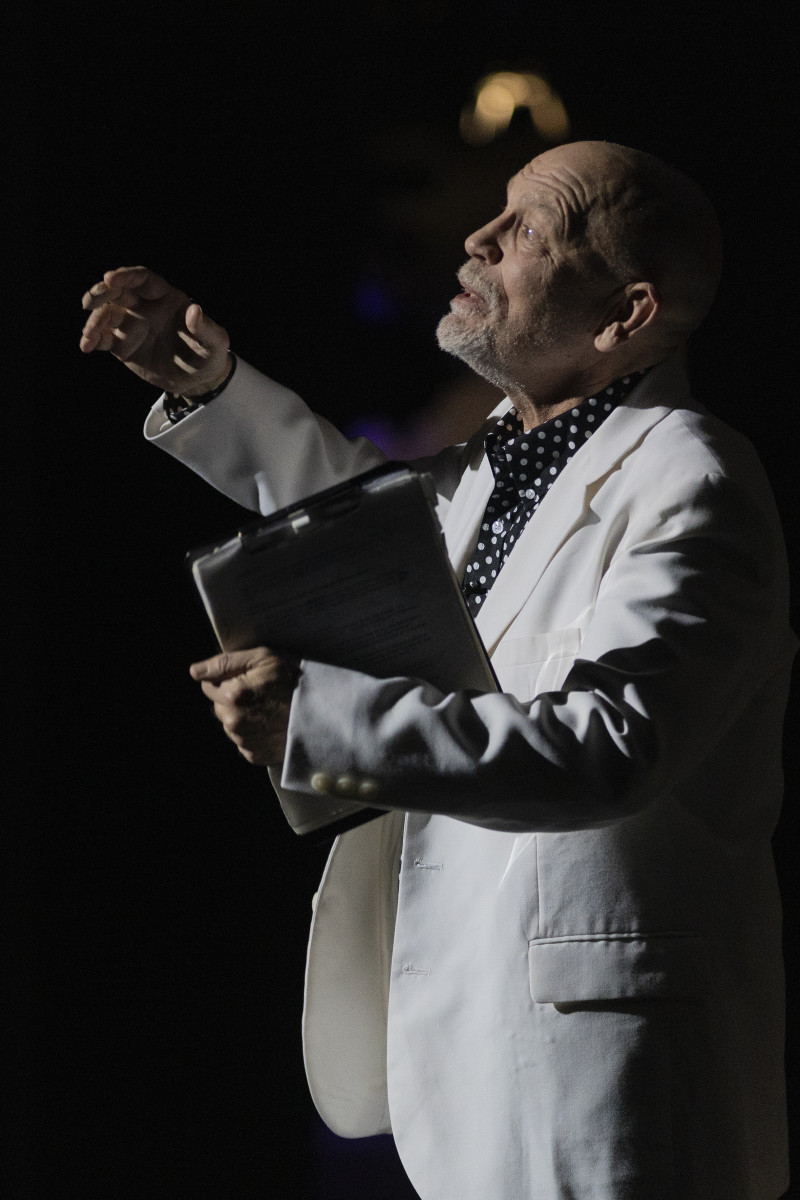
If John Malkovich Could Sing, It Would be Devilish Singing

John Malkovich, Michael Sturminger, Marie Arnet, Theodora Raftis, Martin Haselböck, Orchester Wiener Akademie: »The Infernal Comedy: Confessions of a Serial Killer« 
© Anders Hede/Musikhuset

»Please, conductor play and give me some fucking peace«. The mass murderer – and now a writer, as he became one in prison – Jack Unterweger (John Malkovich) demands more »old fashioned music« as he talks about his barbaric actions in the forests of Vienna. We are at Unterweger's book reception. The baroque orchestra Orchester Wiener Akademie sits on stage as witnesses, while Malkovich strangles sopranos Marie Arnet and Theodora Raftis with their underwear to arias by Mozart, Vivaldi and Haydn. Yes, opera is often about men hitting on women.

»I don't usually like this kind of music, it makes me nervous«. Yes, of course, because the baroque music played on period instruments is not just lame background music, but an active narrator which »disrupts« the sales pitch of a monologue, and the repulsive truth that Malkovich wants to share with us – the murder of nine prostitutes. He would rather be a murderer than nothing, he says. But the two singers also make him roll on the ground like a child; he gasps, becomes uncomfortable in his white suit. These moments elevate The Infernal Comedy to more than a clever concept (well-known actor, ok well-known orchestra, authentic murder story). The women gain a glimmer of dignity, while Malkovich's Unterweger loses it. Now what is he without Dandy sunglasses?

The Infernal Comedy was created for Malkovich in 2008, his joker face, his swaying, yes über musical voice. We want to buy his books because evil sells. As a super simple chamber music piece it works. If Malkovich suddenly announced that he now wanted to sing opera, we would also buy a ticket. But how would this story of misogyny sound with the baroque music of 2024?

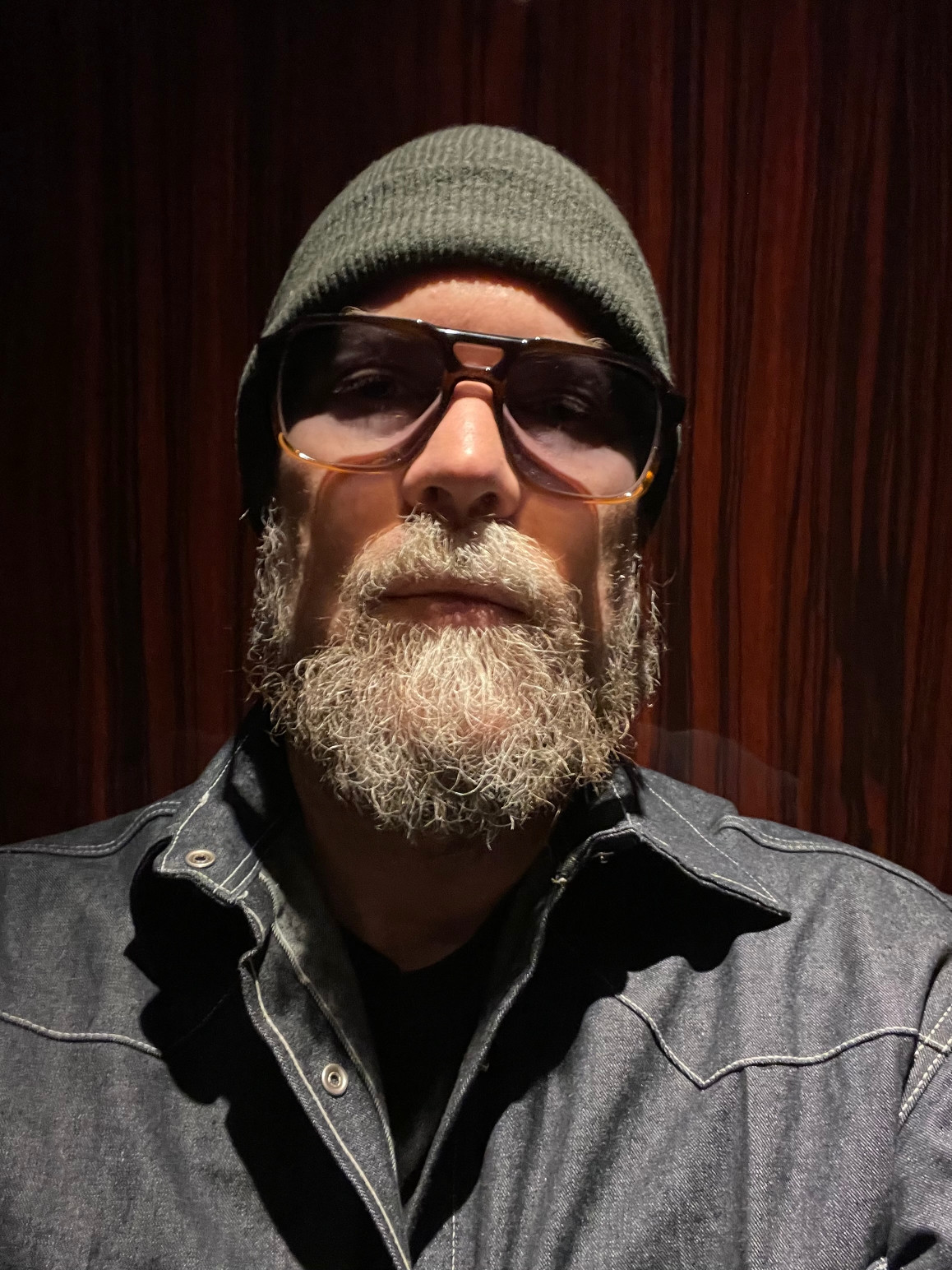
© PR

»Music has been a healing balm for me.«

John William Grant is an American singer, musician, and songwriter holding both American and Icelandic citizenship. He first came to prominence as a co-founder, lead vocalist, pianist, and primary songwriter of the alternative rock band The Czars. After releasing six albums between 1994 and 2006, the band disbanded, and Grant withdrew from music for four years before embarking on a solo career.

He returned in April 2010 with a critically acclaimed debut album recorded in collaboration with Midlake. Queen of Denmark was named Album of the Year 2010 by Mojo magazine and was also selected as one of the ten best albums of 2010 by The Guardian’s music critics and writers.
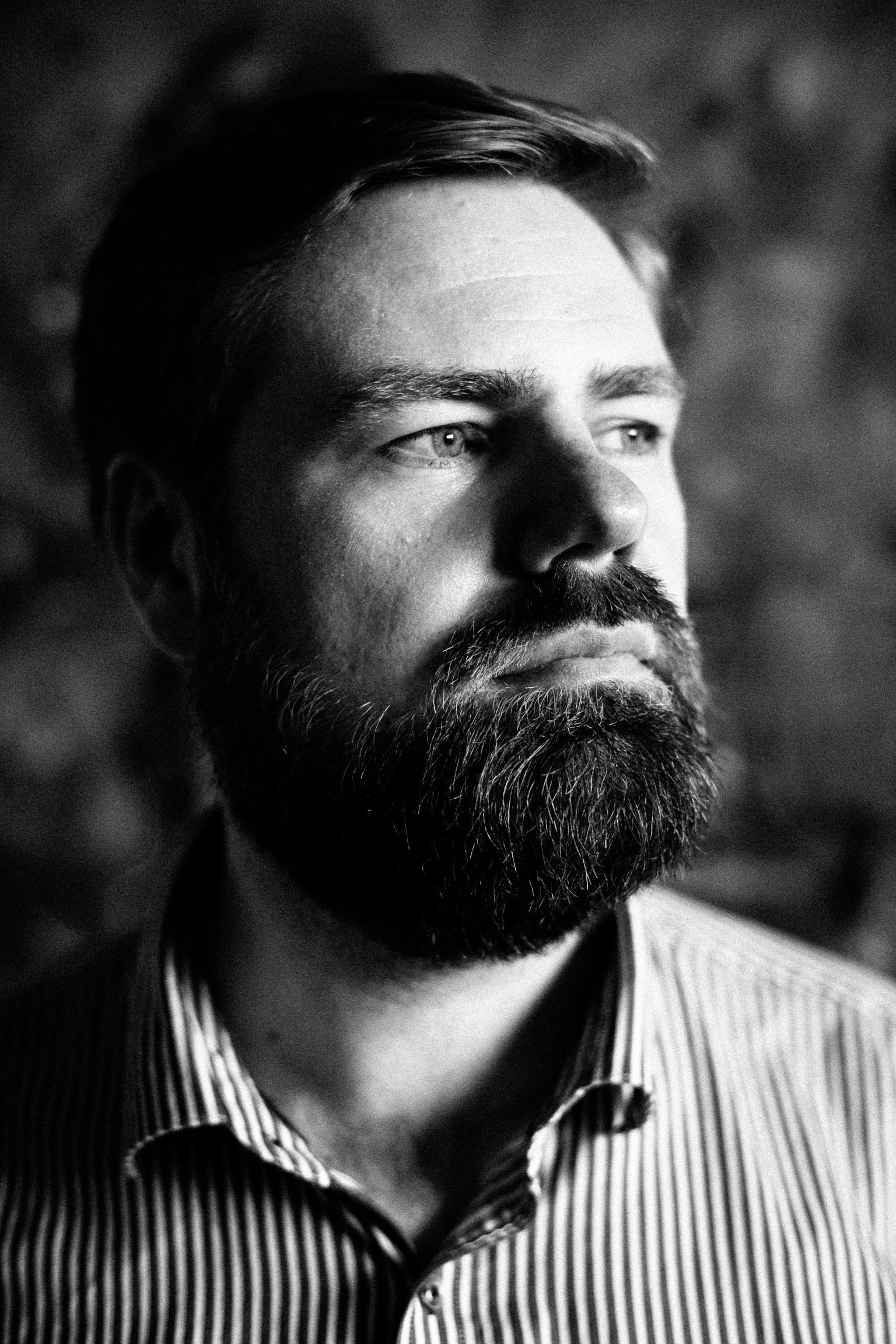
© Malthe Folke Ivarsson

»In his music, composer Allan Gravgaard Madsen tries to create a better version of himself.« 

Allan Gravgaard Madsen is a Danish composer based in Copenhagen. His most recent works include Träume nicht and Nachtmusik. He tries to create a better version of himself in his music – where his personality tends to be restless, chatty and has an active inner life, his music is controlled, simple and merciless in its expression. He is the recipient of the Carl Nielsen & Anne Marie Carl-Nielsens Hæderspris 2022.

in briefrelease
23.01.2022

Finnish Space Travel

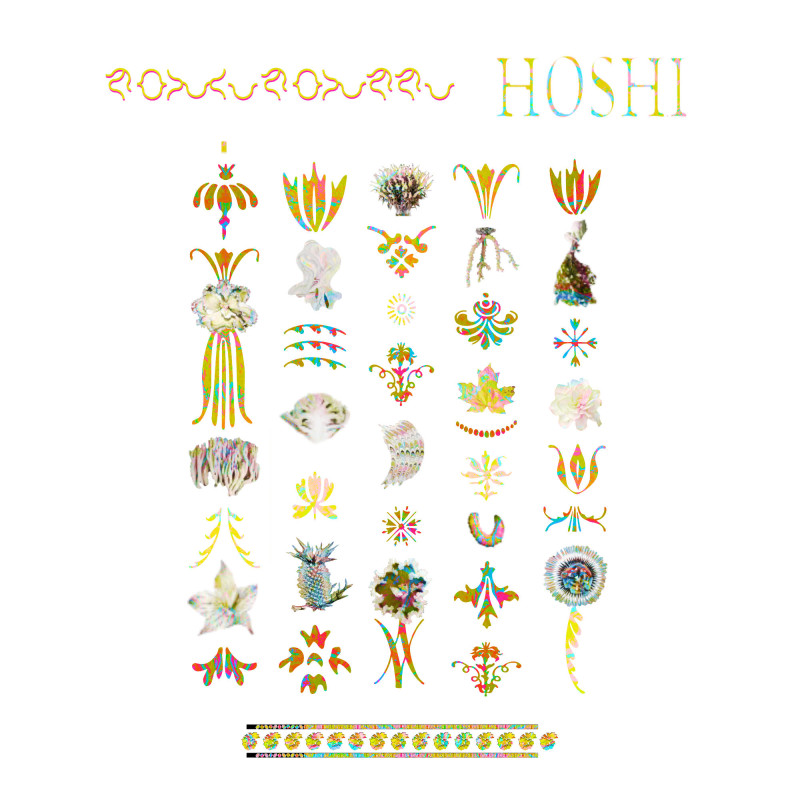
Tomutonttu: »Hoshi«
© Tomutonttu: »Hoshi«

The Finnish multimedia artist Jan Anderzén has, with the album Hoshi, released under the solo moniker Tomutonttu, created a true little star. Not only because »hoshi« literally means »star« in Japanese, but above all due to the music itself. There is something cosmic, yet infinitely minute, about the sonic worlds Anderzén conjures—like a galaxy reflected in a puddle, or a space journey in a rocket carved from a hollow tree trunk. Synths emit busy, warm blips and bloops, while ultra-short vocal and instrumental samples create a recognizable blur. At once artificial and organic – soft, rounded, jagged, crackling.

Anderzén approaches sound with a playfulness I simply adore. His music is strange in an incredibly comforting way. It places me in a kind of colorful, trance-like state, only interrupted when, several times over the course of the album, I find myself smiling in delight at a particularly great sound. The synths on »Katse osuu sähköön!« The choral samples on »Kesä oli äkkiä ohi!« Milo Linnovaara’s flute on »Malta lausua ‘AH’!« And many more. Hoshi is an album packed with microscopic moments that together form a frayed, exploding, radiant, idiosyncratic whole—a stellar moment of just under 38 minutes.