





An Instrument Between Two Worlds
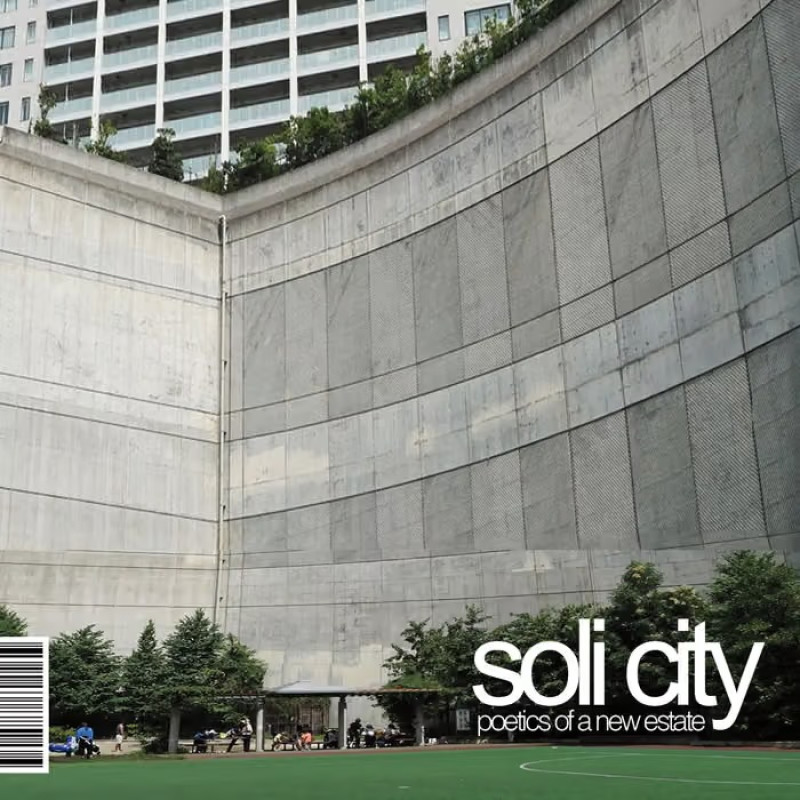

With Soli City, the boundary between the organic and the synthetic is almost impossible to discern. What first appears to be an ordinary piano suddenly slips into a dizzying glissando. Soli City resembles a cyborg – half cello, half computer – fusing strings and voices into a seamless digital synthesis. The result is a science-fiction dream interrupted by surreal monologues and abruptly punctuated by the shrill click of a camera shutter.
That percussive camera-flash motif runs throughout both PARADOXE (2024) and the new album Poetics of a New Estate. Here, Harald Bjørn, the composer behind Soli City, further develops the sonic language introduced on its predecessor. Whereas PARADOXE staged the encounter between acoustic and digital sounds as an explicit confrontation, the two worlds now feel far more deeply integrated. Even the album's abrupt shifts seem entirely natural, as on »Rooms & Walls«, where a slurred vocoder and delicate string textures give way to an insistent drum groove.
Soli City's music embodies a distinctive form of self-reflection. As acoustic sounds bend, fracture and are interrupted by those recurring electronic flashes, we are reminded of Bjørn's remarkable ability to compose genuinely innovative music. Just as the most visionary science fiction remains rooted in the realities of its own time, every musical breakthrough carries echoes of the past. Soli City embraces these nostalgic resonances only to twist them into unfamiliar shapes.
With deceptively simple means, Poetics of a New Estate dissolves the boundary between nostalgia and contemporaneity. Like a true cyborg, Soli City reveals the divide between the digital and the acoustic to be less a fundamental opposition than an oddly arbitrary construction.