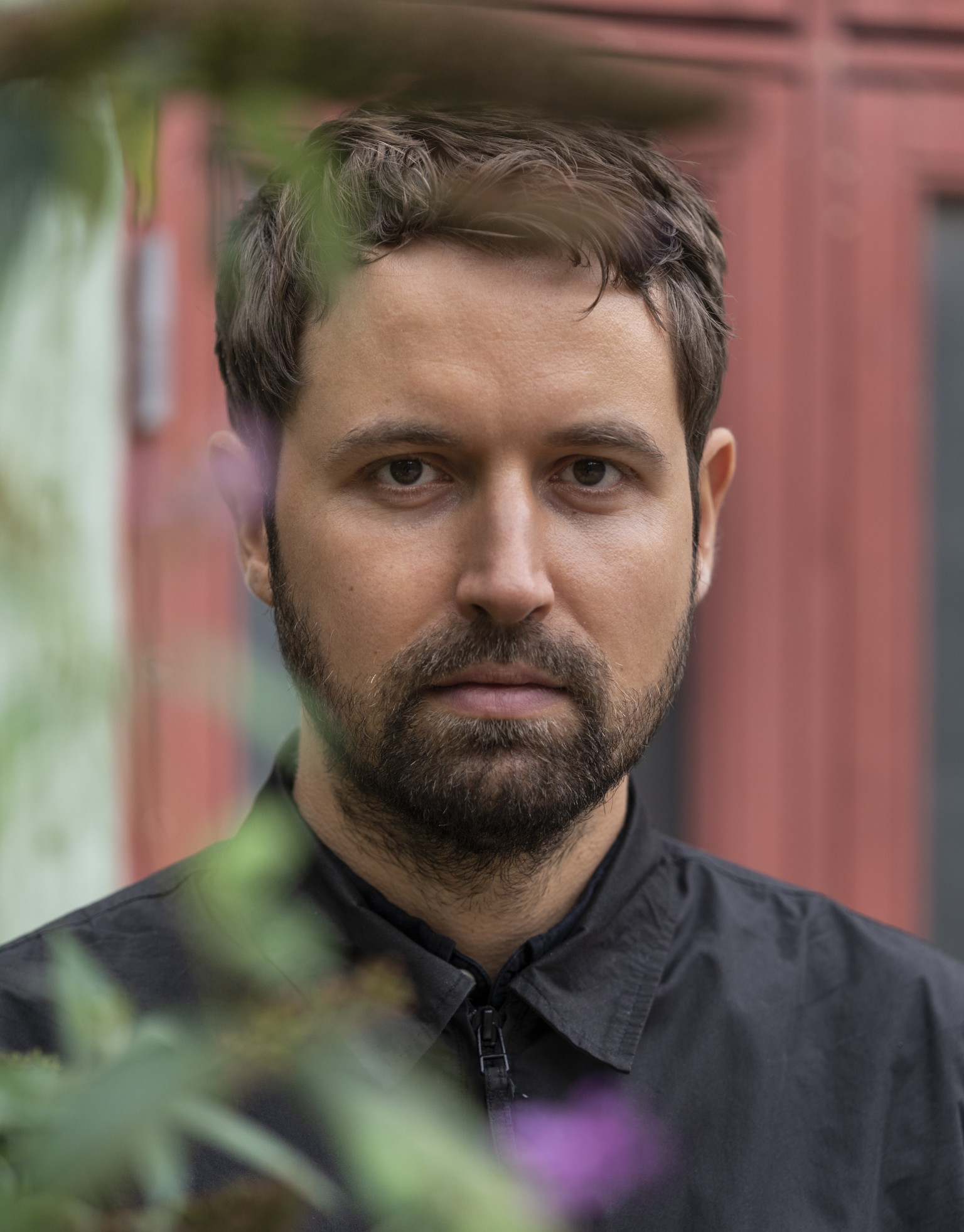
Mads Emil Dreyer
»Music to me is – having spent a lot of time listening, composing, and thinking about it – still, essentially, a mystery.«
Mads Emil Dreyer is a Danish composer working within the field of electroacoustic music.







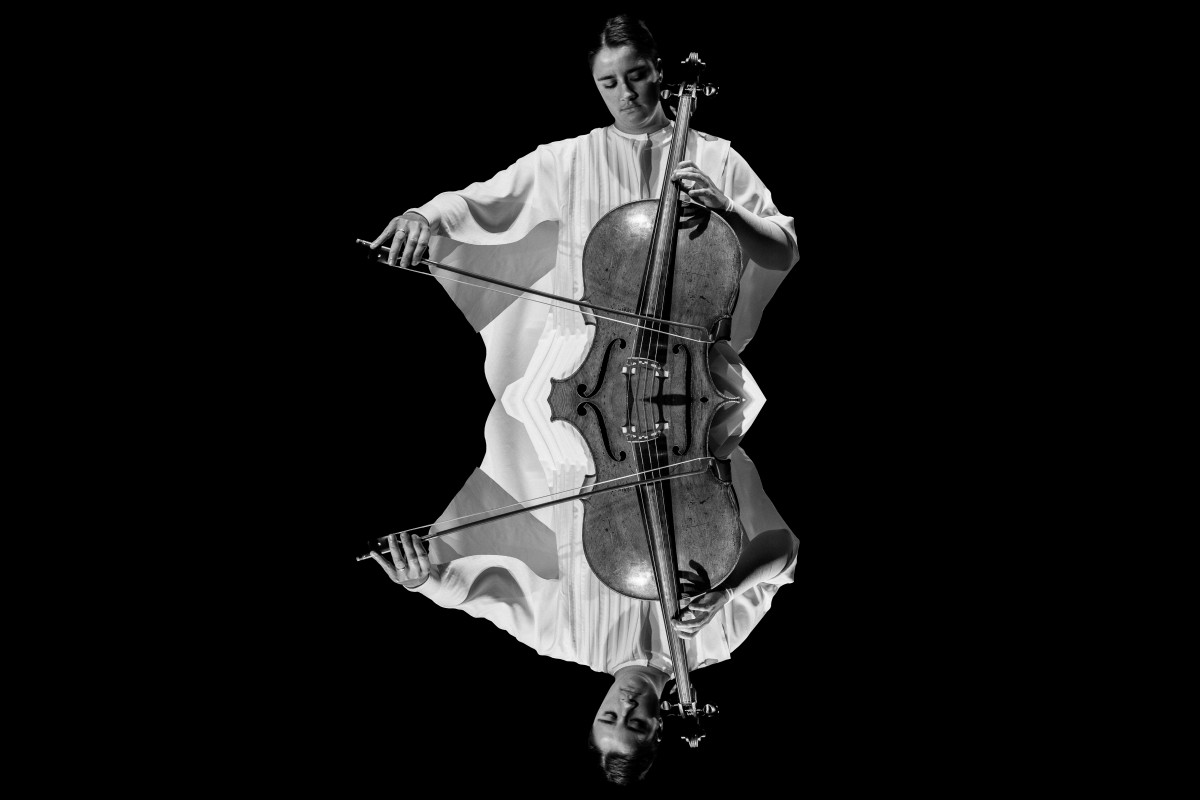
Veroníque Vaka’s ongoing project to pin some of earth’s most momentous geological processes down in notated music is proving beguiling. The latest fruit was premiered on Saturday at Nordatlantens Brygge. Eyland (»Island«) was inspired by the formation of the island of Surtsey, which appeared 33km of Iceland’s coast on 14 November 1963 following a volcanic eruption.
Much of the Canadian-Icelandic composer’s work charts decline; its musical movement tracing harvested data around ecological destruction and decay. Eyland is about creation, and Vaka seemed to revel in the wonder and grandeur of it. The 15-strong Athelas Sinfonietta sounded with the sweep of a symphony orchestra under Bjarni Frímann and Jónas Ásgeir Ásgeirsson’s solo accordion like the emergent island itself, edging up from the spray with magnificent, slow force.
Some of the other five pieces in this concert focusing on music of the North Atlantic could feel like a ritualistic preparation for Vaka’s – a testament to the composers’ focus more than their lack of weight. Around the clear long lines of Eli Tausen a Láva’s Álvan are distinctive North Atlantic sparkle and harmonic depth; Daníel Bjarnason’s Skelja is a miniature sonic romance between harp and percussion and Friðrik Margrétar-Guðmundsson's Fikta a smudged chorale, played with shamanistic intensity by Ásgeirsson. Anna Thorvaldsdottir’s Entropic Arrows focused the mind with its threading of long string tendrils from out of frantic wind and percussion action.
The other premiere was Aya Yoshida’s Song of the Voice – a non-vocal echo of the Faroese song tradition for cello and ensemble in which, at one point, you hear a chain-dance ratcheting round. The work is not without some imagination and effectiveness, but it was made to sound incoherent and unfocused by what surrounded it here.

The first time I heard the title of this opera, I was reminded of Franz Kafka’s grotesque short story In the Penal Colony (1914–19), in which a prisoner is sentenced to have his punishment – a moral admonition – engraved into his skin, after which he is meant to feel what it says. In Written on Skin, which premiered in 2012 and has quickly become something of a modern classic in opera houses around the world, the writing on the skin is instead the caress of a young illustrator, who in reality (!) is an angel. The story is set in the 13th century and appeared in Boccaccio’s collective narrative The Decameron in the following century, but it could just as well take place in a dystopian future.
In a land ravaged by war, violence, and terror, the illustrator is hired to create a book for a tyrannical and ultra-violent lord who, among other things, regards his wife’s body as his own private property. The illustrator/angel, however, enters into a passionate relationship with this wife, and all hell breaks loose. Naturally, they both die, and the lord is left alone with his bitter, useless victory, while the angel is resurrected and thus becomes the true victor – and perhaps a queer figure, as the voice type (countertenor) might suggest.
The Royal Danish Theatre’s production is highly convincing. Benjamin’s music roars and crashes, yet is at the same time curiously hushed in its markedly economical use of means. It is as hard as steel forks magically bent again and again, while the often very powerful volume inscribes itself onto the skin of the eardrums in silken script.
English translation: Andreo Michaelo Mielczarek
»Music to me is – having spent a lot of time listening, composing, and thinking about it – still, essentially, a mystery.«
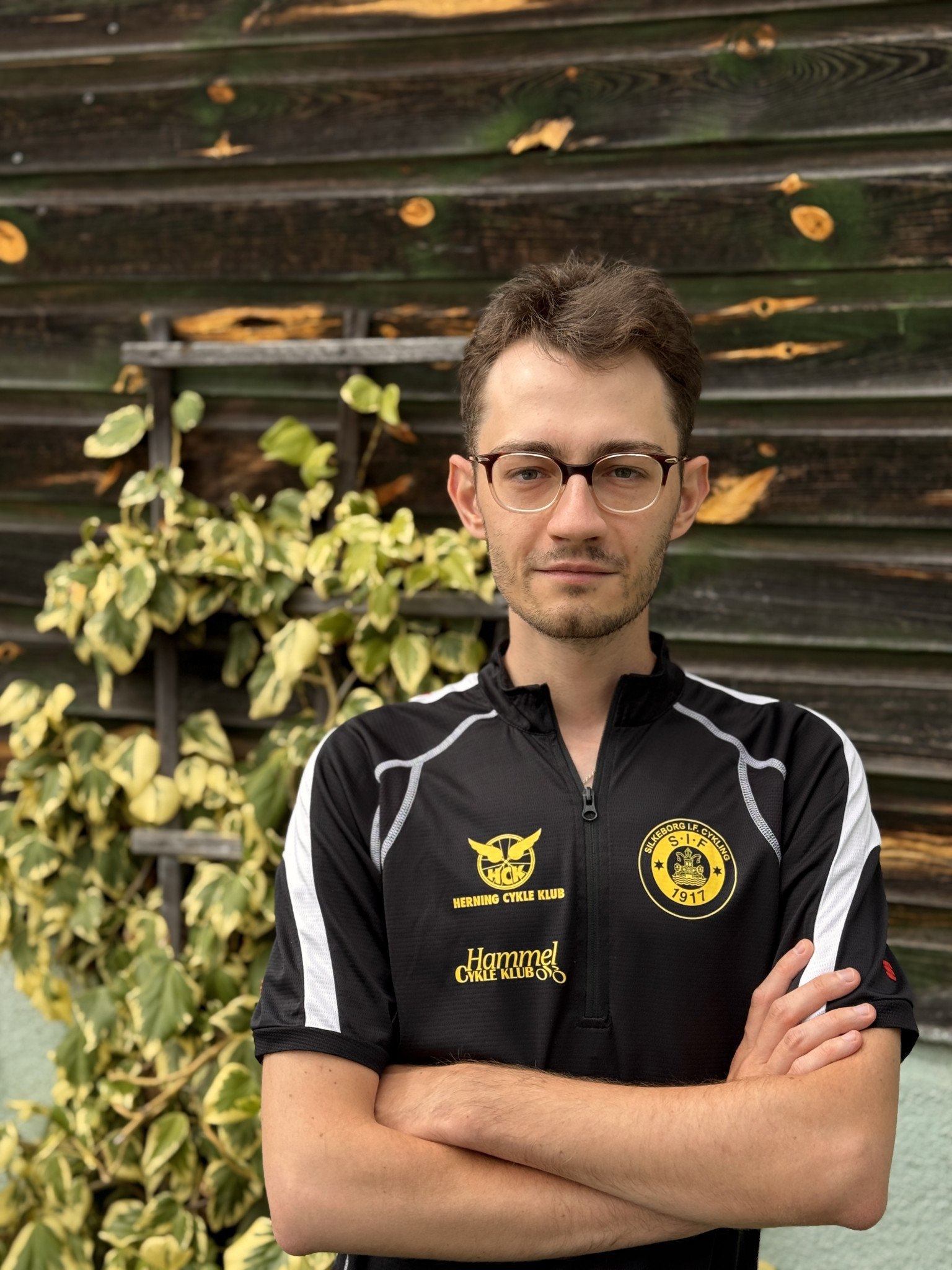
»Music for me is a universal tool for opening myself for feelings. It may be anger. It may be happiness or sadness. Music may make you wanna dance or cry. But it never leaves you indifferent to the emotional load it brings. Good music, at least. Music may tell stories. It may as well be a background, or a soundtrack for the moment, for the day, for life. That being said, music for me is a company for everyday. And I’m quite lucky that it’s my company at work as well, I guess.«
Jan Janczy is a Polish journalist and radio host at Radio Nowy Świat. His main fields of professional interest are Northern Europe, international affairs and music. He interviewed among others 3x Grammy Awards winner Fantastic Negrito, Röyksopp, Alabaster DePlume, Archive, Trentemøller and Mogwai. In 2024 together with JazzDanmark, Kultur(a) and Radio Nowy Świat he released a podcast series devoted to the history of Polish-Danish jazz connections. He is a Swedish philologist by education.
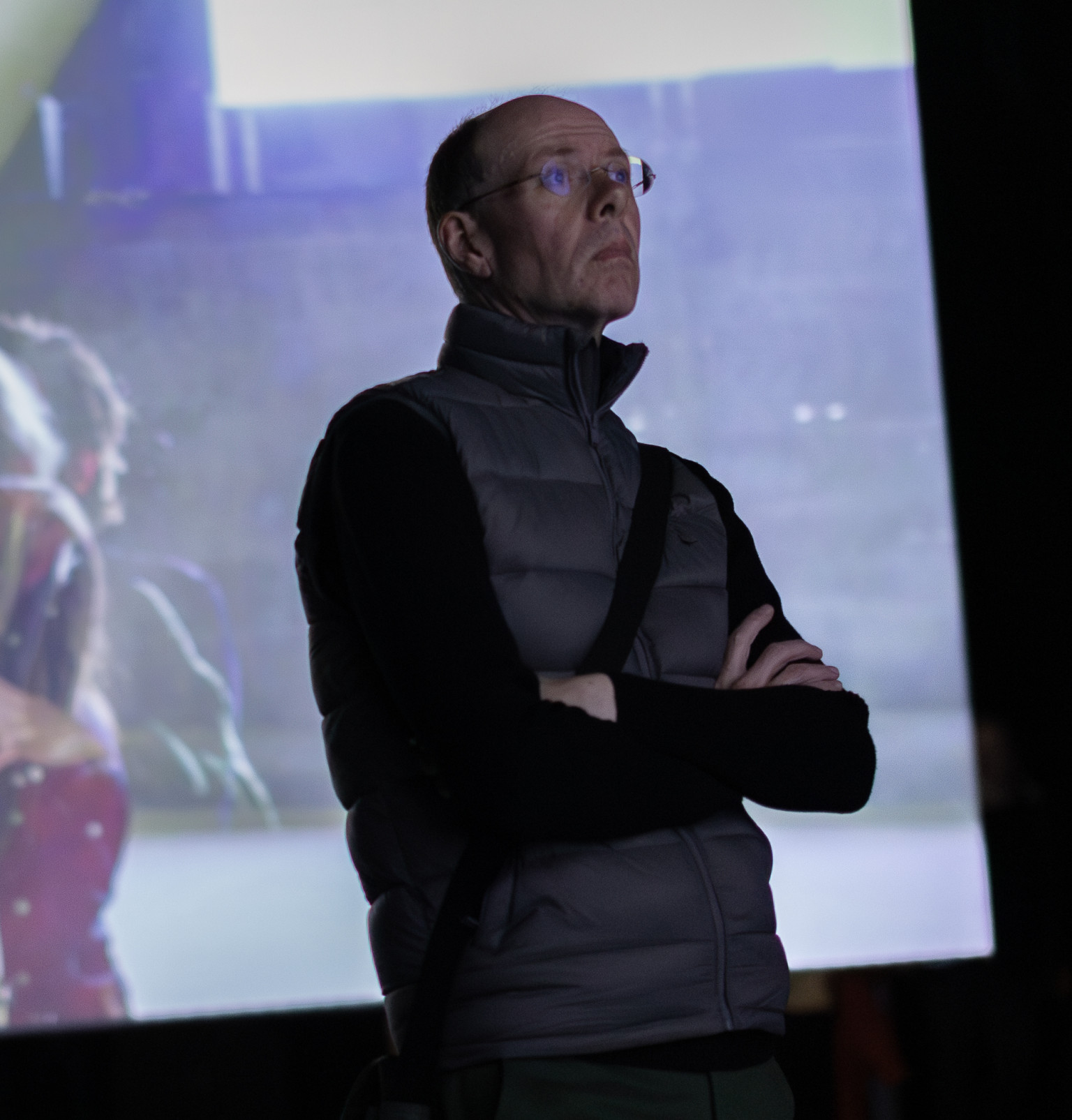
»Music is inseparable from listening: a close, attentive act. It’s not about beauty, truth or even intelligibility, but connection. This intense, focused intimacy is where meaning and everything else begins.«
Simon Cummings is a composer, writer, and researcher based in England. His music centres on two areas, both of which blur abstract and emotional impulses. The first, explored in instrumental work, involves highly intricate algorithmic processes rooted in carefully-defined behaviours, in a bespoke approach that combines stochastic and intuitive methods to realise large-scale behavioural transformations. His electronic music typically begins with visual stimuli, used to sculpt time-frequency structures investigating the boundary between noise and pitch, reappraising what defines each and their boundaries. He is currently working on a song cycle for voice and electronics for Icelandic soprano Heiða Árnadóttir, to be premièred in 2026. His research is primarily long-form critical writing on contemporary music, published on his website 5:4, as well as in assorted online and print publications.

My experience of Coexistence, Søs Gunver Ryberg’s ten-minute work for orchestra and electronics, unfolds in two stages.
At first, I am stunned. By the natural ease with which she handles the symphonic material, turning the orchestra into a potent hybrid of acoustics and synthesis. Such bite in the sound, such a sandstorm of granular texture churning on behind the instruments.
Here, I think enthusiastically, the sonic potential of the twenty-first-century orchestra is realised. But then doubt sets in during the second stage. For does something essentially similar happen here as in Swedish composer Jesper Nordin’s hour-long Emerging from Currents and Waves (2018): a technological quantum leap in symphonic sound that nevertheless freezes compositionally into a stop-and-go between thunder and silence?
The supply of drama in Coexistence is almost vulgar: unstable Icelandic dark drones, harsh brass blasts, trembling strings, thunderous timpani, abrupt brakes like those in Hollywood action trailers – and much more besides. It is a heavenly chaos. The contrast: muted alarms of bowed metal, collected noise and extended tones, like a fragile iron framework still shuddering after the storm.
The two temperaments alternate, and it sounds phenomenal under Dalia Stasevska’s direction of the BBC Symphony Orchestra. The work’s core is catastrophe – collapse and aftermath – and seen in that light, the black-and-white extremes make sense. The music is brutal, relentless. But could it have been more: more in colour, beyond the duel? Perhaps. Judge for yourself – Coexistence is without doubt the most striking symphonic statement of the year.