© Bjørn Giesenbauer
© Bjørn Giesenbauer

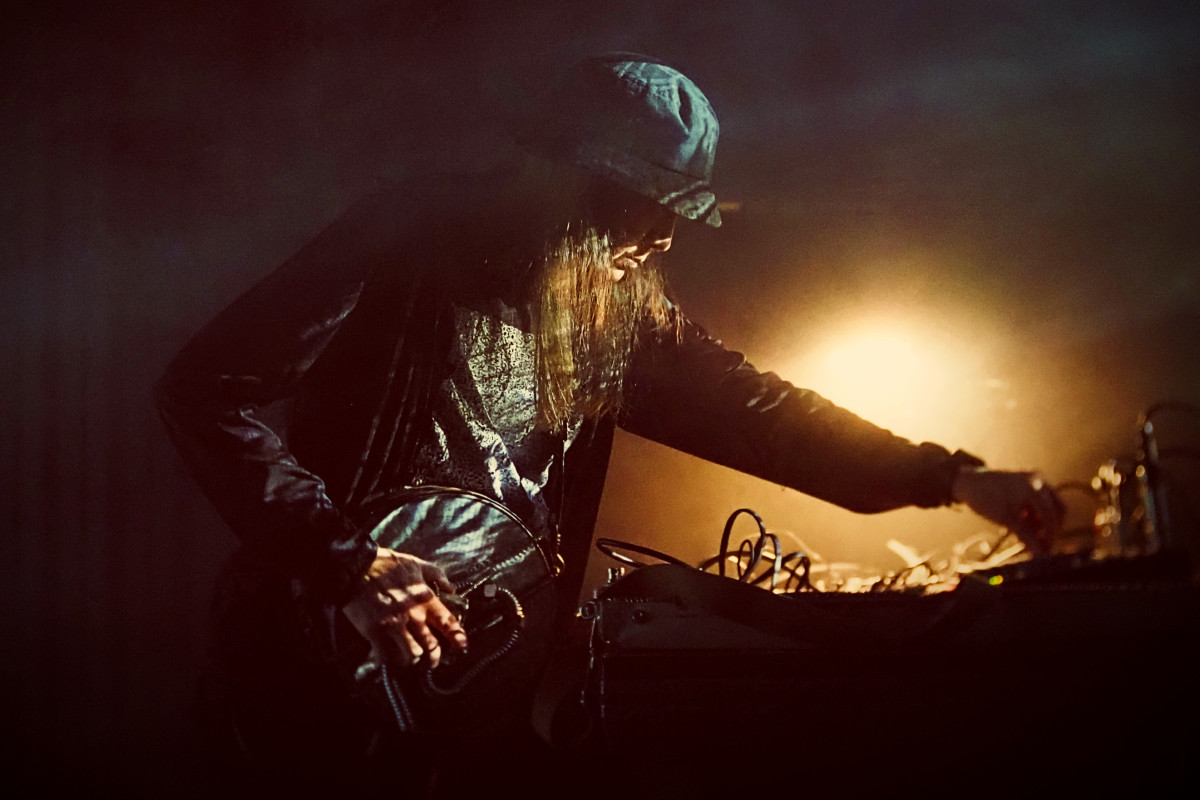
It is difficult to keep pace with Masami Akita. The 69-year-old Japanese noise artist, who since 1979 under the name Merzbow has helped shape the genre, released no fewer than a dozen albums in 2025 alone. On a rare mini-tour with stops in Helsinki, Stockholm and Aarhus, he showed that his energy remains intact. At Radar he gathered an audience that had travelled far to experience the godfather of noise – an artist who has consistently insisted on noise as a physical, almost tactile experience. Wearing a bucket hat, Akita constructed his trajectories with clear architectural precision. Layer upon layer of distortion and feedback took shape and struck like a brush of metal: hard, cutting, physical – uncompromising, yet at the same time remarkably nuanced.

Akita worked not only with electronics, but also with homemade metal instruments – first a banjo-shaped device, then a square musical saw – lending the sound a raw, tangible materiality. Everywhere, microscopic shifts in texture emerged, small fissures of tone within the massive pressure.

The opening set by frã (Francisco Moura) began the evening with a more fragile, yet persistent electronic texture, a precise counterpoint to Merzbow’s compact blocks of sound. Some might have wished for a gentler entry into the musical year 2026, but the concert underscored the ambitions Radar is currently pursuing.

English translation: Andreo Michaelo Mielczarek

© Carsten Seidel

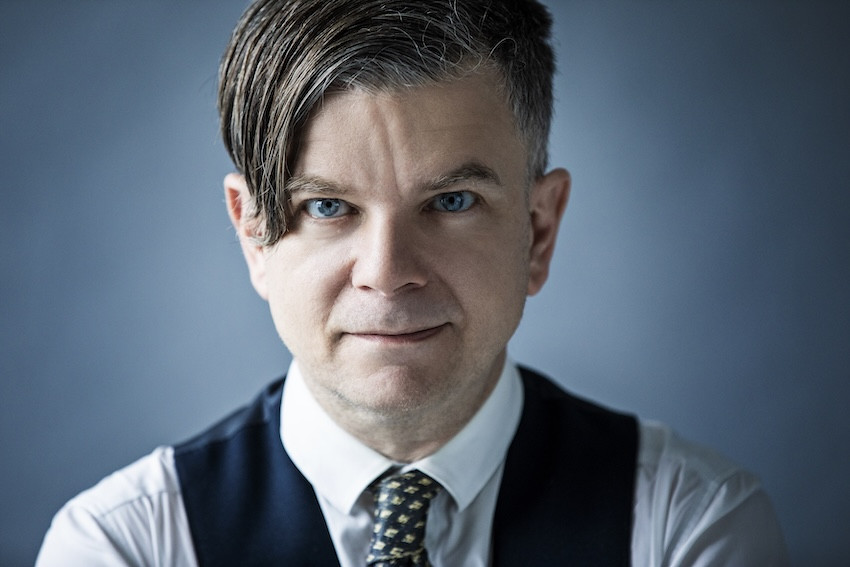
»Who ever said that music is ‘just’ music? To me, it is anything but that: an urge to understand and explain it all. A piece of jewelry I wear every single day. A joy that can, at times, run deep. An ever-changing imprint of millions of stitches in my heart. A longing to disappear.«

Henrik Marstal is a musician, author, and music researcher. He holds a PhD in musicology, is a senior lecturer at the Rhythmic Music Conservatory, and frequently appears in the media as an expert source on music. His areas of interest include contemporary music, such as electronic music. This winter, he will release both a new album with the pop group ibens and a book about Else Marie Pade, published by the British publishing house Bloomsbury.

© Linnea Syversen

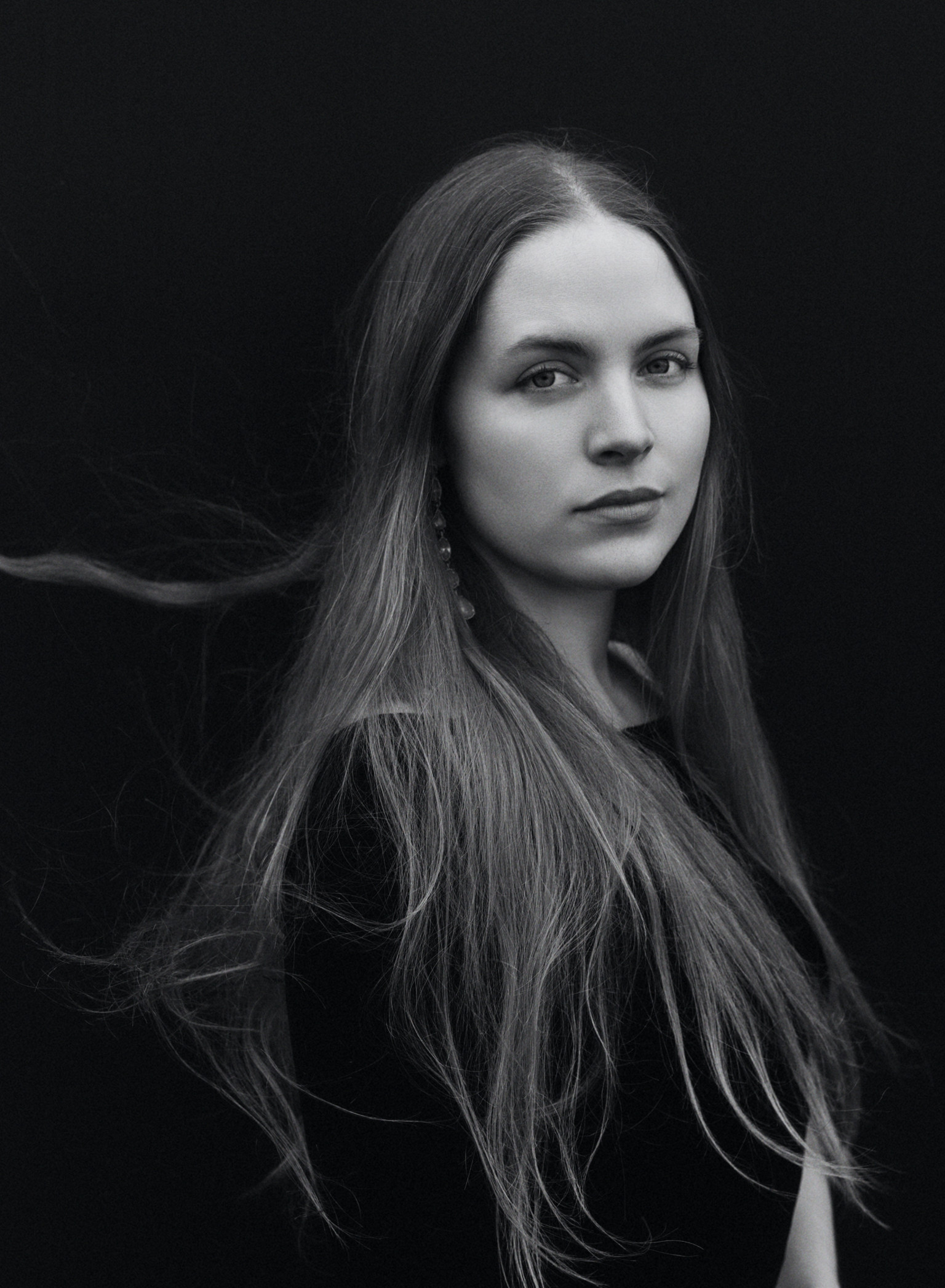
»Music, to me, reflects human experience and allows us to find ourselves on an entirely existential level, beyond language. It feels like a shared realm to which we all have access. Music may be the art form that requires the least intellectual processing (although it can certainly involve that, too!). Because it consists of sound unfolding over time, we must recreate its colours and emotions within ourselves. This can happen rapidly, as if we were possessed by a force from outside. Music contains many layers of codes to which we relate in both similar and different ways. Some of these codes, such as pulse, resonate with unconscious levels within us that date back to prehistoric times. Other layers, such as familiar musical references, speak to the modern, cultivated human being. This interplay makes music uniquely stimulating! In cultural policy discourse, art is often reduced to an instrument for something else (which it certainly is and can be, too). In doing so, we forget art’s intrinsic value.«

Solveig Sørbø is a composer, music producer and artist who creates classical music and alternative pop. She composed the music for the documentary Hans pluss Liv (NRK), and a piece from the film was later performed by KORK (the Norwegian Radio Orchestra). On the occasion of the 2026 solar eclipse, she composed an orchestral work connecting Dante’s metaphysics with the physics of celestial bodies.

Solveig has previously worked in academia on innovative projects such as MusicLab (the edition featuring DSQ was named Event of the Year by DR), as well as as a radio journalist and presenter for NRK and radiOrakel. With a methodological approach to art, Solveig seeks to create music that moves people.

Her critically acclaimed opera Heroin chic, with a libretto by award-winning author Maria Kjos Fonn, premiered at the Classix Festival in Romania in 2025 and received its Norwegian premiere at Parkteatret in Oslo in February 2026. Following this, Ballade dubbed her »Music’s Klæbo«. Solveig is currently working on an opera based on Ibsen’s The Wild Duck, among other projects, and preparing a concert with the band Naturhistorisk.


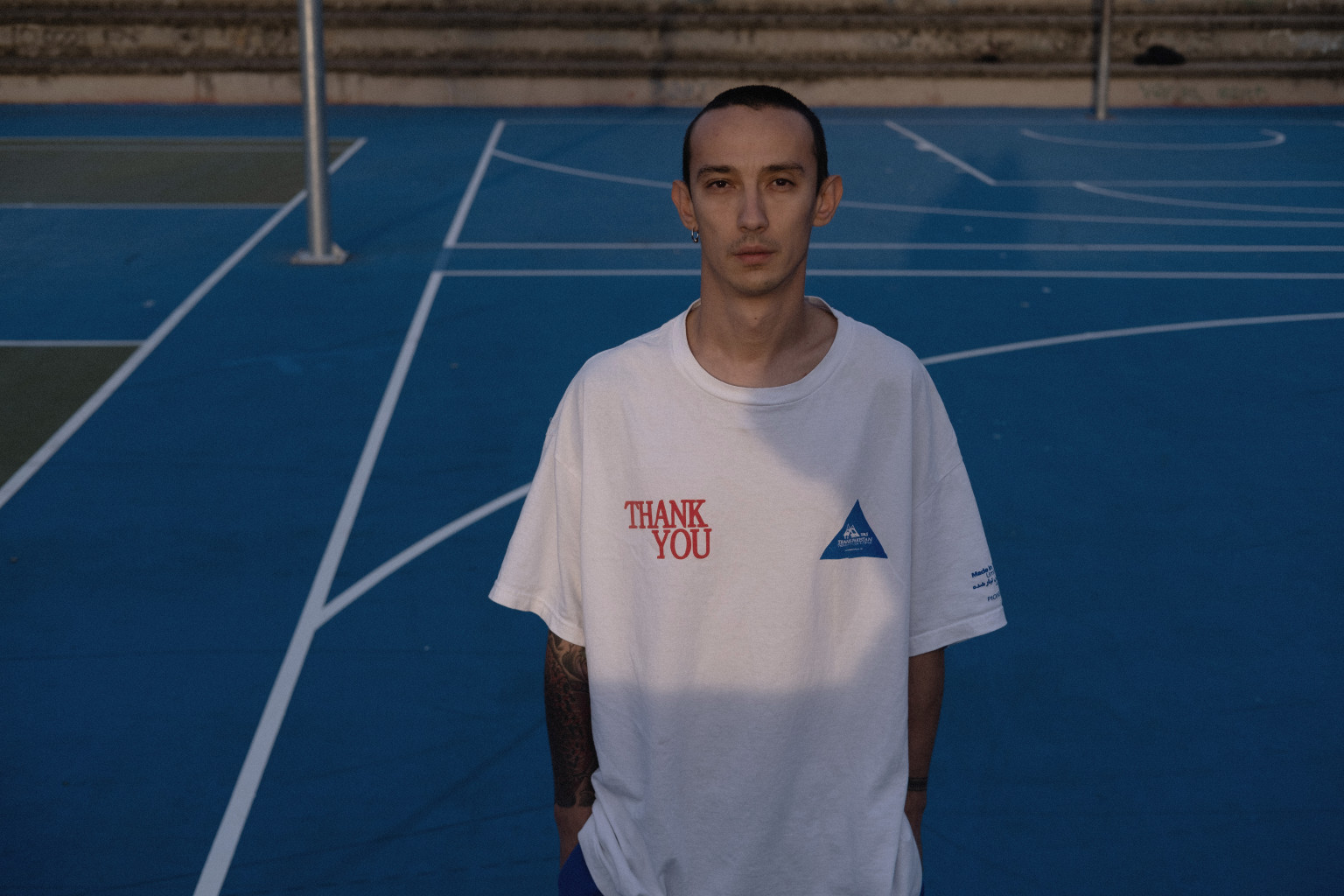
Viner Khaiitov. © Tatita Zhiliaeva
»Music is the opposite of escape for me right now: it’s where the tension gets held, repeated and turned into rhythm.«
 
Viner is a DJ and producer based between Marseille and Barcelona, where he runs the label and art lab PATAR. Born in Ulyanovsk to an Uzbek, Tatar and Bashkir family, he started making music in Kazan. In 2022 he recorded across Uzbekistan: Navruz in Tashkent, the Stihia festival in Muynak (where he was technical director), and street sound in Khiva, Bukhara and Samarkand. On 2330 (PATAR, November 2026) those recordings are cut into fragments of two seconds or less and set into three-beat loops running against the main pulse, »doira« patterns that take several bars to come round, and bass in blunt, distorted blocks. The sources stay half-legible. What carries is the friction, held for five tracks and never quite released.


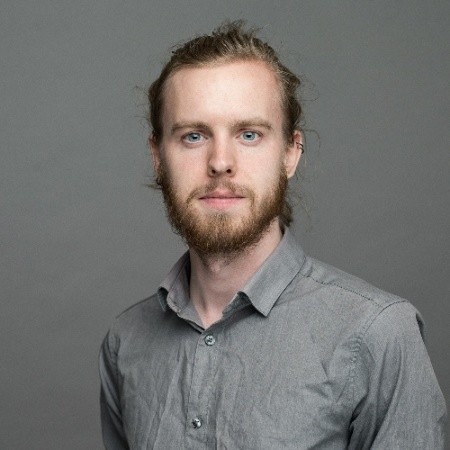
© PR

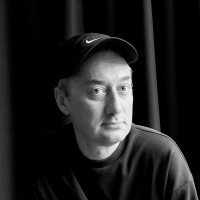
»For me, music is a kind of secret path – a gateway to emotions, thoughts, and ideas that might otherwise be difficult to access. It serves as a shortcut to daydreaming and creativity – to those moments when I feel most connected to my own humanity and that of others. Through music, my own life intertwines with the artist’s, and together we create something entirely new.«

Kristoffer Møllegaard holds an MA in Russian Language and Culture from the University of Copenhagen (2017), with a specialization in future speculation within Russian art and philosophy. He writes regularly about Russian culture and, in his spare time, is active as a visual artist and amateur saxophonist. He has been a contributor to Seismograf since 2020.

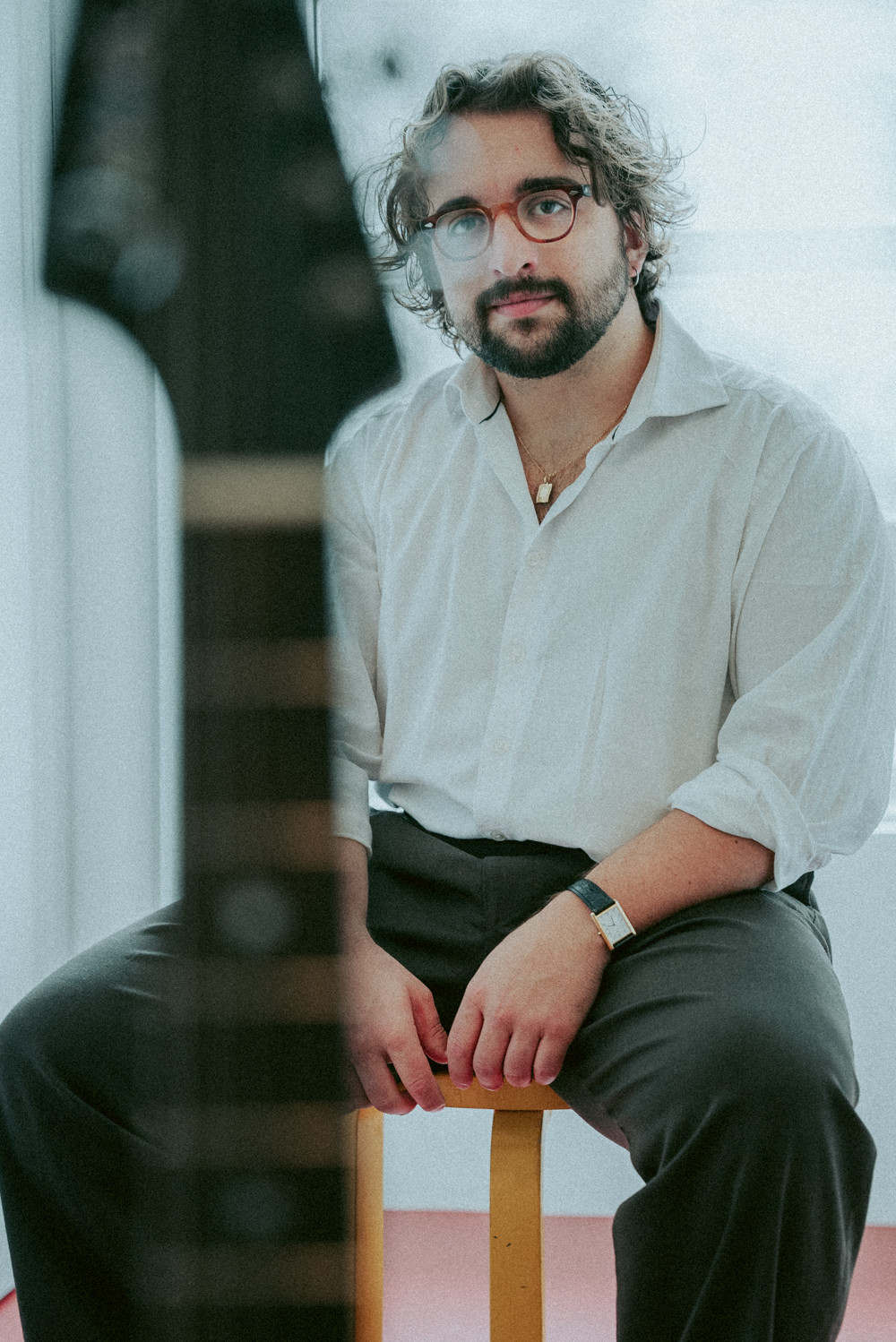
© PR

»Music is like a black hole that sucks you in and shoots you out on the other side of the universe.«

Francesco Rista is a guitarist working across classical and electric guitar. His recordings have been reviewed by international music magazines and broadcast on BBC and RAI Radio 3. After studying at the Royal Danish Academy of Music and Lund University, he focused on studio recordings, exploring guitar repertoire from the Baroque and Romantic periods to contemporary music, as well as the instrument’s varied tonal possibilities. Rista is currently based in Iceland, where he teaches guitar, composes music, and collaborates with contemporary composers.