in briefrelease
27.04

Myths From a Dying Sea

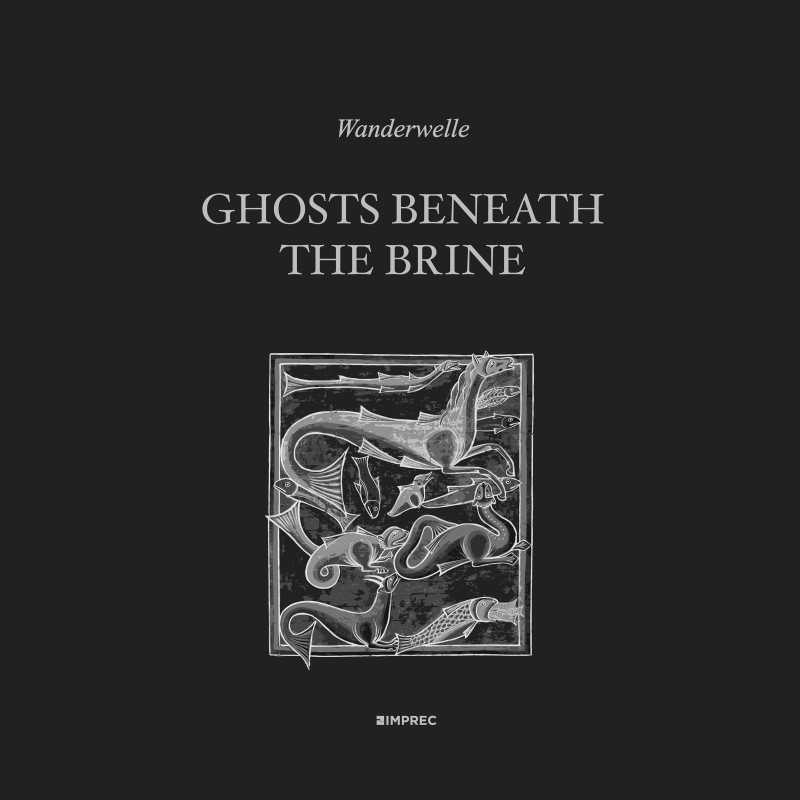
Wanderwelle: »Ghosts Beneath the Brine«
© PR
© PR

The ocean as Cape Lonesome, as a graveyard where at midnight the mythical, the real, and the endangered rise from the dead: this is the sonic world of Ghosts Beneath the Brine, the new album by Amsterdam-based experimental duo Wanderwelle.

Across eight tracks suspended between elegy and requiem, the album navigates the reality of climate change and species extinction while invoking the mythology of creatures of the deep. To sound the crisis, Wanderwelle chose not to record melting icebergs or raging wildfires. Instead, they submerged cymbals – small, bowl-shaped metal plates used since ancient rituals – in saltwater for extended periods. As the metal degraded, its sound grew darker, more fragile, more unstable, releasing ghostly overtones.

Those tones drift through the album like the critically endangered albatross – to which the sixth track is dedicated – spreading its 3.5-metre wingspan like a ghost across vast, indifferent skies. Layered with reverb and sounds evoking lamenting, whimpering animal voices, the pieces carry titles that weave myth and ecological reality: »The Seabishop's Sermon« (named after a creature allegedly caught in the Baltic Sea in 1513), »Empty Net or Dissolving Souls«. The message is clear: sharks and oysters risk becoming as mythical as sea monsters once were, if destruction continues.

And yet this is precisely where the album's beauty becomes its limitation. Ghosts Beneath the Brine sounds hauntingly gorgeous – but like the sublime spectacle of a shipwreck witnessed from a safe distance, it invites us to shudder rather than act. More ghost train than alarm bell, it offers catharsis where the moment calls for urgency.

© PR

»To us, music is a primal, elemental force that allows us to shed our inhibitions.«

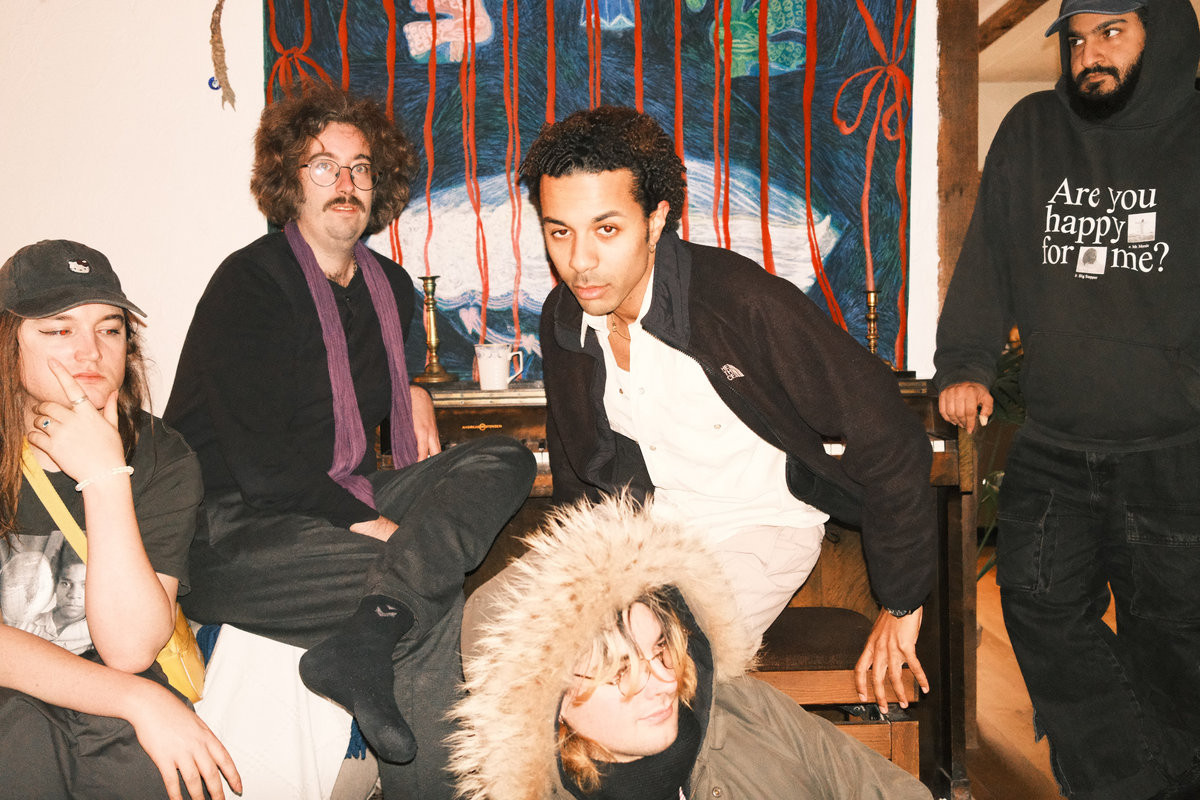
Leizure is a Copenhagen-based quintet operating at the intersection of post-punk, no wave, and experimental rock. The band’s sound is characterized by atonal vocals, piercing saxophone, hypnotic guitar riffs, and a rhythmic foundation that oscillates between tight precision and raw intensity. 

The band’s upcoming album, The Guillotine, explores themes such as societal decay, upheaval, and the challenging of established structures – all conveyed through a direct and high-energy musical style.

© Robin Skjoldborg
© Robin Skjoldborg

Danish musician, author, and artist Martin Hall has died at the age of 63. According to his family, he passed away from a heart attack at his home in Frederiksberg on Tuesday, 21 July.

Since the early 1980s, Hall left an indelible mark on Danish music and cultural life – first with Ballet Mécanique and Under For, and later through an extensive solo career that moved effortlessly between experimental music, electronic pop, poetry, performance, and literature. He leaves behind one of the most substantial discographies and bibliographies in Danish cultural history.

© Kåre Viemose
© Kåre Viemose

Seismograf is heading off on summer break to check out the ocean's deep vibrations.  🌊🤿  See you in August. Have a great summer!

in brieflive
15.07

Noise in the White Cube

Aros: »Unruly – the Body in Punk«
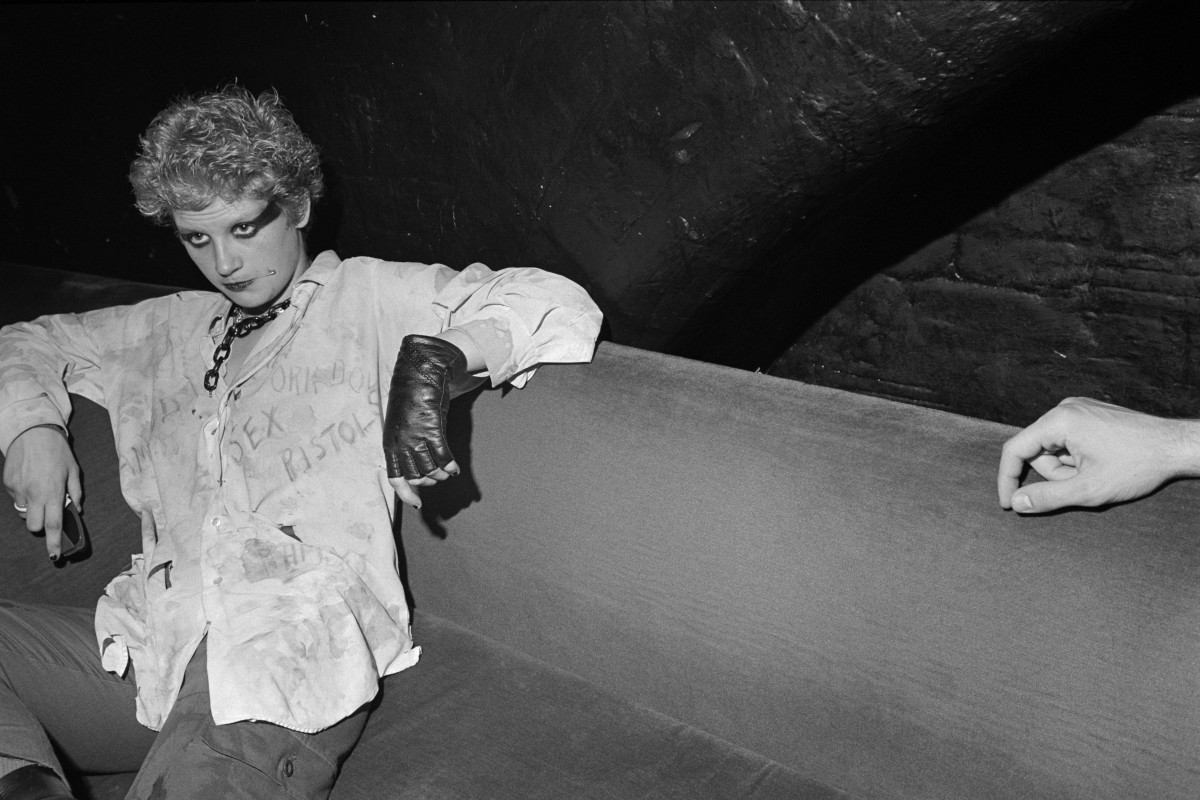
© Karen Knorr & Olivier Richon, Vortex 6 from the Punks series, 1976 - 1977, gelatin silver print on paper,18,7 x 28,2 cm, Tate. Courtesy of the artists.

The first thing that hits you at Aros' Unruly – the Body in Punk isn't dog collars, leather jackets or fishnet stockings. It's the sound. It rumbles through the galleries. After all, what is punk doing in a museum? Punk was never made for museums. It's dirty, loud and ephemeral. It thrives on amateurism, mistakes and resistance. One might fear that the white cube would turn three-chord fury into cultural history and noise into background music. Curator Marie Arleth Skov has created an exhibition in which sound doesn't merely illustrate history – it propels it. Raw guitars, piercing saxophones, flickering Super 8 films and concert footage merge into a rush of noise, images and bodies.

Unruly is not a comprehensive history of punk but a sharply focused snapshot of a culture in which sound and the body were inseparable. Punk's godmothers appear alongside Danish bands such as Lost Kids, Pussy Punk and Sods in previously unseen footage from a legendary punk happening in Copenhagen. A leather drum kit by Käthe Kruse of Die Tödliche Doris stands as a sculpture bearing the dry title In Leder, while Cornelia Schleime's video reveals the vulnerability and poetry that also inhabited punk rebellion. The contrast with Erik Satie's stripped-back piano music is exquisite. Walking through the exhibition feels like stepping inside a three-dimensional fanzine. Everywhere, it celebrates misfits and those who never asked for permission. Leopard-print cushions, raw materials and tactile installations make you feel as if you could almost touch punk itself.

In art museums, sound is often reduced to atmosphere. Here, it becomes a material on equal footing with fabric, video and the body. Noise is treated as an artistic method rather than a soundtrack. Fifty-year-old noise still sounds astonishingly contemporary as it resonates with the exhibition's newer works. You feel it vibrating through your body. Instead of muting the world, the museum becomes an amplifier.

Can rebellion survive inside a museum? Unruly shows that punk's energy does not necessarily disappear when it enters an institution. Only two things are missing: the chance to experience the exhibition at four o'clock in the morning – and a lavish catalogue bound in latex.

English translation: Andreo Michaelo Mielczarek

© PR

»For us, music is the companion that stays with you through life’s highs, lows, benders, and shitty times. There isn’t a single emotion for which we don’t each have an internal soundtrack. It’s a wonderful, universal thing that music triggers moods and reinforces feelings.«

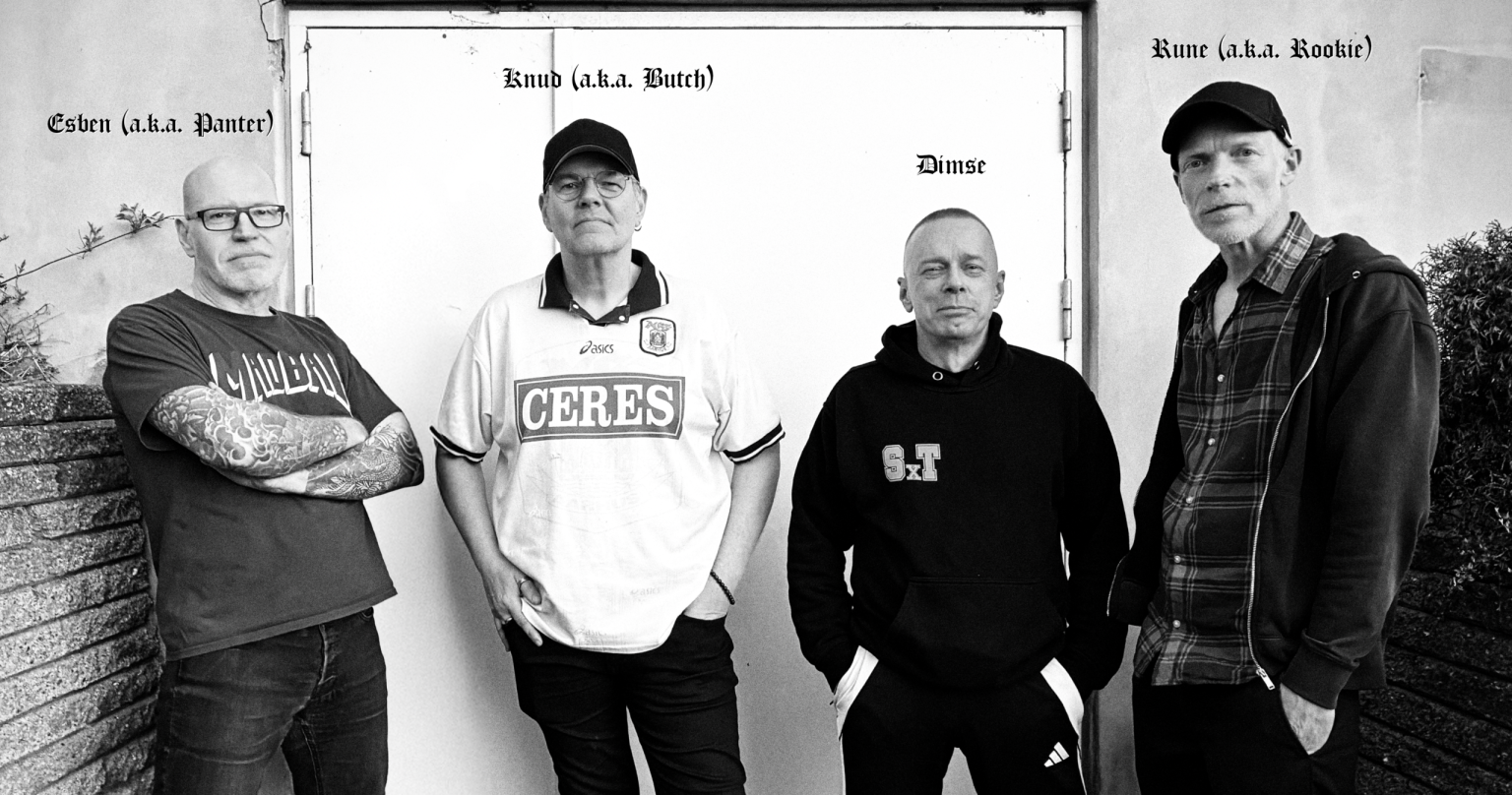
Barcode played a couple of hundred shows across Europe in the 90s and 2000s – touring with acts like Madball, Agnostic Front, and Hatebreed – and released five full-length albums. The Aarhus-based band will play its first concert in 18 years as the headliner at the Support Our Scene festival in Fredericia this August.