
in brieflive
28.03

Opera or Exam Preparation?

Mauro Patricelli, Signe Asmussen, Matias Seibæk, Anders Banke, Thommy Andersson, Jessica Lyall et al.: »Tarantula«
© Søren Meisner
© Søren Meisner

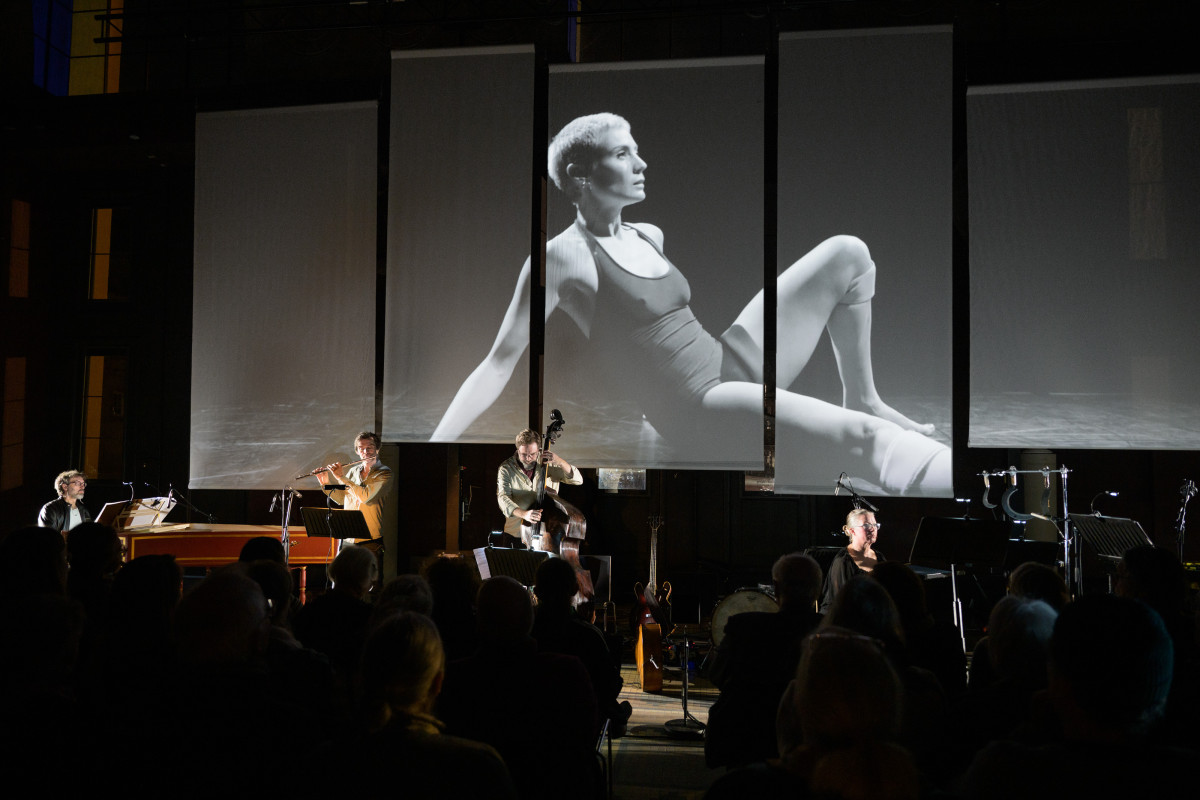
Tarantula is presented as a »documentary opera«, a genre created by Mauro Patricelli. The work takes its starting point in tarantism – the myth of the spider’s bite, which triggers madness and the ecstatic dance that heals – and intertwines it with A Doll’s House and Napoli by August Bournonville. The ambition is clear: to reflect female experiences of mania, oppression, and interpretation throughout history. The scenography reinforces the documentary approach. Five suspended screens display text, archival material, a dancer, and a professor character who didactically explains the work’s sources. At the same time, four musicians and the soprano Signe Asmussen stand in a row.

The music alternates between long, bare lines and repetitive, rhythmically complex figures clearly inspired by the tarantella. Yet this very complexity becomes a drawback: the reliance on click-track and sheet music lends a mechanical quality that clashes with the work’s purportedly demonic and physical energy. The main issue is the balance between explanation and interpretation. The professor figure constantly dictates the reading, undermining the work’s own critical ambitions – not least when it simultaneously critiques a »male lens«. The engagement with Ibsen also feels simplified, almost misread, functioning more as illustration than genuine interpretation.

The libretto – largely composed of historical sources and academic language – weighs heavily on the dramaturgy. When a letter about Ibsen’s knowledge of tarantism is elevated to a dramatic climax, it becomes difficult to grasp what is truly at stake. That the text is sung, projected, and handed out in libretto form only intensifies the sense of redundancy. In the end, one is left with the feeling of having attended a lecture rather than an opera. My final note before the curtain fell: Will this be on the test?

English translation: Andreo Michaelo Mielczarek

in briefrelease
23.01.2022

Finnish Space Travel

Tomutonttu: »Hoshi«
© Tomutonttu: »Hoshi«

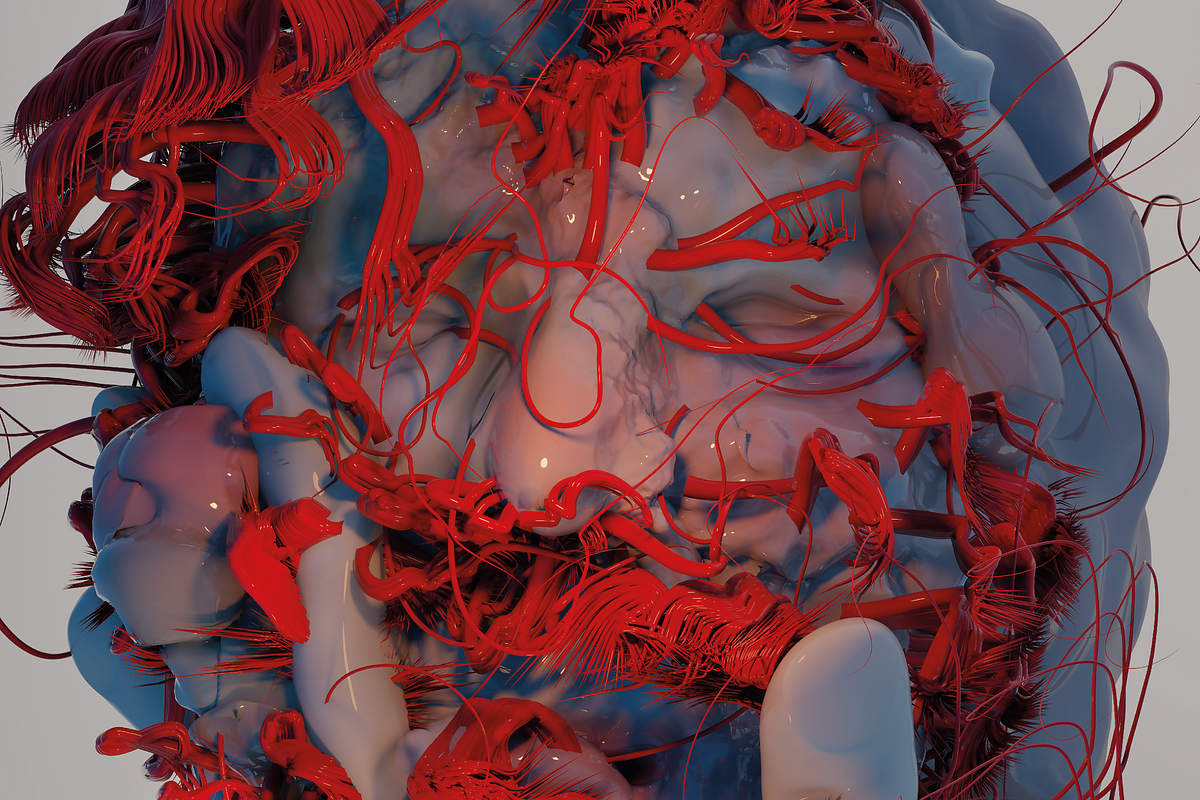
The Finnish multimedia artist Jan Anderzén has, with the album Hoshi, released under the solo moniker Tomutonttu, created a true little star. Not only because »hoshi« literally means »star« in Japanese, but above all due to the music itself. There is something cosmic, yet infinitely minute, about the sonic worlds Anderzén conjures—like a galaxy reflected in a puddle, or a space journey in a rocket carved from a hollow tree trunk. Synths emit busy, warm blips and bloops, while ultra-short vocal and instrumental samples create a recognizable blur. At once artificial and organic – soft, rounded, jagged, crackling.

Anderzén approaches sound with a playfulness I simply adore. His music is strange in an incredibly comforting way. It places me in a kind of colorful, trance-like state, only interrupted when, several times over the course of the album, I find myself smiling in delight at a particularly great sound. The synths on »Katse osuu sähköön!« The choral samples on »Kesä oli äkkiä ohi!« Milo Linnovaara’s flute on »Malta lausua ‘AH’!« And many more. Hoshi is an album packed with microscopic moments that together form a frayed, exploding, radiant, idiosyncratic whole—a stellar moment of just under 38 minutes.