in brieflive
08.07

Pak Choi and Percussion at Table 12

Søren Kjærgaard & Kresten Osgood Duo + Christian Lillinger
© Kristoffer Møllegaard

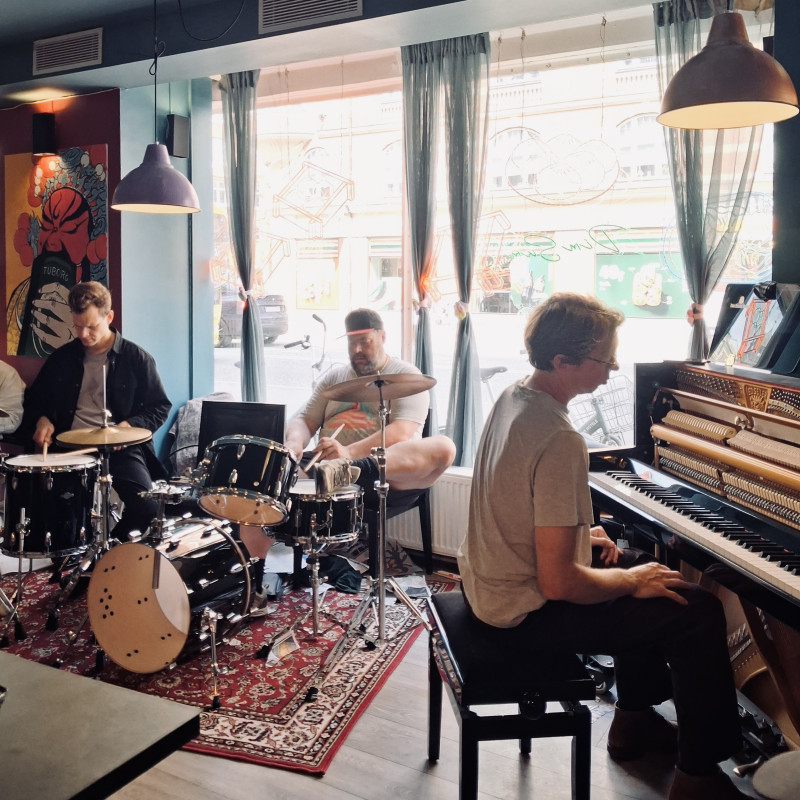
Søren Kjærgaard at the piano, Kresten Osgood and Christian Lillinger each at half a drum kit, pak choi with shiitake mushrooms and rice. Free jazz and Chinese cuisine may not be the most obvious combination, but on Wednesday afternoon at CC Taste it proved its worth.

The French composer Erik Satie was reportedly frustrated that Parisian café audiences did not ignore his so-called furniture music to a sufficient degree. Kjærgaard, Osgood and Lillinger seemed unlikely to share such concerns on the second night of their five-day residency at the Chinese restaurant on Amagerbrogade. On the contrary, with pronounced showmanship they played not only drums and piano, but also a ceiling lamp, a radiator and Osgood’s shoes. There was shouting, laughter, and newspaper pages being torn to pieces.

Osgood and Kjærgaard, who are cousins, have played together all their lives, and it showed in the ease with which they threw themselves into the music. Together with Lillinger, they needed only seconds to find a shared level of intensity. It swayed, crashed and creaked in every direction. The music thundered ahead until it suddenly stopped and Kjærgaard’s piano stepped forward in calmer, more indeterminate passages. Then the surroundings reasserted themselves: cutlery against plates, the number 5C bus passing the windows on Amagerbrogade, an egg timer ringing in the kitchen.

Good food and good music have a great deal in common, but fortunately they did not dissolve into some mythical, rather uninteresting higher unity. Instead, the evening thrived on the friction between two separate sensory spaces: the concert and the restaurant, listening and eating, free improvisation and the everyday dinner scene. Satie might well have turned in his grave. I loved it.

© PR

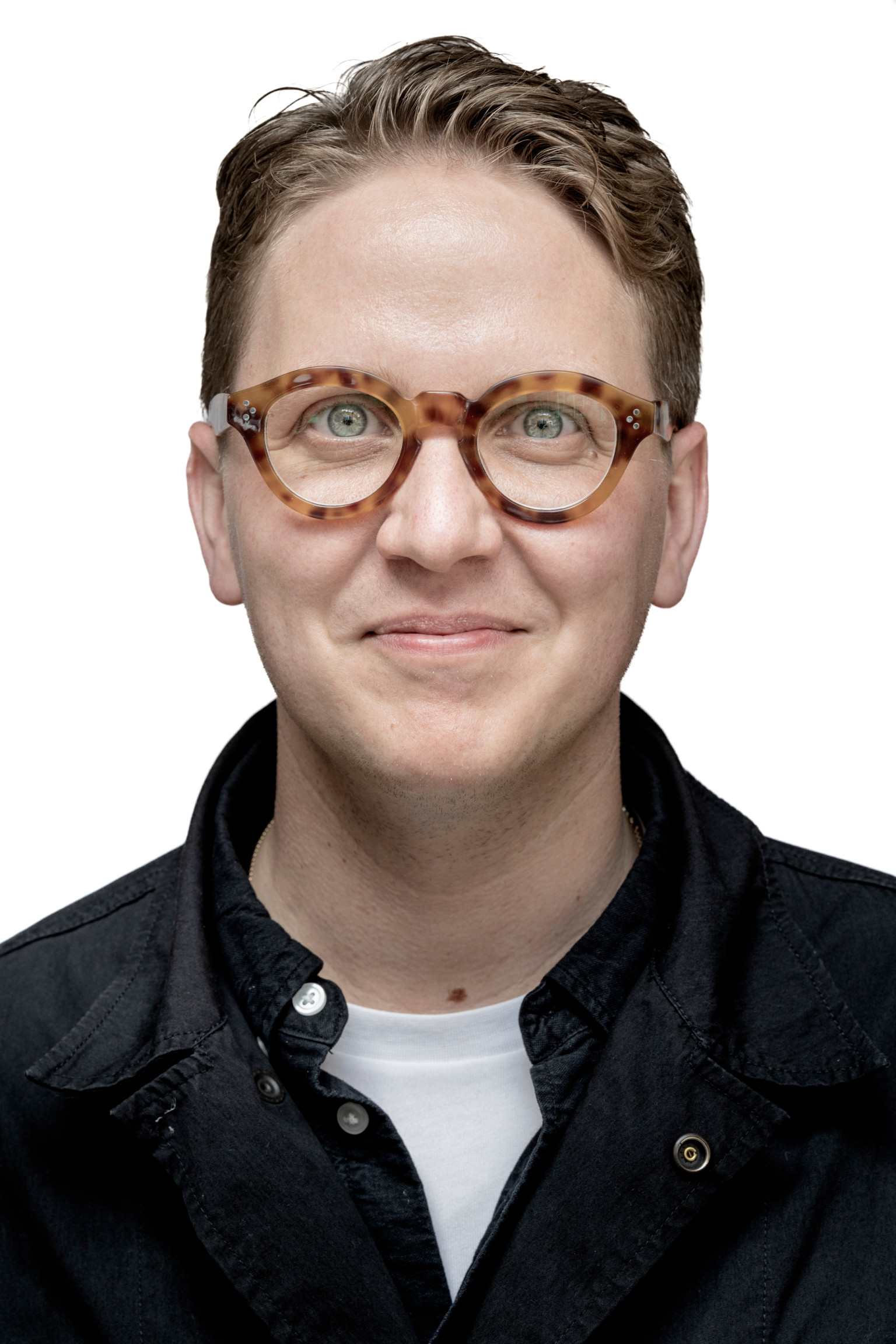
»For me, music is the art form that – if measured in hours and minutes – occupies by far the greatest part of my life. I cannot sing, nor can I play an instrument, but I can listen – as a happy amateur – while cycling, on the dance floor, and, above all, at the office. I almost always work – that is, write – to music.« 

Mikkel Krause Frantzen (b. 1983) is an associate professor at the Department of Arts and Cultural Studies, a literary critic for Politiken, and the author of several books in English and Danish, such as En fremtid uden Fremtid (2018), Klodens Fald (2021), and Slutspil (2024).
© Mads Nissen
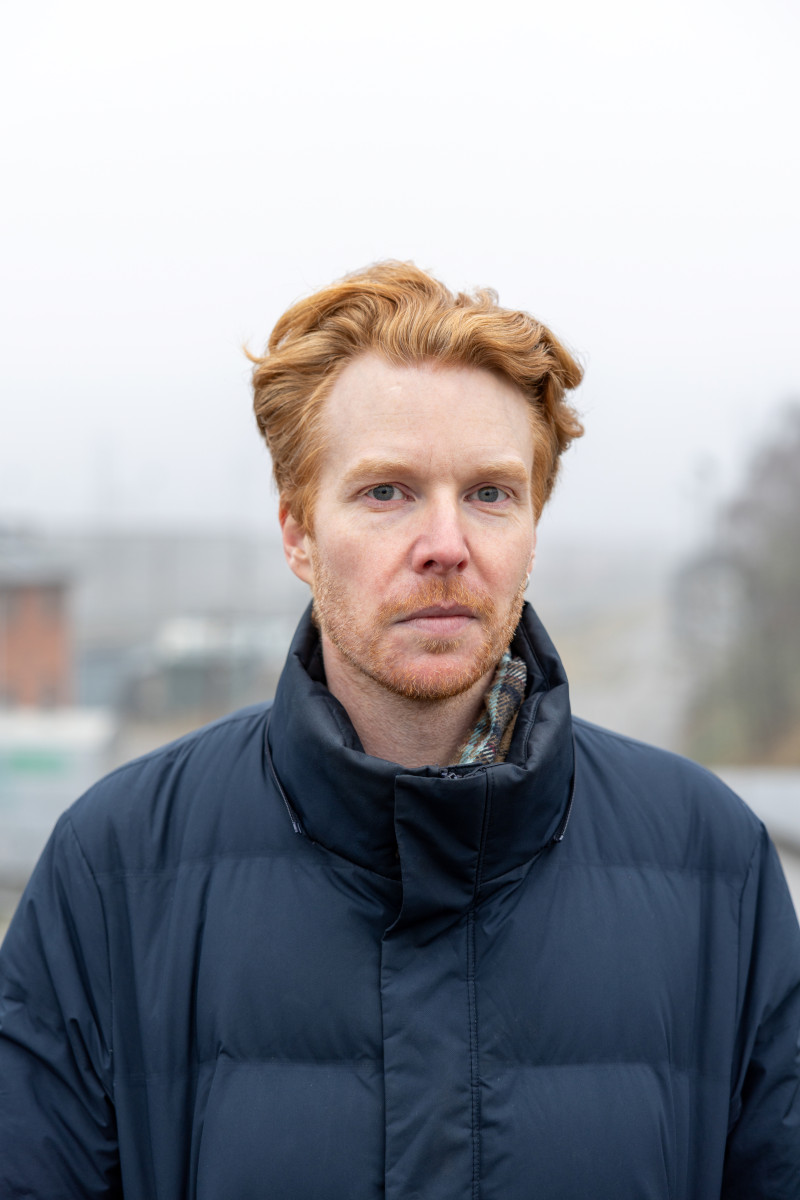
»Music is what gets my gears turning. It sets both my body and mind in motion – and on a good day, even gets them up to speed. My listening habits are entirely shaped by my mood... and by the musical tastes of my two children, which shift every eight minutes... so the home stereo gets exposed to a bit of everything. In a way, that’s exactly how it should be. Room for everything and everyone.«
 
David Dyrholm (b. 1990) is a food and music critic for Politiken, focusing on jazz – ranging from the traditional to the modern—and avant-garde music. Alongside this, he has worked for the Modern Jazz Days festival, served on the jury for the DMA Jazz awards, and previously released a number of records with the hip-hop collective DoktorDoktor.
in briefrelease
25.09

An Organ in the Dark Forest of Doubt

Calum Builder: »Although Changed, I Arise the Same«
© PR
© PR

Last year, Builder released Poor_in_Spirit, an album in which he explored, on his own, the sonic possibilities of his self-built organ. It was an album shaped by this exploration, but ultimately also by the limitations of the organ itself. On Although Changed, I Arise the Same, the composer finds a way beyond them.

The organ is now joined by three additions: Builder’s own alto saxophone, along with the voices of Zola Mennenöh and Johanna Sulkunen. It makes all the difference, providing the diversity of instrumentation that Builder has repeatedly demonstrated his ability to compose for. At times, the organ’s bass sinks beneath the voices and saxophone like a light haze; at others, it envelops them in a heavy fog. It howls like wind in the trees and roars like a train in the night. Mennenöh and Sulkunen sing, chant and breathe simple, repetitive phrases about spiritual uncertainty and searching, as though lost in the dark forest of doubt.

It is a Spartan form of storytelling, giving the listener enough lyricism and atmosphere to set the mind in motion, but never so much that it becomes overwhelming. This is where Builder’s strength lies: his music clearly grows out of his life and experiences, yet he composes in such a way that the listener is invited to enter the story with their own imagination.

Builder determines the colours, but leaves part of the picture to the listener. It is an album that is far more restrained in its dramaturgy than previous releases. No less beautiful or inspiring for it.

English translation: Andreo Michaelo Mielczarek

© PR

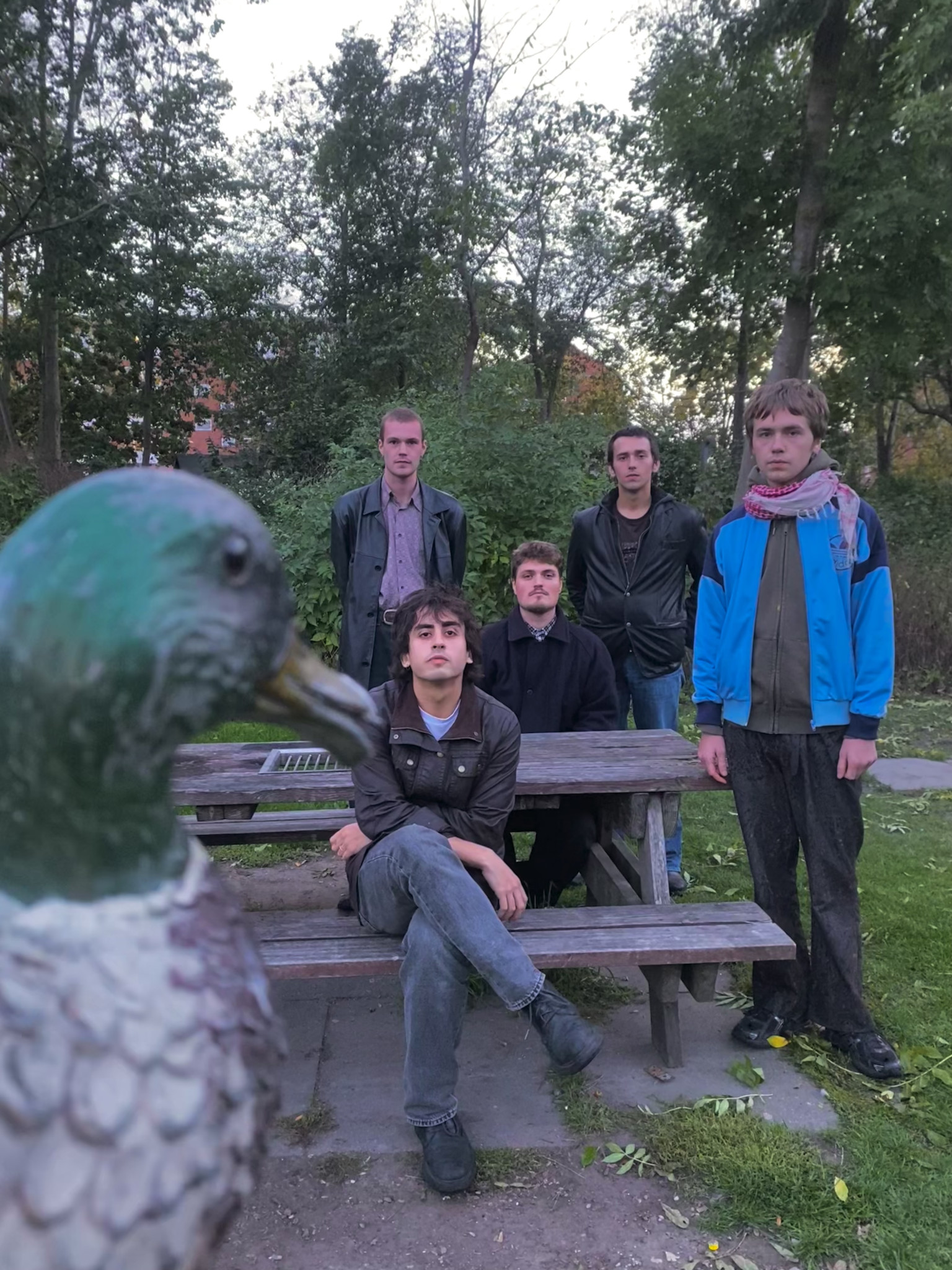
»For us, music is a transcendent force with transformative potential – something we get to experience and shape when we create sound together. It is an opportunity to describe one’s innermost universes without words, and the best way for an introvert to express intense emotions at full volume.« 

With roots in Copenhagen’s experimental jazz and punk scene, Echo, Bravo challenges the notion of what a rock band can sound like. The quintet blends post-punk, free punk, and noise rock into a raw and unpredictable soundscape. They describe the music themselves as a kind of »empty-the-fridge soup,« where various leftovers come together. »Best enjoyed as a hot meal in a cold industry.«


© Ultima
© Ultima

Thorbjørn Tønder Hansen has died. With Thorbjørn’s passing, the art music community has lost one of the Nordic region’s most significant producers, curators and cultural leaders.