in brieflive
29.10

What Do the Mad Want With an Opera House?

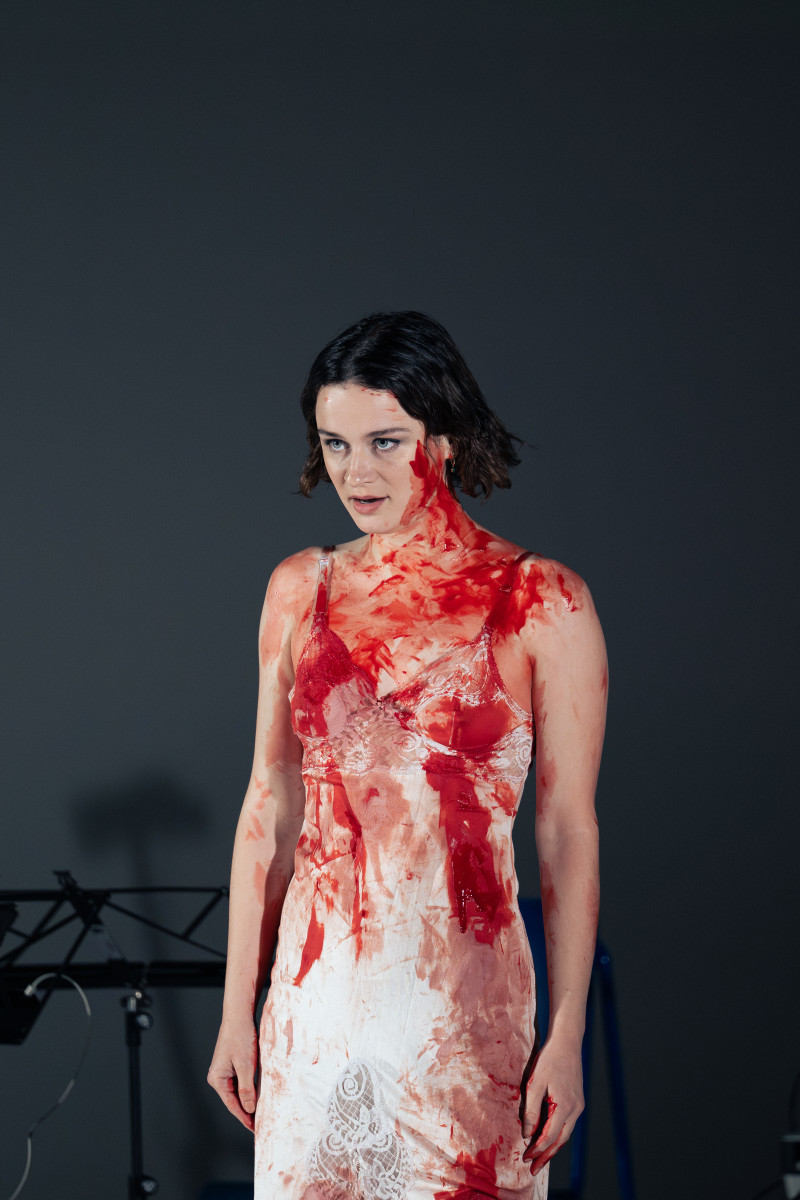
OperaHole: »screen (mad scenes)«
© PR
© PR

Denmark is lacking opera houses, a recent call in Politiken declared. And indeed: with only a single major, rather conservative opera house, we don’t quite make our mark on the grand stage. On the other hand, we can boast a flourishing opera life on the stages outside the established institutions. And with the Copenhagen music collective OperaHole, a new player has now entered the field.

Last week, the two singers and artistic directors Litha Ashforth and Daniel Rosenberg, both raised in the United States, presented OperaHole’s first production: a kind of surprise egg consisting of Rosenberg’s own character study recursion for two actors, the mad scene from Donizetti’s Lucia di Lammermoor, and Peter Maxwell Davies’ 8 Songs for a Mad King – all three performed in one continuous flow in a white commercial film studio.

What was interesting, of course, was the juxtaposition of a short play, a classical scene, and one of the most abrasive monodramas of the last 60 years. The thematic common denominator was madness: Rosenberg, a so-called spieltenor with a wide range and comic talent, first skewered devilish variations of latte-drinking Copenhageners in his play, before coloratura soprano Ashforth slipped in wearing a white chemise soaked in blood and sang Donizetti with nimble desperation and a soft sweetness, accompanied by flute and piano.

Finally came the monodrama with Rosenberg as the mad king, staged as a social-media workshop in which the performance was commented on in a livestream (LeaHan1997: »Not this again«!) and screenshots were pasted together into memes in real time. It was spirited – musically as well – but insular, and the work itself disappeared in the process.

Once the collective’s youthful enthusiasm for new media has settled, OperaHole nevertheless looks like a strong contender to carry on our tradition of playful underground opera.

English translation: Andreo Michaelo Mielczarek

© PR

»Music is the best way to discover myself and understand the world around me.«

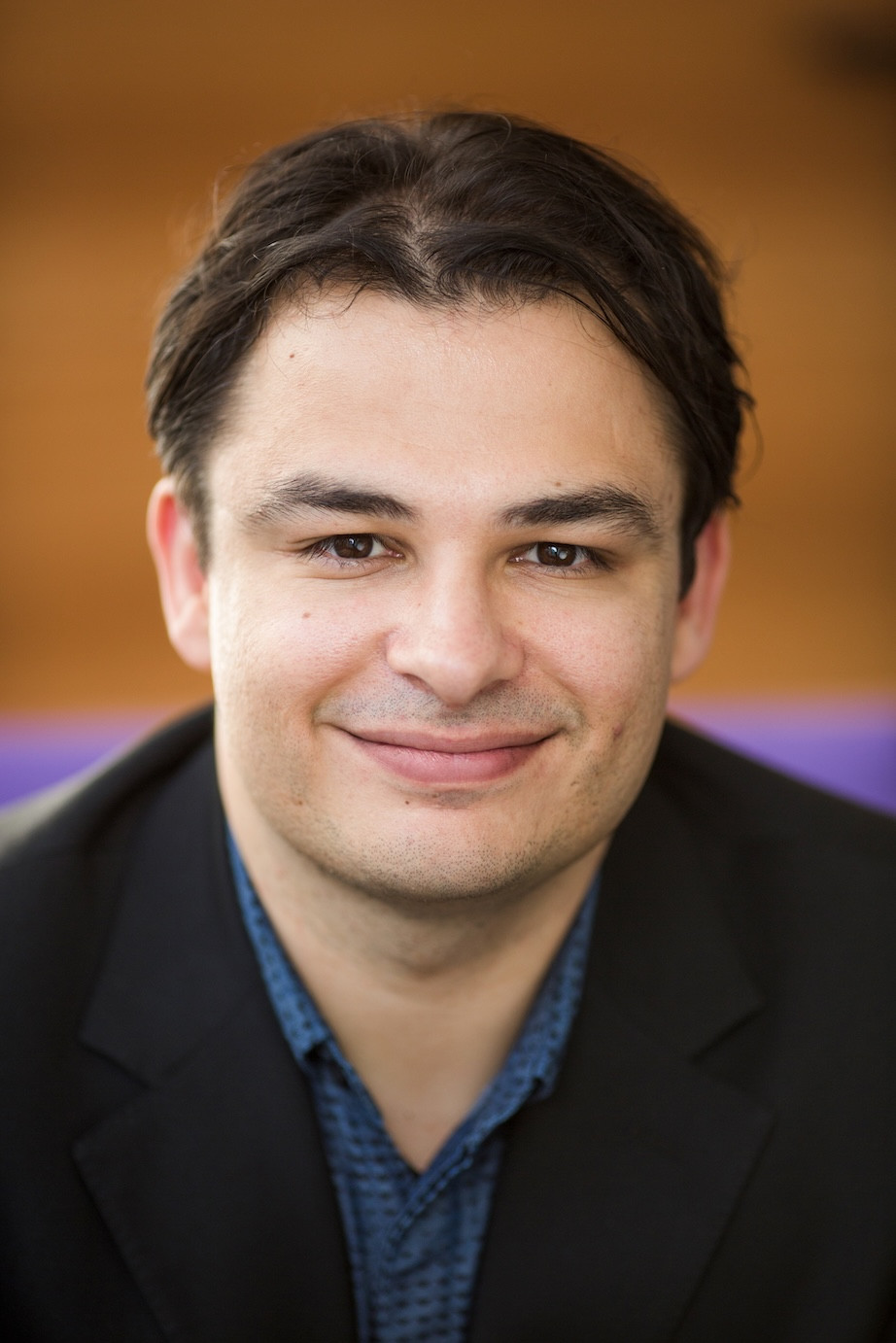
Luca Quintavalle is a harpsichordist, fortepianist and conductor. He has performed with ensembles including Concerto Köln, Harmonie Universelle, the Mozarteum Orchestra Salzburg and the Kölner Kammerorchester at venues and festivals such as the Kölner Philharmonie, Salzburg Festival and Enescu Festival. He was harpsichordist of Les Musiciens du Prince, led by Cecilia Bartoli, for over five years, and has conducted ensembles including the Orchestra and Chorus of Teatro dell’Opera di Roma, Concerto Köln and Deutsche Kammerakademie Neuss. His recordings include Mirrors, released by Berlin Classics and awarded an OPUS KLASSIK.

in brieflive
21.09

The Trombone Finds Its Lyrical Side

Francisco Coll: »Tapias«
© PR
© PR

At 19, the Spanish composer (and trombonist) Francisco Coll wrote a wild-child of a trombone concerto that pushed the instrument out of its comfort zone. 22 years later he has created a new piece from some of that material. Its priorities are the opposite.

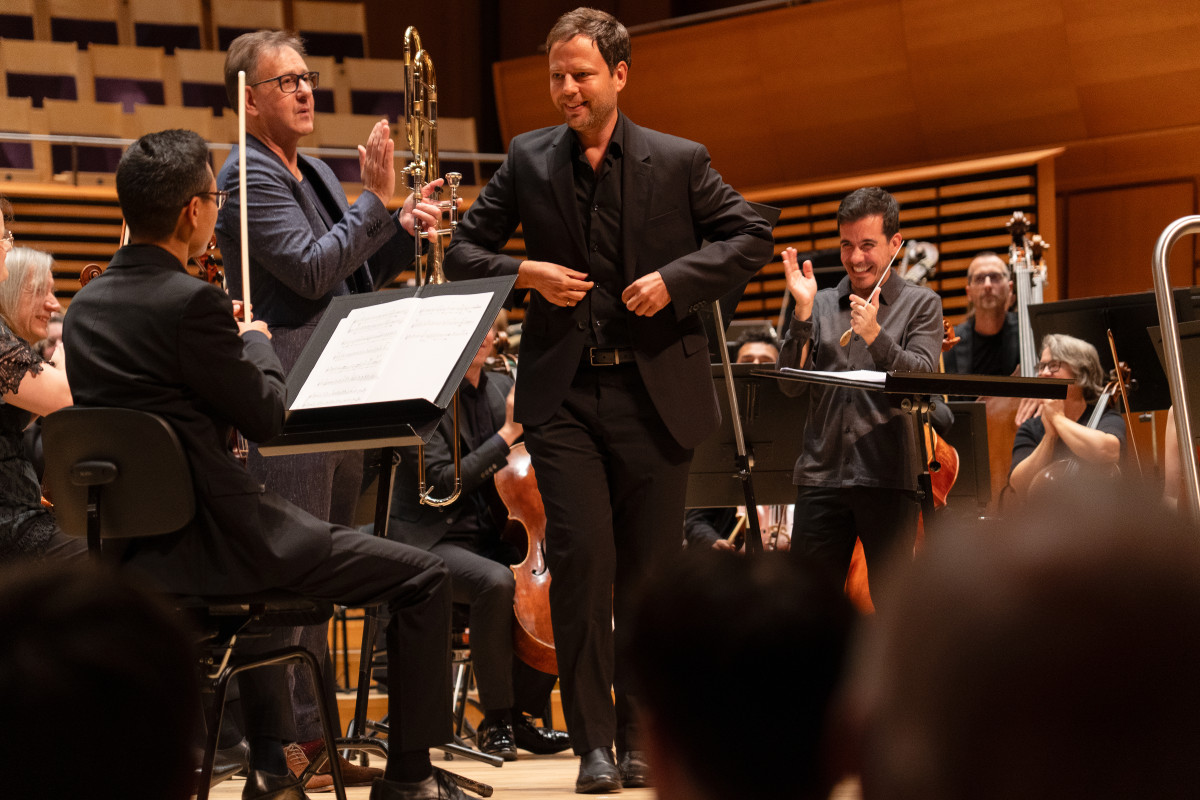
Tapias embraces the lyrical, ethereal qualities of the trombone. It is not a concerto, insists Coll. Perhaps it could be described as a set of frescoes for trombone and orchestra. Whatever the category, it’s a beguiling piece that was gorgeously birthed on Thursday by Ian Bousfield, conductor Nuno Coelho and a sumptuous-sounding Stavanger Symphony Orchestra.

Composers from Sibelius to Turnage have reacted against caricatures of the trombone as brusque and clowning by exploring its dark-hued lyricism. Coll does something more, setting his soloist’s introspective, intervallic melodies in evocative and provocative orchestral contexts. The soloist’s lines can resemble spray-canned tracings on walls already heavy with the patina of history, decoration and graffiti.

Initially the trombone appears to seek repose. The second movement draws it into more agility but the dancing is suppressed: a layered burying of all manner of rhythms from flamenco to Hiphop. Great wodges of rich harmony weigh the boogying down for good. 

The trombone does find peace in the final movement – its long, soulful melodies more yielding. But not before Coll has conjured up moments of huge harmonic strain and conscious orchestral magnificence. They sat well next to Coelho’s fierce performance of Shostakovich’s Symphony No 5 after the interval. But Bousfield’s heartfelt journey through Tapias, sounding entirely at one with the orchestra, will linger longest in the mind. 

© PR

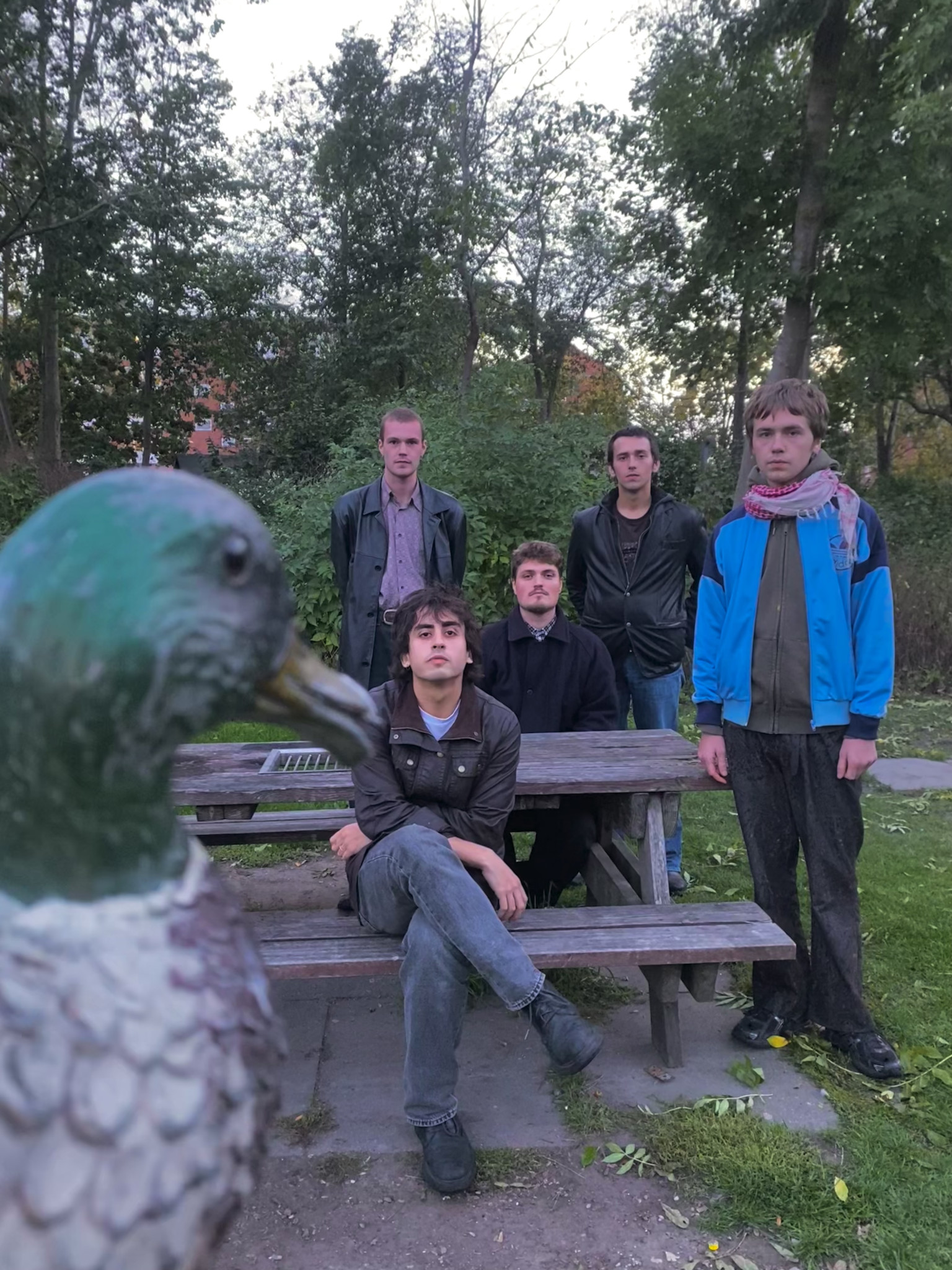
»For us, music is a transcendent force with transformative potential – something we get to experience and shape when we create sound together. It is an opportunity to describe one’s innermost universes without words, and the best way for an introvert to express intense emotions at full volume.« 

With roots in Copenhagen’s experimental jazz and punk scene, Echo, Bravo challenges the notion of what a rock band can sound like. The quintet blends post-punk, free punk, and noise rock into a raw and unpredictable soundscape. They describe the music themselves as a kind of »empty-the-fridge soup,« where various leftovers come together. »Best enjoyed as a hot meal in a cold industry.«


© PR

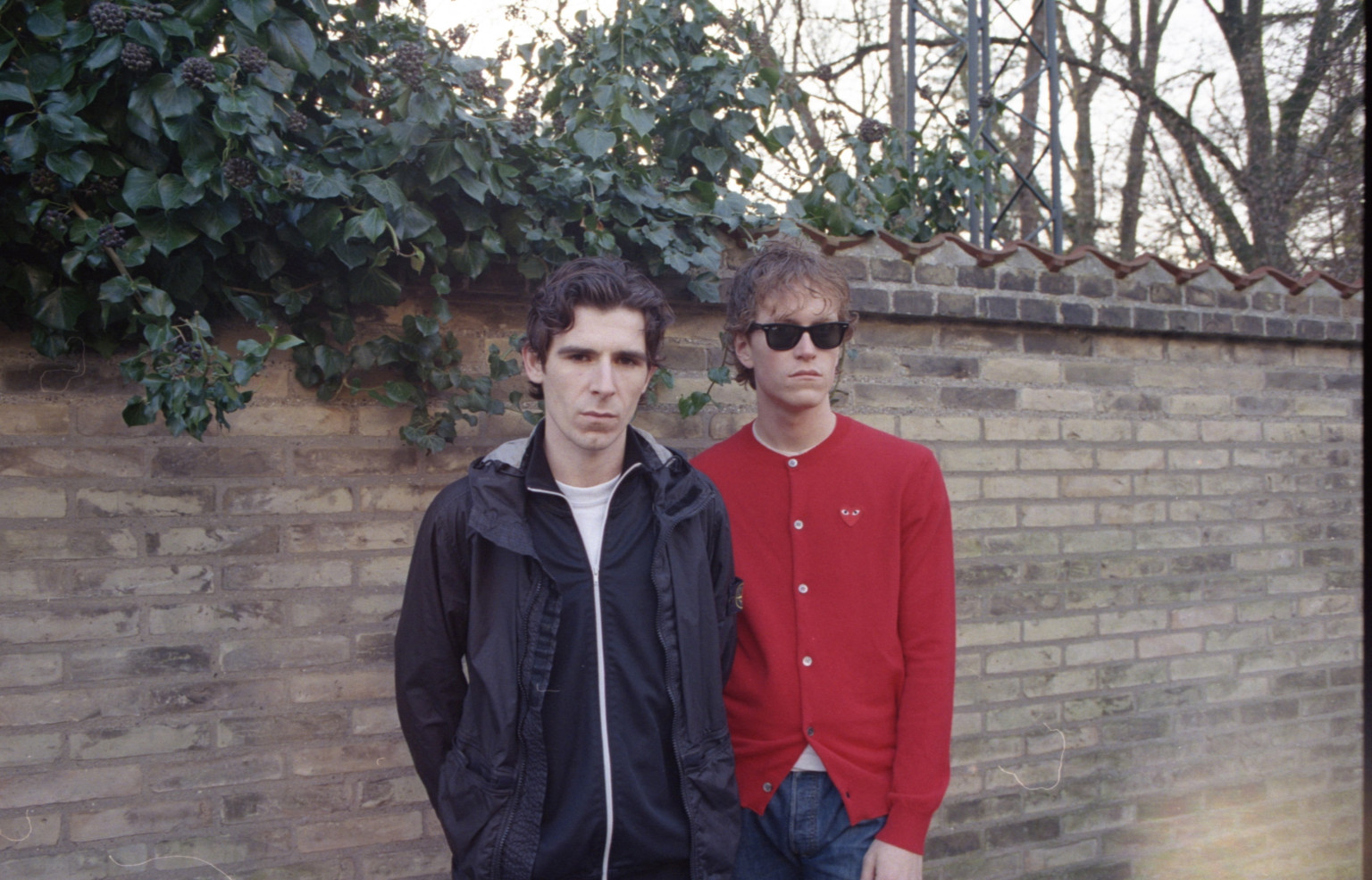
»For us, music is a passion, a livelihood, and a focal point for us and our best friends in the band.«

Barselona consists of Rud Aslak and Rasmus Theodor. The band was formed in 2016 after a year at Ollerup Musikefterskole and has since released five albums and two EPs, most recently the album *Tag Min Hånd, Så Slipper Vi*, which is set for release in September 2026.

© PR

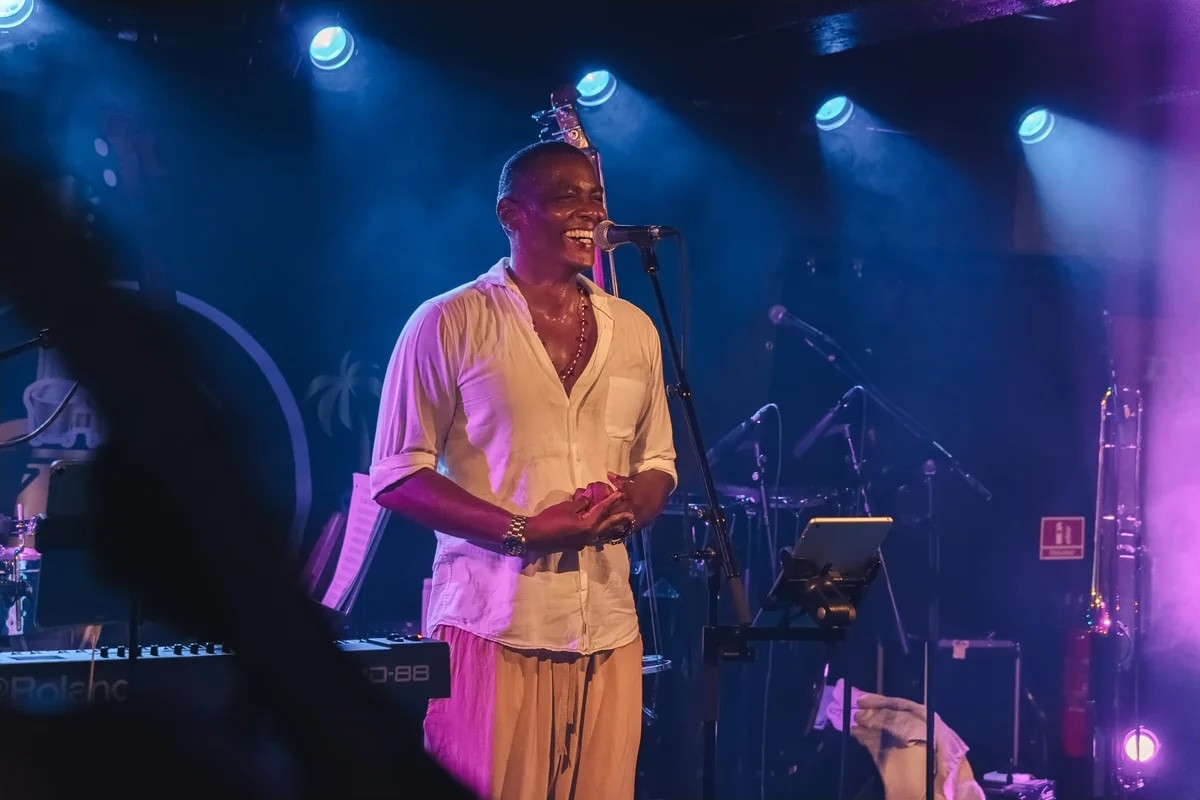
»To me, music is humanity, community, a smile, a conversation, a moment, an eternity«

Abel Alazo Rangel is the founder, curator, and producer of the Nova Concerts Series in Copenhagen. Nova began as a festival in 2003 and was relaunched as a concert series in 2023. Through Nova, he presents musicians and creates musical encounters that bridge the Cuban, Latin American, Danish, and international music scenes.