in briefrelease
19.06

When the Machine Starts Singing

Soli City: »Poetics of a New Estate«
© Clement Mogensen
© Clement Mogensen

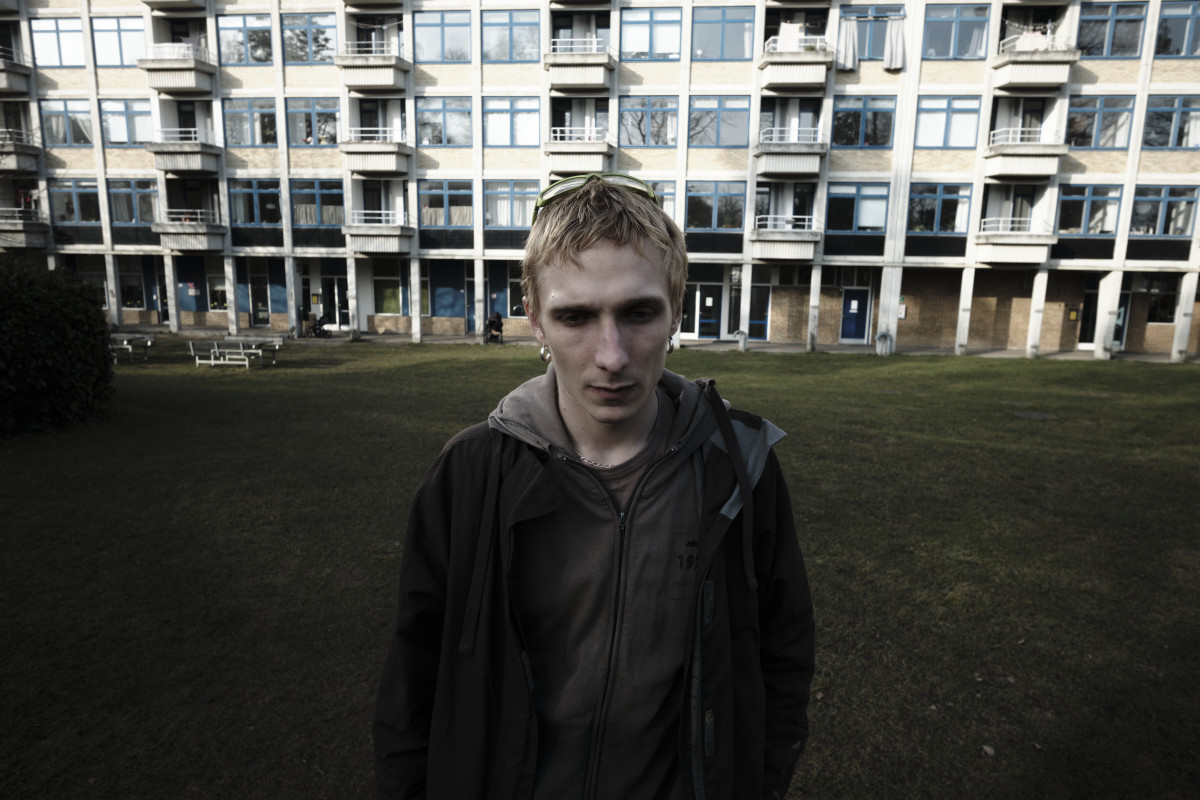
With Soli City, the boundary between the organic and the synthetic is almost impossible to discern. What first appears to be an ordinary piano suddenly slips into a dizzying glissando. Soli City resembles a cyborg – half cello, half computer – fusing strings and voices into a seamless digital synthesis. The result is a science-fiction dream interrupted by surreal monologues and abruptly punctuated by the shrill click of a camera shutter.

That percussive camera-flash motif runs throughout both PARADOXE (2024) and the new album Poetics of a New Estate. Here, Harald Bjørn, the composer behind Soli City, further develops the sonic language introduced on its predecessor. Whereas PARADOXE staged the encounter between acoustic and digital sounds as an explicit confrontation, the two worlds now feel far more deeply integrated. Even the album's abrupt shifts seem entirely natural, as on »Rooms & Walls«, where a slurred vocoder and delicate string textures give way to an insistent drum groove.

Soli City's music embodies a distinctive form of self-reflection. As acoustic sounds bend, fracture and are interrupted by those recurring electronic flashes, we are reminded of Bjørn's remarkable ability to compose genuinely innovative music. Just as the most visionary science fiction remains rooted in the realities of its own time, every musical breakthrough carries echoes of the past. Soli City embraces these nostalgic resonances only to twist them into unfamiliar shapes.

With deceptively simple means, Poetics of a New Estate dissolves the boundary between nostalgia and contemporaneity. Like a true cyborg, Soli City reveals the divide between the digital and the acoustic to be less a fundamental opposition than an oddly arbitrary construction.

© Ultima
© Ultima

Thorbjørn Tønder Hansen has died. With Thorbjørn’s passing, the art music community has lost one of the Nordic region’s most significant producers, curators and cultural leaders.

© PR

»Music is the best way to discover myself and understand the world around me.«

Luca Quintavalle is a harpsichordist, fortepianist and conductor. He has performed with ensembles including Concerto Köln, Harmonie Universelle, the Mozarteum Orchestra Salzburg and the Kölner Kammerorchester at venues and festivals such as the Kölner Philharmonie, Salzburg Festival and Enescu Festival. He was harpsichordist of Les Musiciens du Prince, led by Cecilia Bartoli, for over five years, and has conducted ensembles including the Orchestra and Chorus of Teatro dell’Opera di Roma, Concerto Köln and Deutsche Kammerakademie Neuss. His recordings include Mirrors, released by Berlin Classics and awarded an OPUS KLASSIK.

in brieflive
21.09

The Trombone Finds Its Quiet Side

Francisco Coll: »Tapias«
© PR
© PR

At 19, the Spanish composer (and trombonist) Francisco Coll wrote a wild-child of a trombone concerto that pushed the instrument out of its comfort zone. 22 years later he has created a new piece from some of that material. Its priorities are the opposite.

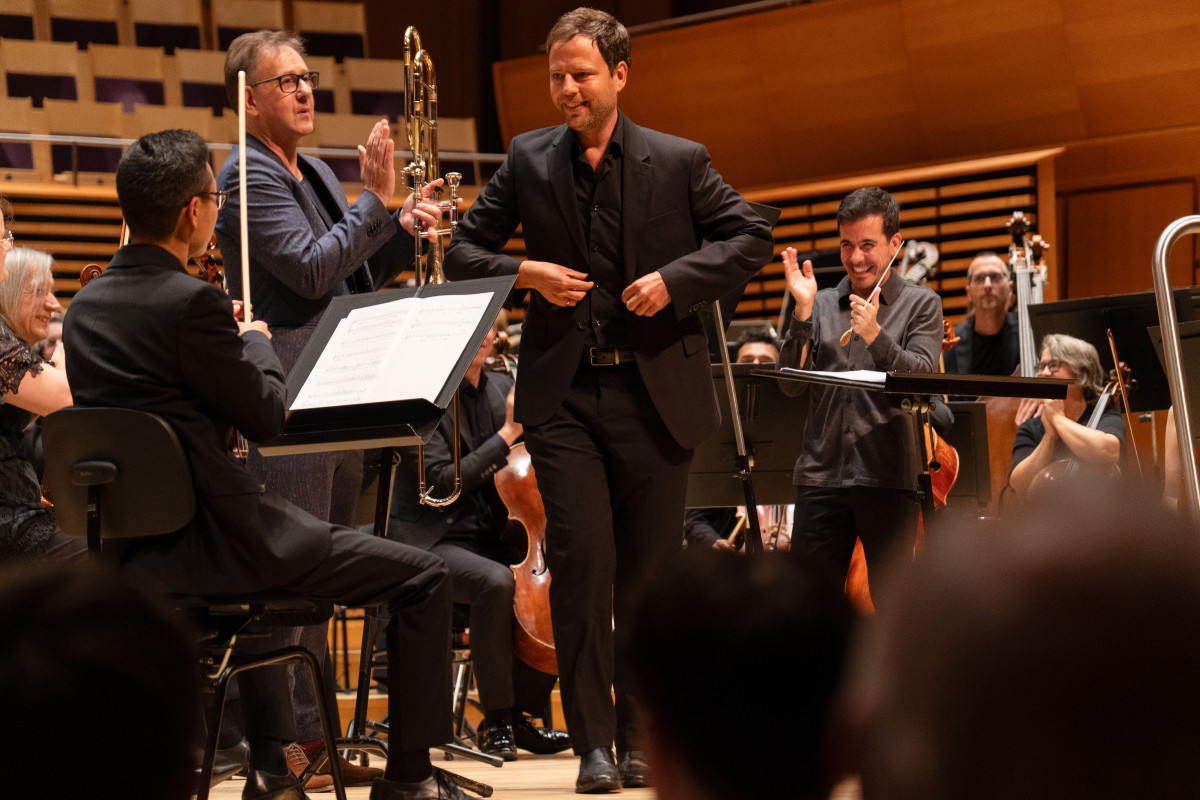
Tapias embraces the lyrical, ethereal qualities of the trombone. It is not a concerto, insists Coll. Perhaps it could be described as a set of frescoes for trombone and orchestra. Whatever the category, it’s a beguiling piece that was gorgeously birthed on Thursday by Ian Bousfield, conductor Nuno Coelho and a sumptuous-sounding Stavanger Symphony Orchestra.

Composers from Sibelius to Turnage have reacted against caricatures of the trombone as brusque and clowning by exploring its dark-hued lyricism. Coll does something more, setting his soloist’s introspective, intervallic melodies in evocative and provocative orchestral contexts. The soloist’s lines can resemble spray-canned tracings on walls already heavy with the patina of history, decoration and graffiti.

Initially the trombone appears to seek repose. The second movement draws it into more agility but the dancing is suppressed: a layered burying of all manner of rhythms from flamenco to Hiphop. Great wodges of rich harmony weigh the boogying down for good. 

The trombone does find peace in the final movement – its long, soulful melodies more yielding. But not before Coll has conjured up moments of huge harmonic strain and conscious orchestral magnificence. They sat well next to Coelho’s fierce performance of Shostakovich’s Symphony No 5 after the interval. But Bousfield’s heartfelt journey through Tapias, sounding entirely at one with the orchestra, will linger longest in the mind. 

© Clara Linn & Amalie Lee Bjørn

»For us, music is a passion, a livelihood, and a focal point for us and our best friends in the band.«

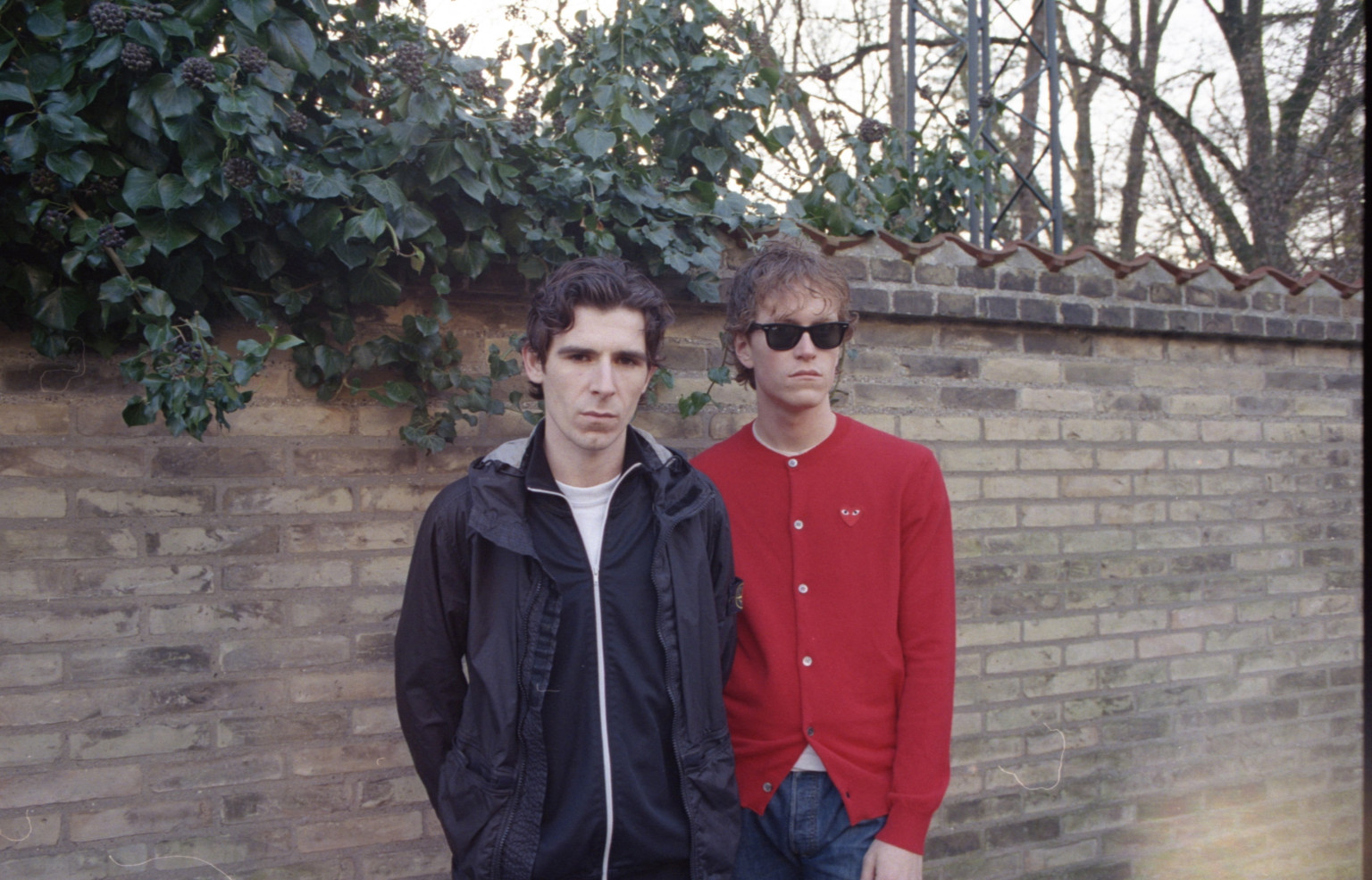
Barselona consists of Rud Aslak and Rasmus Theodor. The band was formed in 2016 after a year at Ollerup Musikefterskole and has since released five albums and two EPs, most recently the album *Tag Min Hånd, Så Slipper Vi*, which is set for release in September 2026.

© PR

»To me, music is humanity, community, a smile, a conversation, a moment, an eternity«

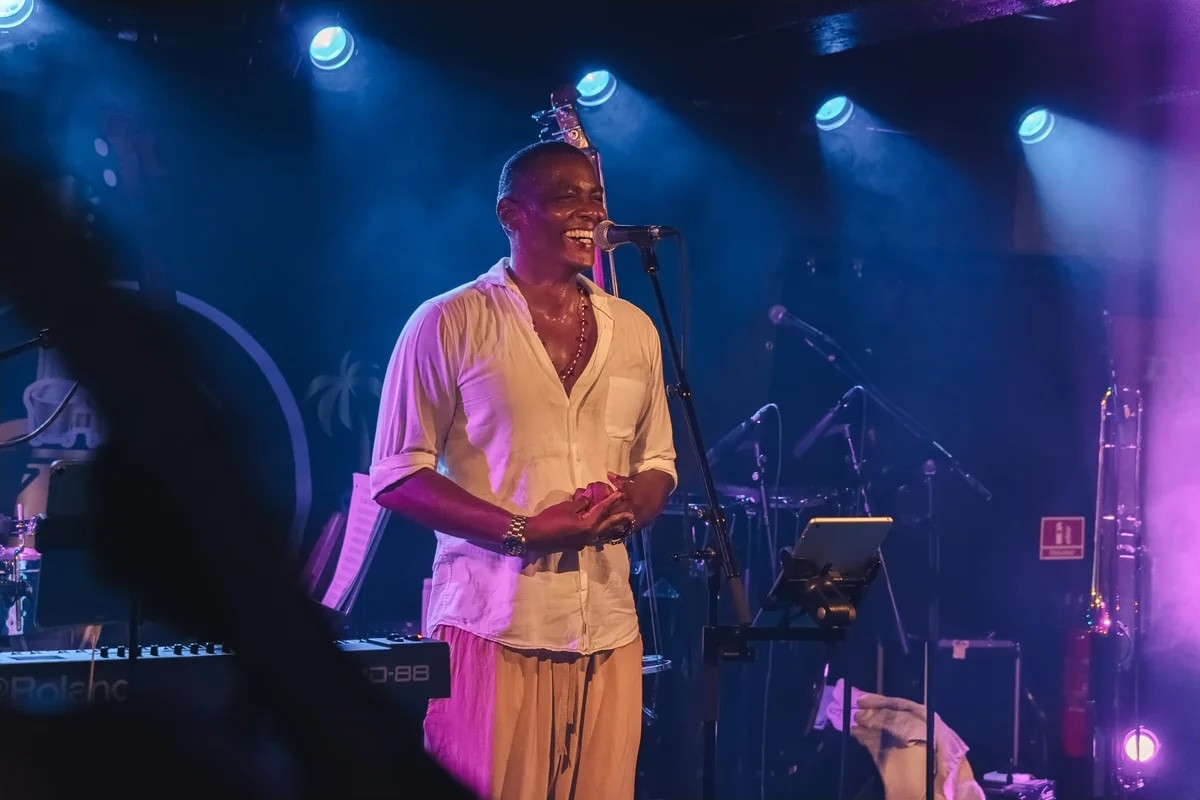
Abel Alazo Rangel is the founder, curator, and producer of the Nova Concerts Series in Copenhagen. Nova began as a festival in 2003 and was relaunched as a concert series in 2023. Through Nova, he presents musicians and creates musical encounters that bridge the Cuban, Latin American, Danish, and international music scenes.