© Ultima
© Ultima

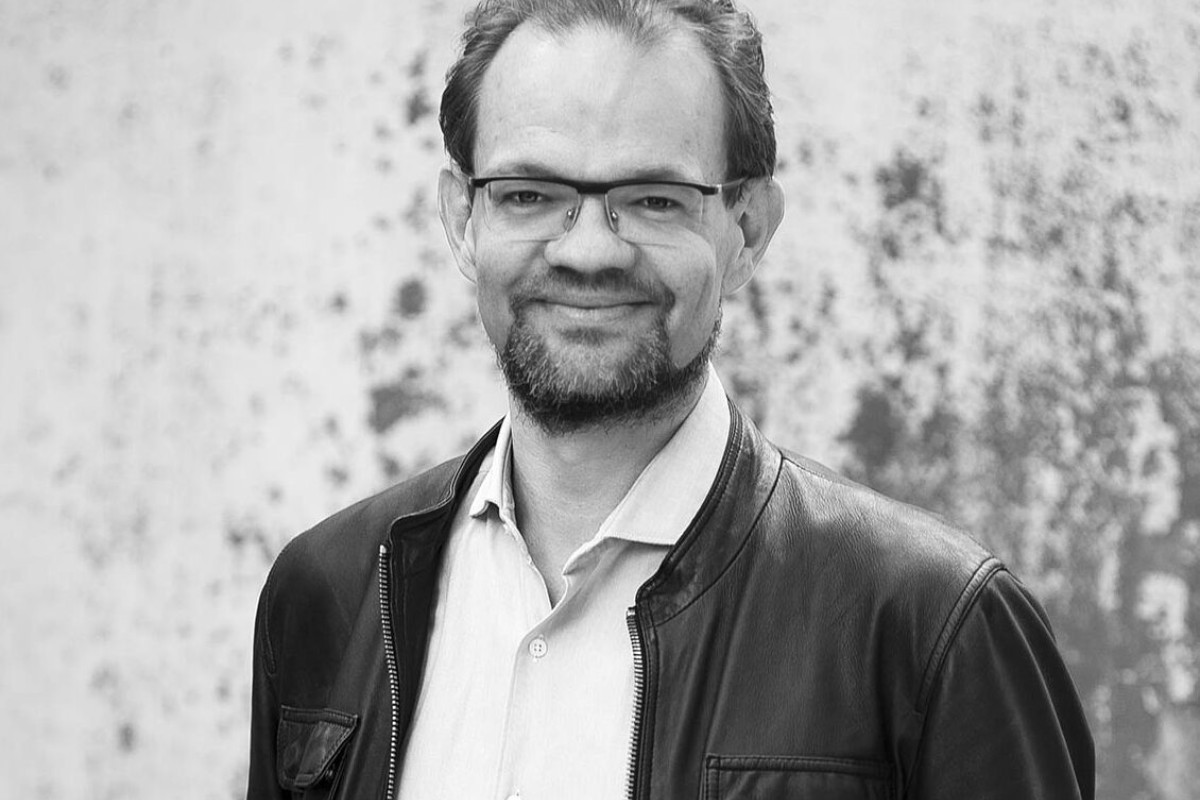
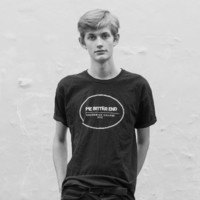
Thorbjørn Tønder Hansen has died. With Thorbjørn’s passing, the art music community has lost one of the Nordic region’s most significant producers, curators and cultural leaders.

For more than two decades, Thorbjørn worked at the intersection of contemporary music, sound art, festival management and Danish-Norwegian cultural cooperation. From 2000 to 2006, Thorbjørn was manager of the Norwegian Cikada Ensemble. In 2009, he became director of Art Music Denmark (then Snyk), a position he held until 2017, when he returned to the Norwegian cultural scene as director of the Ultima Festival. In the final years of his life, Thorbjørn served as a board member of the Foundation for Danish-Norwegian Cooperation.

Thorbjørn was a well-liked and visionary cultural leader who left an indelible mark on the music scene. I, like many other Danish artists, probably remember Thorbjørn best for his inspiring and courageous projects, such as the G((o))ng Tomorrow Festival (formerly Wundergrund). Thorbjørn was never afraid to give young and emerging artists a chance to perform, and I do not think it is an exaggeration to say that, for this reason alone, Thorbjørn had an impact on an entire generation of Danish artists.

I was still a young composition student when I first met Thorbjørn. It must have been around 2008. At the time, Thorbjørn was a project manager at Art Music Denmark, which was in the midst of developing G((o))ng Tomorrow. A festival that mixed genres and crossed artistic communities, Thorbjørn explained – a radical concept in Denmark at the time. The next thing I knew, I was standing on the G((o))ng stage at Råhuset with a group of wild young artists – musicians and composers, from both classical and rhythmic traditions, with vastly different artistic expressions and working methods. The concert that followed was hardly an artistic revelation, but the conversations, friendships and nights at the bar with a group of artists I would otherwise never have encountered opened my eyes to an entirely new way of collaborating – both artistically and in terms of cultural production.

Over the years, Thorbjørn developed many international friendships with artists and institutions from near and far. Thorbjørn and G((o))ng Tomorrow introduced countless exciting artists to Denmark while also opening new doors abroad for Danish artists. For many years, Thorbjørn was almost synonymous with Danish art music abroad and an exceptionally important link between artists, venues and festivals.

This is how I believe many people remember Thorbjørn: as an inspiring figure with forward-looking ideas, curious and courageous, and with a strong understanding of the value of international musical exchange.

The Danish music scene would not be the same without Thorbjørn. The same can be said of Art Music Denmark. Our small genre organisation has changed considerably since Thorbjørn was its director. Nevertheless, I am proud of the organisation I myself took over, and where the fundamental values from that time are still very much alive. An organisation that works to create new opportunities for artists. An organisation with a strong international network and a focus on international musical exchange. I do not believe this would have been possible without Thorbjørn’s immense and tireless groundwork.

Thorbjørn Tønder Hansen has died. He will be deeply missed, not only by artists and the cultural community across the Nordic region, but also by his many friends and collaborators around the world. Thorbjørn created connections, ideas and visions that continue to shape today’s cultural landscape. I have no doubt that his impact on the cultural life of the Nordic region will live on.

My warmest thoughts go out to Thorbjørn’s family and loved ones at this difficult time.

May Thorbjørn’s memory be honoured.

Regin Petersen
Director, Art Music Denmark

in briefrelease
07.02.2025

The Shadow of a Soundtrack

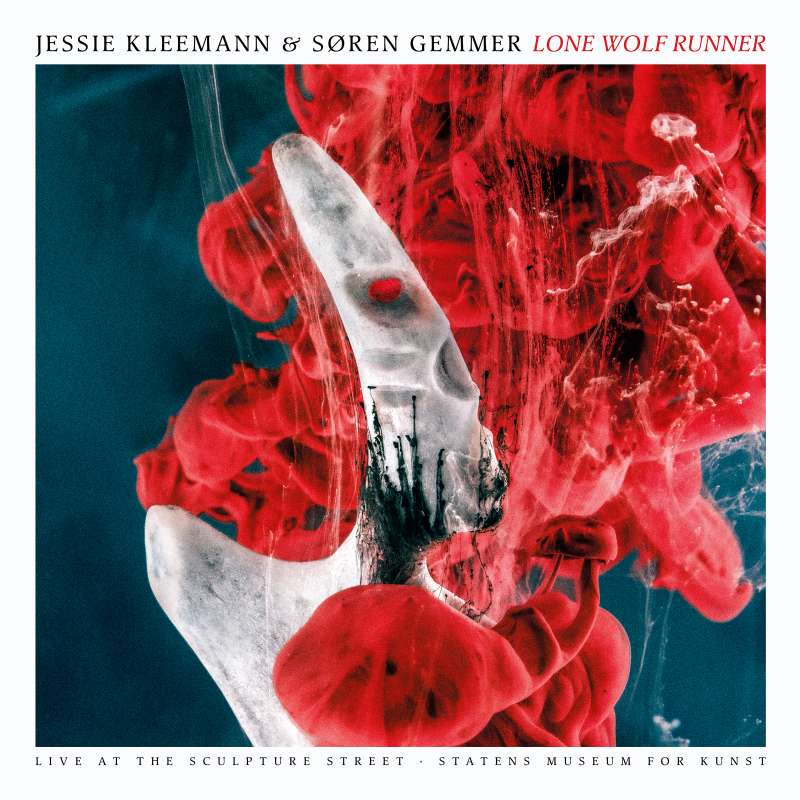
Søren Gemmer & Jessie Kleemann: »Lone Wolf Runner«
© PR
© PR

As is often the case with soundtracks, musician and composer Søren Gemmer and the Greenlandic-Danish visual artist Jessie Kleemann tread a fine line on Lone Wolf Runner, whose music was originally written as the soundtrack to Kleemann’s performances of the same name in 2023 at the National Museum. How much of the original purpose (here, Kleemann’s performances) can and should be taken out of the equation for an album release to make sense?

In the PR material, the album is presented, among other things, as a postcolonial critique and an exploration of transcultural questions, which at first glance seems highly compelling – not least in light of the current geopolitical situation in which Greenland suddenly finds itself at the center. On a purely musical level, however, the release is not as gripping as one might have hoped. It lacks a stronger anchoring in a sense of purpose behind the music. Without having experienced Kleemann’s original performance, my impression is that the absence of precisely this aspect has left gaps too large for the otherwise, in many ways, intriguing music to fill on its own. Lone Wolf Runner is filled with references and hints of drama and storytelling that never quite come into their own.

There are nevertheless many interesting and exciting moments: Kleemann’s poetic voice, shifting not only between Greenlandic and Danish, but also between heavily vocoder-processed and seemingly untreated vocals. The atonal, hesitant, yet beautiful piano melodies in, among others, »The Dancer« and »Marble«, which create calm moments infused with tension. The industrial »The Skin«, halfway through the album, plants doubt about which direction the music is leading the listener. But in the end, Lone Wolf Runner lacks precisely what was cut away in the album’s process of becoming: a performance that can bind it all together.

in briefrelease
07.02.2025

The Sinister Mastery of Shame

Ethel Cain: »Perverts«
© Silken Weinberg
© Silken Weinberg

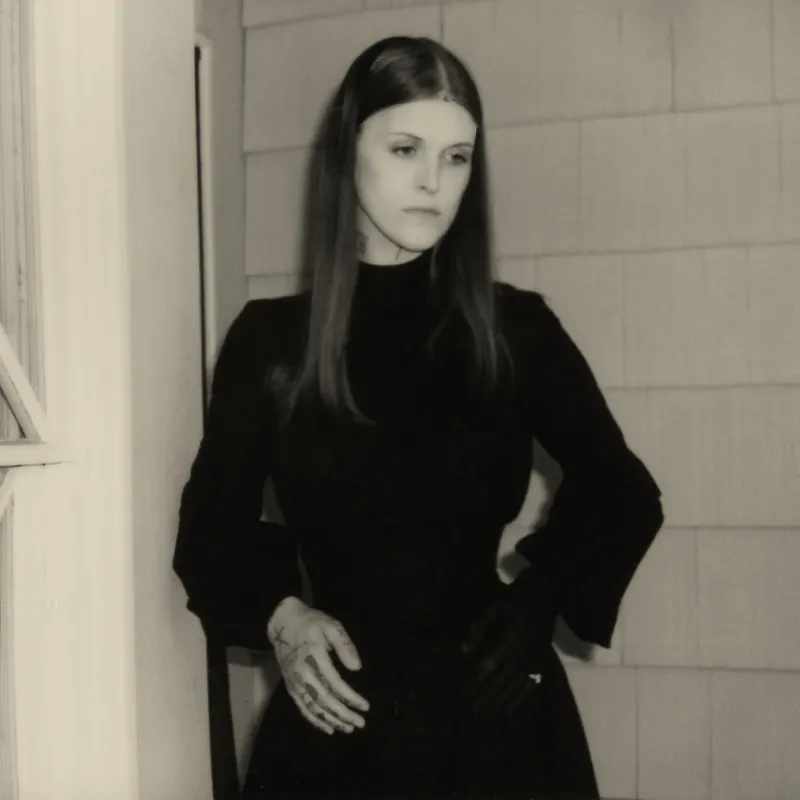
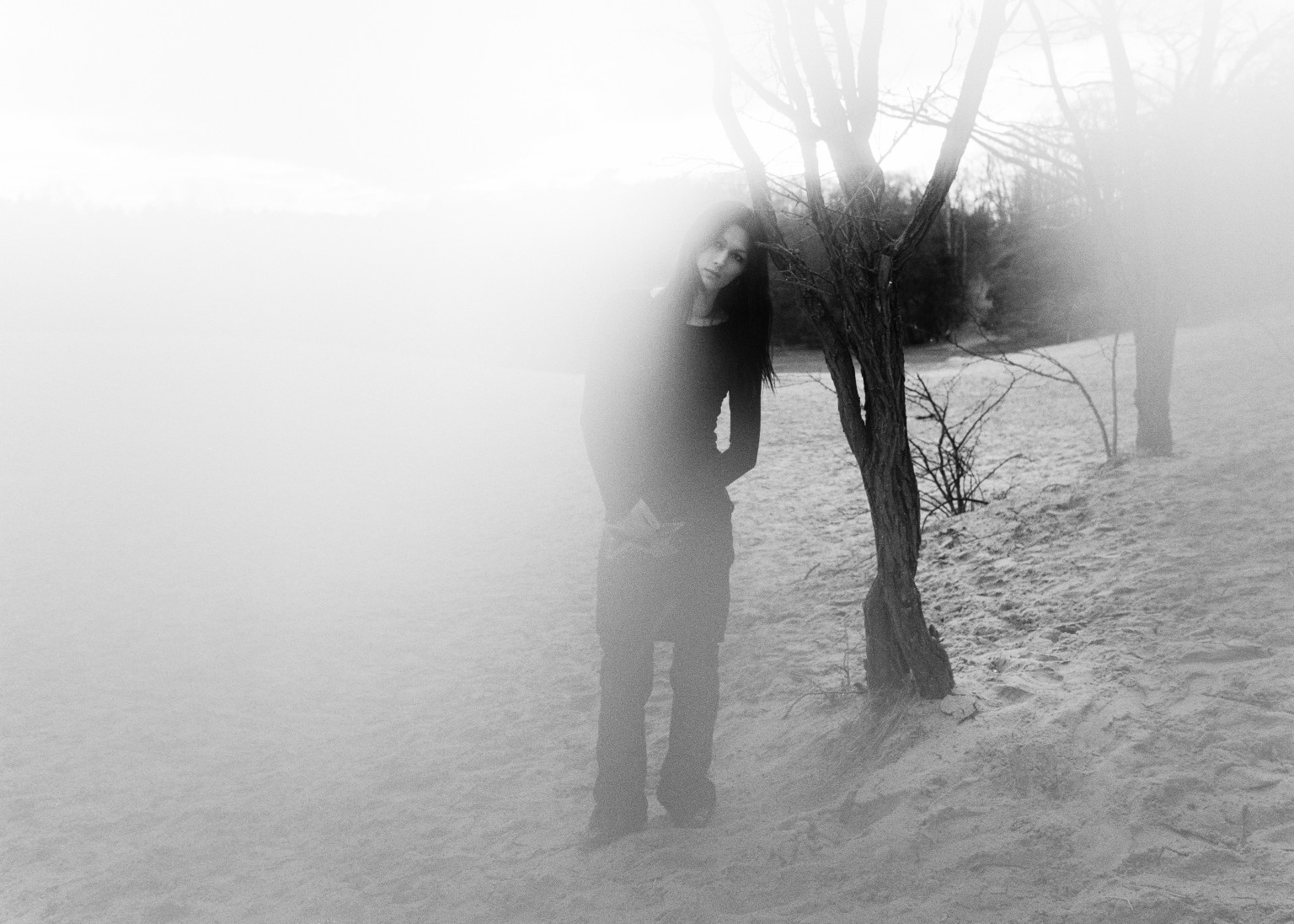
To describe American Ethel Cain’s (Hayden Silas Anhedönia) stylistic shift from her debut Preacher’s Daughter (2022) to Perverts as an extreme U-turn would almost be an understatement. The distance from the debut’s gothic lo-fi pop to this monstrous work – combining dark ambient, noise, and dystopian ballads – is vast, all the while continuing Cain’s familiar reckoning with her religious upbringing and her struggle for sexual liberation.

On paper, Perverts is an EP running 89 minutes, but it feels like far more than that. Crushing noise drones, dusty piano strikes, and distant preacher voices from crackling radios are woven together with acoustic spaces. And although the record also contains more conventional ballads such as »Punish« and the beautiful »Vacillator« – which even features a clearly defined rhythmic progression – it is the long, epic ambient tracks that draw the listener into the often harrowing darkness.

One thing is that Cain suddenly makes dark ambient; another is just how good she is at it. Perverts is not only a profoundly unsettling insight into the friction between sexuality and religious fanaticism, but also an immediate, creative, and fully realized homage to a fascinating niche genre. A necessary album for anyone unafraid of the dark.

in briefrelease
04.02.2025

The Deep Breath

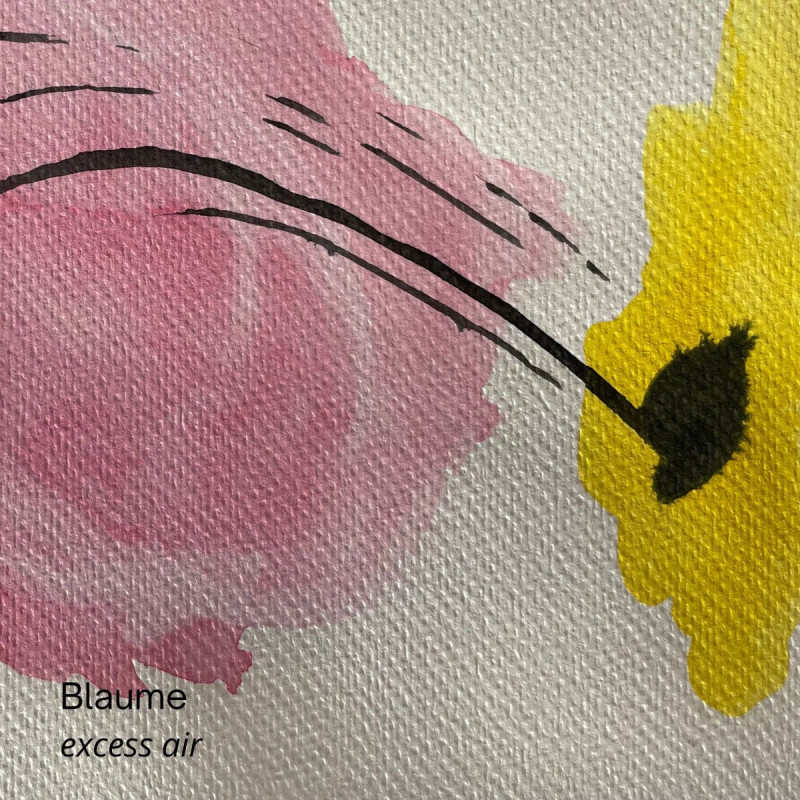
Blaume: »excess air«

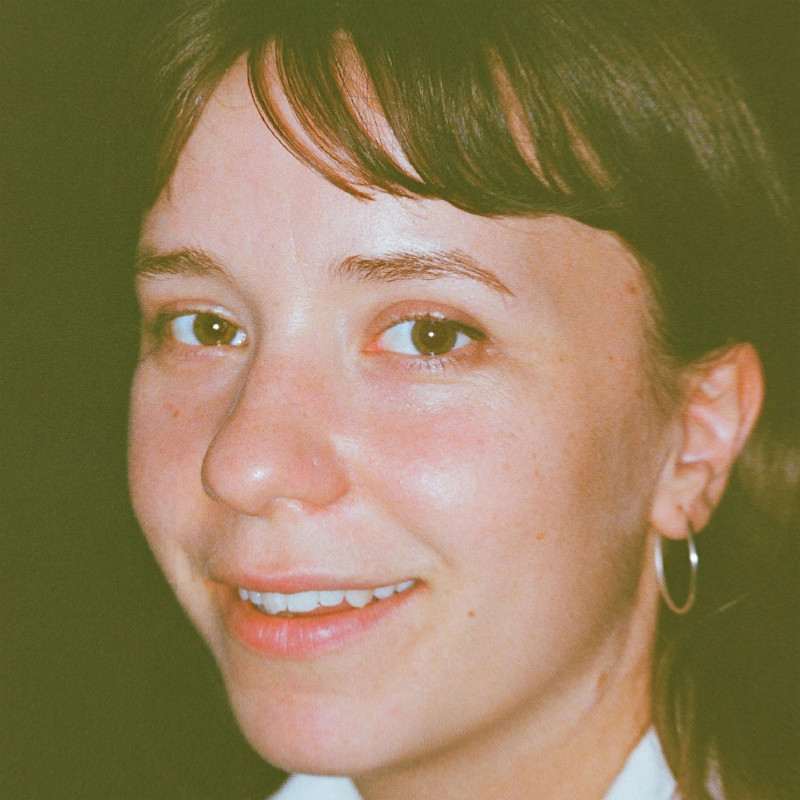
The Copenhagen-based duo Blaume’s EP excess air is a field study in the shared pulse of breathing, calmly taking a deep breath. The EP’s airy sound unfolds cyclically from the physical conditions of respiration, and with hoarse choral voices and chirping flute, the two artists – Laura Zöschg (IT) and Mette Hommel (DK) – wind their way around the healing and artistic qualities of breath.

Perhaps it is the strangely warm winter or the blooming figures on the cover, but excess air seems to carry a fragile sense of spring. The sparse instrumentation gropes its way forward improvisationally across the three tracks, and the many choral voices add a tangible physical sense of musicians at work, underscoring a feeling of tentative sprouting.

The electronic element, in the form of vocal effects and the music software Ableton, is an important part of Blaume’s expression. Vocal effects often come across as quite prominent, but when the processed voice on the track »vivus tremus« drifts into a hoarse rasp, the artificial divide between voice and effect dissolves, and the electronic becomes an obvious extension of Blaume’s shared breath.

Blaume’s excess air is a delightfully vital EP. It is music with the surplus energy to stretch far from a simple and immediate point of departure, and with a few simple means, Blaume’s debut emerges as a welcome harbinger of spring.

© Ellie Brown

»Music for me is: inevitable.« 

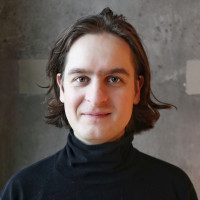
Ryong is a composer, artist & DJ that explores: Danish and Korean heritage, spirituality, embodiment, family and love, Ryong is also a member of the experimental pop band haloplus+. Across her releases, she draws on both ambient, noise and pop music, incorporating the sound of field recordings and spoken word. Having previously released on Why Be’s label Yegorka, and debuting on Posh Isolation with Isa Ryong, an 11 part work that explores transition and the anguish of complexity, Ryong has established herself as a unique artist in the experimental electronic music scene in Copenhagen.
 

in briefrelease
26.01.2025

She Makes the Music Vibrate Like a Living Organism

Astrid Sonne: »Great Doubt« 
© PR
© PR

When I first listened to the Danish violist, singer, and producer Astrid Sonne’s new album, Great Doubt, I honestly wasn’t quite sure what to make of it. I immediately noticed how extraordinary Sonne’s viola sounds on the album – such a powerful presence that it almost feels like a deeply complex living organism, breathing, feeling, and moving dramatically through the album’s nine songs.

My favourite track was without a doubt »Almost«, where Sonne’s fragile, subtly intense voice is accompanied solely by the viola’s minimalist pizzicato melody, which reminds me of a forgotten composition from Japanese new age pioneer Hiroshi Yoshimura’s masterpiece Green.

On most of the tracks, however, voice and viola are also joined by electronic rhythms, piano chords, and synth figures which, in contrast to the viola’s organic, vibrating sound, initially struck me as almost plastically artificial. To me, it sounded as if the viola and the electronics were being transmitted from two very different universes, unable to fully coexist. There was something about the contrast that felt slightly… uncanny.

Yet with repeated listens, everything begins to make sense. Sonne’s coolly understated voice is the glue that binds the entire soundscape together, as if it itself exists in the porous space between the viola’s raw natural force and the electronics’ tamed purity. I like it more and more – and perhaps I may even come to love it. Great Doubt is an album that, despite its modest running time of just 26 minutes, demands immersion and reflection – and ultimately rewards the listener for it.