in brief
23.04.2021

Lydfar, se denne film!

CPH:DOX: »Sisters with Transistors«
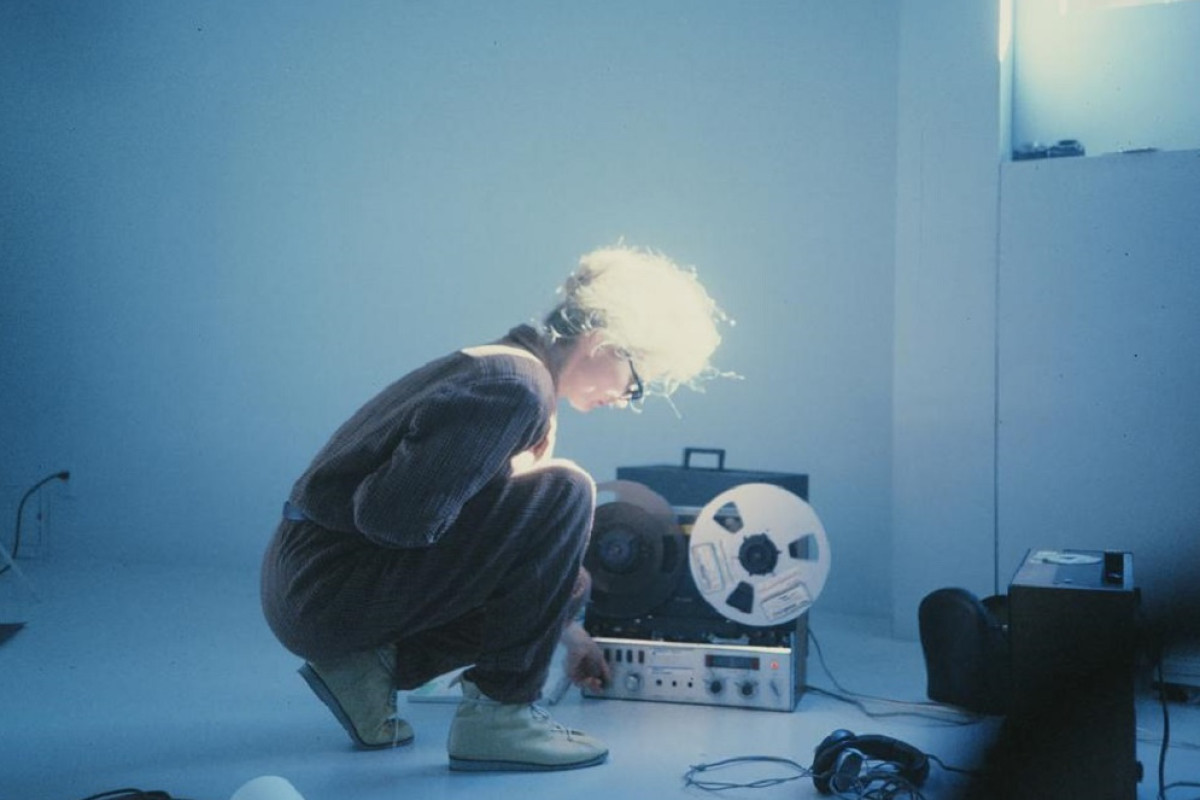
Maryanne Amacher i »Sisters with Transistors«. © Anna Lena Films

Mellem støjen og musikken er musikerens hånd, citerer Jean-Michel Jarre Pierre Schaeffer i Lisa Rovners dokumentarfilm. Og den hånd har sjældent været kvinders. Wrong! Via sjældne fotografier og optagelser – bundet sammen af Laurie Andersons speak – fortælles en fascinerende historie om kvinder, der hørte radikale lyde i deres hoveder, indfangede lyden af en elektrificeret verden og så teknologien som en befrier.

Disse kvindelige komponister mærkede the sweet mystery of noise, lyden af fremtiden og ville skabe dialoger med elektroniske lyde. Kærlighed til Tolana-båndoptagere og en ARP 2500-synth kender ikke til køn. Kig bare på thereminmesteren Clara Rockmore og Maryanne Amacher, som ville spille med lytterens fysikalitet og fik sit ramponerede hus, stoppet med maskiner fra et fysiklab, til at vibrere. Eller Laurie Spiegel, der med sit projekt »Music Mouse« omdannede den menneskevenlige Macintosh fra 1984 til et rungende, pulserende musikinstrument. Og alle de andre elektroniske søstre, som ikke ville trækkes rundt af døde, hvide mænds næser, men aktivere nye indsigter og tænke uden for kompositioner, som vi kender dem. Bum. 

Samtidige kunstnere som Holly Herndon og Ramona Gonzalez (Nite Jewel) kommenterer bedrifterne. I dag siger én af de elektroniske pionerer, at de ikke revolutionerede, men blot ønskede at sætte musikken i kontakt med sig selv. Ja, men de så moderne magi i computerne – der i starten tilhørte bankerne, militæret, forsikringsselskaberne – og var med til at gøre magien til en kunstform. Og selvfølgelig har Pauline Oliveros ret: Hvordan du lytter, har betydning for, hvordan du udvikler en kultur. Look and learn – og lyt, lyt igen, Lydfar.

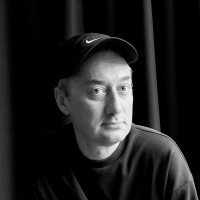
© Aske Jørgensen

»Music for us is the perfect language that we love to speak. A language where it is the individual's feelings and imagination that determine what is right and wrong. Everyone can speak the language. You don't have to be able to write or understand, but just listen. Some music requires that you listen carefully and maybe hear it several times. A bit like when you talk to someone from Norway or Sweden, you also have to listen a little extra.«

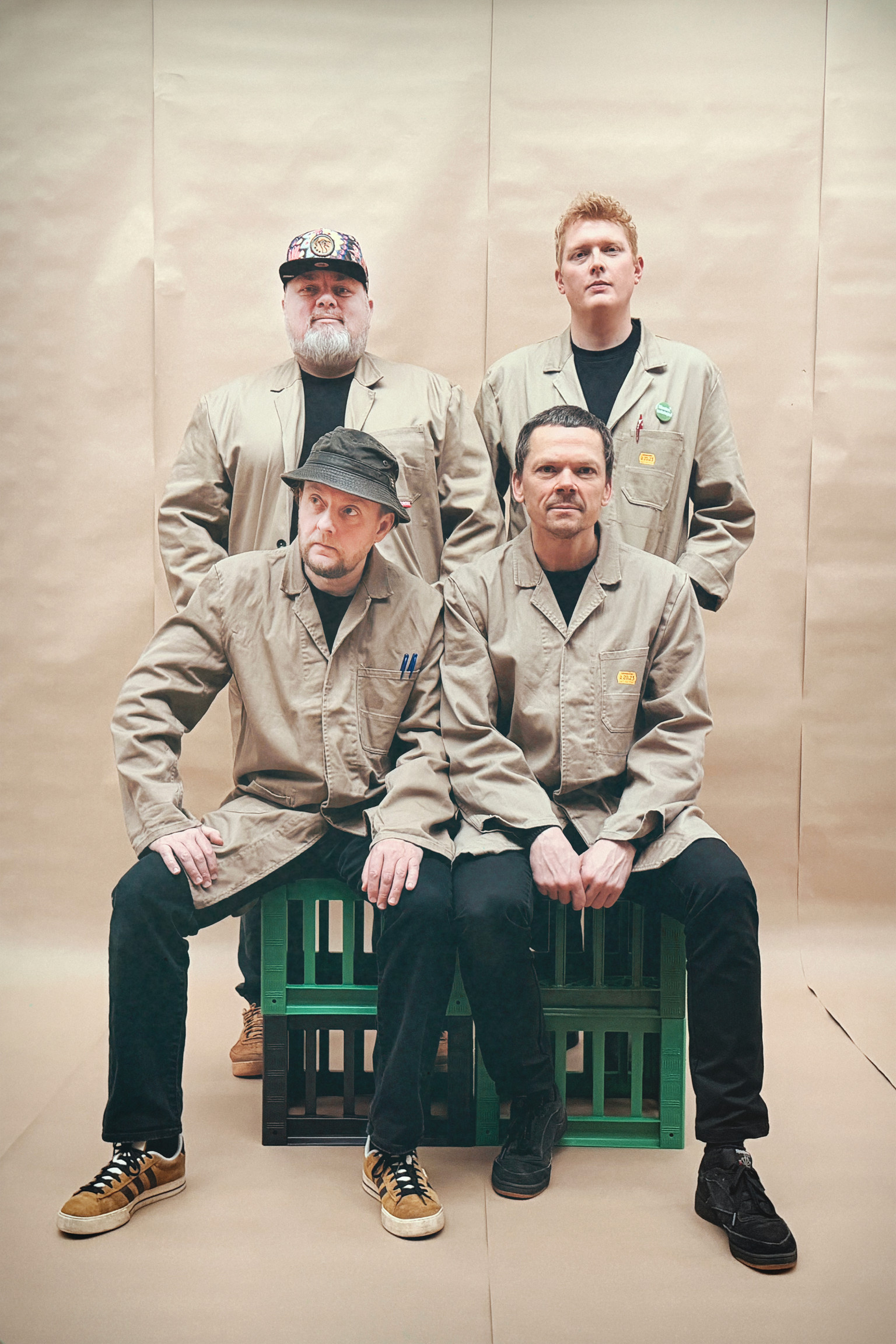
DØGNKIOSK is a Danish punk rock band with roots in Silkeborg. The band consists of bassist and singer Anders Ejner, who has been active on the Danish underground scene for several decades. Musically, DØGNKIOSK moves in a field between classic Danish punk and alternative rock. In the spring of 2026, the band will release their second album, Tæt på kanten.

© Bastian Zimmermann

It is difficult to comprehend that Andreas Engström is no longer with us. Just a couple of months ago, he wrote – as he had done so many times before – with an ambitious proposal: he wanted to review a box set of twenty releases by Dror Feiler. In the same message, he mentioned plans to come to Aarhus for the recently concluded Spor Festival.

in briefrelease
04.05

The Escape From a Hotel That May Not Exist

RÖM: »Whispering Dub«

Ladies and gentlemen, we’re deep underground – indeed, all the way to France. This EP is the latest conceptual release from French electronic producer Romain Martin, who works under the name RÖM in the borderland between ambient and techno. Whispering Dub unfolds across five tracks, drawing heavily on dub while telling a story about an escape from a fictional hotel. Escomel’s background in African percussion studies and his fondness for analog gear surface in the mysterious sonic textures and the stark contrast between arranged percussion and dubbed-out echoes, underscoring the concept’s tension between mysticism and reality.

»Oilbird« opens in dystopian ambient before sliding into the rhythmic »Eastern Temple«, which constantly shifts between filtered synths, frantic percussion, and sudden breakbeats. Things cohere more fully on the title track, which blends minimal techno into the mix and stands out by maintaining a steady pulse, while echo-laden drums cast an unsettling atmosphere within the dance framework. On the closing »Hotel Amnesia«, the narrator awakens again in a collage of the record’s electronic tendencies, questioning their own existence in the album’s only use of vocals.

Whispering Dub isn’t wildly groundbreaking or bizarre enough to push the senses into extreme reactions. But as a well-produced and effective piece of electronic music, it invites the listener into a compelling game of whispers.

English translation: Andreo Michaelo Mielczarek

in brieflive
04.05

A Trumpet, Two Illusions and a Fjord

Kasper Tranberg / Mesmer
© PR
© PR

The stage was set for a special experience on Wednesday evening at KU.BE on Frederiksberg. In the borderland between tradition and joyful madness stood birthday celebrant Kasper Tranberg, blowing his trumpet. What emerged was an insistent blend of jazz and avant-garde, laced with understated humor and delivered by a virtuoso with a calm, unmistakably Danish presence. With a wry sense of ease, he made even the most complex passages surprisingly accessible.

Tranberg presented excerpts from 12 Melodic Illusions for Solo Improviser and Melodic Illusions for Sextet with both devotion and a glint in his eye. He demonstrated how the trumpet can stand alone while still conveying abstract emotional states. Sharp trills dissolved into growling undertones, merging with the resonance of the room. At times, he employed backing tracks, creating duets with himself.

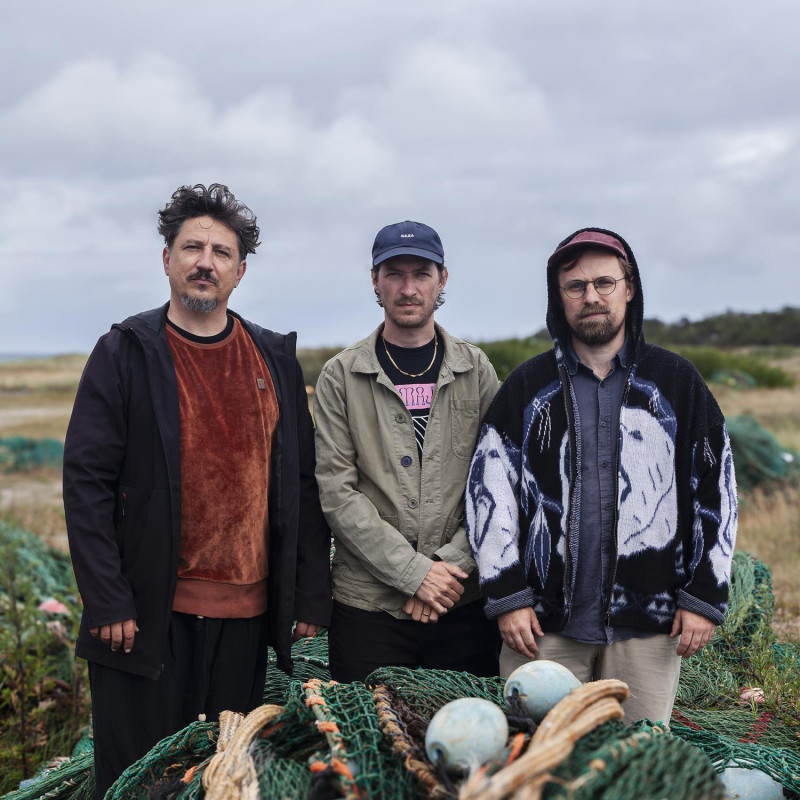
The evening’s main attraction was the trio Mesmer – Emil Jensen, Victor Dybbroe, and Anders Filipsen – who performed works from their new piece Terrain Vague II, developed through several residencies in Northern Jutland. The three compositions moved within a field of electroacoustics, contemporary music, and analogue improvisation, carrying a distinctly cinematic and nature-infused sensibility. The sonic plunges into the Limfjord were particularly striking: Dybbroe’s metal percussion and Filipsen’s lapping synth textures carved out a dark, magnetic space. In the piece inspired by Aalborg Harbour, Jensen’s trumpet cut through with long, mist-laden tones, like signals drifting in from distant ships. The result was both enchanting and, at times, deeply inspiring. It was a concert that, for now, refuses to loosen its grip on me.

English translation: Andreo Michaelo Mielczarek

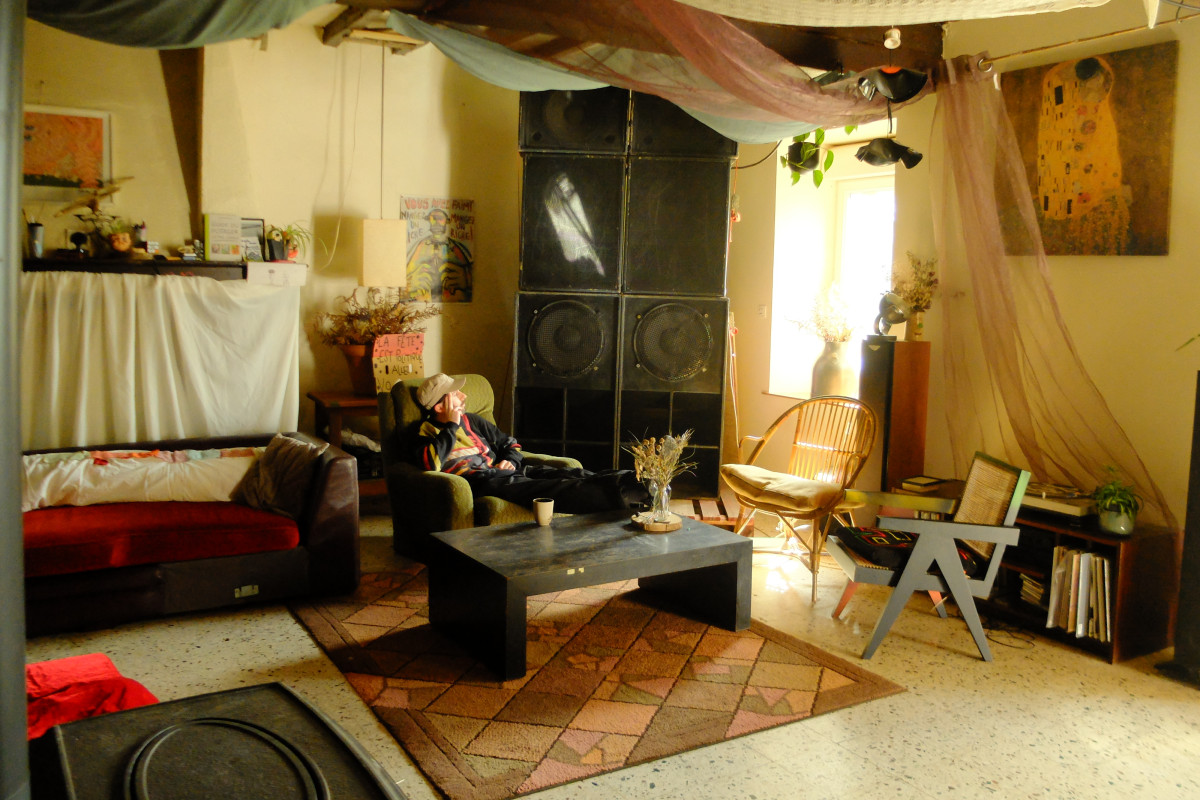
© Angela Ankner

»The five tracks I'm listening to right now are recordings I discovered either four weeks or 40 years ago. They all bring me joy and inspiration. They represent who I am right now. They carry me. I feel at home and in my happy place when I listen to them. They are an integral part of my sonic persona.«

Holger Schulze is professor in musicology at the University of Copenhagen and principal investigator at the Sound Studies Lab. His sonic anthropology explores how sounds and listening in the 21st century stabilise, disrupt, and permeate everyday life. Artistic practices and everyday objects are both of equal concern to his sonic critique. Currently he works on The Bloomsbury Encyclopedia of Sound Studies in 3 volumes (as one of three editor-in-chiefs together with Jennifer Stoever and Michael Bull) and on The Bloomsbury Handbook of Sound in Museums (together with Alcina Cortez, Gabriele Rossi Rognoni and Eric de Visscher). His publications include: The Bloomsbury Handbook of the Anthropology of Sound (2021, ed.), Sonic Fiction (2021), The Sonic Persona (2018), Sound as Popular Culture (2016, co-ed.)