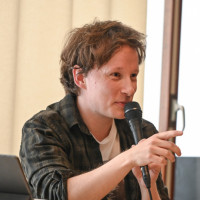
Niels Rønsholdt
51







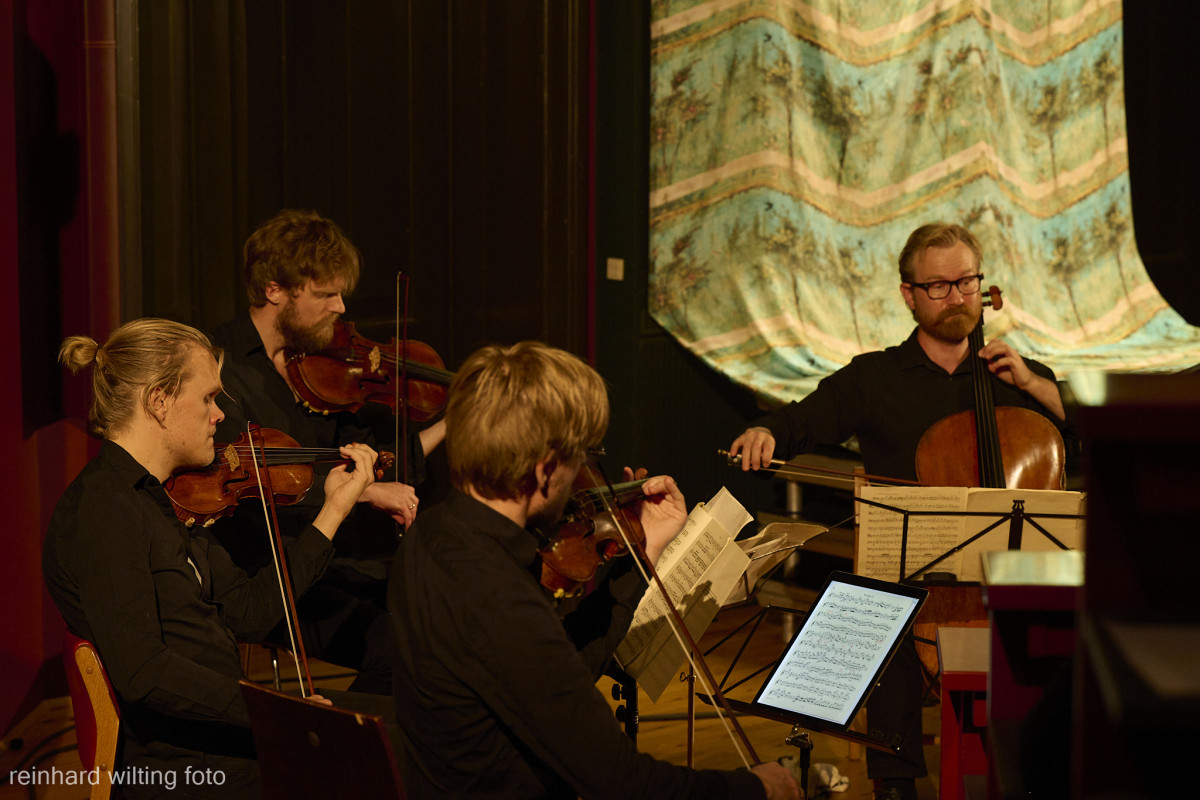
Ideen fejlede ingenting: lige at komme ud og høre et par nye strygekvartetter. Det havde været så længe siden! Selveste Danish String Quartet med nyt fra næsten lige så selveste Bent Sørensen. Og et megaværk fra altid alt for uberømmede Niels Rønsholdt. Det burde ikke kunne gå galt.
Men hvad havde dog den fabelagtige Sørensen rodet sig ud i? Efter tre kvarters opvisning med Schuberts sprudlende, glødende, men trods alt ubønhørligt lange Kvartet i G-dur satte DSQ gang i Sørensens Doppelgänger. Som altså viste sig at være det sidste, man orkede i øjeblikket: en halv times remix af Schuberts værk! I nye klæder, natürlich, men forvandlingerne havde karakter af fikse idéer, der gjorde Sørensen mere menneskelig, end jeg huskede ham fra pragtværket Second Symphony.
Hvad der virkede elegant i symfonien – idéer, der cirklede spøgelsesagtigt rundt i orkestret – blev forsøgt genanvendt fra start i kvartetten. En simpel durakkord blev sendt på mikrotonal omgang mellem musikerne, så det til sidst mindede om forvrængninger i et spejlkabinet. Manøvren havde øvelsespræg, koketteri var indtrykket.
Derpå fulgte buer, der faldt ned på strengene som en hård opbremsning. Tyve minutter senere var figuren tilbage, men nu vendt om til accelerationer. Et forsøg på at fremvise sammenhæng i et værk, der ellers virkede unødigt rodet og sprang fra koncept til koncept? Lidt glidninger på strengene; dæmpning for at skabe en sprød cembaloklang; en lang, sfærisk passage; tilbagevenden til Schubert og tonika. Den gode Sørensen var blevet sin egen dobbeltgænger i processen, halsende efter forlægget. Jeg tillod mig et frederiksbergsk »åh!«.
Iført nye forventninger troppede jeg op til Rønsholdts 100-satsede Centalog to dage senere. Milde skaber, dette var endnu værre! Bag heltemodige Taïga Quartet tikkede et antikt vægur ufortrødent i samfulde 75 minutter. En fornemmelse af eksamenslæsning hang over os. Nøgternt præsenterede Rønsholdt selv de kommende satser hvert tiende minut: »10 left, 11 left, 12 left« eller »40 right, 41 right« og, koket, »13 left, missing item, 15 left«. Handlede det om læseretningen i noden, om strøgets bevægelse? Klart stod det aldrig, men tænk, om man blev hørt i lektien senere.
Fra Taïga lød febrilske fragmenter med aleatoriske linjer og abrupt dynamik; store følelser var spærret inde. Det forekom fortænkt, uvedkommende. Og med uvanlig distance mellem koncept og toner: Kun to gange undervejs spillede de kliniske opremsninger en smule med i musikken, da musikerne udbrød et bestemt »left!« her, et »right!« der. Hvor var Rønsholdts velkendte performative overskud? Mystisk. Fra væggen lød det blot: Tik-tak, tik-tak.
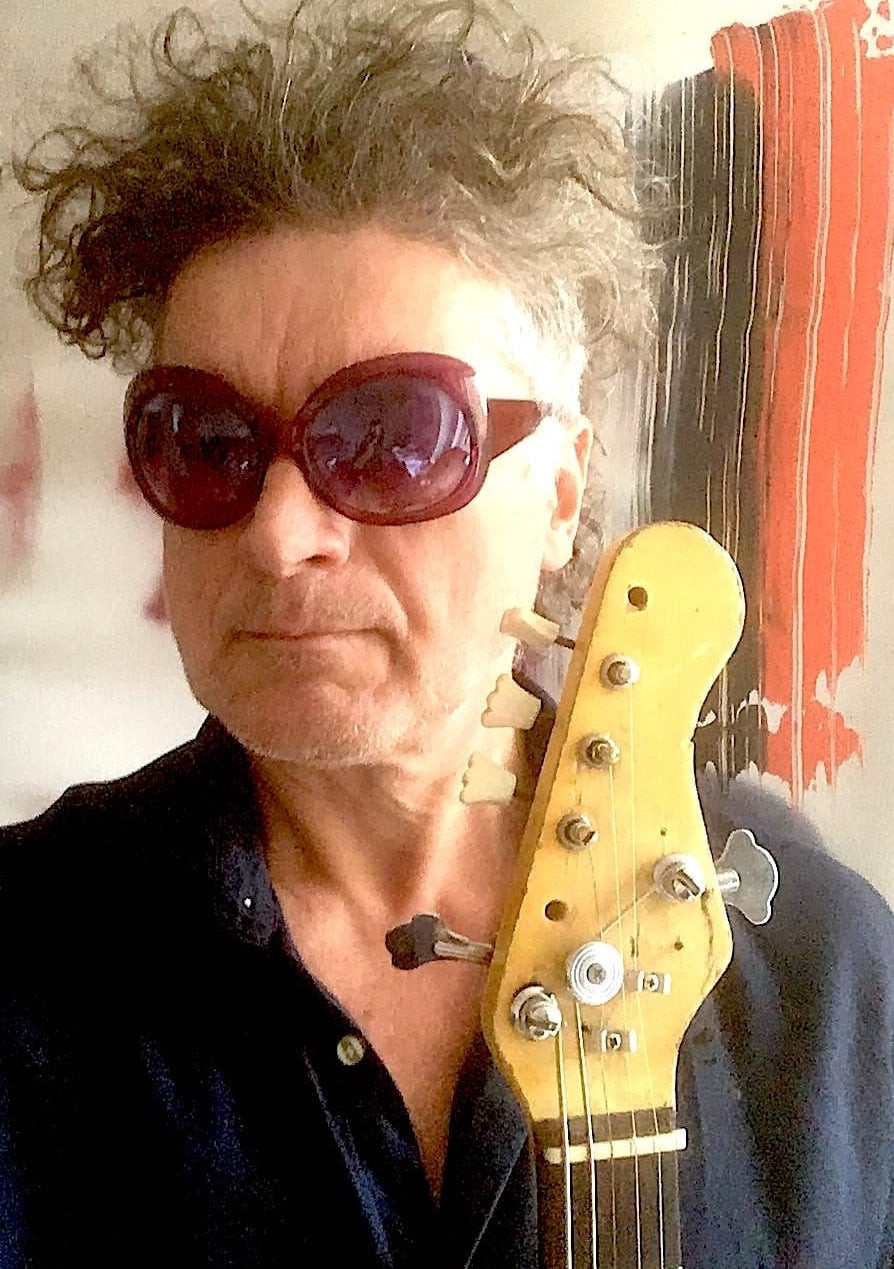
»Music, to me, is … the silence that gropes – like yourself – across a black canvas.
In moments, a hissing emerges.
Nuts are cracked.«
Jørgen Teller has a long career as an electric guitarist, vocalist, electronic musician, and performer. He has released records solo as Static Teller and with Jørgen Teller & The Empty Stairs, Kaptajn Ørentvist … He frequently collaborates with local and international musicians.
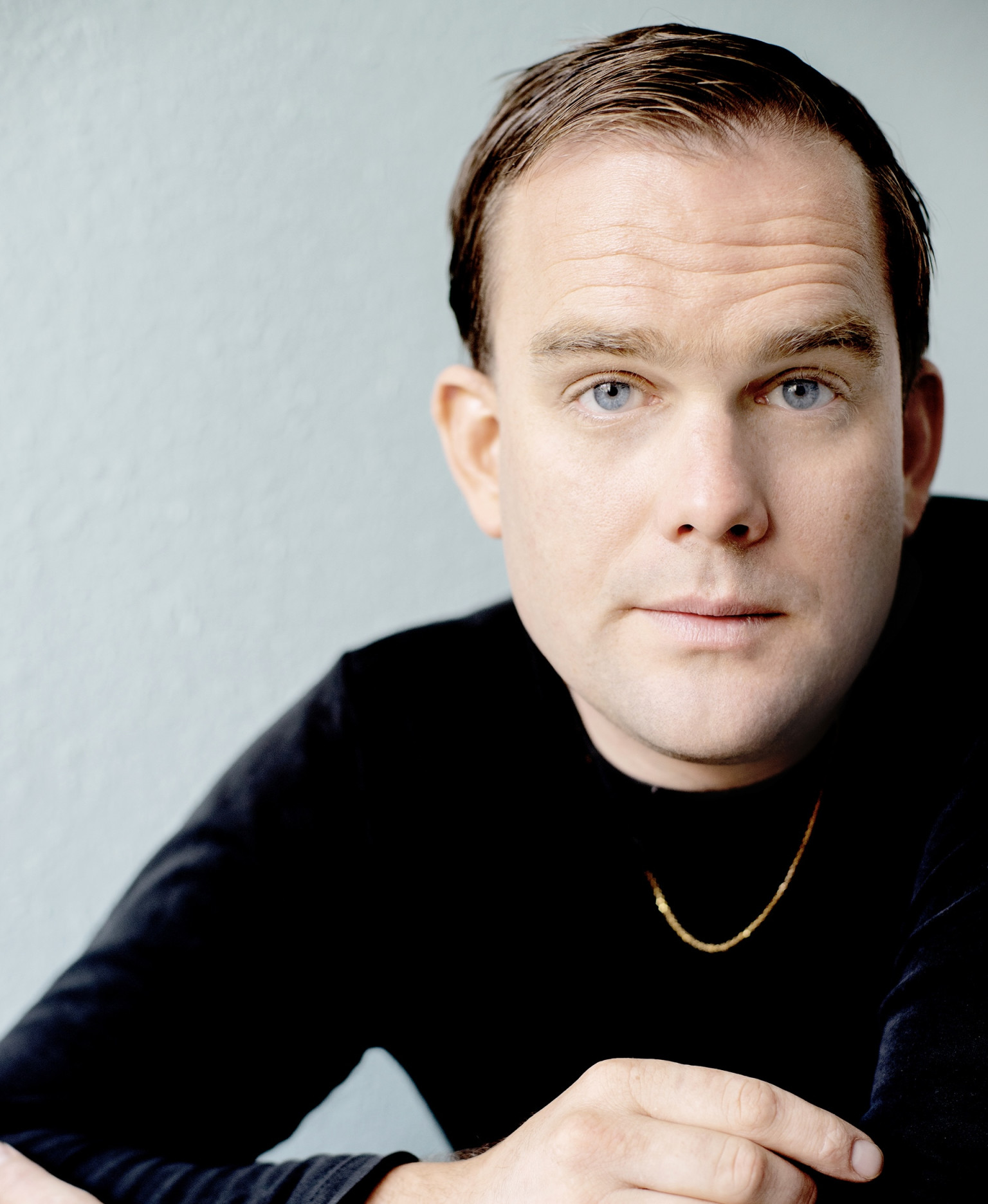
»For me, music is a non-figurative process that cannot be definitively categorised.«
Kristoffer Raasted graduated as a visual artist from the Media School at the Royal Danish Academy of Fine Arts in 2018 and is currently completing a PhD in practice-based and artistic research. Raasted has been an artist in residence at the Danish Institute in Rome and a visiting researcher at UdK Sound Studies in Berlin as part of his PhD.
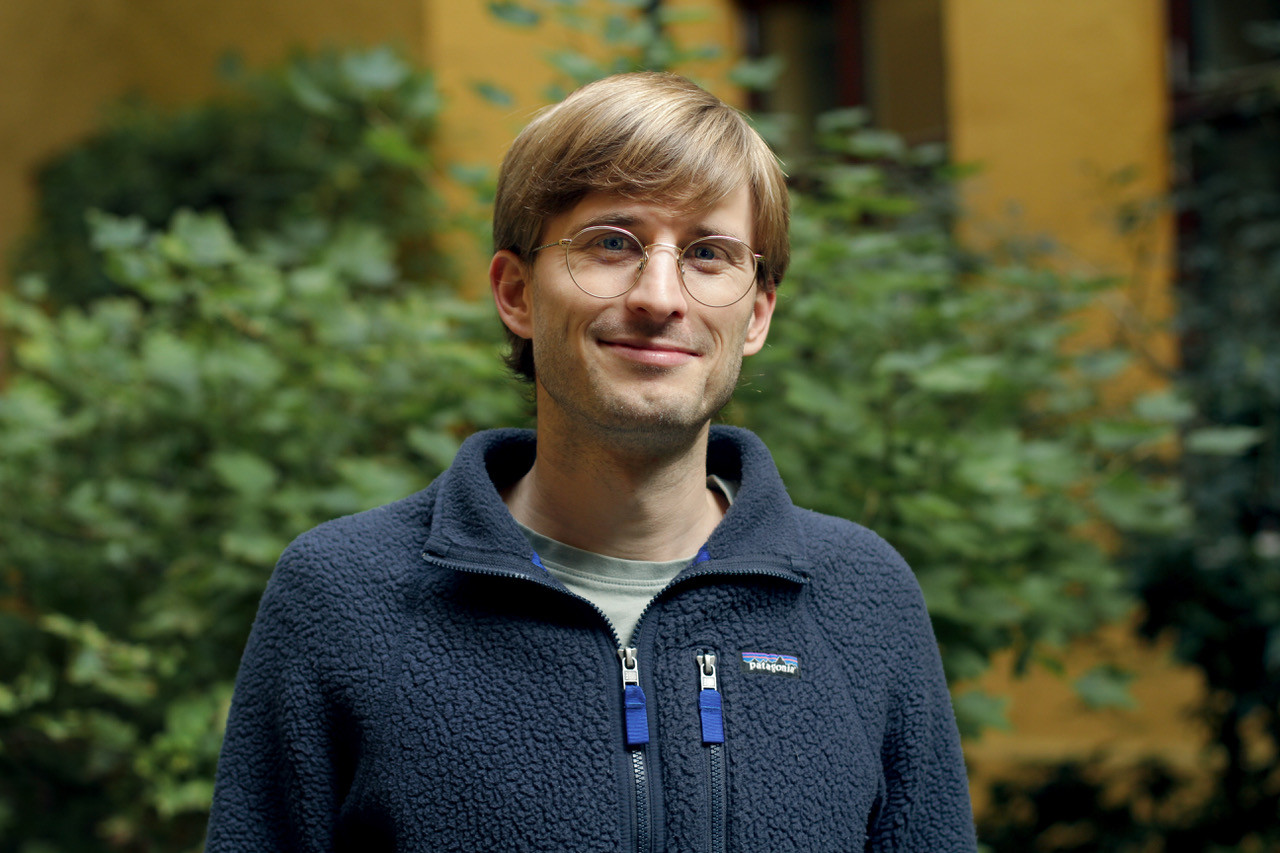
»When I search for new music, I search for sound that evokes images in my mind. It is fuel, a gateway to emotion, and my most important writing companion. When inspiration lapses, music is the tool that always jumpstarts it.«
Iain Forbes is a Scottish/Norwegian film director based in Oslo. He has studied film directing at Nordland College of Art and Film and the Norwegian Film School. His graduation film Revisited won a Student Academy Award in 2023. He has previously directed short films such as Snowman (2015) and Semper Fi (2017). His latest short After Dark won Best International Short Film at the Oscar-qualifying Foyle Film Festival in 2024

»Music, to me, is a companion through life, a premise, an excuse, a mystery, an explanation, a point of departure. It is old ideas, overlooked treasure chests, new angles, long concerts, doubt and conviction. It is words, tones, cracked voices, different points of departure, bass in the diaphragm, falsetto in the hair, challenges, rewards, and love.«
Nikolaj Nørlund made his solo debut with Navnløs (1996), an interpretation of poems by Michael Strunge, and released Nye Optagelser (1997) the following year, his first Danish-language singer-songwriter album. He has since worked broadly across music and poetry and is behind around 20 releases, both solo and in various band constellations. Nørlund’s projects range from collaborations with Copenhagen Phil on two orchestral albums, created together with author Naja Marie Aidt. His most recent release is the single »Englenes Park (nu ikke saa dark)«, the forerunner to the album Himlen skiftet ud, due for release at the end of November. In addition to his own work, Nørlund has, through the record label Auditorium, produced and released a number of Danish artists, including Niels Skousen, Ulige Numre, Jens Unmack, I Got You On Tape, and Martin Ryum. He was previously a member of Trains And Boats And Planes and periodically works with the English-language project Rhonda Harris. Nørlund has received a Danish Music Award (2003) and a Steppeulv (2006), both as Producer of the Year, as well as the Niels Mathiassen Cultural Award (2012).
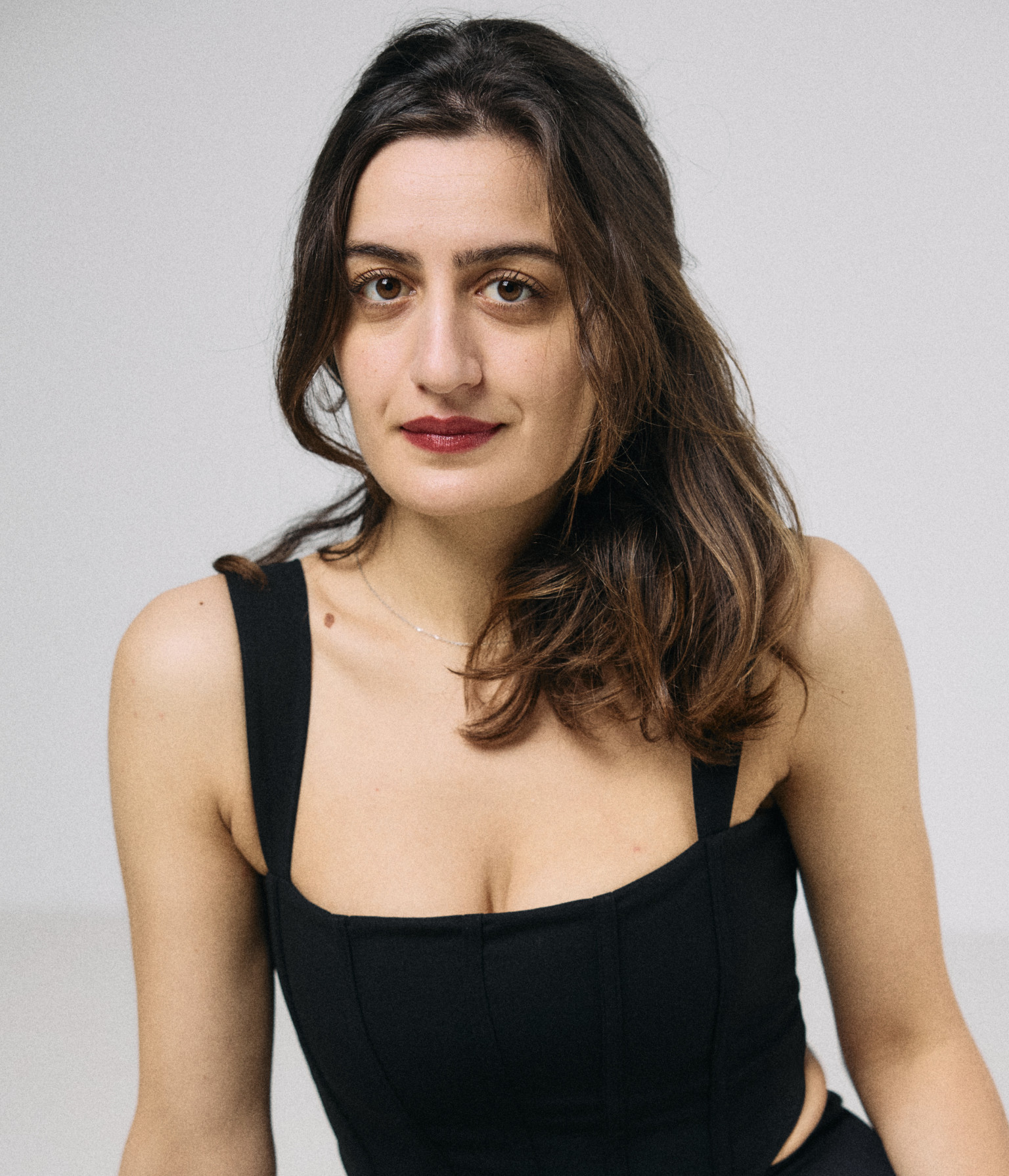
»Music and sound for me is a language, the most present and fleeting one. It’s something that passes through your heart and becomes the past in a second. Music amplifies every emotion, love, happiness, anger, sadness a thousand times over, making me feel everything more deeply and sensitively.«
Sophia Sagaradze is a sound artist, composer, and performer from Georgia, based in Denmark. She experiments with space, multichannel electronics and audio-visual installations. Sagaradze is interested in creating works that explore the boundary between external and internal experiences of space. She holds a bachelor’s degree in classical composition from Tbilisi State Conservatory and a master’s degree in electronic composition from DIEM Royal Academy of Music, Aarhus/Aalborg. In 2022, she received the Carl Nielsen and Anne Marie Carl-Nielsen Foundation’s Talent Award in Composition. Sagaradze has performed in several countries, received commissioned works for ensembles, performed live and created audio-visual installations. She is a founder and artistic director of Aarhus Sound Association (Aarhus Lydforening), Project leader at ROSA and a lecturer at the Royal Academy of Music, Aarhus/Aalborg.