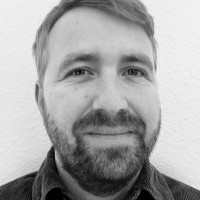
Niels Rønsholdt
51





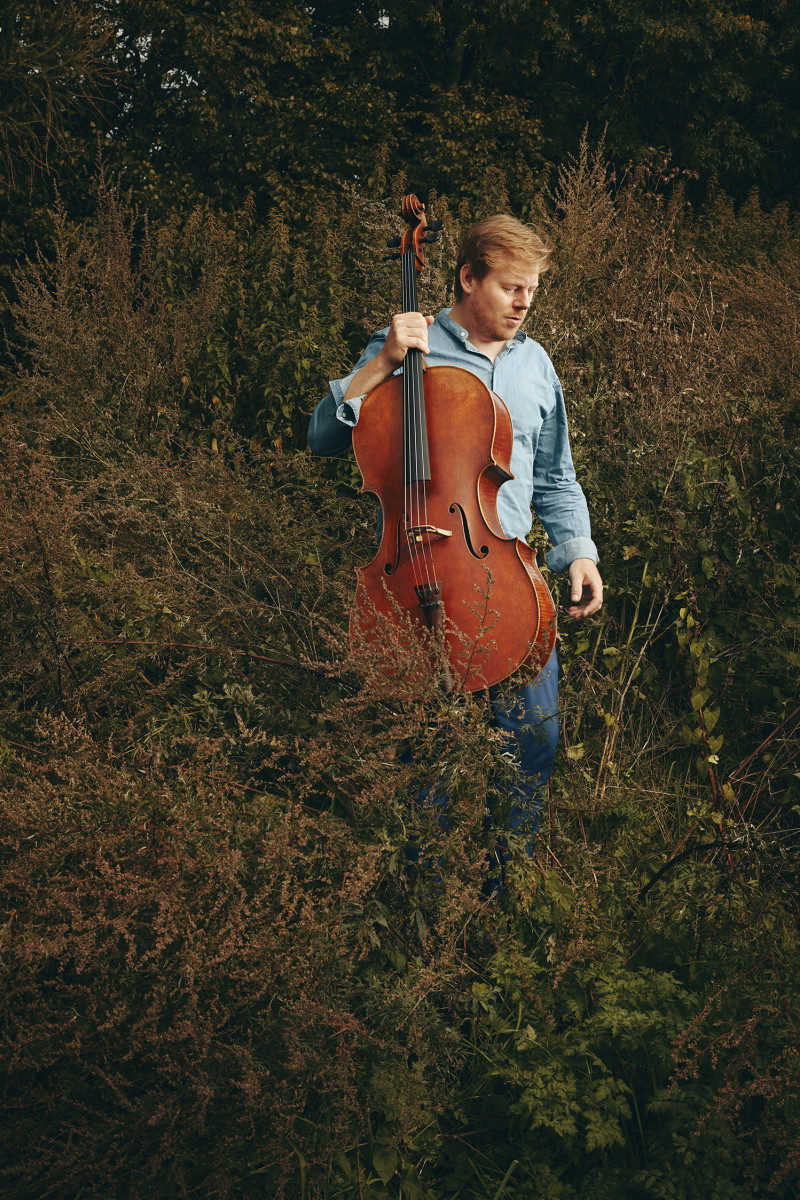
Lad os bare få fyret konfettikanonerne af med det samme. Carl Prisens hæder som årets komponist 2021 vejer ikke for tungt på skuldrene af Niels Rønsholdt, hvis du spørger mig. Den indspillede udgave af cellokoncerten Country – bestilt af hovedrollen Jakob Kullberg – er så vellykket, at den sagtens kan bære en triumfbue af statuetter og rosende ord.
Den rønsholdtske signatur er ikke til at tage fejl af. Det handler om performerkroppen. Kullberg vender celloen 45 grader, omfortolker den som westernguitar og synger inderligt om en oprindelsesløs tid i det erobrede Amerika. En følsom trubadur omgærdet af bittersøde molklange, der både smager af hjemløs saloonfolklore og fremmedgjort Broadwaymusical.
Rønsholdt vinder ikke nyt land i arbejdet med solistrollen, hvis altså man hører Country som et frigørelsesprojekt. I stedet hører jeg på indspilningen en nøjeregnende sammensætning af autenticitetsmarkører. Trubadurismen gør et godt modspil til institutionssolisten, der pligtskyldigt river og flår i strengene, som vi hører det på »Trees (I)«. På »We Don’t Ride the Same Horse« stivner disneydramaet i refrænet, idet prærieidentitetens blå tone falder på det mest karikerede 1-slag i affraseringen.
Den største fornøjelse er ikke Kullbergs hovedrolle men derimod det birollecast af samplestemmer, som dikterer flowet, klangen og det solistiske fokus i værket. Stemmerne skaber legeringen mellem komponist, orkester og solist: en sammensat krop. Autenticiteten kommer alle mulige steder fra, lader værket til at fortælle os. Den er ikke kun repræsenteret i det oprindelige, nærværende og skrøbelige.
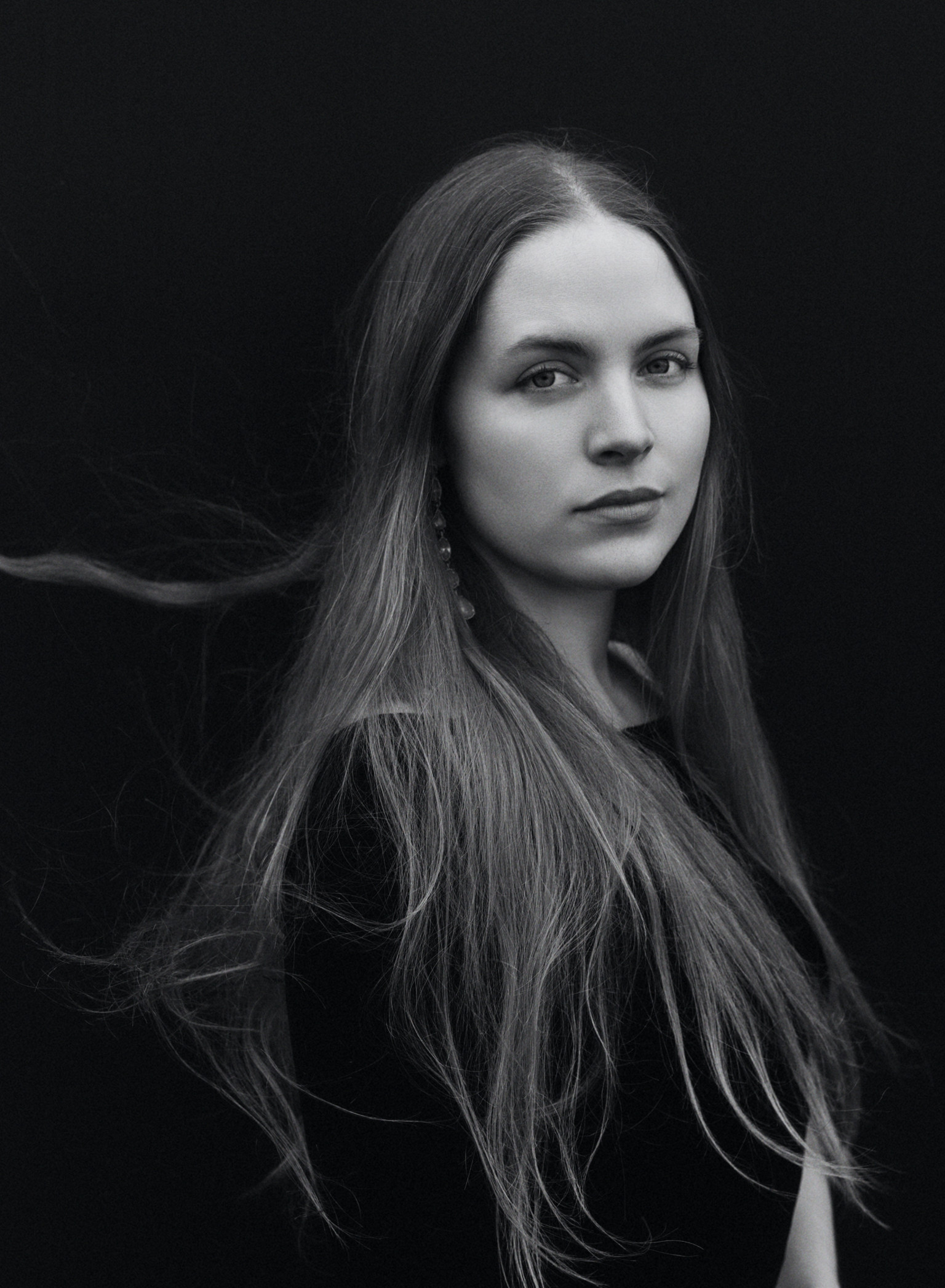
»Music, to me, reflects human experience and allows us to find ourselves on an entirely existential level, beyond language. It feels like a shared realm to which we all have access. Music may be the art form that requires the least intellectual processing (although it can certainly involve that, too!). Because it consists of sound unfolding over time, we must recreate its colours and emotions within ourselves. This can happen rapidly, as if we were possessed by a force from outside. Music contains many layers of codes to which we relate in both similar and different ways. Some of these codes, such as pulse, resonate with unconscious levels within us that date back to prehistoric times. Other layers, such as familiar musical references, speak to the modern, cultivated human being. This interplay makes music uniquely stimulating! In cultural policy discourse, art is often reduced to an instrument for something else (which it certainly is and can be, too). In doing so, we forget art’s intrinsic value.«
Solveig Sørbø is a composer, music producer and artist who creates classical music and alternative pop. She composed the music for the documentary Hans pluss Liv (NRK), and a piece from the film was later performed by KORK (the Norwegian Radio Orchestra). On the occasion of the 2026 solar eclipse, she composed an orchestral work connecting Dante’s metaphysics with the physics of celestial bodies.
Solveig has previously worked in academia on innovative projects such as MusicLab (the edition featuring DSQ was named Event of the Year by DR), as well as as a radio journalist and presenter for NRK and radiOrakel. With a methodological approach to art, Solveig seeks to create music that moves people.
Her critically acclaimed opera Heroin chic, with a libretto by award-winning author Maria Kjos Fonn, premiered at the Classix Festival in Romania in 2025 and received its Norwegian premiere at Parkteatret in Oslo in February 2026. Following this, Ballade dubbed her »Music’s Klæbo«. Solveig is currently working on an opera based on Ibsen’s The Wild Duck, among other projects, and preparing a concert with the band Naturhistorisk.
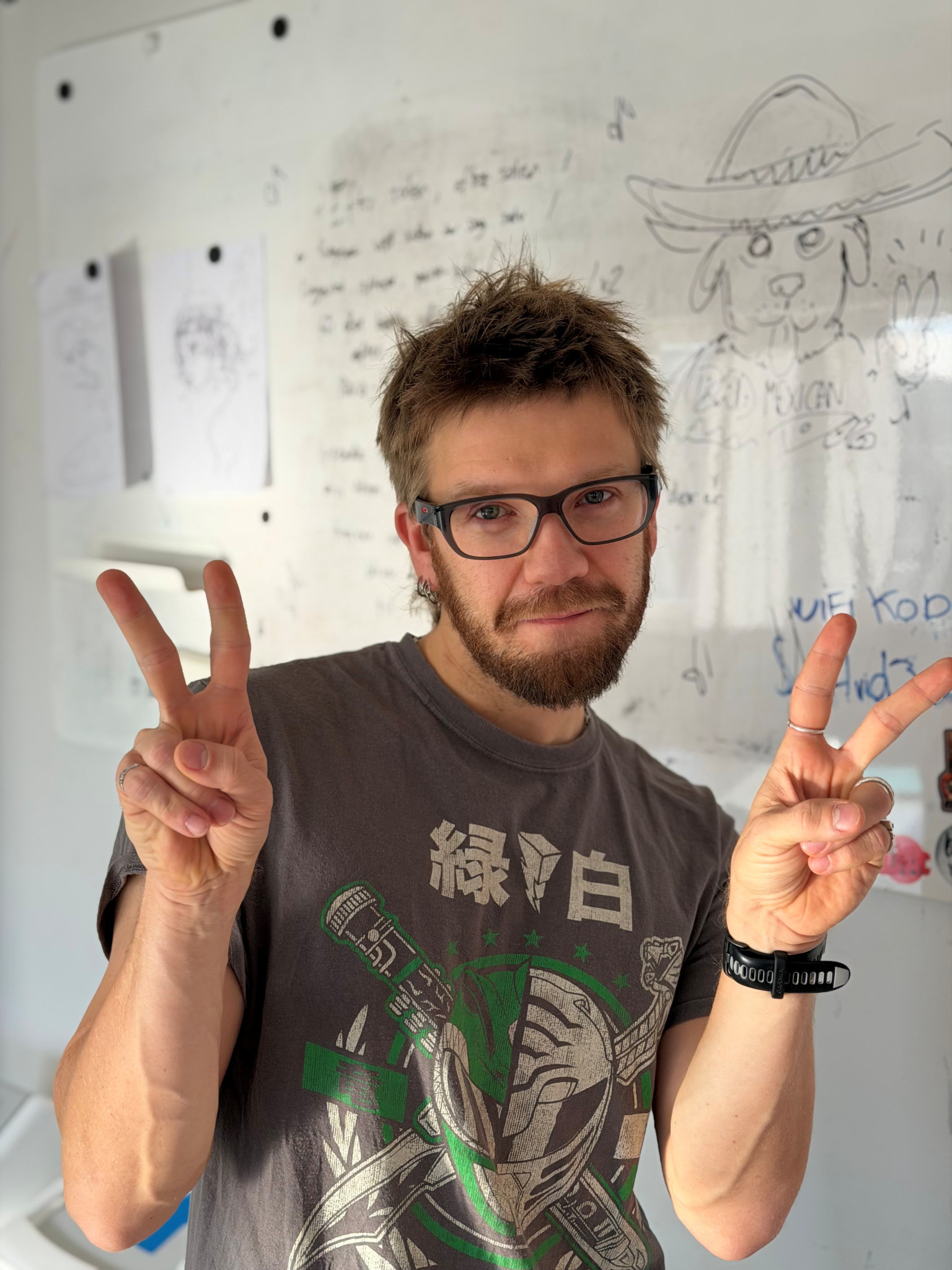
»I listen a lot to music from games that I play myself. Furthermore, through my work as a director, I am introduced to a wealth of fantastic music by my wonderful colleagues on every new project. I use music as a tool in my theatrical processes – both to get into the right mood when preparing to convey meanings and directions to the artists, designers, and performers involved, and simply to wake up in the morning while making my coffee. Music often communicates more clearly than words; much like scenic actions and visual expressions, it can be highly precise in conveying emotional content – often more so than the spoken or written word. I love that kind of affect!«
Emil Rostrup is a theatre director. In recent years, he has directed productions such as Bad Mexican Dog (2026) at Sort/Hvid, Crip (2026) at Revolver, Klodshans og Prinsessen (2026) at Aalborg Teater, Prometheus (2025) at Nørrebro Teater, Vi, de druknede (2025) at Republique, and Pow Pow Pow (2024) at Revolver.
He graduated from the Danish National School of Performing Arts in 2020 as a theatre director. His graduation production was Woyzeck Ehxibited – a devised paraphrase of Georg Büchner’s classic, Woyzeck.
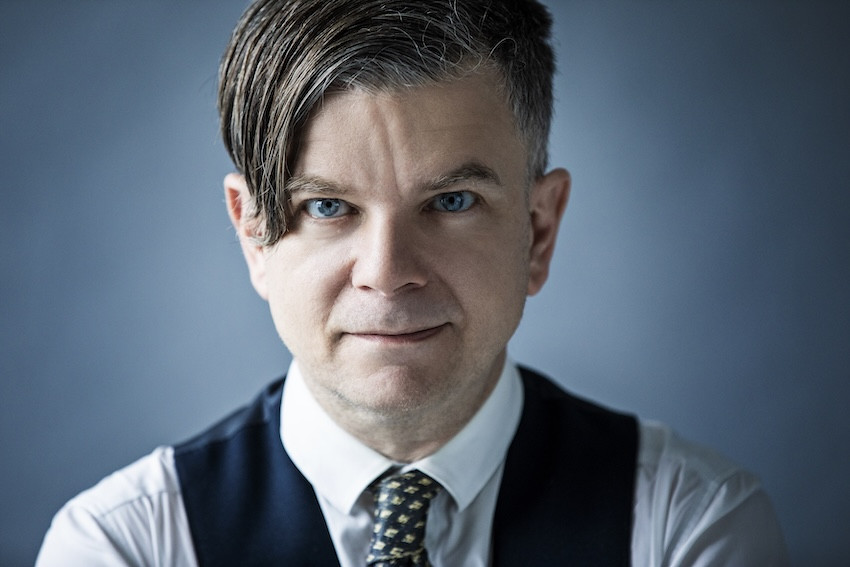
»Who ever said that music is ‘just’ music? To me, it is anything but that: an urge to understand and explain it all. A piece of jewelry I wear every single day. A joy that can, at times, run deep. An ever-changing imprint of millions of stitches in my heart. A longing to disappear.«
Henrik Marstal is a musician, author, and music researcher. He holds a PhD in musicology, is a senior lecturer at the Rhythmic Music Conservatory, and frequently appears in the media as an expert source on music. His areas of interest include contemporary music, such as electronic music. This winter, he will release both a new album with the pop group ibens and a book about Else Marie Pade, published by the British publishing house Bloomsbury.
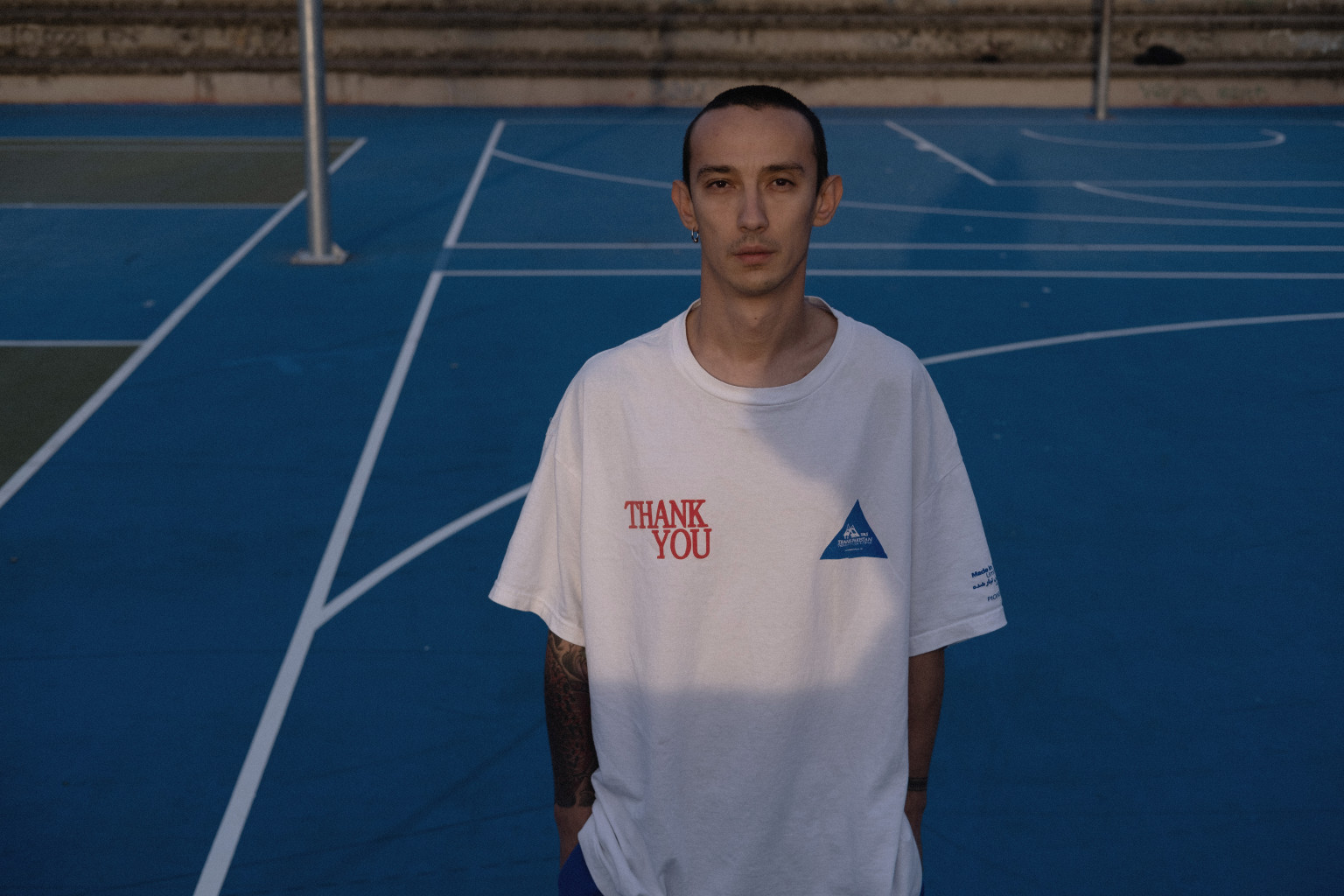
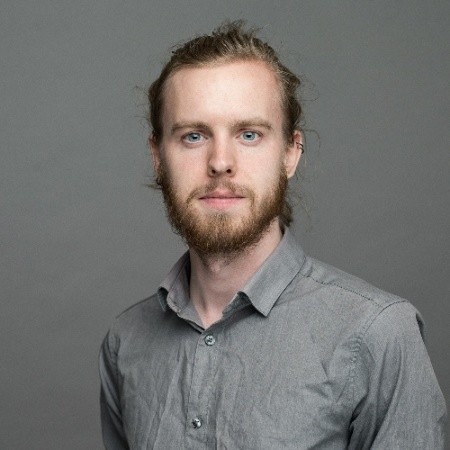
»For me, music is a kind of secret path – a gateway to emotions, thoughts, and ideas that might otherwise be difficult to access. It serves as a shortcut to daydreaming and creativity – to those moments when I feel most connected to my own humanity and that of others. Through music, my own life intertwines with the artist’s, and together we create something entirely new.«
Kristoffer Møllegaard holds an MA in Russian Language and Culture from the University of Copenhagen (2017), with a specialization in future speculation within Russian art and philosophy. He writes regularly about Russian culture and, in his spare time, is active as a visual artist and amateur saxophonist. He has been a contributor to Seismograf since 2020.