Niels Rønsholdt
51





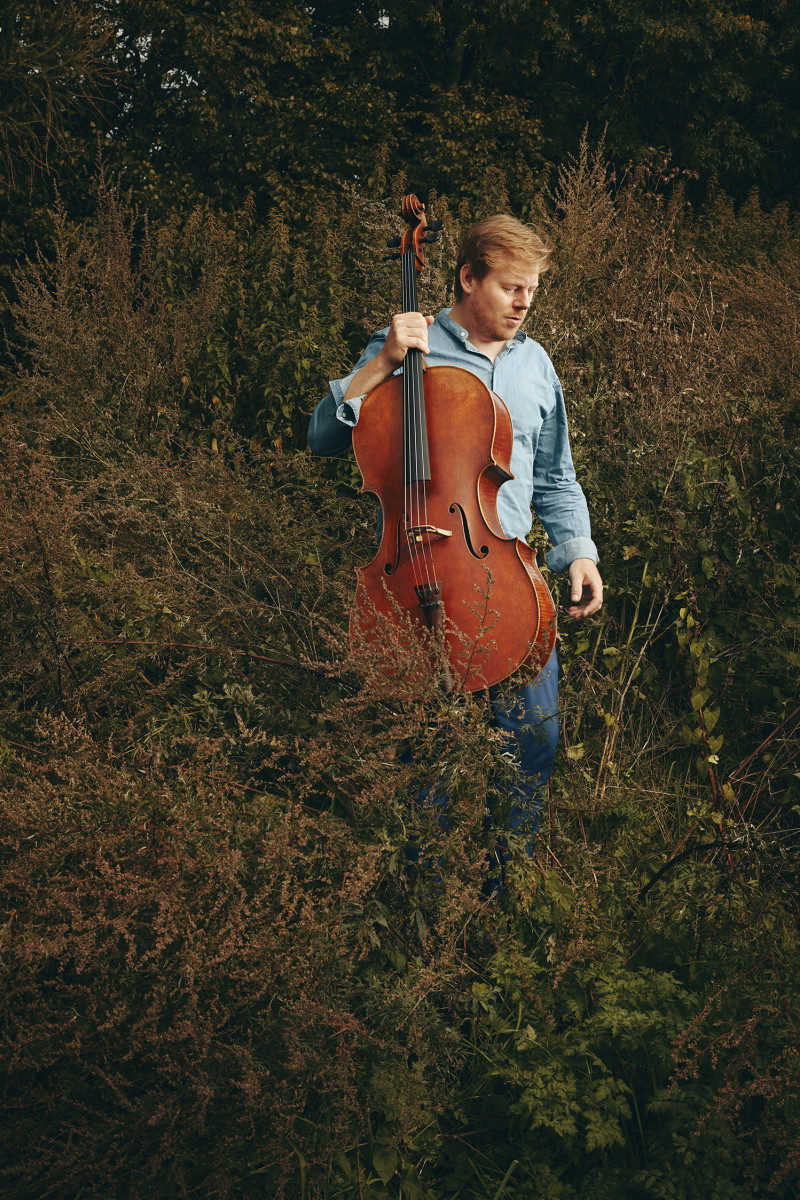
Lad os bare få fyret konfettikanonerne af med det samme. Carl Prisens hæder som årets komponist 2021 vejer ikke for tungt på skuldrene af Niels Rønsholdt, hvis du spørger mig. Den indspillede udgave af cellokoncerten Country – bestilt af hovedrollen Jakob Kullberg – er så vellykket, at den sagtens kan bære en triumfbue af statuetter og rosende ord.
Den rønsholdtske signatur er ikke til at tage fejl af. Det handler om performerkroppen. Kullberg vender celloen 45 grader, omfortolker den som westernguitar og synger inderligt om en oprindelsesløs tid i det erobrede Amerika. En følsom trubadur omgærdet af bittersøde molklange, der både smager af hjemløs saloonfolklore og fremmedgjort Broadwaymusical.
Rønsholdt vinder ikke nyt land i arbejdet med solistrollen, hvis altså man hører Country som et frigørelsesprojekt. I stedet hører jeg på indspilningen en nøjeregnende sammensætning af autenticitetsmarkører. Trubadurismen gør et godt modspil til institutionssolisten, der pligtskyldigt river og flår i strengene, som vi hører det på »Trees (I)«. På »We Don’t Ride the Same Horse« stivner disneydramaet i refrænet, idet prærieidentitetens blå tone falder på det mest karikerede 1-slag i affraseringen.
Den største fornøjelse er ikke Kullbergs hovedrolle men derimod det birollecast af samplestemmer, som dikterer flowet, klangen og det solistiske fokus i værket. Stemmerne skaber legeringen mellem komponist, orkester og solist: en sammensat krop. Autenticiteten kommer alle mulige steder fra, lader værket til at fortælle os. Den er ikke kun repræsenteret i det oprindelige, nærværende og skrøbelige.

It was officially confirmed only recently that Icelandic avant-garde star Björk is visiting Bielsko-Biała today. After keeping it under wraps until the last moment, the organizers of the Wędrujący Festiwal (Wandering Festival) have revealed that Björk is the artist closing out the festival's grand finale.
»Recently, I discovered that when a couple of thousand people clap their thick gloves in minus 30 degrees, it sounds like the softest techno – a freezing space where the cold air turns into a wave of warmth, and we, in a moment of collective devotion, become one with the rhythm, one with the invisible bond that connects us in the warmth of silence. Music is not just sounds, but a vain attempt to capture the infinite, which has always been and always will be.«
Andreo Michaelo Mielczarek has been the editor-in-chief of Seismograf since 2021. He is also a music critic and cultural journalist at Kristeligt Dagblad and Århus Stiftstidende/Avisen Danmark and has over the years written to publications such as Kunsten.nu, Glissando (Poland), Neural (Italy), Raw Vision (UK), Nutida Musik (Sweden), Kunstkritikk (DK/Sweden), Iscene.dk, B.T., and Jazz Special. He is the author (together with Lars Muhl) of the book HVA' SAA! En guidet rutsjebanetur gennem Aarhus – før, nu og i fremtiden (2024) and has also contributed to the anthology on music criticism Man skal høre meget (ed. Thomas Michelsen and Claus Røllum-Larsen, 2024). He is a founder and partner in the Polish-Danish cultural organization Kultur(a), and wherever there is a piano, he will be there, eager to coax a melody from it.
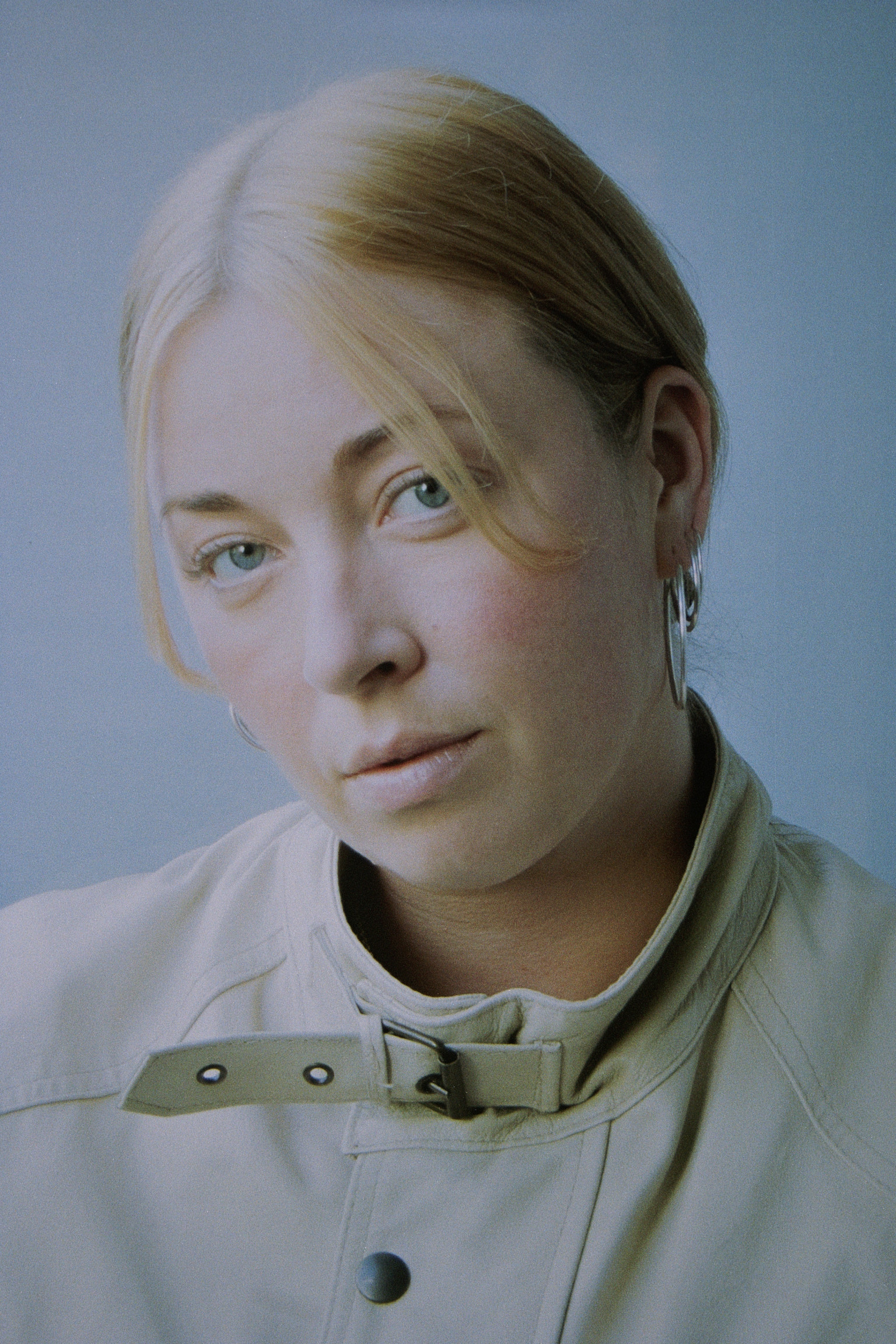
»For me, music is an opportunity for transformation.«
Aria Leth Schütze is based in Copenhagen and is the creative force behind the music projects Alto Aria and Samler På Dig. They are a co-founder of the record label Rhizome and a co-editor of the music magazine Passive/Aggressive. Their practice brings together electronic and acoustic music in an exploration of transformation.
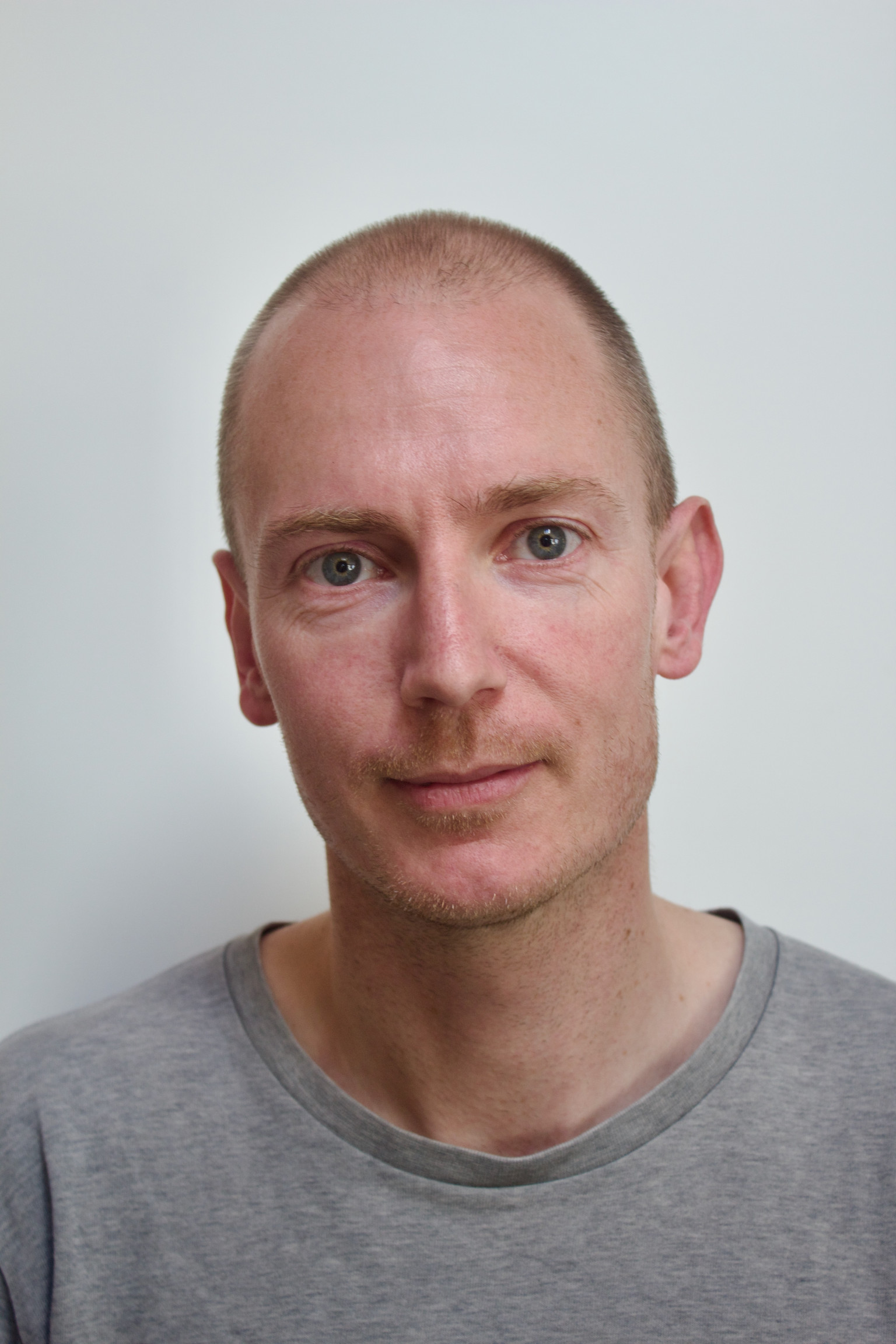
»For me, music is the art form that – if measured in hours and minutes – occupies by far the greatest part of my life. I cannot sing, nor can I play an instrument, but I can listen – as a happy amateur – while cycling, on the dance floor, and, above all, at the office. I almost always work – that is, write – to music.«
Mikkel Krause Frantzen (b. 1983) is an associate professor at the Department of Arts and Cultural Studies, a literary critic for Politiken, and the author of several books in English and Danish, such as En fremtid uden Fremtid (2018), Klodens Fald (2021), and Slutspil (2024).