in brief
19.04.2022

Ambiente lunger

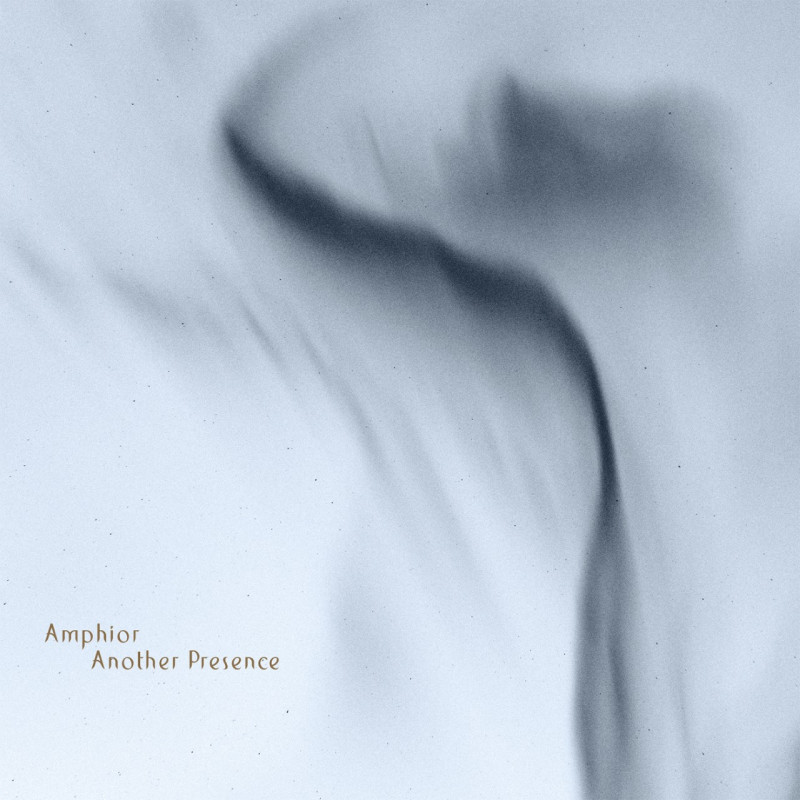
Amphior: »Another Presence«
© Amphior
Amphior

Fra allerførste sekund på Another Presence af den elektroniske producer Amphior aka Mathias Hammerstrøm kan man fornemme det: åndedrættet. Eller indånding, rettere sagt. For det lyder ikke som om, der bliver pustet ud på det første nummer »Void«. Noget ophober sig. Som luft, der siver baglæns gennem elektroniske stemmelæber og samler sig i syntetiske lunger, der vugger det ambiente liv.

Man hungrer lidt efter et forløsende brøl oven på albummets optrappende indslusning, men det kommer naturligvis aldrig. I stedet kanaliserer Hammerstrøm energien ud i forskellige vægtløse tilstande. Det er oftest lavfrekvente abstrakte landskaber, Hammerstrøm maler med sine modulationer. Som den dunkle drone på »Sleepwalker«, der dog lysner til sidst med skær af daggryskor. Indimellem dukker der figurer op, man kan gribe om: små satellitter i stratosfæren, som det brudte beat bagest i mixet på den synthbårne »Dream Traveler«, der klæber om et knitrende slør af hvid støj. Velsmagende detaljer. 

Hvis respirationssystemet havde fadere og cutoff-filtre, ville det lyde som Hammerstrøms musik. Og man fornemmer en slags åndelig ventilation i de elektroniske vejrtrækninger. En forvrænget stemme kæmper rundt omkring på albummet for at trænge igennem rumklangen. Hammerstrøm slipper den ikke fri, og det er ærgerligt, for det havde måske været den håndsrækning til lytteren, man ender med at savne i de dystre meditationer på Another Presence. 

© Mads Nissen
»Music is what gets my gears turning. It sets both my body and mind in motion – and on a good day, even gets them up to speed. My listening habits are entirely shaped by my mood... and by the musical tastes of my two children, which shift every eight minutes... so the home stereo gets exposed to a bit of everything. In a way, that’s exactly how it should be. Room for everything and everyone.«
 
David Dyrholm (b. 1990) is a food and music critic for Politiken, focusing on jazz – ranging from the traditional to the modern—and avant-garde music. Alongside this, he has worked for the Modern Jazz Days festival, served on the jury for the DMA Jazz awards, and previously released a number of records with the hip-hop collective DoktorDoktor.
in briefrelease
25.09

An Organ in the Dark Forest of Doubt

Calum Builder: »Although Changed, I Arise the Same«
© PR
© PR

Last year, Builder released Poor_in_Spirit, an album in which he explored, on his own, the sonic possibilities of his self-built organ. It was an album shaped by this exploration, but ultimately also by the limitations of the organ itself. On Although Changed, I Arise the Same, the composer finds a way beyond them.

The organ is now joined by three additions: Builder’s own alto saxophone, along with the voices of Zola Mennenöh and Johanna Sulkunen. It makes all the difference, providing the diversity of instrumentation that Builder has repeatedly demonstrated his ability to compose for. At times, the organ’s bass sinks beneath the voices and saxophone like a light haze; at others, it envelops them in a heavy fog. It howls like wind in the trees and roars like a train in the night. Mennenöh and Sulkunen sing, chant and breathe simple, repetitive phrases about spiritual uncertainty and searching, as though lost in the dark forest of doubt.

It is a Spartan form of storytelling, giving the listener enough lyricism and atmosphere to set the mind in motion, but never so much that it becomes overwhelming. This is where Builder’s strength lies: his music clearly grows out of his life and experiences, yet he composes in such a way that the listener is invited to enter the story with their own imagination.

Builder determines the colours, but leaves part of the picture to the listener. It is an album that is far more restrained in its dramaturgy than previous releases. No less beautiful or inspiring for it.

English translation: Andreo Michaelo Mielczarek

© PR

»For us, music is a transcendent force with transformative potential – something we get to experience and shape when we create sound together. It is an opportunity to describe one’s innermost universes without words, and the best way for an introvert to express intense emotions at full volume.« 

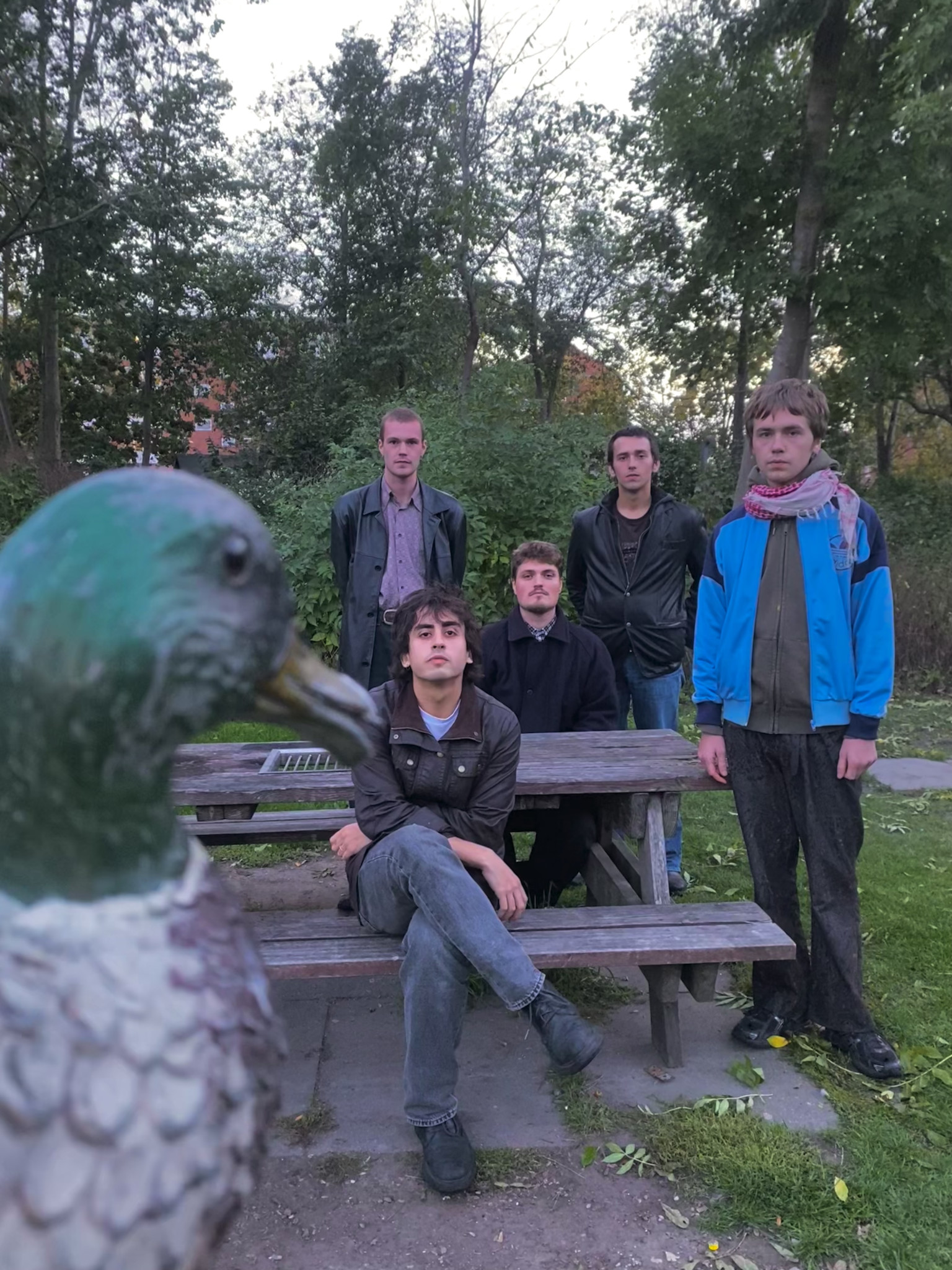
With roots in Copenhagen’s experimental jazz and punk scene, Echo, Bravo challenges the notion of what a rock band can sound like. The quintet blends post-punk, free punk, and noise rock into a raw and unpredictable soundscape. They describe the music themselves as a kind of »empty-the-fridge soup,« where various leftovers come together. »Best enjoyed as a hot meal in a cold industry.«


© Ultima
© Ultima

Thorbjørn Tønder Hansen has died. With Thorbjørn’s passing, the art music community has lost one of the Nordic region’s most significant producers, curators and cultural leaders.

© PR

»Music is the best way to discover myself and understand the world around me.«

Luca Quintavalle is a harpsichordist, fortepianist and conductor. He has performed with ensembles including Concerto Köln, Harmonie Universelle, the Mozarteum Orchestra Salzburg and the Kölner Kammerorchester at venues and festivals such as the Kölner Philharmonie, Salzburg Festival and Enescu Festival. He was harpsichordist of Les Musiciens du Prince, led by Cecilia Bartoli, for over five years, and has conducted ensembles including the Orchestra and Chorus of Teatro dell’Opera di Roma, Concerto Köln and Deutsche Kammerakademie Neuss. His recordings include Mirrors, released by Berlin Classics and awarded an OPUS KLASSIK.