in brief
01.05.2022

Glitchede traumer på væggen

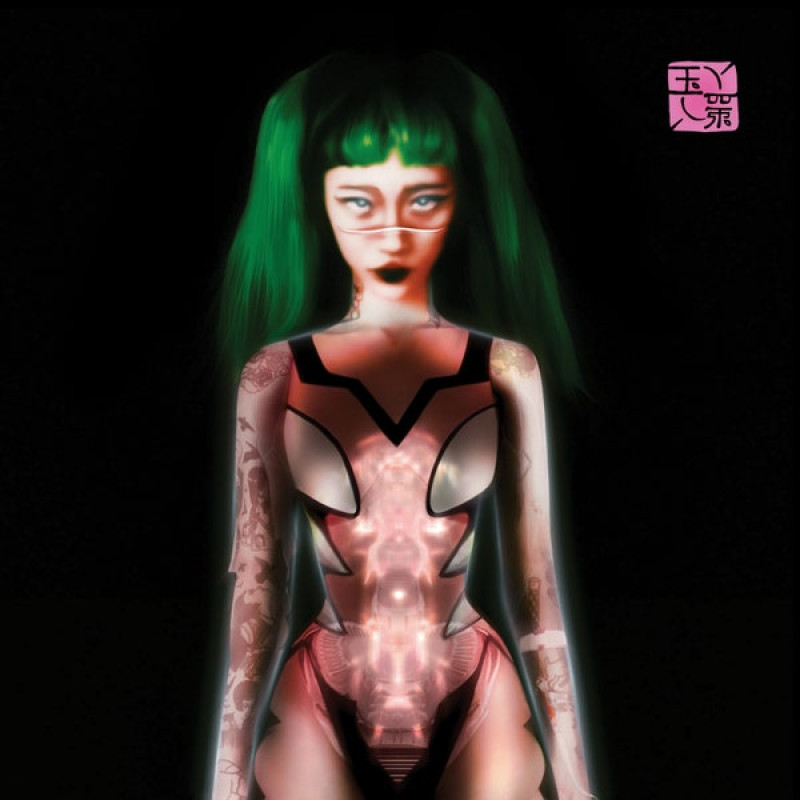
Yeule: »Glitch Princess«
© PR
© PR

Inden singaporeanske Yeules andet studiealbum, Glitch Princess, slutter af med en knap fem timer lang synthmeditation, er der allerede sket en del. 

Hovedpersonen har præsenteret sig selv med netop glitchet stemme på »My Name is Nat Cmiel«. Oven på den sparsomme lyd af spilledåse har vi lært, at Nat Cmiel ikke bare er en balletinteresseret person i starten af tyverne, der elsker flotte lydteksturer, men også kan lide »at blive knaldet og knalde«, slet og ret. Stemningen er dyster.

Det er kun begyndelsen på en rejse ned i sindets afgrund. Yeule synger bedragende forsigtigt om selvskade og traumer, mens kvindestemmen bliver til en pigestemme og ender som lyse, robottiske hyl. Alt sammen manipuleret, udsat for sabotage og tilsat stjernetåger af synth. »How can I burn out of my real body?« lyder et af de gentagede mantraer.

Albummet pendulerer mellem lydkunst og rendyrket pop, der på overfladen er glad, men bærer på smertelig, underkuet lyrik. Især første halvdel er værd at lytte til for eksperimenterne med vokal og kontrasten mellem eksplosioner af poplykke og afgrundens dybde. Anden halvdel har en tendens til at reducere glitch til ren effekt i mere traditionelle popskemaer. Indtil da er Yeules Glitch Princess en af årets mest løfterigt forstemmende udgivelser.

© Paw Ager

»For me, music is about curiosity and surprises – yet it’s also something in which you can feel right at home. Music resides within us all, in a physical way that sets it apart from any other art form. To me, music is something greater than the individual – something that will always outlive the individual. The good stuff, in other words ;) « 

Kaspar Kaae is an award-winning film composer, music producer, and songwriter, known for his work with bands such as CODY and Bug Chaser. He holds a Master’s degree in film composition from SDMK.  He has previously been a guitarist in a number of bands on the Danish indie scene, such as CODY, Broken Twin, and Bug Chaser. The latter is releasing the album My First Crippled Love in November. He was born in 1983 on Bornholm, but has lived in Copenhagen and Berlin throughout his adult life.

© Villads Hoffmann
© Villads Hoffmann

Percussionist and composer David Hildebrandt is honoured for his virtuosic work with new music and his efforts to push the boundaries of what rhythm can be.

David Hildebrandt is among the recipients of this year’s honorary awards from the Wilhelm Hansen Foundation. He receives DKK 200,000 in recognition of his uncompromising work with new music and multi-percussion, as well as his ability to challenge conventional ideas about rhythm.

© Thor Brødreskift
© Thor Brødreskift
The 2026 Nordic Council Music Prize goes to Norwegian composers Kristine Tjøgersen and Benedicte Maurseth for Elja, a suite for the Kronos Quartet and Hardanger fiddle.
 
Rationale
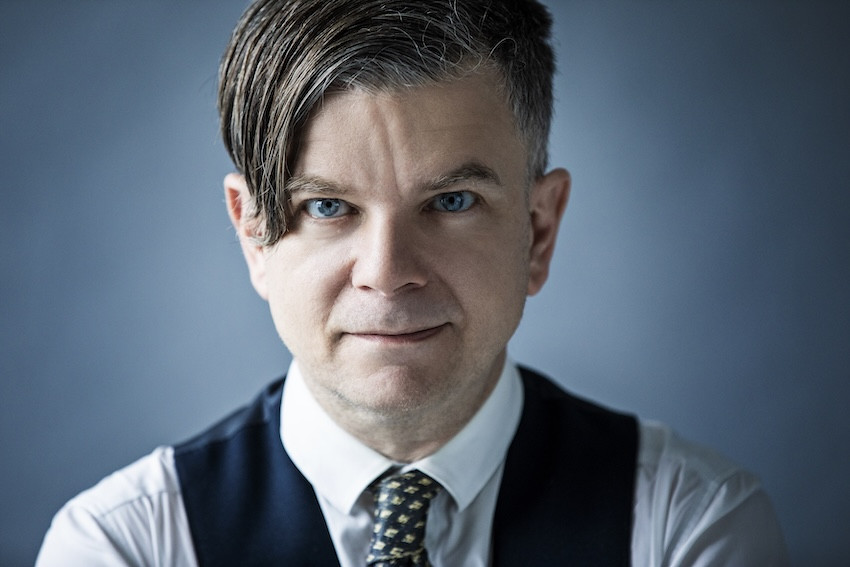
© Carsten Seidel

»Who ever said that music is ‘just’ music? To me, it is anything but that: an urge to understand and explain it all. A piece of jewelry I wear every single day. A joy that can, at times, run deep. An ever-changing imprint of millions of stitches in my heart. A longing to disappear.«

Henrik Marstal is a musician, author, and music researcher. He holds a PhD in musicology, is a senior lecturer at the Rhythmic Music Conservatory, and frequently appears in the media as an expert source on music. His areas of interest include contemporary music, such as electronic music. This winter, he will release both a new album with the pop group ibens and a book about Else Marie Pade, published by the British publishing house Bloomsbury.

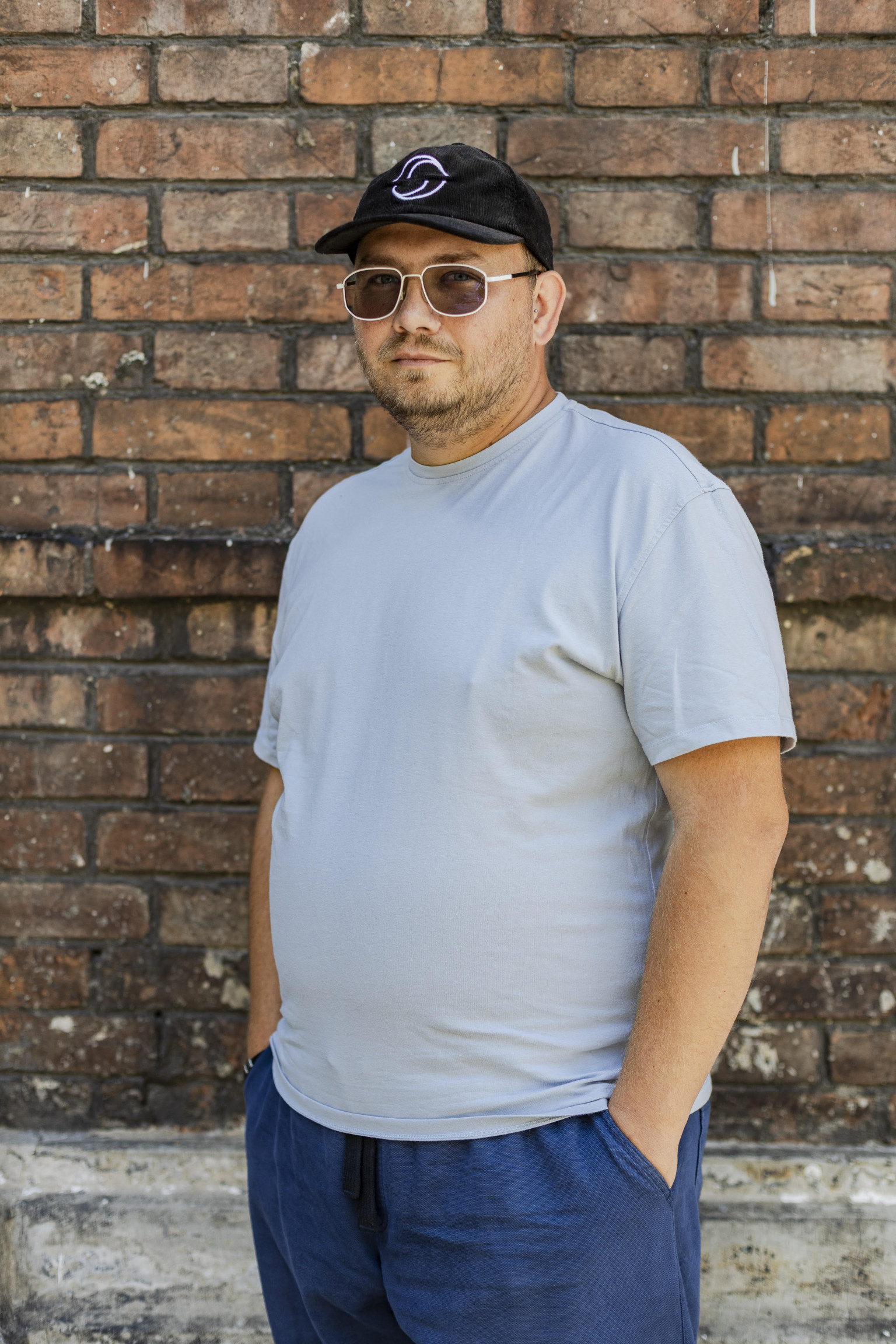
© Alicja Rzepa/Sacrum Profanum
»Music helps me feel, process and regulate my emotions, giving them an outlet when I need release and bringing me calm when I need balance – it’s sort of my outsourced nervous system.«
 
Krzysztof Pietraszewski is a music journalist, editor and curator based in Kraków, Poland. Since 2016, he has served as artistic director of Sacrum Profanum, a festival dedicated to new and experimental music. He hosts Muzykoteka and the RKK Live concert rebroadcast series on Radio Kraków Kultura. He also develops listening sessions with discussions, inviting audiences to discover unfamiliar music, exchange impressions and experience listening as a shared activity. His work includes executive-producing recordings for the Sacrum Profanum Archives series. Originally from Silesia, he has made Kraków his home, sharing music through concerts, radio broadcasts, writing and, more recently, experimental DJ sets.