in brief
13.06.2022

Meditative kraftudladninger 

Klang Festival: »Xenakis 100« – Ekkozone
© Alexander Banck-Petersen

Tivolis Koncertsal var rammen for lidt af en begivenhed i dansk musikliv: Fem centrale kammermusikværker af den græsk-franske ærkeavantgardist Iannis Xenakis opført som jubilæumskoncert på dansk grund. Alt i alt af halvanden times varighed, fuldkommen suverænt kurateret og fremført af Ekkozone anført af Mathias Reumert. 

Xenakis' værker regnes med god grund for noget af det mest komplekse, der er skrevet i 1900-tallets anden halvdel, men de virker aldrig til at være skrevet med kompleksiteten som et mål i sig selv, sådan som man ellers har kunnet mistænke andre i hans generation for. 

Det indledende værk, en sats fra det marimba-dominerede værk Pléïdades (1978), fik mig til at ærgre mig over, at jeg ikke havde taget min fire år gamle dreng med: For han ville utvivlsomt have sat højlydt pris på værkets mylder af runde, mættede og meditative lyde, der lød som bløde kugler, som i en uendelig varm strøm flød hen ad gulvet. 

De to efterfølgende soloværker for henholdsvis percussion og klaver, Rebonds B/A (1989) og Mists (1980), blev opført attacca efter hinanden, dvs. uden pause. Det bidrog til at gøre deres ellers fundamentalt forskellige klangverdener forbløffende beslægtede med hinanden. I de første minutter af det sidste værk var det endda som om, at klaveret var blevet et slagtøjsinstrument. 

Koncertens ældste værk for klaver og fem koreograferede messingblæsere, Eonta (1964), blev her opført for første gang herhjemme. Dets tilsyneladende uforenelige modstilling mellem den pointilistiske, rationelle klaverstemme og de flydende, undertiden drømmende blæsere fik det næsten til at lyde som et kakofonisk remake af Charles Ives' The Unanswered Question. Værkets performative elementer, hvor blæserne ofte vandrede rundt på scenen, gav det samtidig et skær af noget fuldkommen uvirkeligt. Det værk ville jeg meget gerne se og høre opført igen. 

Endelig gav Okho (1989) for tre djember koncerten en medrivende afslutning. Anvendelsen af dette vestafrikanske instrument kan muligvis ses i et postkolonialt perspektiv, det vil sige som en kritik af Xenakis' adapterede hjemland Frankrigs stærkt problematiske historiske relation til kontinentet. I så fald lød værket som en dyster formaning om at lade kontinentet helt i fred. Og derved fik instrumentationen en selvironisk farve, der her blev skærpet af en langt senere tids Black Lives Matter-bevægelse. Jeg krympede mig i stolen, samtidig med at jeg var revet med af musikken og fremførelsen: Det var tæt på at være ulideligt.

Efter koncerten var mine ører godt gennembanket af al den lyd, men det var som om, jeg kunne have fortsat hele aftenen med at lytte til Xenakis' univers, spændt ud som det er mellem på den ene side aggression og raseri, på den anden tilbagelænethed og resignation. Jeg var overloadet og forklaret på samme tid. Og den følelse har for mig ellers været sjælden efter en avantgardekoncert.


© PR

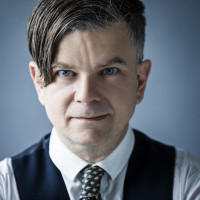
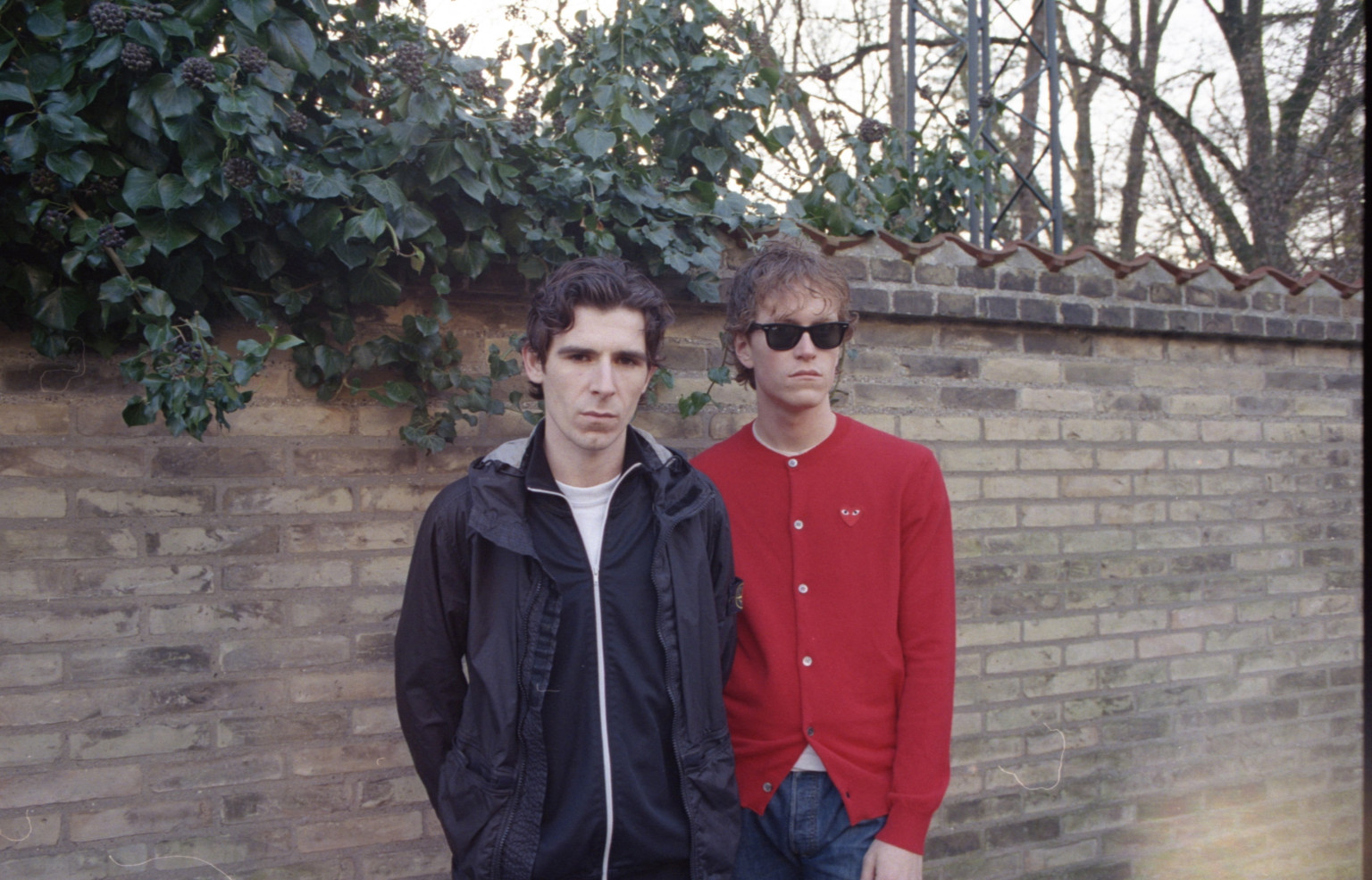
»For us, music is a passion, a livelihood, and a focal point for us and our best friends in the band.«

Barselona consists of Rud Aslak and Rasmus Theodor. The band was formed in 2016 after a year at Ollerup Musikefterskole and has since released five albums and two EPs, most recently the album *Tag Min Hånd, Så Slipper Vi*, which is set for release in September 2026.

© PR

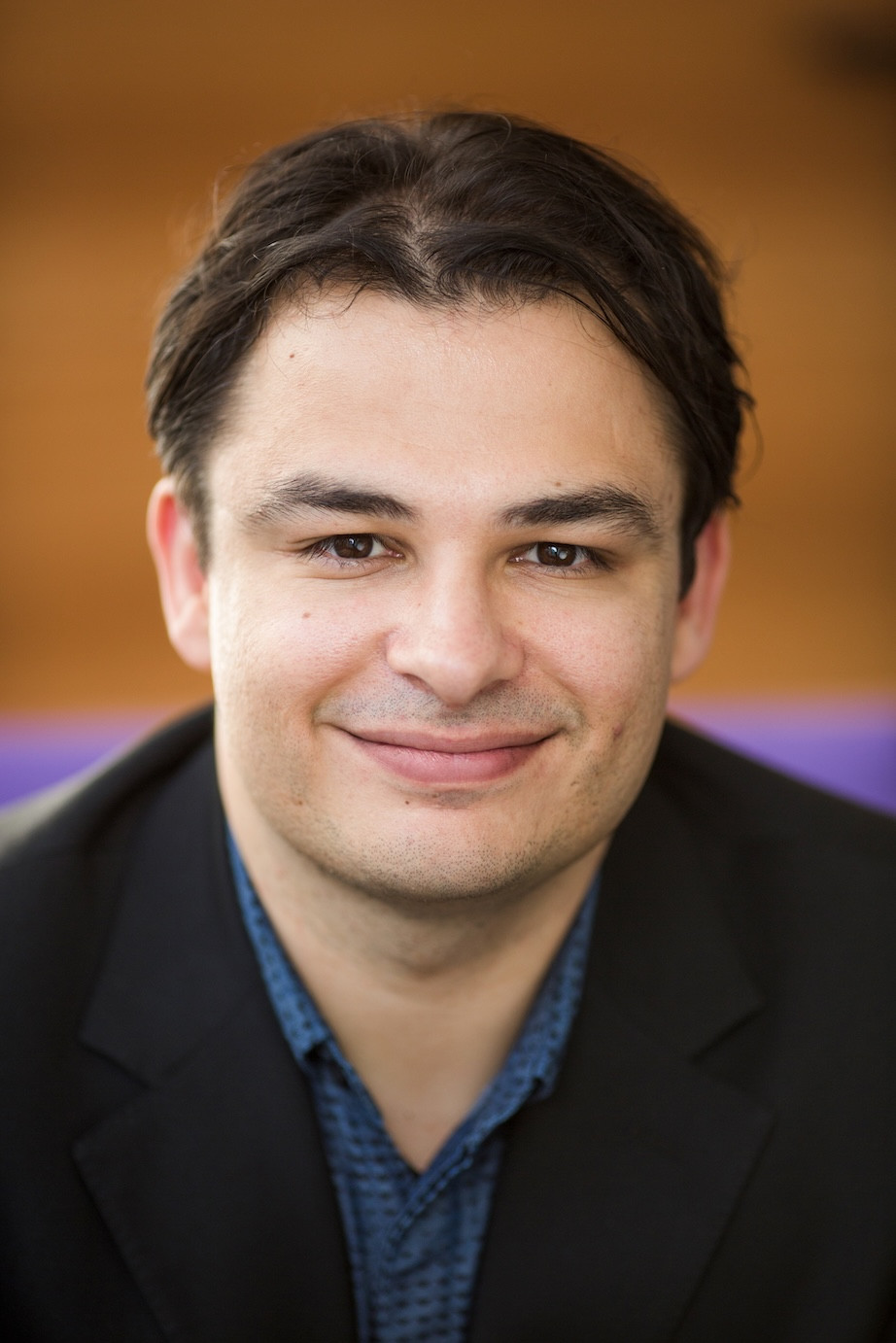
»Music is the best way to discover myself and understand the world around me.«

Luca Quintavalle is a harpsichordist, fortepianist and conductor. He has performed with ensembles including Concerto Köln, Harmonie Universelle, the Mozarteum Orchestra Salzburg and the Kölner Kammerorchester at venues and festivals such as the Kölner Philharmonie, Salzburg Festival and Enescu Festival. He was harpsichordist of Les Musiciens du Prince, led by Cecilia Bartoli, for over five years, and has conducted ensembles including the Orchestra and Chorus of Teatro dell’Opera di Roma, Concerto Köln and Deutsche Kammerakademie Neuss. His recordings include Mirrors, released by Berlin Classics and awarded an OPUS KLASSIK.

© PR

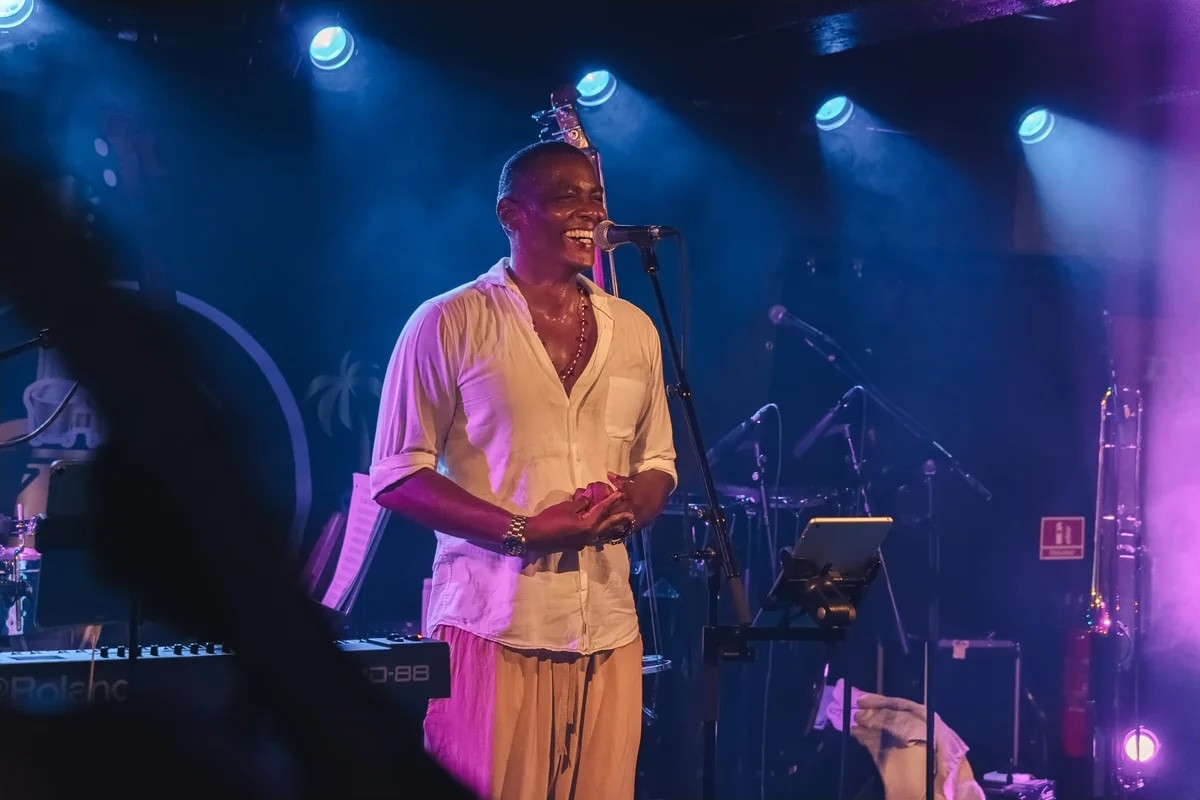
»To me, music is humanity, community, a smile, a conversation, a moment, an eternity«

Abel Alazo Rangel is the founder, curator, and producer of the Nova Concerts Series in Copenhagen. Nova began as a festival in 2003 and was relaunched as a concert series in 2023. Through Nova, he presents musicians and creates musical encounters that bridge the Cuban, Latin American, Danish, and international music scenes. 

in briefrelease
11.09

A Strange Instrument, a Familiar Sound

Mike Sheridan: «Touch«
© André Hansen
© André Hansen

There is something almost dogmatic about Mike Sheridan’s latest album, Touch. Everything leads back to the Cristal Baschet – a peculiar instrument from the 1950s in which sound is produced by running wet fingers over glass rods, setting metal resonators into vibration. No strings, no keys, just glass, water, skin and friction, slowly making the metal sing.

The Cristal Baschet is not merely an instrument on Touch. It is the album cover, the subject of the press photos, and almost the very argument for the album’s existence.

It recalls the material fetishism found in the American duo Matmos, whose music is often built around a single material or sound source: metal on Metallic Life Review (2025), plastic on Plastic Anniversary (2019), a washing machine on Ultimate Care II (2016). What is interesting about such constraints is that they ought to force the music somewhere it otherwise might not be able to go.

While listening to Touch, a question therefore begins to press itself forward: Which of these sounds could not have existed without a Cristal Baschet?

There are glassy tones that hang in the air and slowly change texture. Thin, cutting vibrations. Metallic surfaces that flutter, ripple, open and close. A constant sense of droning resonance; of something vibrating just on the other side of the audible.

Sheridan’s layering is meticulous. There is a precision to the mix, an almost surgical sense of the distance between the different textures. The best moments occur when the surface is disturbed: something that scratches at or short-circuits the otherwise tightly controlled resonance. On »BOW / GROUND«, for instance, deep bass pulses suddenly enter, creating a different physical quality – crackling, heavy, like something hitting the floor.

But Touch is first and foremost a well-produced ambient album. It moves through different degrees of the same state, changing nuance without ever truly changing its skin. That is not necessarily a weakness. There is something consistent, almost meditative, in Sheridan’s insistence. But the longer one remains in the same sonic state, the more one begins to miss what ought to be the Cristal Baschet’s particular possibility.

This is where the disappointment lies: in the gap between the instrument’s strangeness and the music’s conventional appearance. The sounds have been assimilated into a familiar ambient vocabulary, where the extraordinary instrument ends up producing something surprisingly familiar. You can hear that something unusual is happening at the source of the sound. But you cannot necessarily hear why it had to be this particular instrument. Had one not been told that a rare, almost otherworldly acoustic sculpture was standing in the room, one would hardly have guessed it.

© PR

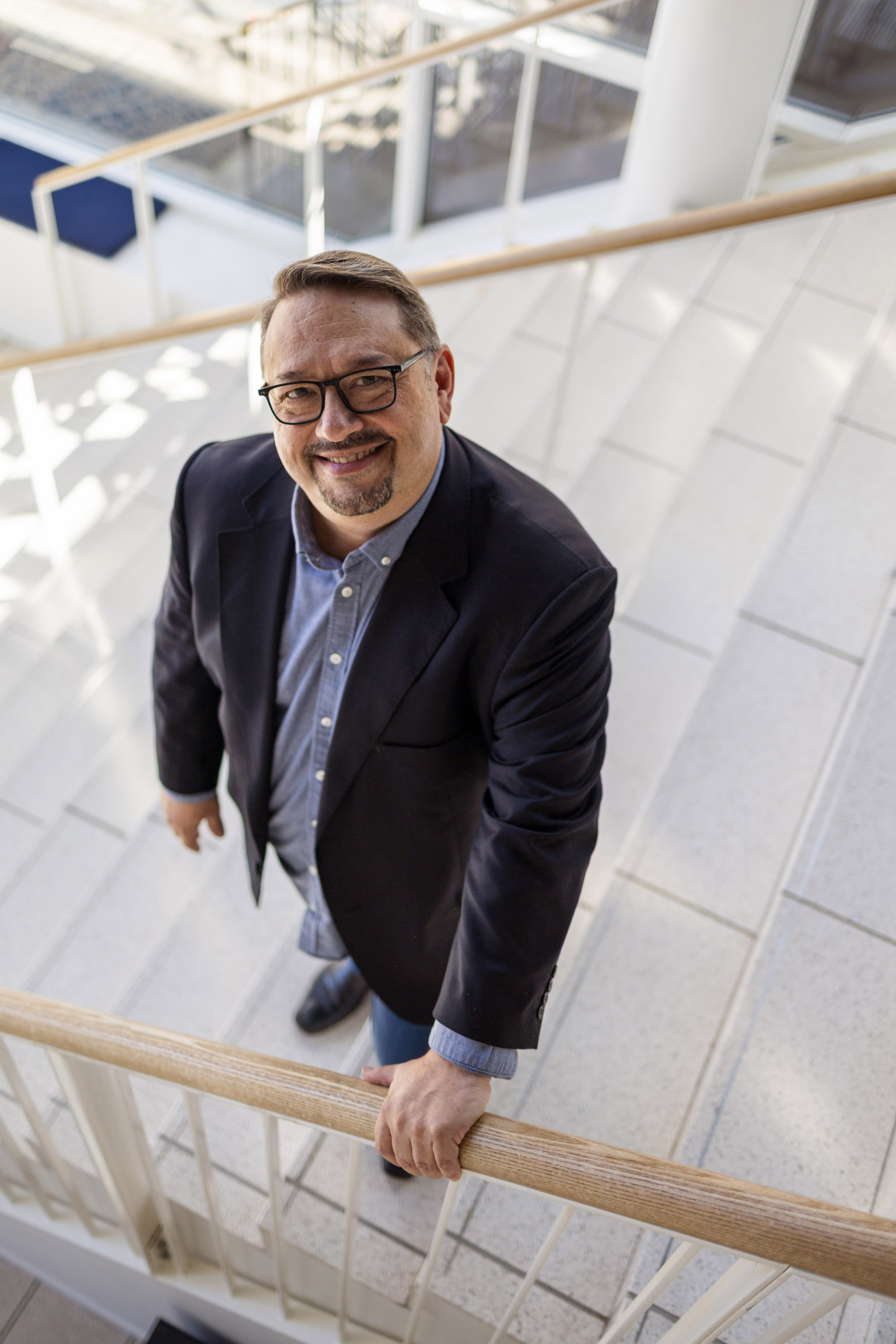
»Music is my life. It has accompanied me all the way and given me experiences, friendships and opportunities that I could never have imagined.«

Pablo Fernández is a Spanish musician and the new Head of Classical Music at the Royal Academy of Music, Aarhus/Aalborg. For many years, he was principal tuba player with the Barcelona Symphony Orchestra and has taught at higher music education institutions in Spain and Denmark. He is also active as a conductor, soloist, guest lecturer and jury member at international competitions. Fernández has extensive experience in the management and development of music projects, festivals and international collaborations. He has lived in Aarhus since 2014 and has been affiliated with the Royal Academy of Music since 2021.