Blændende Femme
Equinox Chamber Music Festival sætter i år fokus på glemte stemmer og tabte skatte. Helt oplagt var derfor torsdagens kammerkoncert No Man’s Land, fuldt dedikeret til kvindelige komponister, hvilket tiltrak et stort og ualmindeligt ungt og hipt publikum til Musikhusets støvede rammer. Ny musik af Jessie Montgomery og Caroline Shaw gav koncerten særlig relevans og nerve, hvor instrumenternes klange blev sat yderligere i bevægelse af dansere på scenen. Som historisk modspil stod den på ældre værker af de tidlige pionerer Louise Farrenc og Amy Beach.
Den energiske Strum af Jessie Montgomery fungerede perfekt som koncertåbner. Som et ustoppeligt kraftværk spurtede strygerne frem med livlige folkerytmer, dybe strøg og grov pizzicatostrumming, og danserne spejlede hinanden i en koreografi fuld af nydelse og frihed.
Farrencs brusende sekstet bød på intens farvespil og dynamisk variation, hvilket til dels skyldtes den usædvanlige besætning for klaver og fem blæserinstrumenter, hvor den franske klavervirtuos Yannick Rafalimanana var blændende på tangenterne. Hos Beach flød senromantisk nostalgi tykt og overmættet, så det til tider føltes klaustrofobisk, og det havde måske været oplagt at erstatte et af hendes værker med endnu en ny komponist.
Caroline Shaws Entr’acte blev koncertens absolutte højdepunkt. På fineste vis åndede en strygekvartet Shaws cirklende suk, intime pauser og kollapsende harmoniske strukturer. De to dansere forstærkede musikkens varme poesi i Matteo Di Loretos dirrende smukke koreografi, der var umulig at fjerne blikket fra. Jeg hungrede efter mere, og må jo blot vente til næste år.

An Organ in the Dark Forest of Doubt
Last year, Builder released Poor_in_Spirit, an album in which he explored, on his own, the sonic possibilities of his self-built organ. It was an album shaped by this exploration, but ultimately also by the limitations of the organ itself. On Although Changed, I Arise the Same, the composer finds a way beyond them.
The organ is now joined by three additions: Builder’s own alto saxophone, along with the voices of Zola Mennenöh and Johanna Sulkunen. It makes all the difference, providing the diversity of instrumentation that Builder has repeatedly demonstrated his ability to compose for. At times, the organ’s bass sinks beneath the voices and saxophone like a light haze; at others, it envelops them in a heavy fog. It howls like wind in the trees and roars like a train in the night. Mennenöh and Sulkunen sing, chant and breathe simple, repetitive phrases about spiritual uncertainty and searching, as though lost in the dark forest of doubt.
It is a Spartan form of storytelling, giving the listener enough lyricism and atmosphere to set the mind in motion, but never so much that it becomes overwhelming. This is where Builder’s strength lies: his music clearly grows out of his life and experiences, yet he composes in such a way that the listener is invited to enter the story with their own imagination.
Builder determines the colours, but leaves part of the picture to the listener. It is an album that is far more restrained in its dramaturgy than previous releases. No less beautiful or inspiring for it.
English translation: Andreo Michaelo Mielczarek
»For us, music is a transcendent force with transformative potential – something we get to experience and shape when we create sound together. It is an opportunity to describe one’s innermost universes without words, and the best way for an introvert to express intense emotions at full volume.«
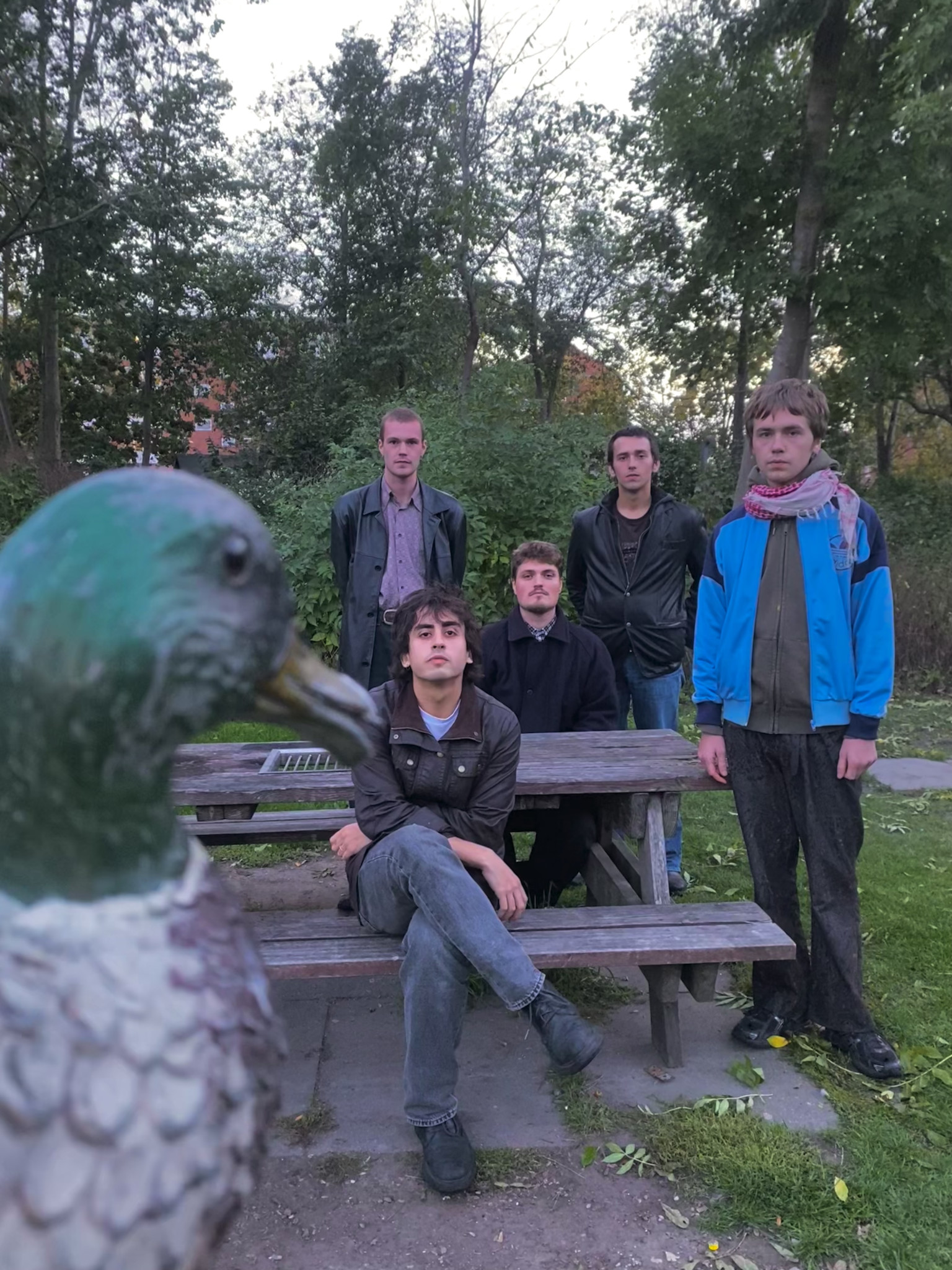
With roots in Copenhagen’s experimental jazz and punk scene, Echo, Bravo challenges the notion of what a rock band can sound like. The quintet blends post-punk, free punk, and noise rock into a raw and unpredictable soundscape. They describe the music themselves as a kind of »empty-the-fridge soup,« where various leftovers come together. »Best enjoyed as a hot meal in a cold industry.«
Thorbjørn Tønder Hansen has died. With Thorbjørn’s passing, the art music community has lost one of the Nordic region’s most significant producers, curators and cultural leaders.
»Music is the best way to discover myself and understand the world around me.«
Luca Quintavalle is a harpsichordist, fortepianist and conductor. He has performed with ensembles including Concerto Köln, Harmonie Universelle, the Mozarteum Orchestra Salzburg and the Kölner Kammerorchester at venues and festivals such as the Kölner Philharmonie, Salzburg Festival and Enescu Festival. He was harpsichordist of Les Musiciens du Prince, led by Cecilia Bartoli, for over five years, and has conducted ensembles including the Orchestra and Chorus of Teatro dell’Opera di Roma, Concerto Köln and Deutsche Kammerakademie Neuss. His recordings include Mirrors, released by Berlin Classics and awarded an OPUS KLASSIK.