In brief
15.08.2022

Kosmopolitisk rejse gennem jødisk musik 

Equinox Chamber Music Festival: »Jewish Voices«
© Rasmus Kongsgaard
© Rasmus Kongsgaard

Siger man jødisk musik, vil mange straks få associationer til klezmer-genren, denne folkemusikalske hybrid, som voksede ud af ashkenaziske jødiske miljøer i Central- og Østeuropa, og som flittigt inddrog elementer af omkringliggende musikkulturer. 


Klezmermusikken lader sig også høre i fragmenter denne aften i Koncertkirken, hvor kammermusikfestivalen Equinox inviterer et talstærkt publikum til at udforske jødiske stemmer i kammermusik fra det 20. århundrede. Faktisk stikker vi lige tåen ind i det 21. århundrede med Osvaldo Golijov, hvis komposition »Lullaby & Doina« er skrevet i 2001. Den bygger dog videre på et tema, som han komponerede til filmen The Man Who Cried fra 2000, en vuggevise, som her udvikles til en fyrig doina, en improviseret form fra Balkan, som man også kender fra klezmer. Golijov, som er vokset op i Argentina, inddrager dog også elementer af tango. På den måde er åbningsværket emblematisk for en rejse gennem det jødiske som en musikalsk identitet, der er både kosmopolitisk og lokal, og som søger at værne om dybe traditioner, samtidig med at den hele tiden indgår i samtale med sine omgivelser. 


Den samtale kan være både diskret og højrøstet, og det velkuraterede program, som samtidig markerer afslutningen på årets festival, kommer i sandheden hele spektret rundt. Fra Erwin Schulhoffs ikonoklastiske, men også frejdigt vitale samtale med strygerkvartettens konventioner over Paul Schoenfields lovligt sentimentale omgang med klezmermusikken til Ernest Blochs mørke melodrama. Aftenens egentlige scoop er dog Yehudi Wyners Kvartet for obo og strygertrio, som tryllebinder over 25 minutter med mystiske og langsomt udfoldede motiver.  

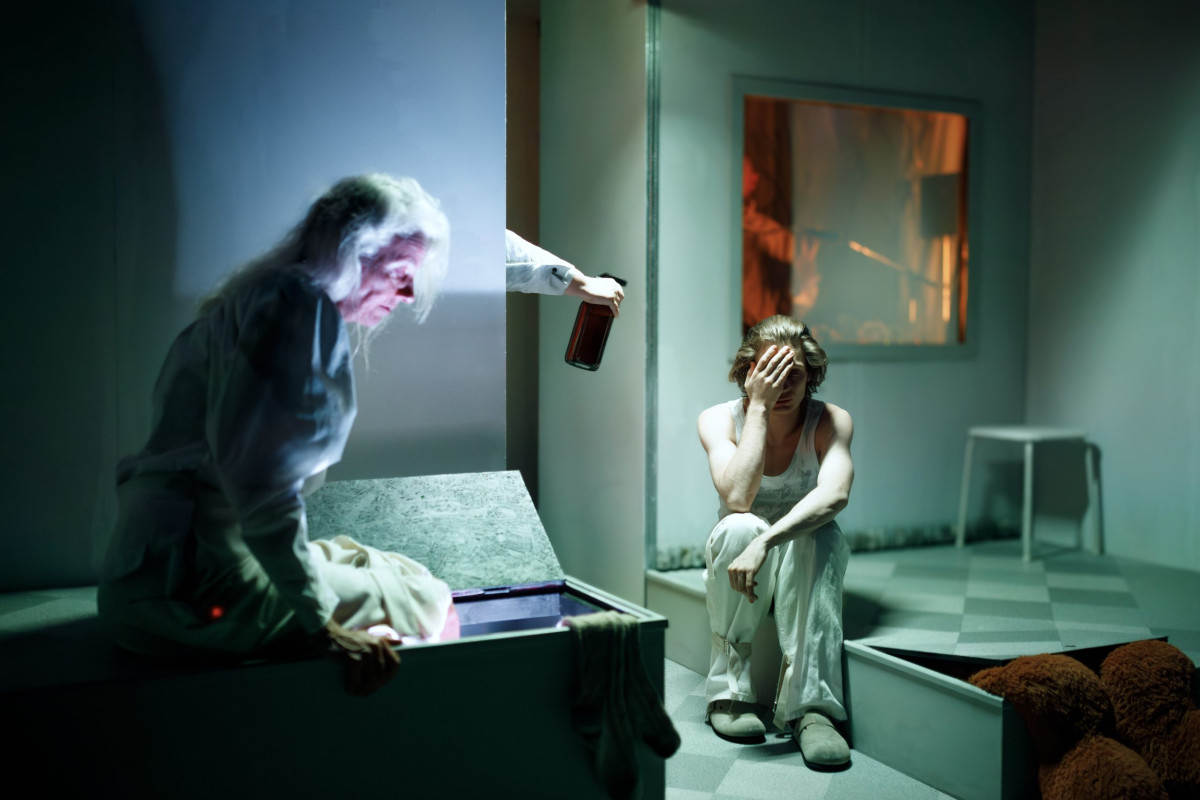
© Iain Forbes

»When I search for new music, I search for sound that evokes images in my mind. It is fuel, a gateway to emotion, and my most important writing companion. When inspiration lapses, music is the tool that always jumpstarts it.«

Iain Forbes is a Scottish/Norwegian film director based in Oslo. He has studied film directing at Nordland College of Art and Film and the Norwegian Film School. His graduation film Revisited won a Student Academy Award in 2023. He has previously directed short films such as Snowman (2015) and Semper Fi (2017). His latest short After Dark won Best International Short Film at the Oscar-qualifying Foyle Film Festival in 2024

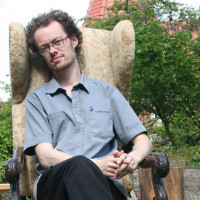
Nikolaj Nørlund. © Agnete Schlichtkrull

»Music, to me, is a companion through life, a premise, an excuse, a mystery, an explanation, a point of departure. It is old ideas, overlooked treasure chests, new angles, long concerts, doubt and conviction. It is words, tones, cracked voices, different points of departure, bass in the diaphragm, falsetto in the hair, challenges, rewards, and love.«

Nikolaj Nørlund made his solo debut with Navnløs (1996), an interpretation of poems by Michael Strunge, and released Nye Optagelser (1997) the following year, his first Danish-language singer-songwriter album. He has since worked broadly across music and poetry and is behind around 20 releases, both solo and in various band constellations. Nørlund’s projects range from collaborations with Copenhagen Phil on two orchestral albums, created together with author Naja Marie Aidt. His most recent release is the single »Englenes Park (nu ikke saa dark)«, the forerunner to the album Himlen skiftet ud, due for release at the end of November. In addition to his own work, Nørlund has, through the record label Auditorium, produced and released a number of Danish artists, including Niels Skousen, Ulige Numre, Jens Unmack, I Got You On Tape, and Martin Ryum. He was previously a member of Trains And Boats And Planes and periodically works with the English-language project Rhonda Harris. Nørlund has received a Danish Music Award (2003) and a Steppeulv (2006), both as Producer of the Year, as well as the Niels Mathiassen Cultural Award (2012).

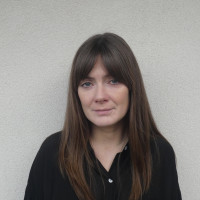
© Mari Liis

»Music and sound for me is a language, the most present and fleeting one. It’s something that passes through your heart and becomes the past in a second. Music amplifies every emotion, love, happiness, anger, sadness a thousand times over, making me feel everything more deeply and sensitively.«

Sophia Sagaradze is a sound artist, composer, and performer from Georgia, based in Denmark. She experiments with space, multichannel electronics and audio-visual installations. Sagaradze is interested in creating works that explore the boundary between external and internal experiences of space. She holds a bachelor’s degree in classical composition from Tbilisi State Conservatory and a master’s degree in electronic composition from DIEM Royal Academy of Music, Aarhus/Aalborg. In 2022, she received the Carl Nielsen and Anne Marie Carl-Nielsen Foundation’s Talent Award in Composition. Sagaradze has performed in several countries, received commissioned works for ensembles, performed live and created audio-visual installations. She is a founder and artistic director of Aarhus Sound Association (Aarhus Lydforening), Project leader at ROSA  and a lecturer at the Royal Academy of Music, Aarhus/Aalborg.

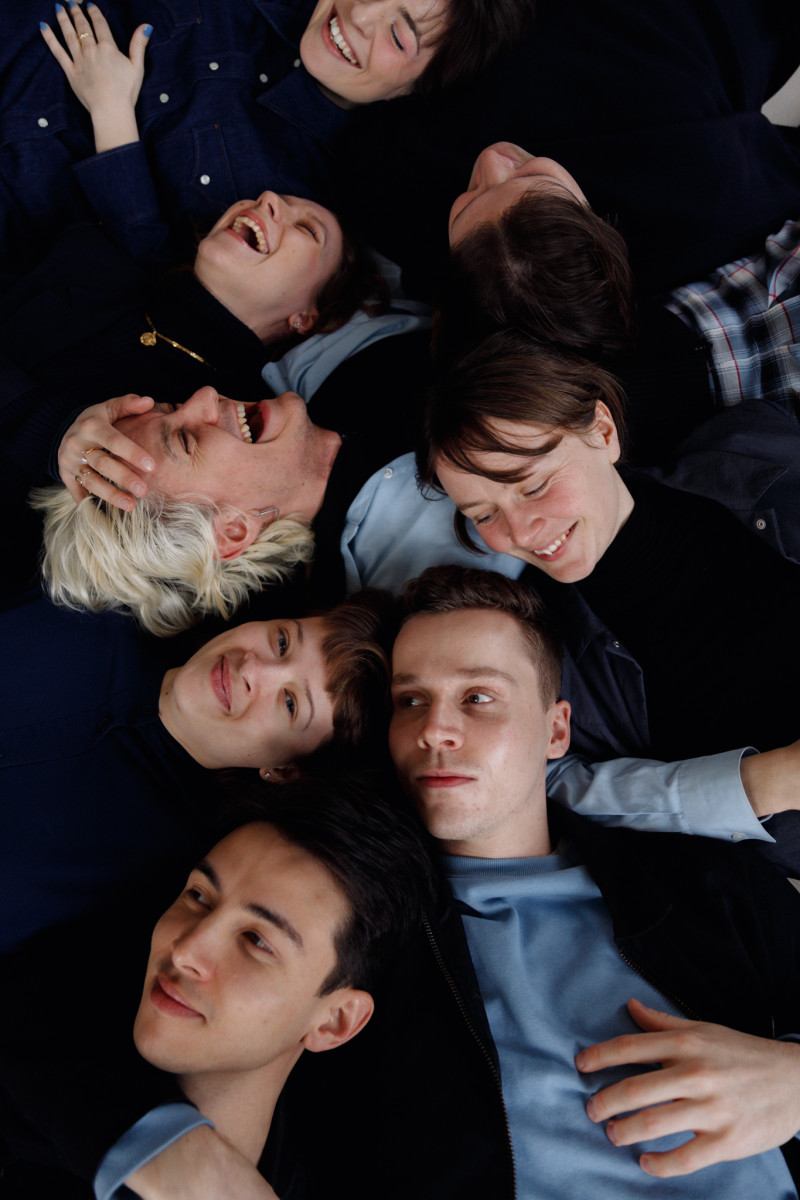
»Like all art, music is a language for emotions, dreams, and the search for meaning—but for us it is just as crucial that music is a path to community.«

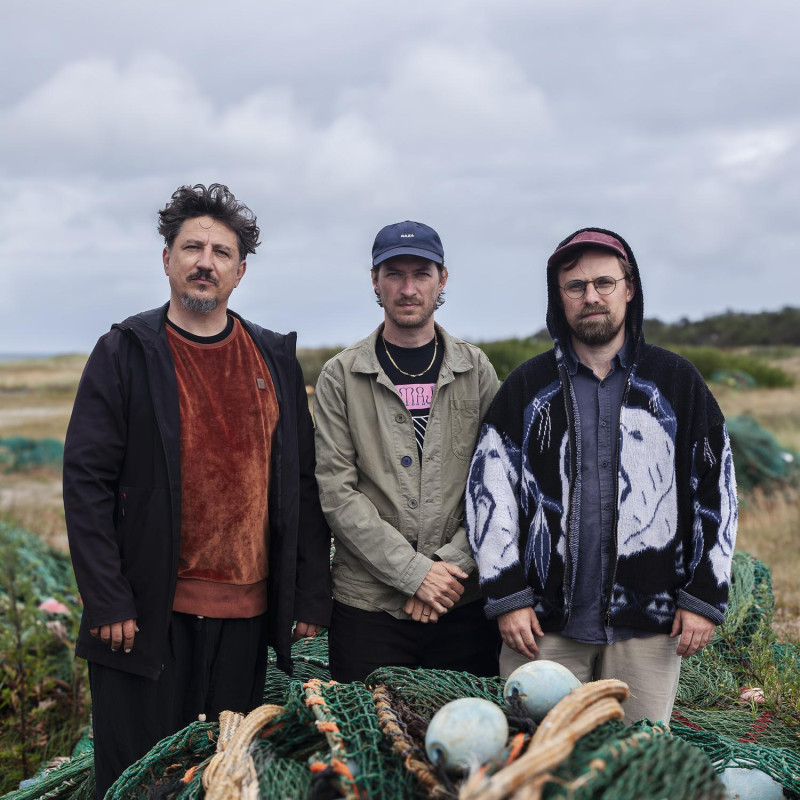
Girls in Airports is a Danish instrumental band with a palette that draws in particular on jazz, electronic music, and sounds from distant horizons. Since their debut album in 2010, they have created a sonic universe in which saxophones, synths, and pulsating grooves meet in a collective and dreamlike expression. Recently, the band has focused on artistic collaborations with, among others, Teitur and Aarhus Jazz Orchestra, and they are now on their way with a new album created in collaboration with the string trio Halvcirkel.

© @joachimdabrowski

»Music, to me, is the lifeline to the world that more than anything else creates emotional resonance and fills my head with confetti of thought.«

Steen Andersen is a cultural entrepreneur, festival manager, and writer. He is a co-founder of Lost Farm Festival and has coordinated projects such as Copenhagen and Odden Sauna Festival, the collective workspace PB43, the cultural venue BYGN 5, and Prags Have. Over the years, he has written books and articles on urban activism, entrepreneurship, and culture, including Byen bliver til and Learning from Sierra Leone together with Architects Without Borders, which won the Danish Architectural Association’s Initiative Award. He is currently based in Ukraine, where he is coordinating Lost Farm Festival’s Art Exchange Program, and has just curated the exhibition HIDE and SEEK with young Ukrainian artists in Kyiv.