in brief
28.08.2022

Roll over, Mozart

Matias Vestergård: »Idylls, Elegies«
© PR
© PR

Nu har Politiken ganske vist lige kåret Matias Vestergård til den varmeste ting inden for klassisk musik siden Mozart, men det er alligevel tæt på overmodigt med et debutalbum bestående af intet andet end musik, man har skrevet som ung studerende. De fem værker her er bogstaveligt talt stiløvelser.

Men hov, der er måske noget om snakken. For hør, hvor elegant komponisten tegner de seks karakterstykker undervejs: istapper af horn, koklokke og obo, der falder og splintres, alarmerede strygere og elastisk klanglig variation i hurtige flugtsekvenser. Sindsoprivende præcist sat i lyd af Esbjerg Ensemble med stor billedkraft.

Albummet fungerer som en lille lommebog, man kan tage med sig, når man går i operaen for at se Vestergård folde sig ud på den store scene, hvor han har hjemme. De tre idyller mestrer antydningens kunst med kvalte fuglefløjt på strygernes åbne strenge kontrasteret af lette, boppende motiver i ensemblet, inden værket udarter til drilsk og stadig vildt staccato bongorytmik.

Underligt fersk er det eneste vokalværk, de to Løppenthin-sange med oversubtilt akkompagnement og stædige vokalmønstre. Her fordamper energien, og Signe Asmussens universalskuespillende stemme står afklædt tilbage. Lige til den tørre side, hvad?

Men ellers cementerer udgivelsen det, som jeg egentlig var lidt i tvivl om: at Vestergård har en kæmpe værktøjskasse at arbejde med, og at der er meget at glæde sig til, selv hvis han, trods Politikens ode, viser sig at være i kategorien lige under Mozart.

© PR

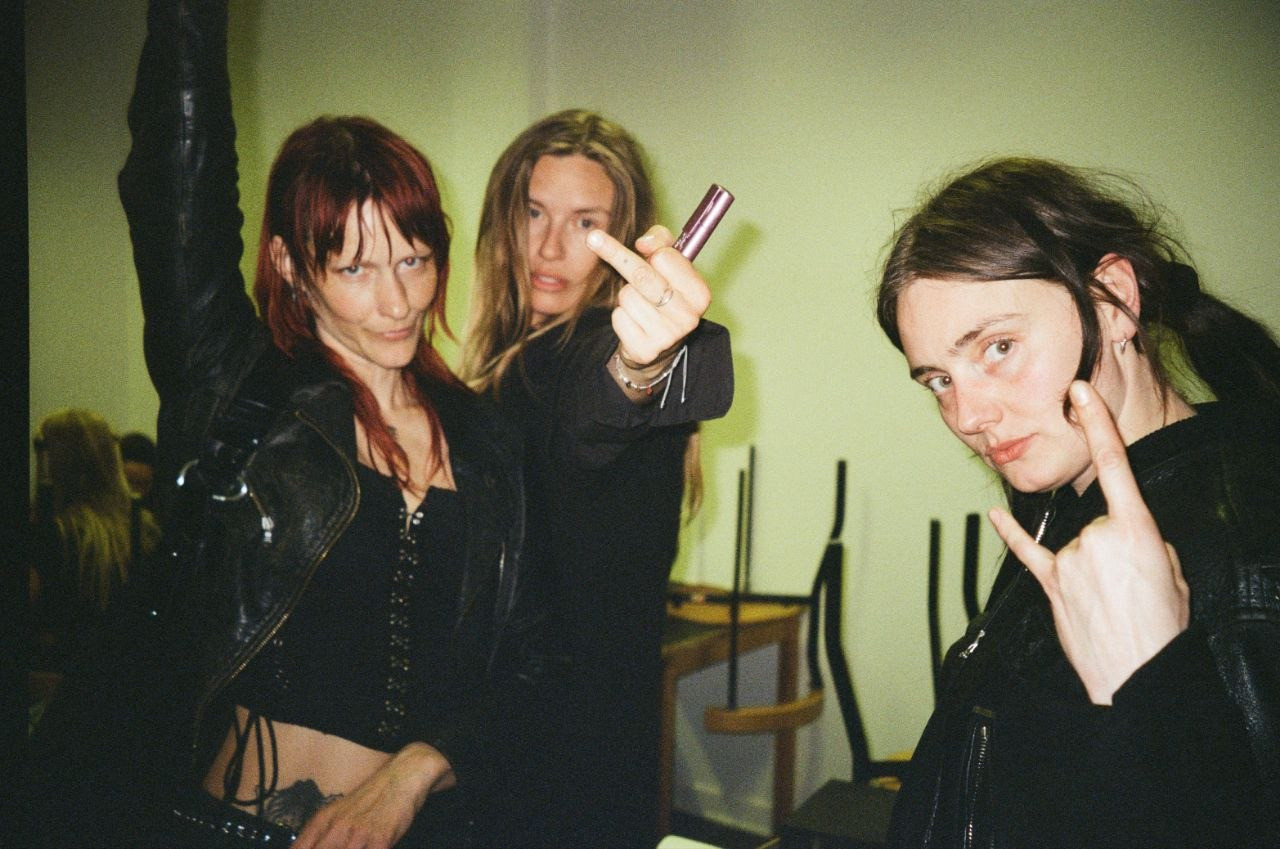
»Music is, to us, a kind of closed club of nepotism, networking and Copenhagen cowboy energy. But in reality, it’s got nothing to do with expensive guitars or technical skill. For us, music is something you can feel in your chest, or something that gives you goosebumps. The best concerts are when someone screams so earnestly that the rest of us don’t have to. The best music expresses emotions in a way that would get you picked up by an ambulance if you did it out on the street. For us, music should fuck with the people who have it too comfortable, and give those who have it fucked a feeling that they’re not alone. Boom. And what the fuck is a chord and a key anyway? Kisses from Nightmaries.«

Nightmaries blend saws, guitars and voices into a dark-country, no-wave, cowboy-doom nightmare. They create the kind of soundtrack that feels like a fever dream you somehow don’t want to wake up from. As the world gets stranger and darker, Nightmaries lean into the madness, serving up slow-burning songs that creep under your skin like a poison that takes its sweet time. Put on your favourite steel-toe boots, dip your smoky eyes in an ashtray, and prepare yourself for sloppy doom with punk energy.
© PR

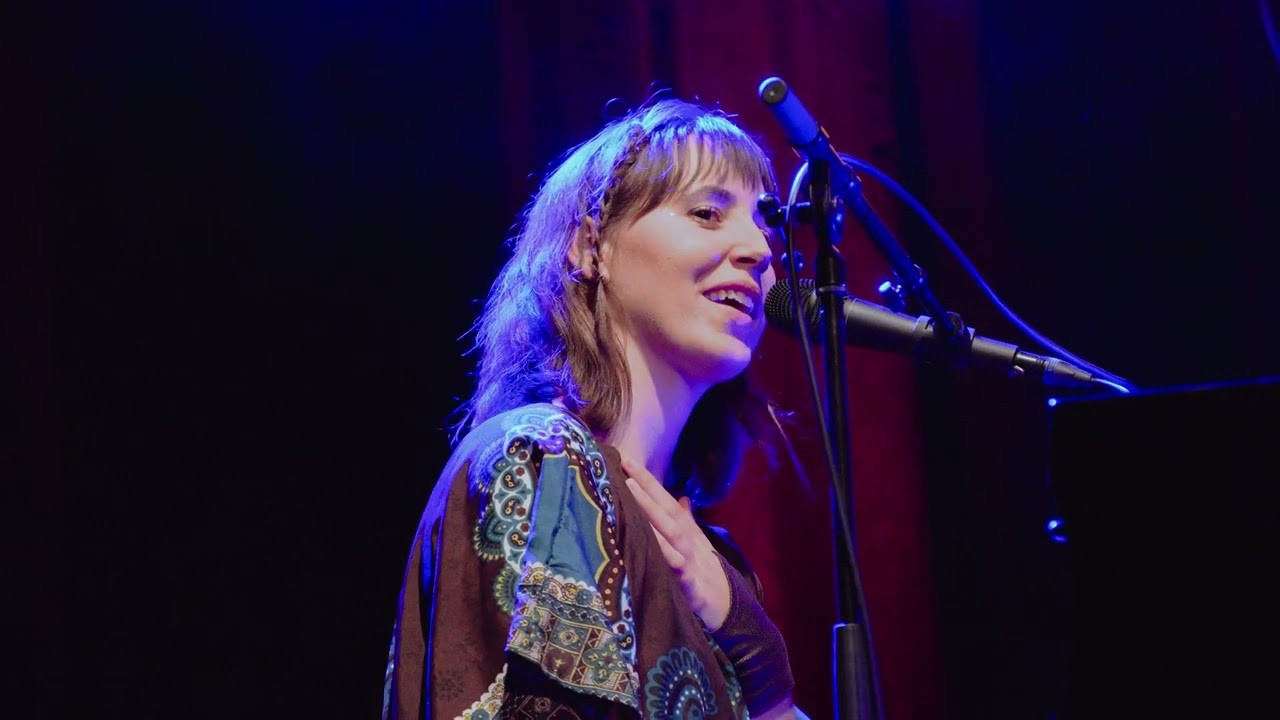
»To me, music is love. I love how music allows you to skip the small talk and connect directly with people’s innermost selves. It is an extraordinary and moving way to meet one another.«

Fenja wrote her first song at the age of twelve – about a polar bear dying due to climate change – and themes of existentialism, nature, and her own sensitive nature came to define the lyrics and sound she has since developed. She released her debut album, Flugtdyr, in 2021, and in February 2026, she released the album Menneskedyr.

© PR
© PR

Danish composer Sofus Forsberg has died at the age of 56. With his distinctive blend of melodic sensibility, electronic processing and rhythmic precision, he created a musical world that moved effortlessly between IDM, pop and the avant-garde.

© Simon Weyhe

»Music for me is my hobby, my job, my outlet, my mood, an endless source of discovering new music and new, old music, some of the best and can be some of the worst. And I love it!« 

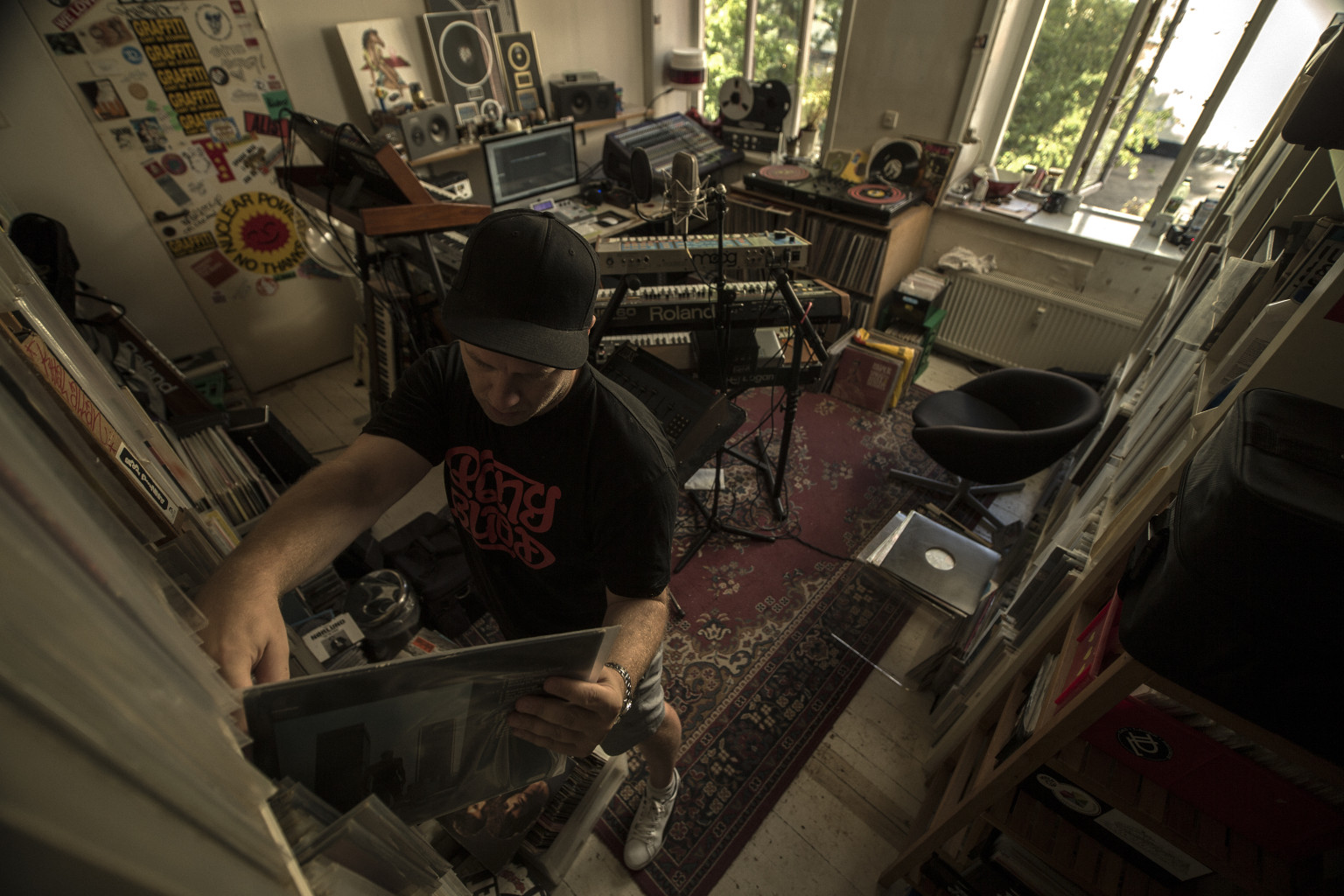
Track72 aka Tue Track aka Anders Lundby Brixen. Producer, DJ, rapper and more. Known for his role in the trio Malk De Koijn, which since the mid-1990s has created a personal universe in Danish hip-hop. Has performed in Ponyblod, Xtra Naan, Track Abdullah Rock, Booty Cologne and others.

© PR
© PR

On Wednesday, 5 August 2026, it happened again: a chord in John Cage’s Organ2/ASLSP (As Slow as Possible) changed after two and a half years. Classic FM reports.

The work was written by the American avant-garde composer John Cage in the mid-1980s. The score consists of eight pages of music, and, as the title suggests, the instruction is to play it »as slow as possible.«