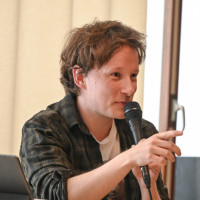
Rune Glerup
15






Sidst vi hørte fra Rune Glerup i en stor koncertsal, var i 2016. Da var han fremtidens mand blandt de unge komponister, men meget er sket i mellemtiden. Det danske komponistmiljø har fået en helt anden gejst, og da DR Symfoniorkestret uropførte hans nye violinkoncert, Om lys og lethed, virkede musikken pludselig lettere altmodisch.
En hektisk jagtsekvens omkransede værket. Dæmpede trompeter satte snigende udråbstegn, og lyse træblæsere standsede igen og igen krydsilden med udstrakte heller. Det lød autobiografisk: som en ørkesløs musik, der hele tiden blev krøllet sammen og smidt væk, indtil solisten Isabelle Faust omsider brød stilstanden med en solokadence.
Imellem de to ydersatser hørtes metodiske forsøg på at forme uvante melodiske forløb med langsomme triller. Det klingede mere af nøgtern kontemplation end nyvunden eventyrlyst, og linjerne endte da også med et karakteristisk knæk: måske en accept af det ufuldendte, for derfra flød musikken mere frit.
Først med en sprælsk scherzo, hvor orkestret lod sig drive fremad af herligt egensindige, langstrakte linjer fyldt med markeringer. Siden med en ekstremt sørgmodig soloviolin, hvis hvislende søgen indrammedes af stille, metallisk tuden i blæserne.
Her hørte man potentialet i Glerups distinkte, indadvendte tænkning, men den let sentimentale modernisme, man fornemmede i værket, havde en bismag af fortidig fremtid. Af noget, vi egentlig har lagt bag os. Violinkoncerten overbeviste ikke for alvor om, at det spor skal genopdyrkes.

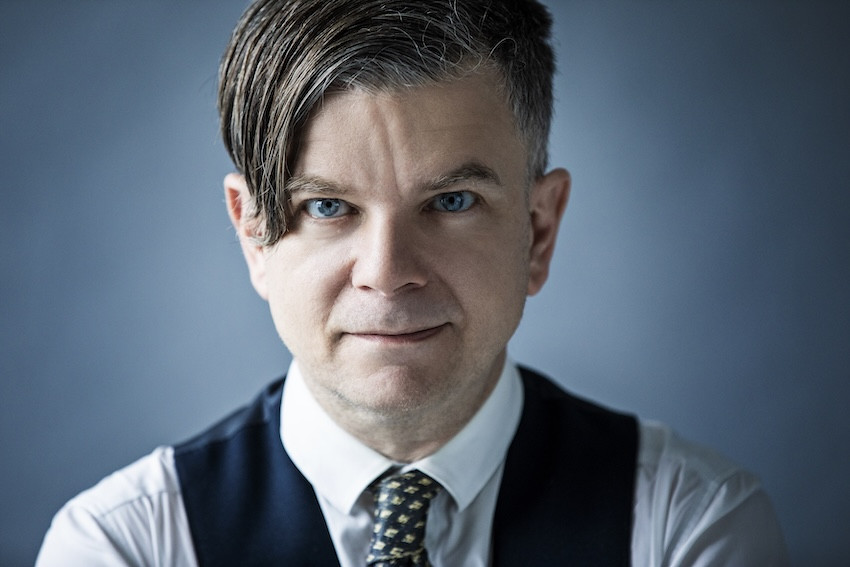
»Who ever said that music is ‘just’ music? To me, it is anything but that: an urge to understand and explain it all. A piece of jewelry I wear every single day. A joy that can, at times, run deep. An ever-changing imprint of millions of stitches in my heart. A longing to disappear.«
Henrik Marstal is a musician, author, and music researcher. He holds a PhD in musicology, is a senior lecturer at the Rhythmic Music Conservatory, and frequently appears in the media as an expert source on music. His areas of interest include contemporary music, such as electronic music. This winter, he will release both a new album with the pop group ibens and a book about Else Marie Pade, published by the British publishing house Bloomsbury.
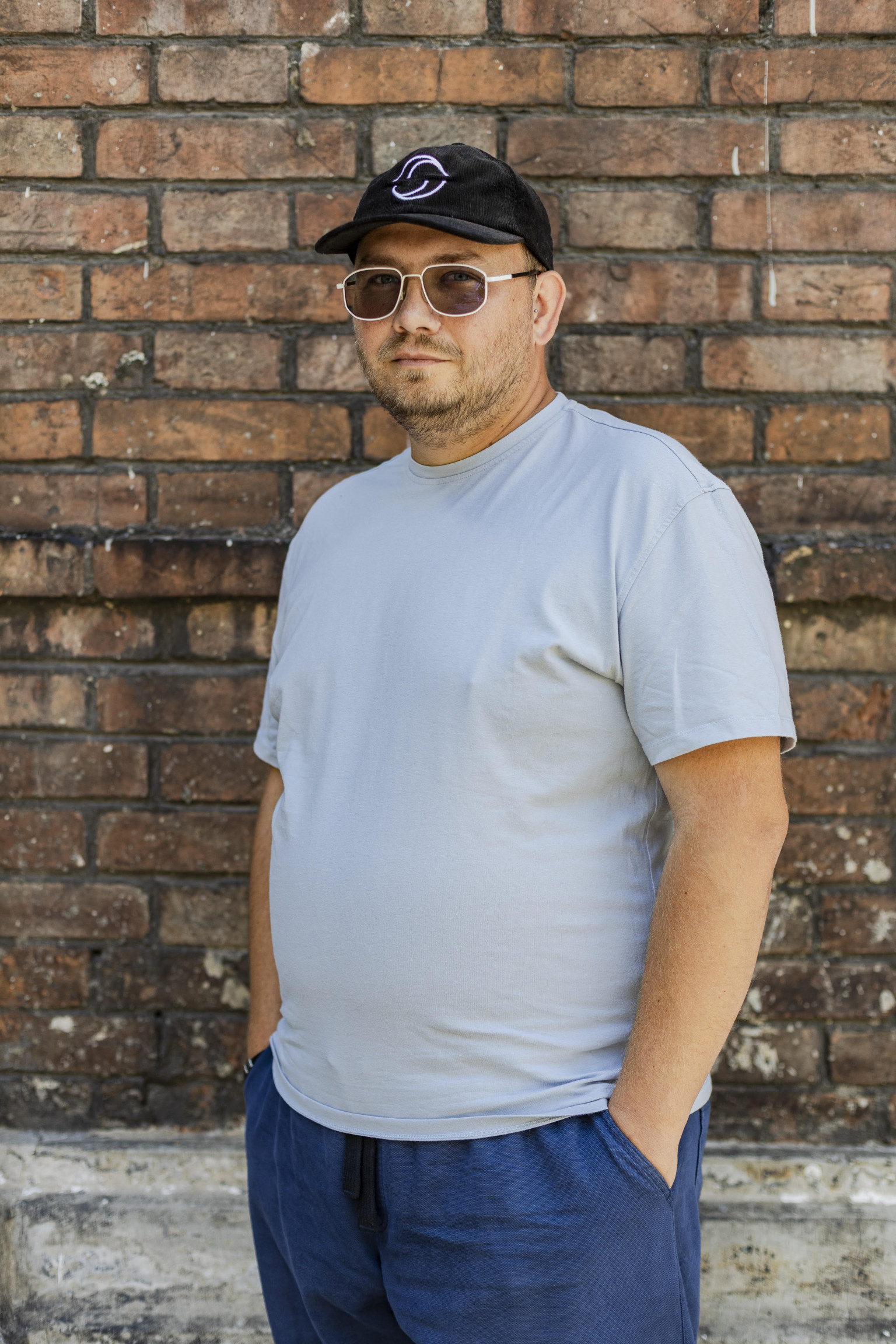
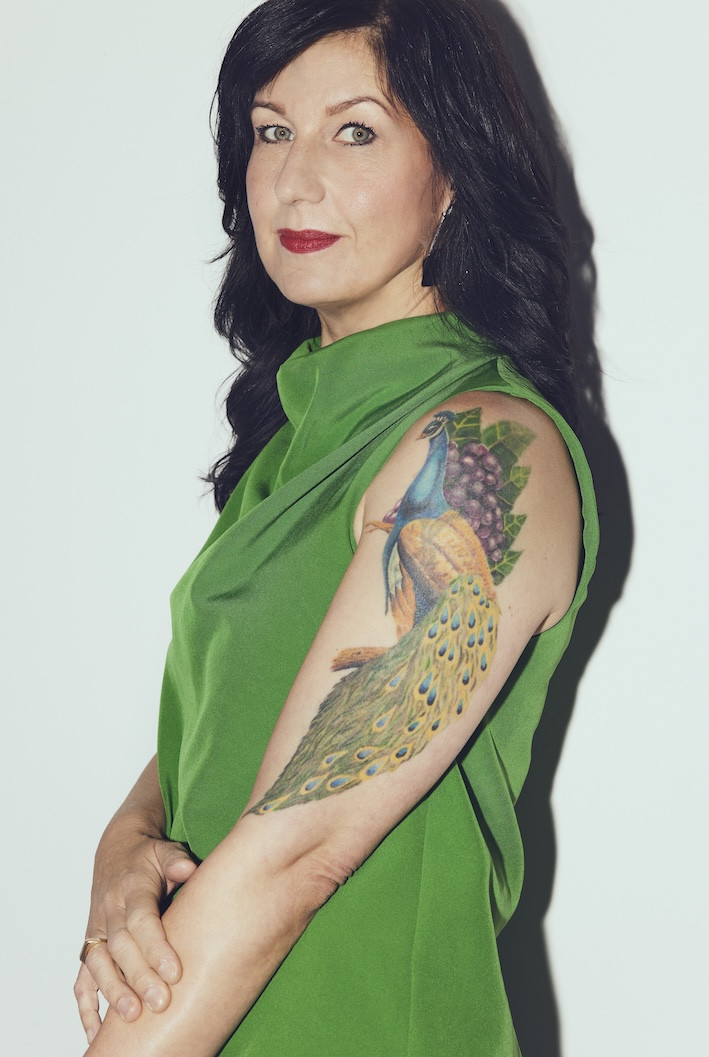
»For me, music is at its best when it appeals to both the head and the heart. I love music that plays with language and understands how words create images, while also possessing its own unique sonic quality and mood. It’s an added bonus if the music energizes me during a run, makes me dance in the kitchen, or makes me laugh. Or cry. Music can be like a chocolate-coated marshmallow treat with a surprise inside.«
Lone Hørslev is an author of poetry, novels, and song lyrics, as well as the TV series Den gode stemning. Together with Mads Mouritz, she forms one half of the Mouritz/Hørslev Project, and she recently wrote lyrics for the musical theatre production STOLT in collaboration with Katrine Muff. The songs can be found on the album Jeg ønsker mig.