Plukkede nerver
Københavnerne Kresten Osgood og Tomo Jacobson danner med de to New Yorkere Mat Maneri og Tanya Kalmanovitch en i jazzsammenhæng mildest talt ukonventionel konstellation. Trommer og kontrabas fra den gamle købsstad, plus to gange viola fra Det Store Æble. Her på andet udspil ud af to eksemplificerer kvartetten råstyrken i den musikalske samtale.
Albummets seks skæringer giver et indtryk af snak, en sludder for en sladder, fire personligheder, der taler i munden på hinanden, er både enige og uenige, skændes og enes. Denne følelse er hjulpet godt på vej af den meget menneskelige kontrast mellem de to violaers lyse, animerede stemmer, og kontrabassens og trommernes sløvere, dybere røster. Mens det ofte er de to violaer, der synes at diktere konversationernes gang, så er skellet mellem de traditionelt rytme- og melodibærende instrumenter i virkeligheden opløst.
De fire musikere skaber et postyr, der til at begynde med fik mig til at føle mig sat udenfor, men i takt med at jeg blev mere bekendt med materialet, fandt jeg mig selv til rette ved bordet, og kunne tage del i diskussionerne. Og hvilke diskussioner. Plukkede og strøgne strenge, positioner og kontrapositioner, klikkende og buldrende perkussion. Disse samtaler er fulde af liv og nerve!
An Organ in the Dark Forest of Doubt
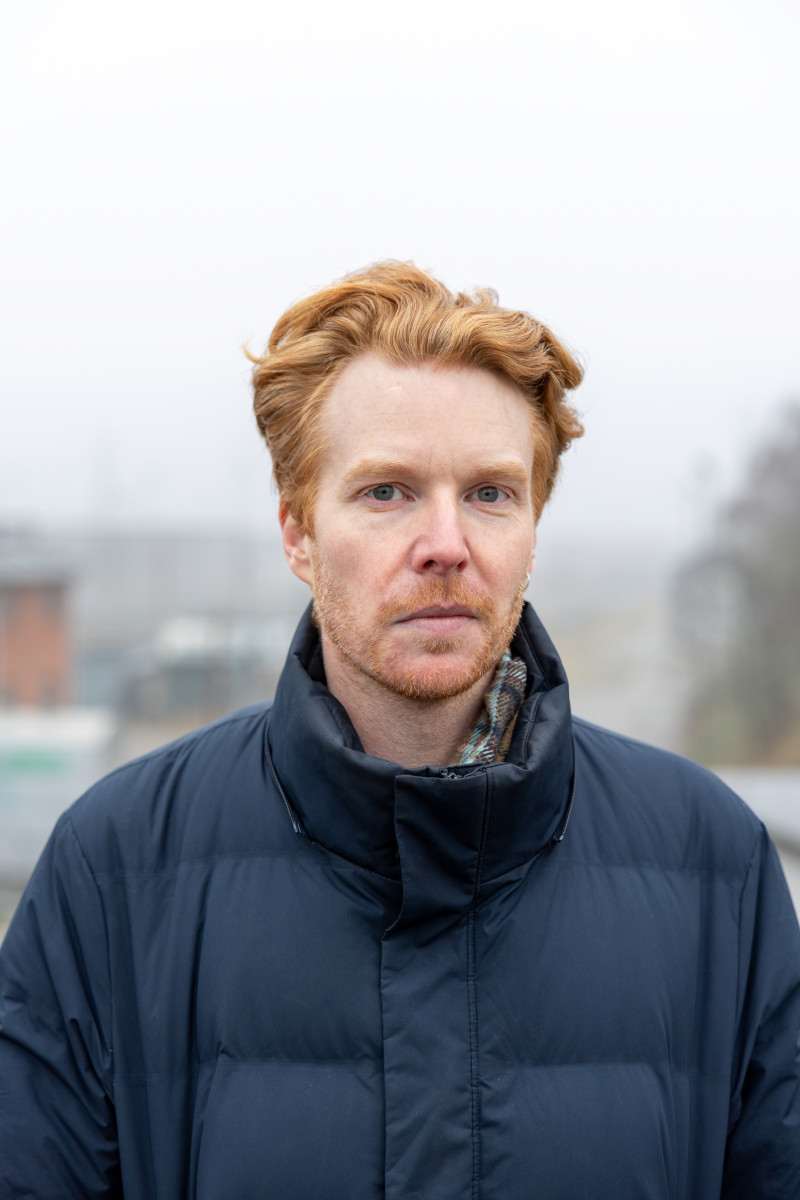
Last year, Builder released Poor_in_Spirit, an album in which he explored, on his own, the sonic possibilities of his self-built organ. It was an album shaped by this exploration, but ultimately also by the limitations of the organ itself. On Although Changed, I Arise the Same, the composer finds a way beyond them.
The organ is now joined by three additions: Builder’s own alto saxophone, along with the voices of Zola Mennenöh and Johanna Sulkunen. It makes all the difference, providing the diversity of instrumentation that Builder has repeatedly demonstrated his ability to compose for. At times, the organ’s bass sinks beneath the voices and saxophone like a light haze; at others, it envelops them in a heavy fog. It howls like wind in the trees and roars like a train in the night. Mennenöh and Sulkunen sing, chant and breathe simple, repetitive phrases about spiritual uncertainty and searching, as though lost in the dark forest of doubt.
It is a Spartan form of storytelling, giving the listener enough lyricism and atmosphere to set the mind in motion, but never so much that it becomes overwhelming. This is where Builder’s strength lies: his music clearly grows out of his life and experiences, yet he composes in such a way that the listener is invited to enter the story with their own imagination.
Builder determines the colours, but leaves part of the picture to the listener. It is an album that is far more restrained in its dramaturgy than previous releases. No less beautiful or inspiring for it.
English translation: Andreo Michaelo Mielczarek
»For us, music is a transcendent force with transformative potential – something we get to experience and shape when we create sound together. It is an opportunity to describe one’s innermost universes without words, and the best way for an introvert to express intense emotions at full volume.«
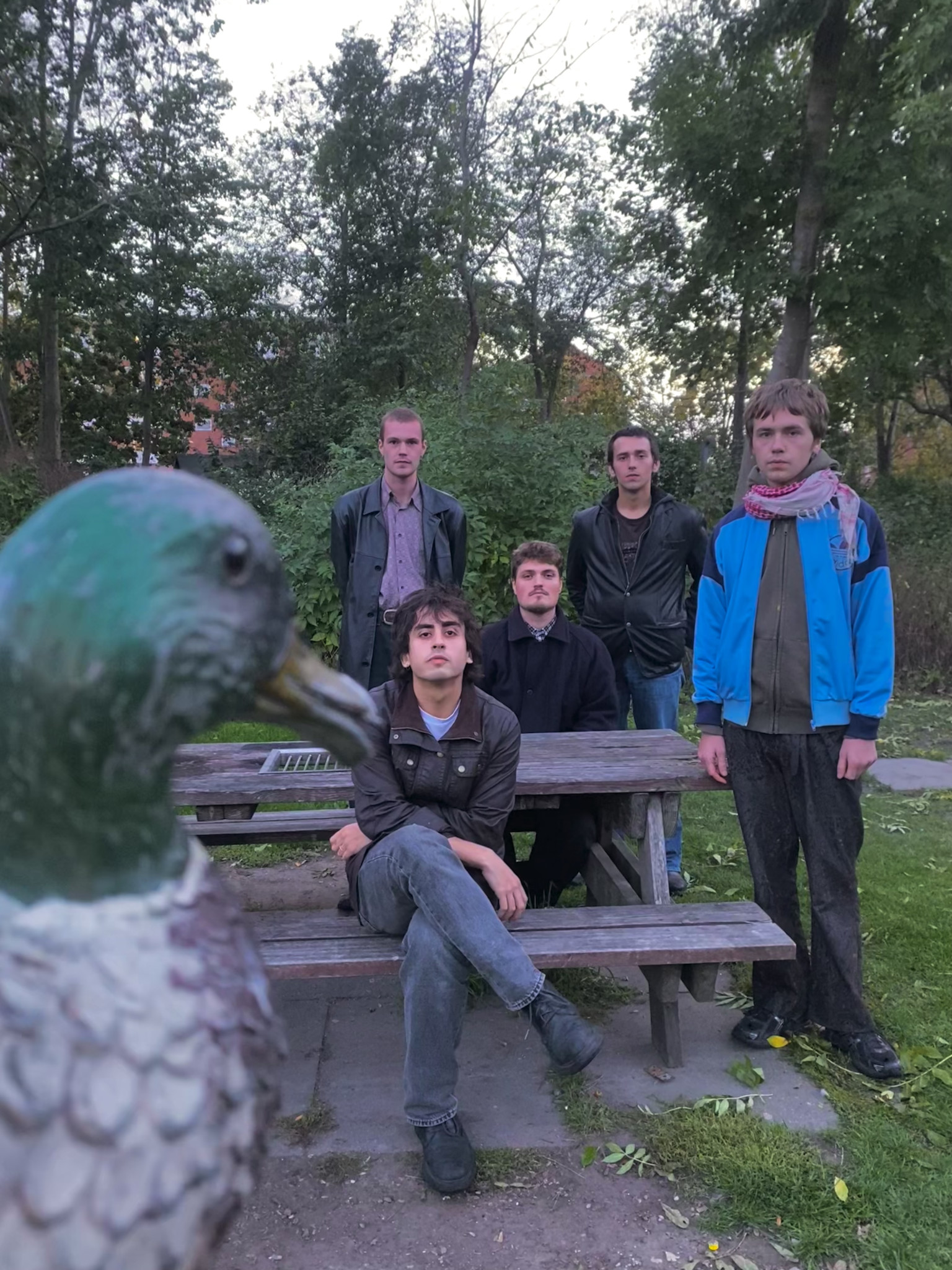
With roots in Copenhagen’s experimental jazz and punk scene, Echo, Bravo challenges the notion of what a rock band can sound like. The quintet blends post-punk, free punk, and noise rock into a raw and unpredictable soundscape. They describe the music themselves as a kind of »empty-the-fridge soup,« where various leftovers come together. »Best enjoyed as a hot meal in a cold industry.«
Thorbjørn Tønder Hansen has died. With Thorbjørn’s passing, the art music community has lost one of the Nordic region’s most significant producers, curators and cultural leaders.
»Music is the best way to discover myself and understand the world around me.«
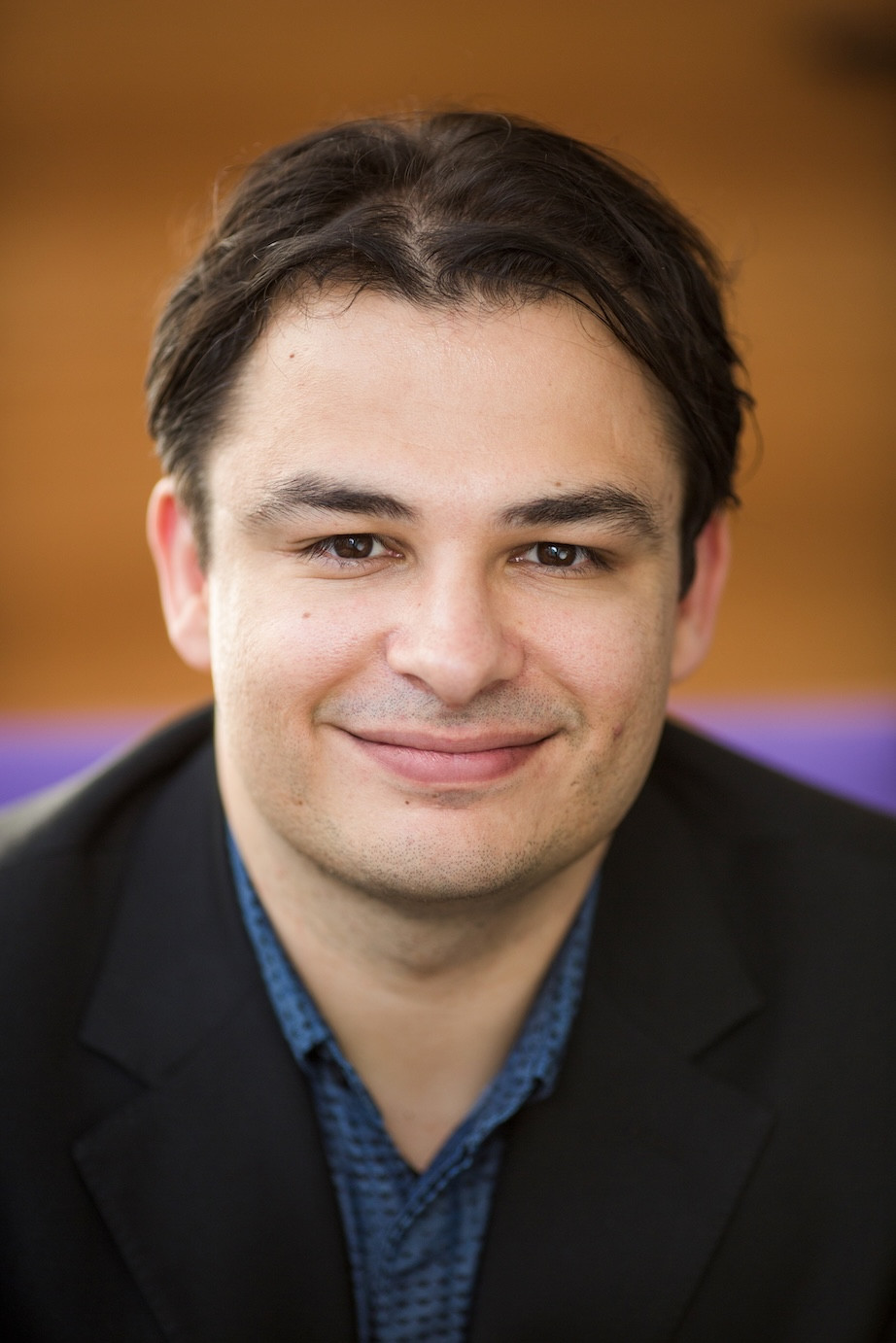
Luca Quintavalle is a harpsichordist, fortepianist and conductor. He has performed with ensembles including Concerto Köln, Harmonie Universelle, the Mozarteum Orchestra Salzburg and the Kölner Kammerorchester at venues and festivals such as the Kölner Philharmonie, Salzburg Festival and Enescu Festival. He was harpsichordist of Les Musiciens du Prince, led by Cecilia Bartoli, for over five years, and has conducted ensembles including the Orchestra and Chorus of Teatro dell’Opera di Roma, Concerto Köln and Deutsche Kammerakademie Neuss. His recordings include Mirrors, released by Berlin Classics and awarded an OPUS KLASSIK.