in brief
19.10.2022

Ensomme dæmoner

Runar Magnusson: »Komplett Kollaps (a dedication to Jóhann Jóhannsson)«
© PR
© PR

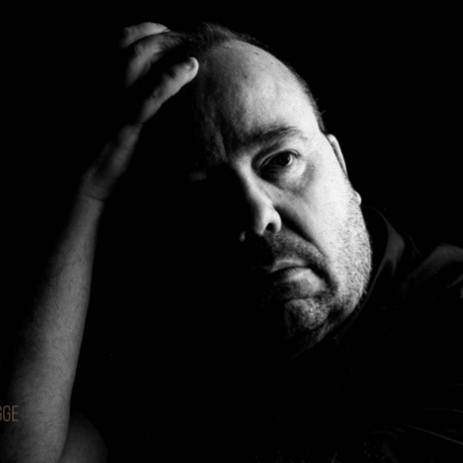
Få ting er dystre som døden, og netop afskeden er omdrejningspunktet for dette hyldestalbum til musiker Jóhann Jóhannsson, som gik bort i 2018 og efterlod Runar Magnusson med et tungsind, der er allestedsnærværende på denne tåreperser af et kunstnerisk velafbalanceret album.

Æstetiske forvrængninger af studier i orgel gennemborer det smukke og kompositorisk fuldendte Komplett Kollaps, som er én lang sørgemarch, en kærlighedserklæring af sorg over tabet af en ven.

Åbningstracket »Severed Voices« lyder som opgivende rørs langsomme åndedræt afspillet baglæns, mens orgelet træder i dronet karakter på det 11 minutter lange »Dr. Diablo Plays the Organ«. Kirkeklokkerne snegler sig afsted, og en elektronisk stemme repeterer ordene »A Star's Gone Dim«, før sidste nummer »Buried Treasures« afslutter værket i mørkegrå toner. Lydmanipulationen er afdæmpet, repetitiv, pauseløs samt rørende i al sin enkelhed, og budskabet står så klart, at der ikke kan sås tvivl om de følelser, der ligger til grund for musikken.

Albummet er måske det mest sørgelige, jeg har hørt i hele mit liv. Blottet for melodiøse sommerminder eller klange af forår. Til Komplett Kollaps kan man græde igennem i vintermørket og lade livets smerte passere revy. 

in brieflive
30.10

Only at the End Did the Music Break Free

The Baroque Society: »Remembering«
© Malin Annie Jansson

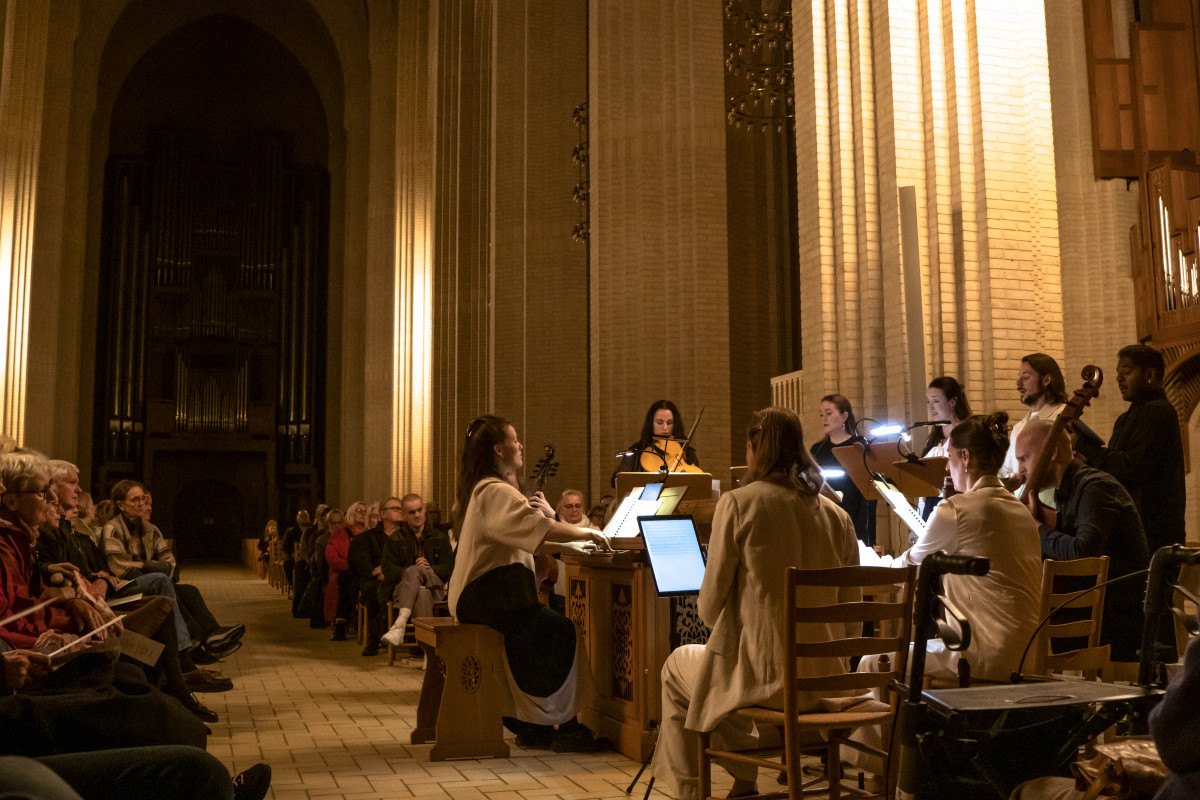
The British composer Nick Martin, who is based in Copenhagen, attempts to give remembrance a sonic form in his brand-new work Remembering, written specifically for The Baroque Society. On Thursday evening at Grundtvig’s Church, he succeeded beautifully in parts of the fifteen-minute work for four singers and a small, intensely focused group of Baroque instruments.

Dense vocal textures lingered over harmonies that unfolded slowly, while allowing the soloists to emerge one by one. The static accompaniment provided a foundation for remembrance, over which the floating voices evoked the lost and departed. The harmonies gradually shifted in colour like clouds in the sky, constantly changing shape – seemingly at random, yet following what felt like a fixed, organic pattern. But the work became too long and passive. Only in its final minutes did the harmonies break apart, making room for welcome rhythmic variation and tantalising silences. Had this shift in form come earlier, Martin might have created a more compelling work. It nevertheless ended with a gem of an open, searching chord which not only demonstrated his gifts as a vocal composer but perhaps also invited us to think of remembrance as something positive and transformative rather than tragic.

Remembering was framed by two works by J.S. Bach (BWV 118 and 106). The latter cantata was later given the title Actus Tragicus, but it was not entirely tragic: for Bach, death primarily offered access to something better. That sense of consolation was harder to find in this performance, where the small orchestra of The Baroque Society lacked energy and momentum. Yngvild Haaland Ruud, seated behind the small organ in the middle of the ensemble, provided insufficient musical direction to bring the players together. The tempo was far too ponderous, and the music lingered too much on the feeling or memory of the sounds just heard. Still, it was refreshing to encounter a new work by Nick Martin – an invitation to remember at All Saints’ Day.

The concert will be repeated in Copenhagen, Helsingør and Gentofte over the coming days

English translation: Andreo Michaelo Mielczarek

© PR

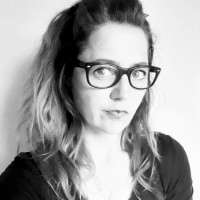
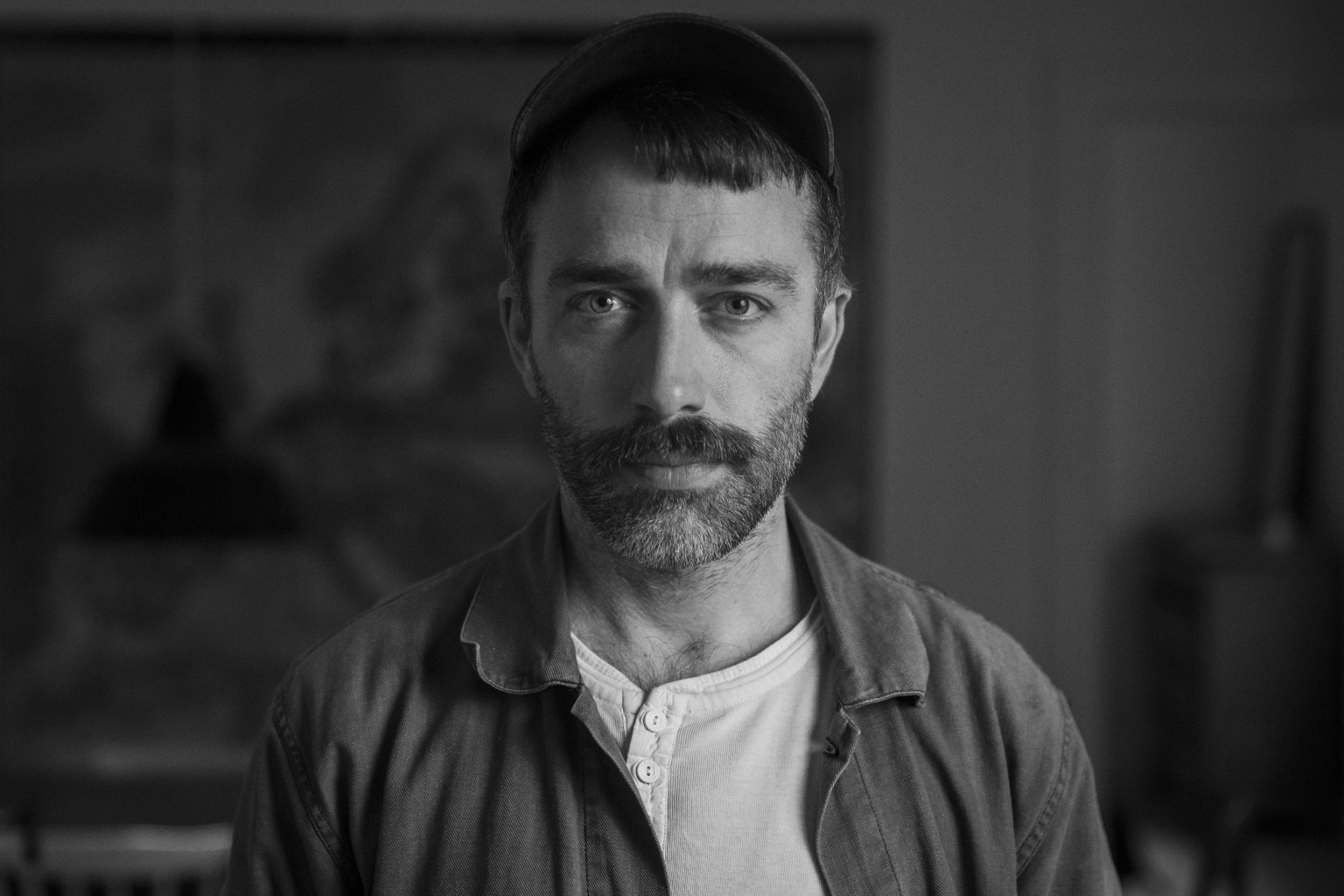
»For me, music is incredibly important. It is music that reveals who I am and who I want to be. Music is my muse, my solace, and my paintbrush. It paints my state of mind, serves as a frequent topic of conversation among my friends, and – along with the lyrics – acts as my preferred form of expression. To me, music represents the colors and shapes of my life. I have a particular fondness for Danish artists such as C.V. Jørgensen, Elisabeth, Olesen-Olesen, Peter Sommer, and Gravens Rand.«

Søren Damm is an award-winning author known for the novels Transit, Melodrama, and Finland. He is also a singer and songwriter, having released, among other works, the album Håbet Er Den Største Last.

© Paw Ager

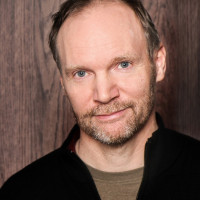
»For me, music is about curiosity and surprises – yet it’s also something in which you can feel right at home. Music resides within us all, in a physical way that sets it apart from any other art form. To me, music is something greater than the individual – something that will always outlive the individual. The good stuff, in other words ;) « 

Kaspar Kaae is an award-winning film composer, music producer, and songwriter, known for his work with bands such as CODY and Bug Chaser. He holds a Master’s degree in film composition from SDMK.  He has previously been a guitarist in a number of bands on the Danish indie scene, such as CODY, Broken Twin, and Bug Chaser. The latter is releasing the album My First Crippled Love in November. He was born in 1983 on Bornholm, but has lived in Copenhagen and Berlin throughout his adult life.

© PR

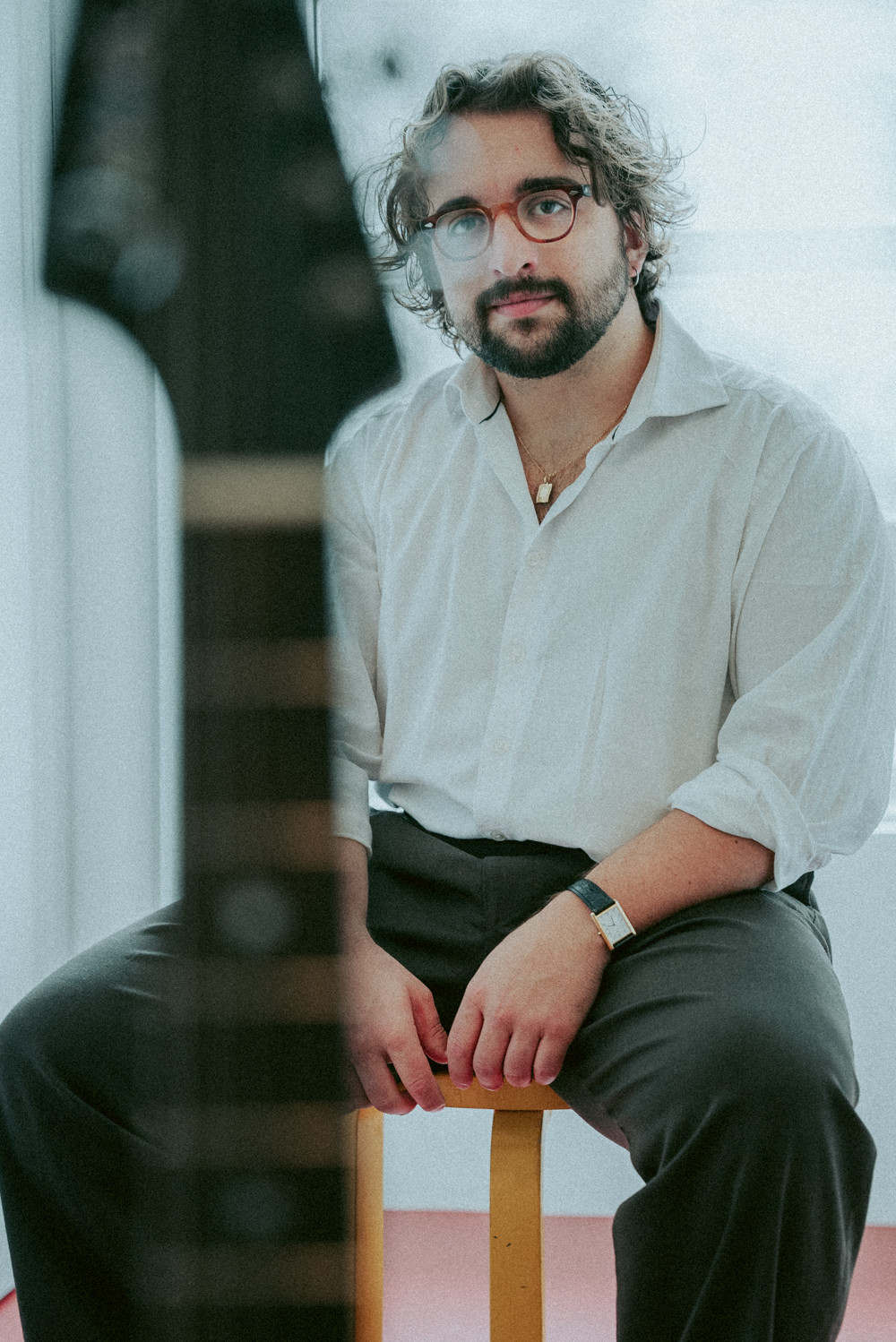
»Music is like a black hole that sucks you in and shoots you out on the other side of the universe.«

Francesco Rista is a guitarist working across classical and electric guitar. His recordings have been reviewed by international music magazines and broadcast on BBC and RAI Radio 3. After studying at the Royal Danish Academy of Music and Lund University, he focused on studio recordings, exploring guitar repertoire from the Baroque and Romantic periods to contemporary music, as well as the instrument’s varied tonal possibilities. Rista is currently based in Iceland, where he teaches guitar, composes music, and collaborates with contemporary composers.


© Villads Hoffmann
© Villads Hoffmann

Percussionist and composer David Hildebrandt is honoured for his virtuosic work with new music and his efforts to push the boundaries of what rhythm can be.

David Hildebrandt is among the recipients of this year’s honorary awards from the Wilhelm Hansen Foundation. He receives DKK 200,000 in recognition of his uncompromising work with new music and multi-percussion, as well as his ability to challenge conventional ideas about rhythm.