in brief
22.10.2022

Møbelmusik lige i øjet

Niels Frahm: Live
© Leiter
© Leiter

Det er nok godt, at Nils Frahm ikke spillede hele sit nye og over tre timer lange album Music for Animals (som i øvrigt ikke indeholder klaver overhovedet!). Plyssæderne i Musikhuset føltes i forvejen alt for behagelige, så hvor meget langsom musik kan det stressede menneske klare? Under sit fine fredagsambientshow optog den tyske musiker aarhusianerne, mens de lavede dyrelyde (fugle, hunde, dinosaurer), som han spillede hen over. Vi er alle (flok)dyr. Vi genkender og banker med fødderne, når vi hører hjertets rytme. For Frahms musik følger sådanne urgamle rytmer, selvom han omgives af tangentinstrumenter, glasorgel og blinkende maskiner, der blinker til os fra fremtiden. 

Analog og digital, robust og flygtig, mekanisk og glat. Frahms koncert var uden de store dramaer. Andet end dem, man selv kunne skabe under egne øjenlåg, mens man enten drev langsomt, ikke hurtigt, ud i universet eller bare forestillede sig, at der under en – når man åbnede øjnene – under plyssædet, pludselig var et dansegulv. Fram selv bevægede sig i en art electric slow dance. Ligesom Erik Saties »møbelmusik« kan Frahms æteriske og nydeligt designede musik for dyr nemlig sagtens opleves meget fysisk. Som en Myrestol med ekstra pude på sædet. 

I anledning af Music City Aarhus 2022 sætter Seismograf fokus på musik, lydkunst og komponister i Aarhus. 

© Mads Nissen
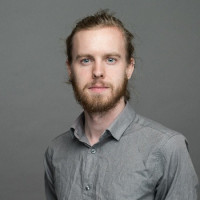
»Music is what gets my gears turning. It sets both my body and mind in motion – and on a good day, even gets them up to speed. My listening habits are entirely shaped by my mood... and by the musical tastes of my two children, which shift every eight minutes... so the home stereo gets exposed to a bit of everything. In a way, that’s exactly how it should be. Room for everything and everyone.«
 
David Dyrholm (b. 1990) is a food and music critic for Politiken, focusing on jazz – ranging from the traditional to the modern—and avant-garde music. Alongside this, he has worked for the Modern Jazz Days festival, served on the jury for the DMA Jazz awards, and previously released a number of records with the hip-hop collective DoktorDoktor.
in briefrelease
25.09

An Organ in the Dark Forest of Doubt

Calum Builder: »Although Changed, I Arise the Same«
© PR
© PR

Last year, Builder released Poor_in_Spirit, an album in which he explored, on his own, the sonic possibilities of his self-built organ. It was an album shaped by this exploration, but ultimately also by the limitations of the organ itself. On Although Changed, I Arise the Same, the composer finds a way beyond them.

The organ is now joined by three additions: Builder’s own alto saxophone, along with the voices of Zola Mennenöh and Johanna Sulkunen. It makes all the difference, providing the diversity of instrumentation that Builder has repeatedly demonstrated his ability to compose for. At times, the organ’s bass sinks beneath the voices and saxophone like a light haze; at others, it envelops them in a heavy fog. It howls like wind in the trees and roars like a train in the night. Mennenöh and Sulkunen sing, chant and breathe simple, repetitive phrases about spiritual uncertainty and searching, as though lost in the dark forest of doubt.

It is a Spartan form of storytelling, giving the listener enough lyricism and atmosphere to set the mind in motion, but never so much that it becomes overwhelming. This is where Builder’s strength lies: his music clearly grows out of his life and experiences, yet he composes in such a way that the listener is invited to enter the story with their own imagination.

Builder determines the colours, but leaves part of the picture to the listener. It is an album that is far more restrained in its dramaturgy than previous releases. No less beautiful or inspiring for it.

English translation: Andreo Michaelo Mielczarek

© PR

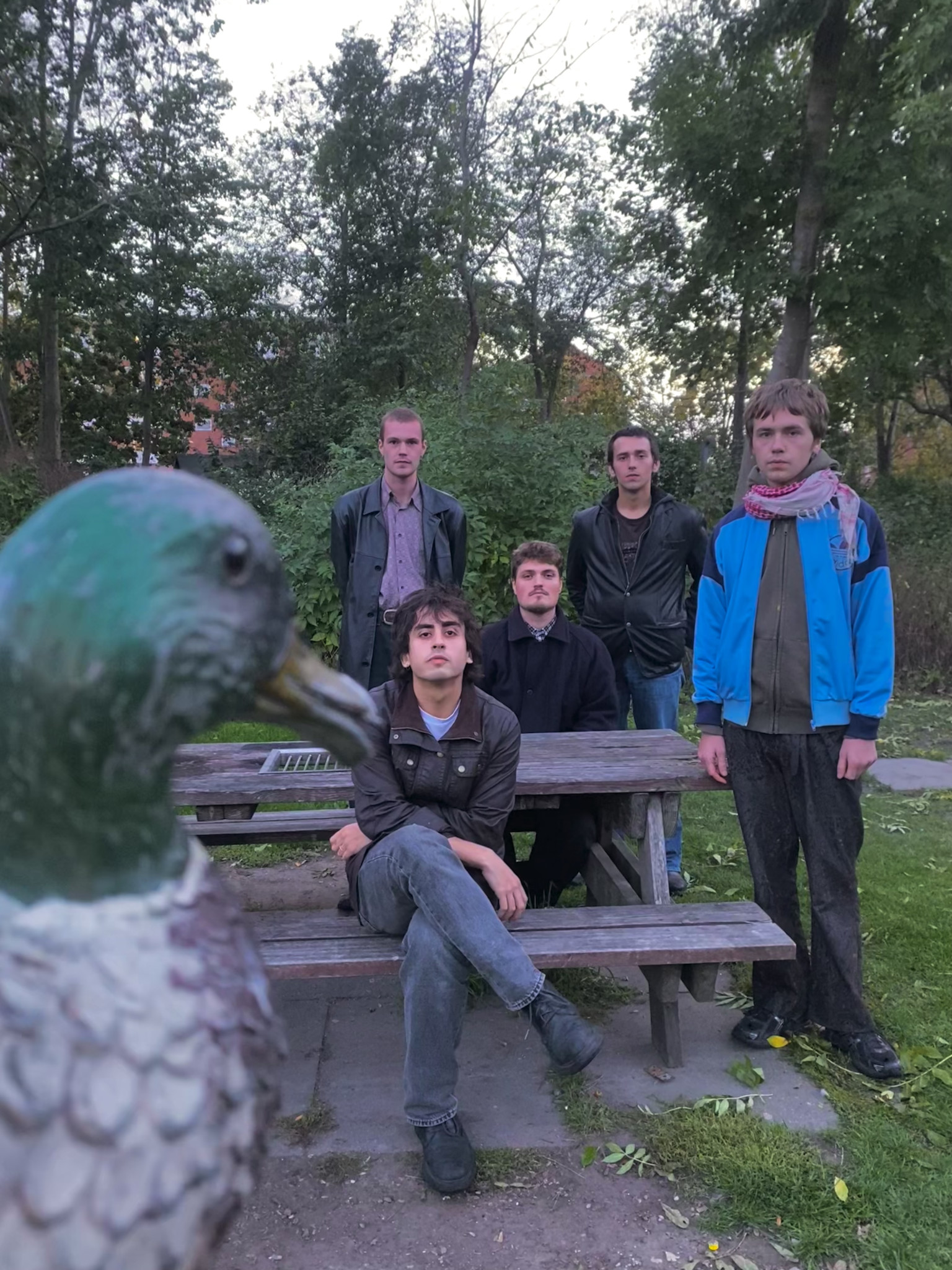
»For us, music is a transcendent force with transformative potential – something we get to experience and shape when we create sound together. It is an opportunity to describe one’s innermost universes without words, and the best way for an introvert to express intense emotions at full volume.« 

With roots in Copenhagen’s experimental jazz and punk scene, Echo, Bravo challenges the notion of what a rock band can sound like. The quintet blends post-punk, free punk, and noise rock into a raw and unpredictable soundscape. They describe the music themselves as a kind of »empty-the-fridge soup,« where various leftovers come together. »Best enjoyed as a hot meal in a cold industry.«


© Ultima
© Ultima

Thorbjørn Tønder Hansen has died. With Thorbjørn’s passing, the art music community has lost one of the Nordic region’s most significant producers, curators and cultural leaders.

© PR

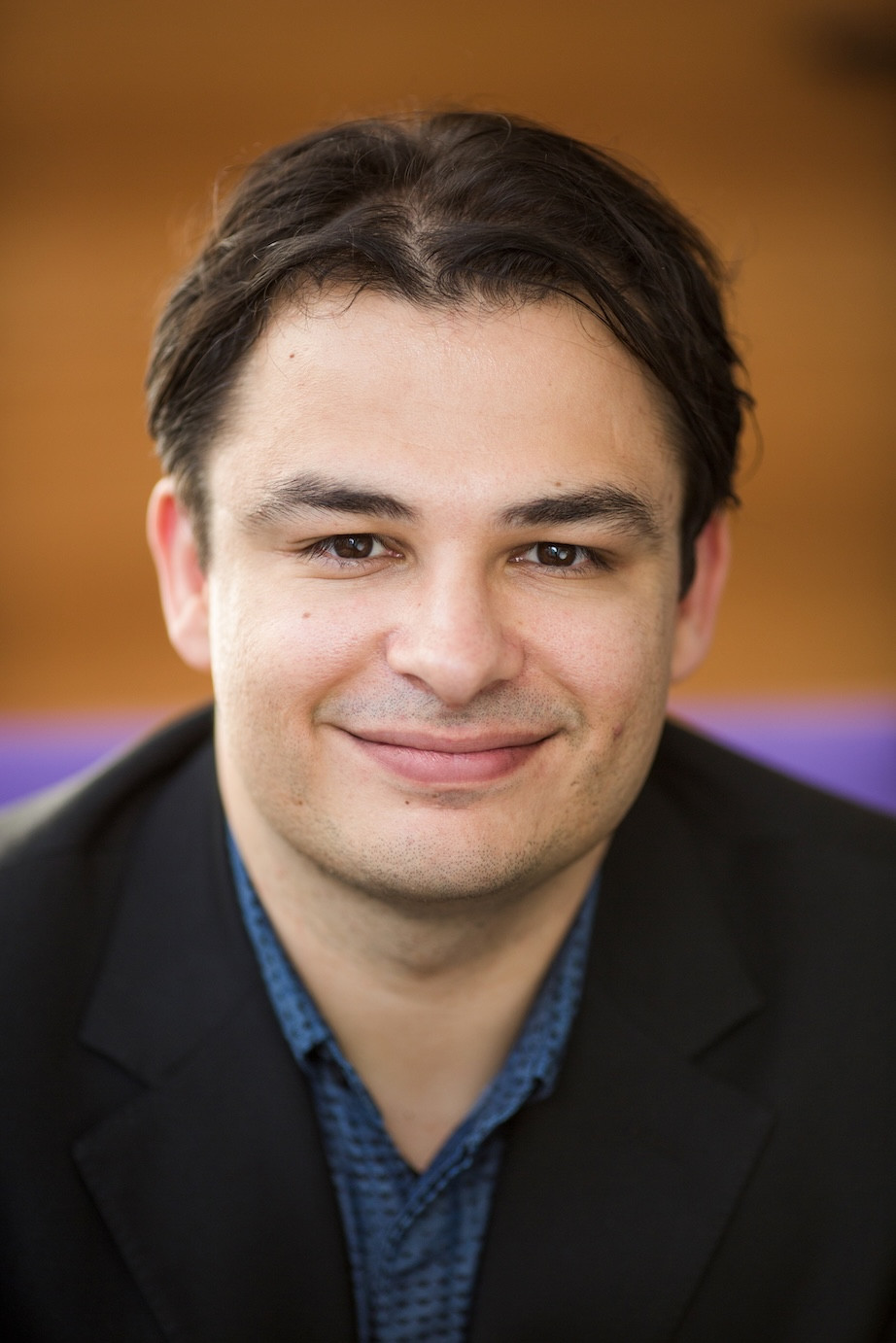
»Music is the best way to discover myself and understand the world around me.«

Luca Quintavalle is a harpsichordist, fortepianist and conductor. He has performed with ensembles including Concerto Köln, Harmonie Universelle, the Mozarteum Orchestra Salzburg and the Kölner Kammerorchester at venues and festivals such as the Kölner Philharmonie, Salzburg Festival and Enescu Festival. He was harpsichordist of Les Musiciens du Prince, led by Cecilia Bartoli, for over five years, and has conducted ensembles including the Orchestra and Chorus of Teatro dell’Opera di Roma, Concerto Köln and Deutsche Kammerakademie Neuss. His recordings include Mirrors, released by Berlin Classics and awarded an OPUS KLASSIK.