in brief
07.11.2022

Lad os alle lytte til Nyx

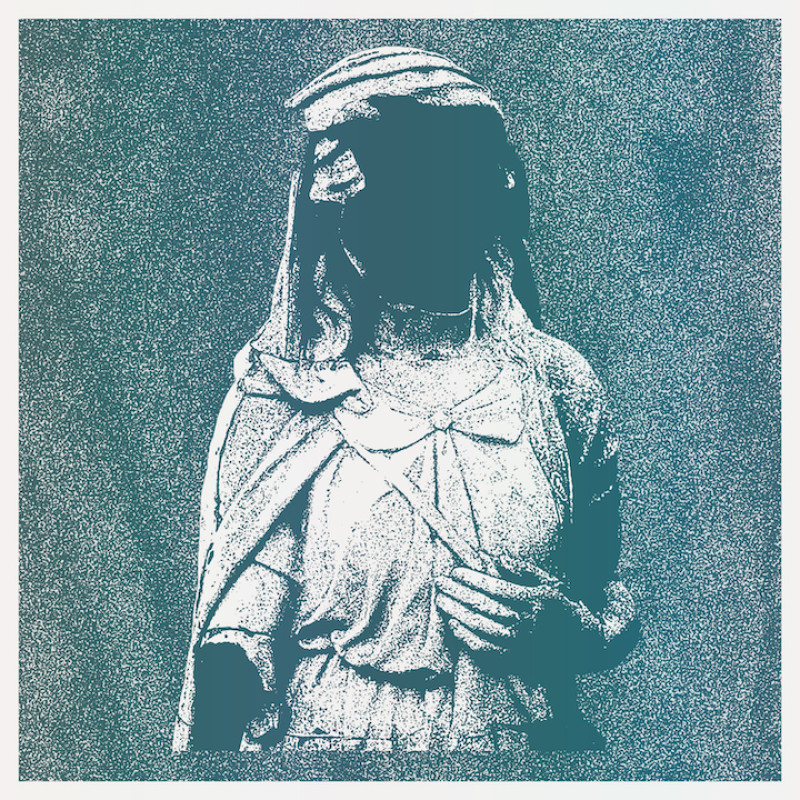
Lueenas: »Lueenas« 
© PR
© PR

Fra de græske gudinder Hemera og Nyx til selve moderjord, Gaia, og videre til heksene og vølverne i nordisk folketro: Debutalbummet fra violinist Maria Jagd og kontrabassist Ida Duelunds eksperimenterende duo Lueenas har hentet inspiration fra mytologiske kvindeskikkelser, og inspirationen skinner på underfundig vis igennem. Duoen formidler både den storslåede skønhed og den ulmende uhygge, som disse fortællinger på hver deres måde vidner om. Selv bliver jeg mindet om den spanske mystiker Teresa af Ávila (1515-1582), hvis beskrivelser af både lidelsen og ekstasen ved Guds tilstedeværelse i krop og sjæl sommetider antog nærmest seksuelle konnotationer. Det samme møde mellem ånd og stoflighed oplever jeg i et nummer som »Souls Sliding«, hvor strygerne lyder som blød, lys dis, der igen og igen bliver punkteret af insisterende, technoagtige rytmer, og i åbningsnummeret »Resurrection«, hvor violinens lyse hvin stiger mod det himmelske lys, mens kontrabassens dybe summen forbliver i den mørke jord, hvorfra genopstandelsen må formodes at begynde. 

På albummets utroligt smukke afslutningsnummer får Lueenas selskab af sangerinden og sangskriveren Emma Acs. Sammen maler de et billede af en mystisk, westernagtig nomadeskikkelse, der rejser hvileløst rundt i en stjålen bil på jagt efter en form for mening: »In the search for happiness / I found the end«, lyder den triste slutning. 

Den arketypiske fortælling lyder som Lueenas' eget paradoksale bidrag til albummets serie af mytologier: Paradoksal fordi karakteren netop symboliserer den meningsløshed, som mytologierne ellers historisk set har været et værn imod.

© Thor Brødreskift
© Thor Brødreskift
The 2026 Nordic Council Music Prize goes to Norwegian composers Kristine Tjøgersen and Benedicte Maurseth for Elja, a suite for the Kronos Quartet and Hardanger fiddle.
 
Rationale
© Carsten Seidel

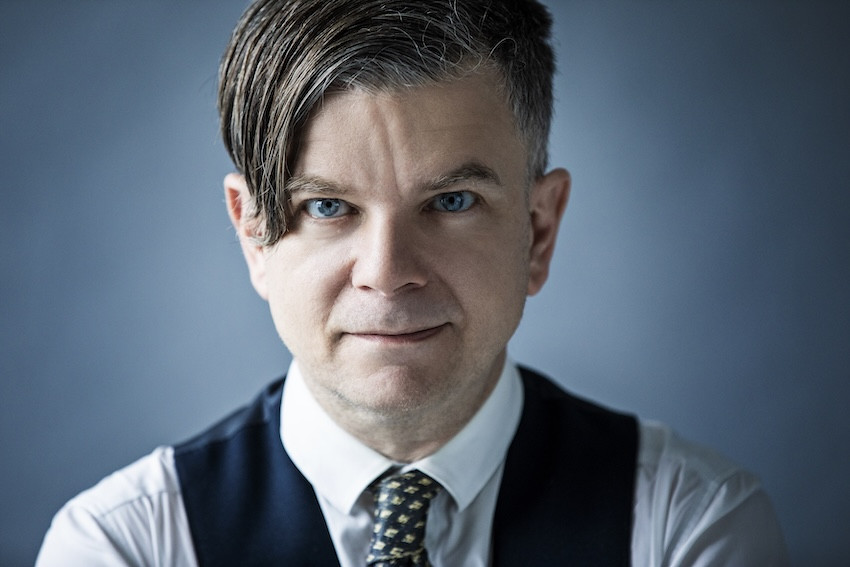
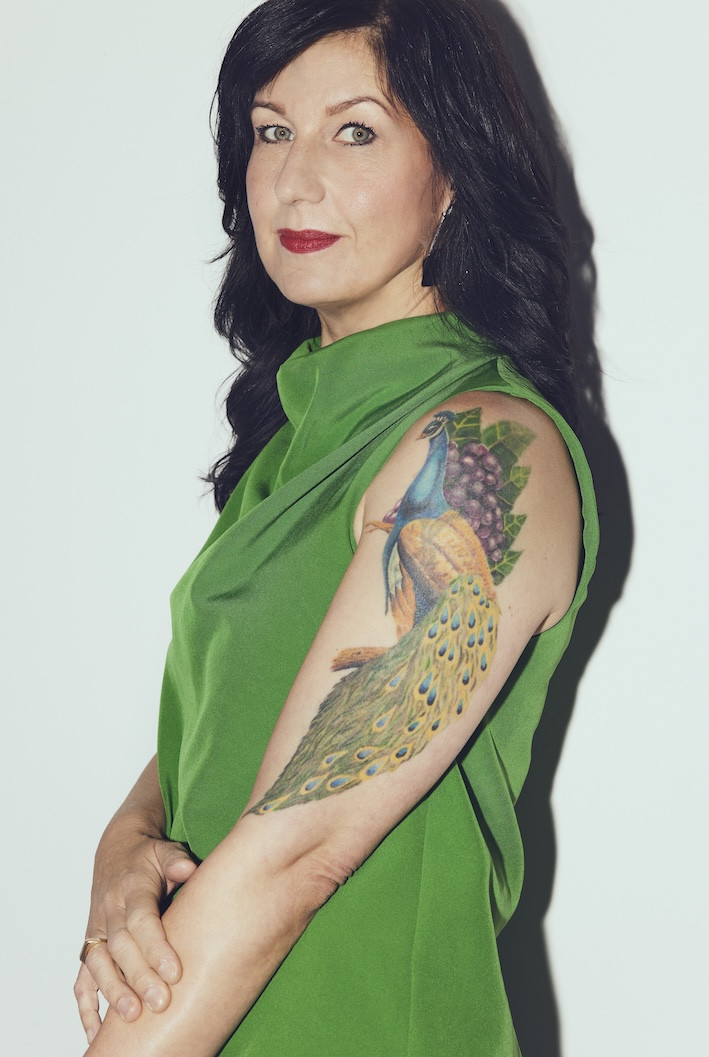
»Who ever said that music is ‘just’ music? To me, it is anything but that: an urge to understand and explain it all. A piece of jewelry I wear every single day. A joy that can, at times, run deep. An ever-changing imprint of millions of stitches in my heart. A longing to disappear.«

Henrik Marstal is a musician, author, and music researcher. He holds a PhD in musicology, is a senior lecturer at the Rhythmic Music Conservatory, and frequently appears in the media as an expert source on music. His areas of interest include contemporary music, such as electronic music. This winter, he will release both a new album with the pop group ibens and a book about Else Marie Pade, published by the British publishing house Bloomsbury.
© Alicja Rzepa/Sacrum Profanum
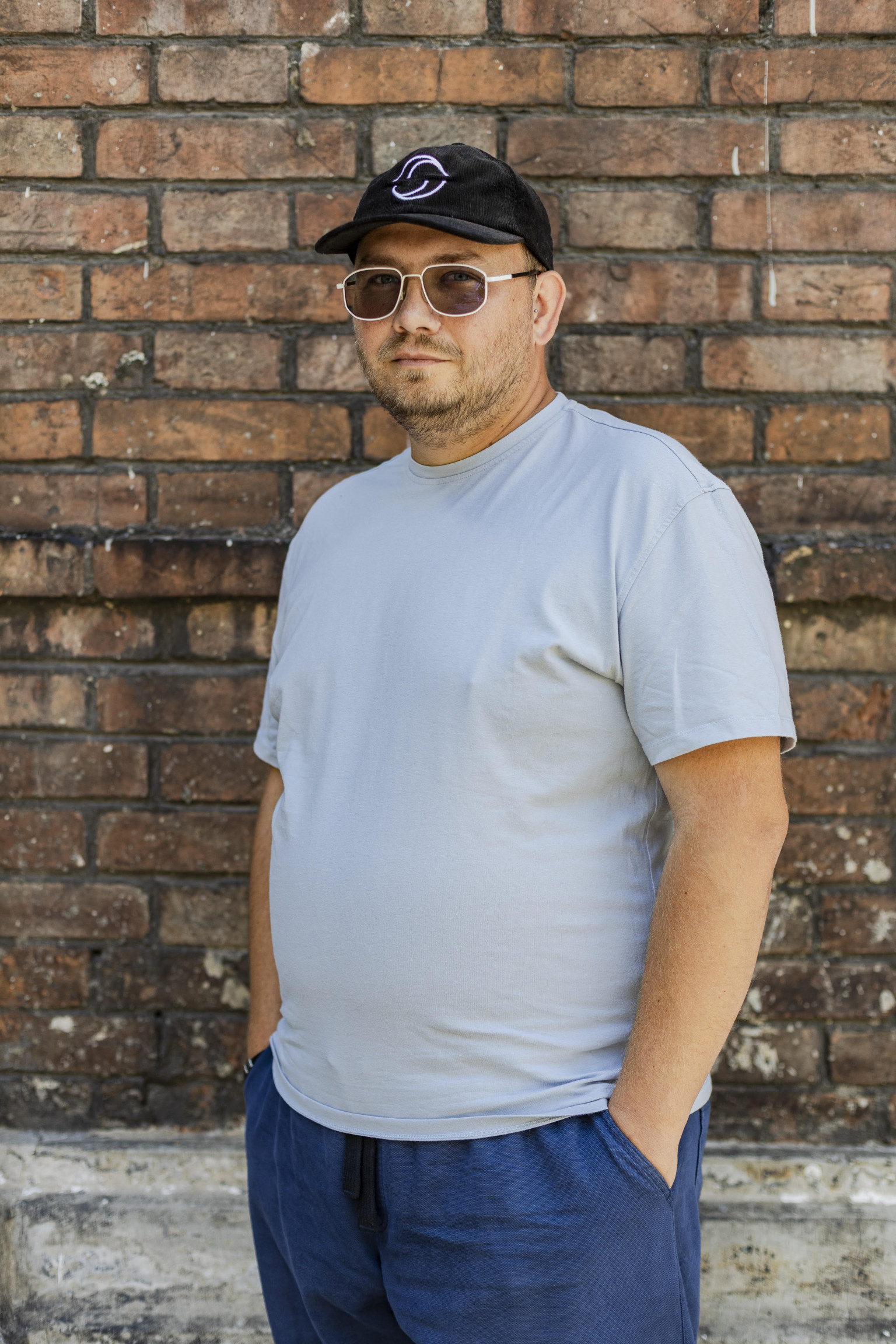
»Music helps me feel, process and regulate my emotions, giving them an outlet when I need release and bringing me calm when I need balance – it’s sort of my outsourced nervous system.«
 
Krzysztof Pietraszewski is a music journalist, editor and curator based in Kraków, Poland. Since 2016, he has served as artistic director of Sacrum Profanum, a festival dedicated to new and experimental music. He hosts Muzykoteka and the RKK Live concert rebroadcast series on Radio Kraków Kultura. He also develops listening sessions with discussions, inviting audiences to discover unfamiliar music, exchange impressions and experience listening as a shared activity. His work includes executive-producing recordings for the Sacrum Profanum Archives series. Originally from Silesia, he has made Kraków his home, sharing music through concerts, radio broadcasts, writing and, more recently, experimental DJ sets.


© PR

»For me, music is at its best when it appeals to both the head and the heart. I love music that plays with language and understands how words create images, while also possessing its own unique sonic quality and mood. It’s an added bonus if the music energizes me during a run, makes me dance in the kitchen, or makes me laugh. Or cry. Music can be like a chocolate-coated marshmallow treat with a surprise inside.« 

Lone Hørslev is an author of poetry, novels, and song lyrics, as well as the TV series Den gode stemning. Together with Mads Mouritz, she forms one half of the Mouritz/Hørslev Project, and she recently wrote lyrics for the musical theatre production STOLT in collaboration with Katrine Muff. The songs can be found on the album Jeg ønsker mig.

© Sam Aebi
»I think music is just the way I perceive and process the world.«
 
Raphael Loher is a pianist and composer based in Lucerne, Switzerland who combines elements of experimental electronic music, ambient, and minimalist composition. His distinct, crystalline work explores playful reduction and rhythmic abstraction, aiming to create singular resonances and aesthetic connections. His meditative style of piano playing allows shimmering rhizomatic structures to emerge, giving rise to tense narrative arcs. Loher expands his sound spectrum by preparing the piano, using effect pedals, and working with a tape recorder.
 
Loher’s new album Figuren (Präsens Editionen) is an album shaped by intuition, experimentation, and a deliberate distance from his primary instrument — the piano. Reworking intimate concert recordings made during a residency, Loher deconstructed selected melodies, tones, and resonances into new forms, transforming them further through tape manipulation.