in brief
10.12.2022

Smarte telefoner synger

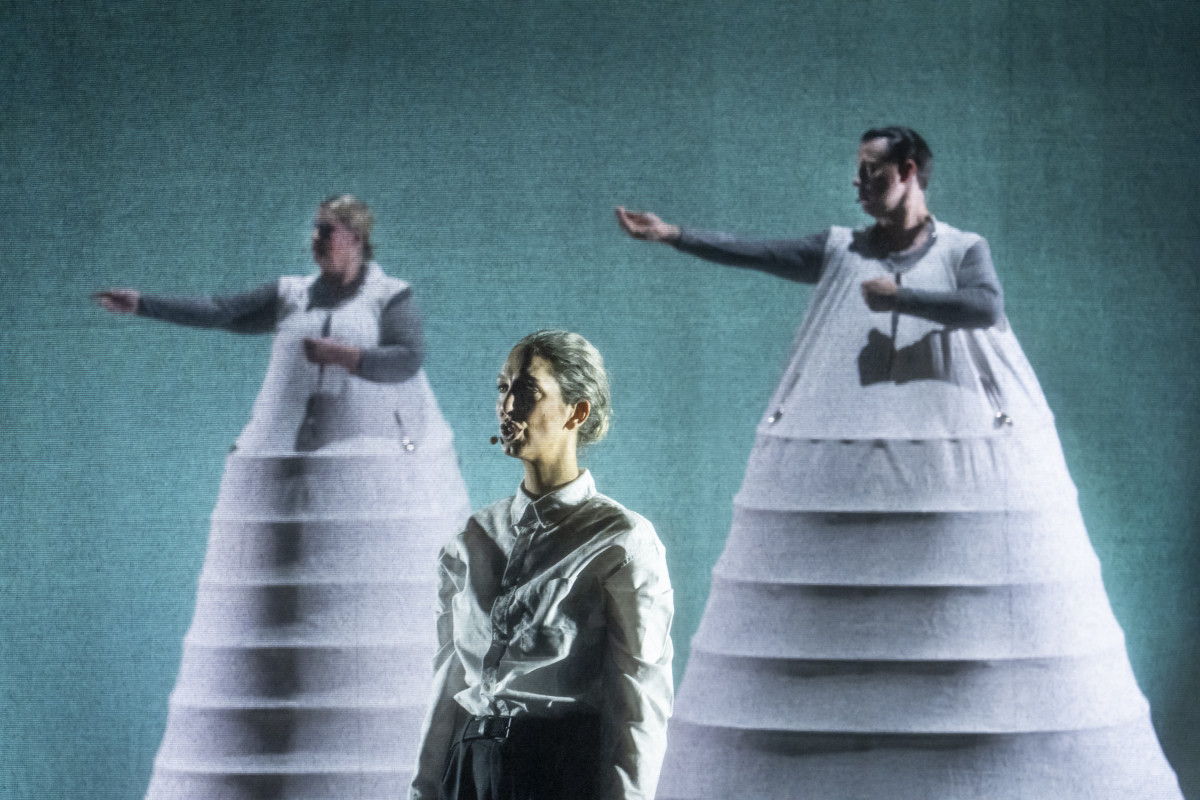
Anders Lauge Meldgaard og Aske Zidore: »Sange fra i dag«
© Luca Berti
© Luca Berti

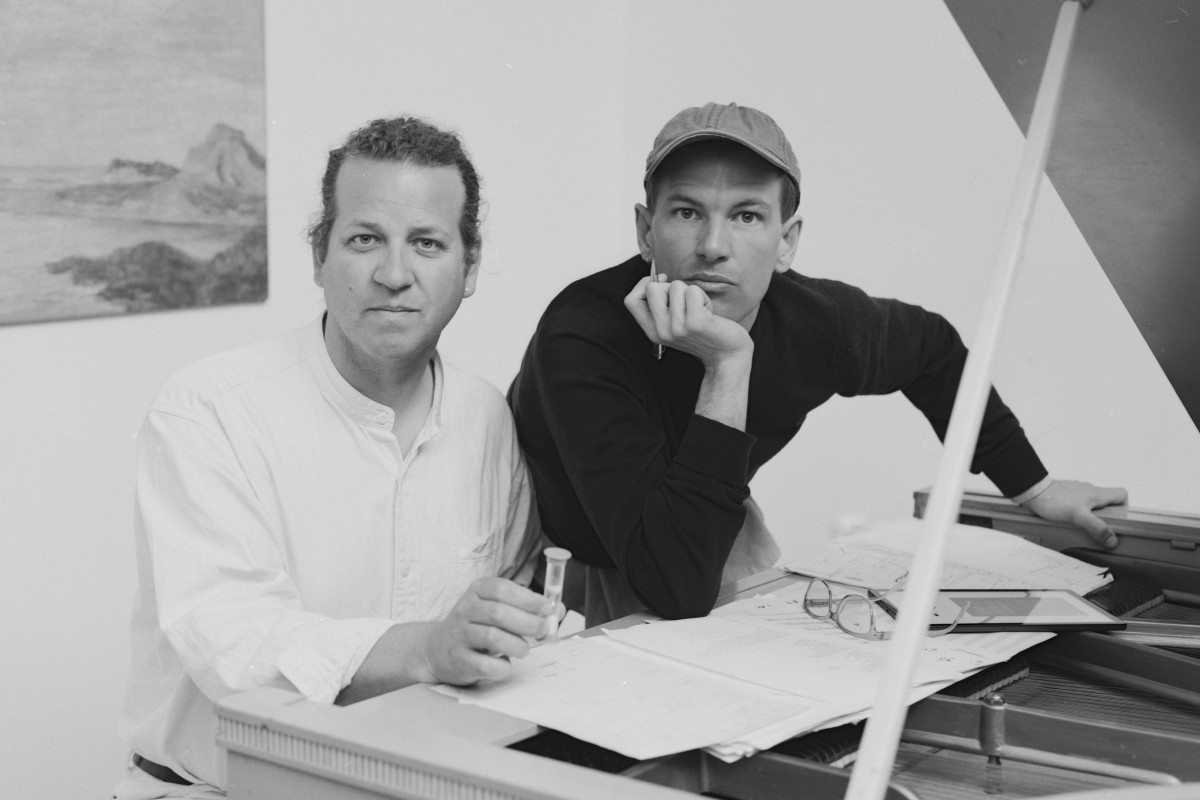
Sange fra i dag er en app udarbejdet af Anders Lauge Meldgaard og Aske Zidore bestående af ni sange. Med dette appformat har de skabt en – for mig – helt ny måde at co-write på. Komponisterne har udtænkt en metode, hvor de hver for sig skitserer de ni sange – så 18 skitser i alt. Disse skitser kan så sættes sammen på eksponentielt mange måder, og det er det, appen gør med en komponeret »tilfældighed«. Hver eneste afspilning er ny og kan overraske! Eller det er i hvert fald sådan, jeg har forstået det.

Sangene er afvæbnende og purt smukke at lytte til. De to drengesopraner, der bliver akkompagneret af klaver og fløjte, skaber en lyd, hvor højskolesangbogstraditioner smelter sammen med en skrøbelig minimalisme. En lyd, hvor man selv bliver sårbar og gennemsigtig. Mødet mellem musikken og digtene er kærligt og står krystalklart, og selv det knivskarpe visuelle udtryk gør én blød – instant love.

Jeg kan ikke blive enig med mig selv, om app-formatet står i vejen eller giver værket en ny værdi. Det er en unik måde at afspille musik på, som er skruet meget dygtigt sammen. På den anden side vil appen have, at man forstår mere af værkets struktur, end man gør (eller hvad jeg gør). Hvor meget skal jeg kunne følge med, og hvor meget skal jeg give slip og bare lytte? Bidrager denne tvivl, eller er det tilsvarende, at jeg fokuserer på materialet vinyl i en albumudgivelse? Er det godt, at værkets form og indhold gør to forskellige ting, eller burde førstnævnte være flyttet mere over til et seminar for fagfæller? Uanset lyder det virkelig godt.

in brieflive
08.07

Pak Choi and Percussion at Table 12

Søren Kjærgaard & Kresten Osgood Duo + Christian Lillinger
© Kristoffer Møllegaard

Søren Kjærgaard at the piano, Kresten Osgood and Christian Lillinger each at half a drum kit, pak choi with shiitake mushrooms and rice. Free jazz and Chinese cuisine may not be the most obvious combination, but on Wednesday afternoon at CC Taste it proved its worth.

The French composer Erik Satie was reportedly frustrated that Parisian café audiences did not ignore his so-called furniture music to a sufficient degree. Kjærgaard, Osgood and Lillinger seemed unlikely to share such concerns on the second night of their five-day residency at the Chinese restaurant on Amagerbrogade. On the contrary, with pronounced showmanship they played not only drums and piano, but also a ceiling lamp, a radiator and Osgood’s shoes. There was shouting, laughter, and newspaper pages being torn to pieces.

Osgood and Kjærgaard, who are cousins, have played together all their lives, and it showed in the ease with which they threw themselves into the music. Together with Lillinger, they needed only seconds to find a shared level of intensity. It swayed, crashed and creaked in every direction. The music thundered ahead until it suddenly stopped and Kjærgaard’s piano stepped forward in calmer, more indeterminate passages. Then the surroundings reasserted themselves: cutlery against plates, the number 5C bus passing the windows on Amagerbrogade, an egg timer ringing in the kitchen.

Good food and good music have a great deal in common, but fortunately they did not dissolve into some mythical, rather uninteresting higher unity. Instead, the evening thrived on the friction between two separate sensory spaces: the concert and the restaurant, listening and eating, free improvisation and the everyday dinner scene. Satie might well have turned in his grave. I loved it.

© Mads Smidstrup, Aros

»Music for me is medicine, comfort and a kick in the ass. Community, joy, a vent. Poetic political compass. And over the years, music has also become a kind of life chapter, linked to specific places, times and people.«

Marie Arleth Skov is a Danish art historian who has lived in Berlin since 1999. She works at the intersection of art, sexuality and music, with a primary historical focus on surrealism and the punk movement in the 1970s and 1980s. Her book Punk Art History was published by Intellect Books (UK) in 2023. Most recently, she has curated the exhibition UNRULY. The Body in Punk, which can be seen at Aros Kunstmuseum in Aarhus in the autumn of 2026. The catalogue for the exhibition is published by Marrow Press.

© Guannan Kang
© Guannan Kang

自由即兴创作比性爱更好! – »Free improvisation is better than sex.« According to drummer Kresten Osgood, the saying is attributed to Confucius. Whether the ancient Chinese philosopher ever uttered those words is doubtful. But the quote perfectly captures the spirit of one of the most unusual events at this year's Copenhagen Jazz Festival.

From 7–11 July, pianist Søren Kjærgaard and drummer Kresten Osgood will take over CC Taste on Amagerbrogade, performing daily from 2–4 pm among diners, dim sum and steaming hot pots.

in briefrelease
19.06

When the Machine Starts Singing

Soli City: »Poetics of a New Estate«
© Clement Mogensen
© Clement Mogensen

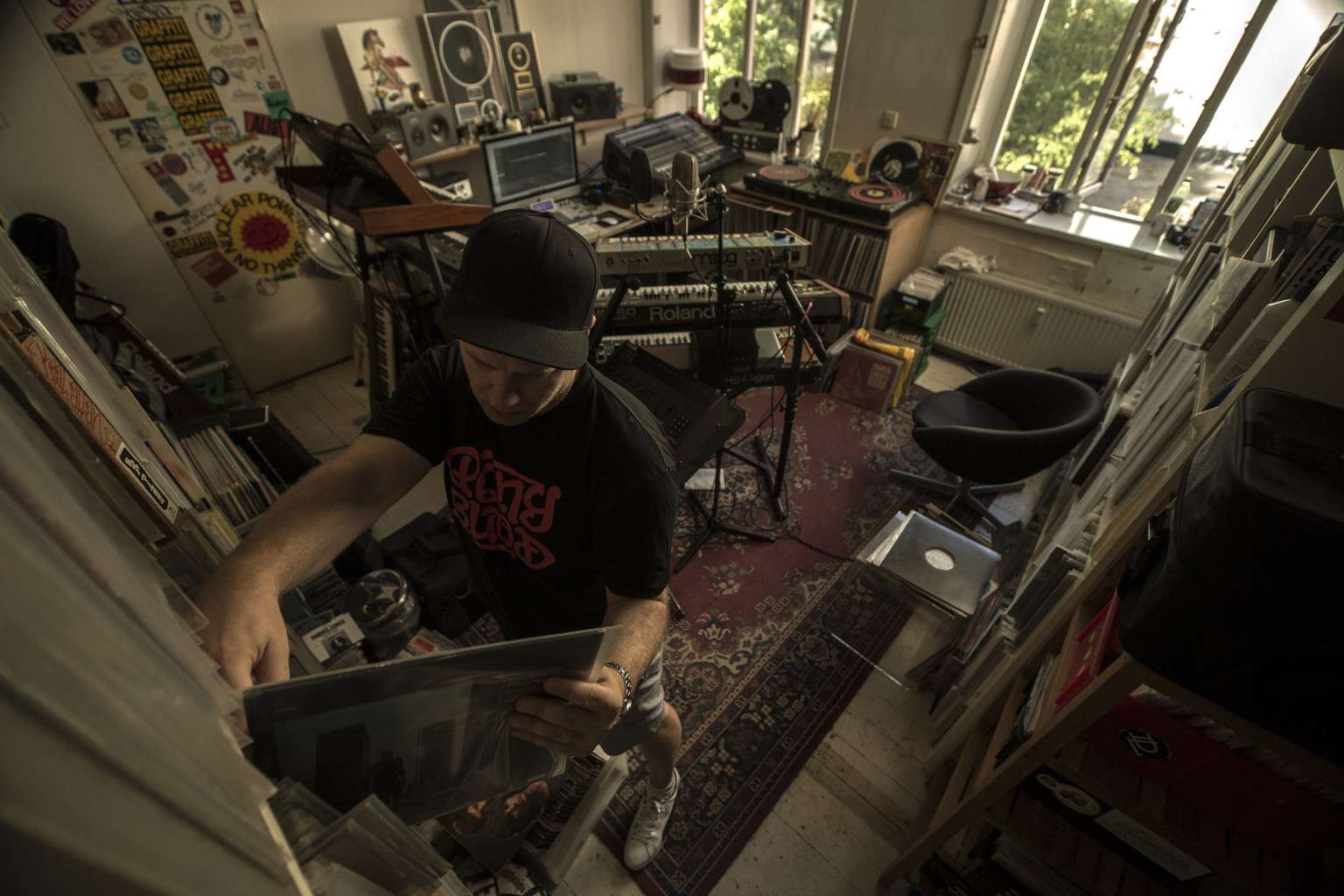
With Soli City, the boundary between the organic and the synthetic is almost impossible to discern. What first appears to be an ordinary piano suddenly slips into a dizzying glissando. Soli City resembles a cyborg – half cello, half computer – fusing strings and voices into a seamless digital synthesis. The result is a science-fiction dream interrupted by surreal monologues and abruptly punctuated by the shrill click of a camera shutter.

That percussive camera-flash motif runs throughout both PARADOXE (2024) and the new album Poetics of a New Estate. Here, Harald Bjørn, the composer behind Soli City, further develops the sonic language introduced on its predecessor. Whereas PARADOXE staged the encounter between acoustic and digital sounds as an explicit confrontation, the two worlds now feel far more deeply integrated. Even the album's abrupt shifts seem entirely natural, as on »Rooms & Walls«, where a slurred vocoder and delicate string textures give way to an insistent drum groove.

Soli City's music embodies a distinctive form of self-reflection. As acoustic sounds bend, fracture and are interrupted by those recurring electronic flashes, we are reminded of Bjørn's remarkable ability to compose genuinely innovative music. Just as the most visionary science fiction remains rooted in the realities of its own time, every musical breakthrough carries echoes of the past. Soli City embraces these nostalgic resonances only to twist them into unfamiliar shapes.

With deceptively simple means, Poetics of a New Estate dissolves the boundary between nostalgia and contemporaneity. Like a true cyborg, Soli City reveals the divide between the digital and the acoustic to be less a fundamental opposition than an oddly arbitrary construction.

© Laura Cecilie Krogtoft

»Music, for us, is a fusion of different consciousnesses into a single shared focal point.«

The band Selvhenter was founded in 2010 by trombonist Maria Bertel, saxophonist Sonja LaBianca, violinist Maria Diekmann, and drummers Jaleh Negari and Anja Jacobsen. In 2017, Maria Diekmann left the group, and Selvhenter continued as a quartet.

Selvhenter’s sound is driven by a deep fascination with sonic textures, rhythmic displacements and polyrhythms, acoustic and electronic melodies, hard-hitting compositional choices, improvised beauty, and a sheer joy of creating and performing music. Selvhenter has played concerts both in Denmark and internationally. The group is also the nucleus of the artist collective Eget Værelse, which houses the members’ solo projects as well as collaborations such as Valby Vokalgruppe, SOLW, Nina Garcia & Maria Bertel, and G.E.K.