in brief
17.03.2023

Dansende epifani

»Immortal Summit«
© Märta Thisner
© Märta Thisner

Omtrent halvvejs i livet synes man måske nok, man har set det hele, men heldigvis tager man fejl. Tag nu bare det blomstrende københavnske miljø for moderne dans, som jeg har brugt et halvt liv på at overse. Det står klar til at gribe dig med sammenviklede kroppe og nye kompositioner, begge dele med akut antiblasert virkning.

Som nu for eksempel Immortal Summit i aftes, en denimbetrukket duoperformance med flosset musik af Holger Hartvig for forvrænget guitar, dunkende bas og dinglende saxofon.

Her fremmanede to stolte kroppe – BamBam Frost og Lydia Östberg Diakité – en paradoksal mandehørm af arrogant afsky og muskelpositurer, mens de gik i cirkler og kastede med sækkestole. Friskt prikkede Hartvig hul på attituden med en udstrakt rundgang af rockvræl, der langsomt blev centrifugeret til ukendelighed: punkteret testosteron.

Efterhånden indfandt sig i stedet en intimitet. Kroppene viklede sig gulvnært ind i hinanden, og afstumpet guitarstøj blev til famlende ro med nøgen, let ustemt bas i centrum og svag cikadeimitation i baggrunden. Til lyden af drømmende syntharpeggio og en saxofon så fri som et vindspil forvandlede hanekamp sig til akrobatisk tillid og fælles ømhed. Saligt!

Samme opløftende brainstorm mellem musikalsk og koreografisk tænkning har jeg de sidste måneder også set i andre danseprojekter som MYKA’s Regnbuen med absurdistisk MIDI-lyd af Christian Vogel og Antoinette Helbings The Mirror Project med suggererende elektronik af Mads Emil Nielsen.

Danseverden, jeg ser og hører dig nu!

© Malthe Ivarsson

»For me, music is the light that streams in through our windows and touches the human mind. Music is community – something we create together. Music is the other language – the one that can be spoken when all words and conversations have been worn to pieces.«

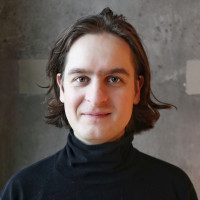
Mark Solborg is a Danish-Argentinian guitarist, composer, and improviser, educated at institutions including the Rhythmic Music Conservatory and New School University in New York. He has released 28 albums of his own works and collaborated with figures such as Evan Parker, Susana Santos Silva, and Herb Robertson – often on the artist-run label ILK, which he co-founded. His music has been performed in 23 countries and involves musicians from 15 nations. Projects such as TUNGEMÅL and BABEL explore the role of the electric guitar in acoustic spaces, and his practice also includes collaborations with theatre, film, and visual art. Solborg is a recipient of a Reumert Award, has been honored by the Danish Arts Foundation, and in 2024 was nominated for a Danish Music Award as Composer of the Year. He is currently releasing the album Confluencia.

in briefrelease
04.07

When Machines Dream: The Electronic Poetry of Oh No Noh

Oh No Noh: »As Late As Possible«
© Nikolas Fabian Kammerer

There’s something distinctly mechanical about Oh No Noh’s album As Late As Possible. Like a warped, crumpled tape, melodies bubble to the surface, and the offbeat rhythms repeat with the halting tempo of a scratched LP. It’s easy to place Oh No Noh within the esteemed German tradition of blurring the lines between human and machine, but on As Late As Possible, the machine sounds more like a distant relative than a deliberate artistic objective.

Behind Oh No Noh is Leipzig-based guitarist Markus Rom. In addition to a wealth of synthesizers and tape loops, the album’s 11 tracks are performed using guitar, drums, banjo, clarinet, and organ. The absence of vocals sets the album in a subdued, cinematic mood, and the music feels like a nostalgic inner monologue, told with a warm affection for the melancholy of outdated technologies.

Although mechanical sensibilities are prominent throughout the album, several tracks are driven by more melodic band arrangements. But to me, As Late As Possible is clearly most compelling on the less melodic pieces. The crooked and noisy »Fawn« or the hesitant closing track »Ore« are moments where the dialogue with the machine elevates the music in ways that the more melodic, band-oriented pieces don’t quite reach. These are places where the machines sigh nostalgically and form small, imperfect thought bubbles that cut off and restart again.

English translation: Andreo Michaelo Mielczarek

© Hreinn Gudlaugsson

»Music for me is like a sourdough. If you don't feed it right it is going to die. If you feed it correctly a lot of people can benefit from it.« 

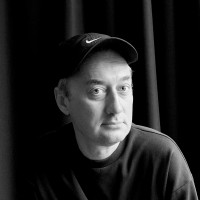
Halym Kim is a drummer, composer and project coordinator based in Copenhagen. His music is mainly based in free improvisation and experimental music but performs also as a traditional Korean percussionist. He has a Master and an Advanced Postgraduate Diploma in Music Performance from RMC in Copenhagen. Together with Nana Pi he organizes Impro Camp which is a music camp for free and structured improvised music that is happening every year in Fredericia, Denmark.

© DMF

»Music for me is a tool of infinite expression. It’s where I’ve had the most complex conversations and open-minded experiences. It is the highest form of energy I know.«

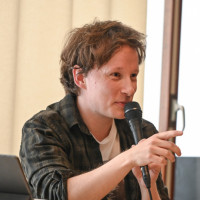
Nana Pi is a saxophonist, composer and conductor working within the experimental music scene. She has developed a unique musical vocabulary on the saxophone by incorporating objects and extended techniques, pushing the boundaries of sonic expression. Beyond her work as a saxophonist, she is known for conducting improvisation using her music sign language, Extemporize, for which she received the P8 Jazz Award Årets Ildsjæl in 2020. She is a member of the well established record label Barefoot Records. In addition to her musical career, Nana Pi is organizing events such as Impro Camp and FredagsJAM that focuses on creating networks and inspiring music environments between musicians.

© PR

»For me, music is an emotional refuge. When I sit at the piano I feel safe, it's where I can release everything I carry inside. It's not about performing, it's about being honest, vulnerable and free.«

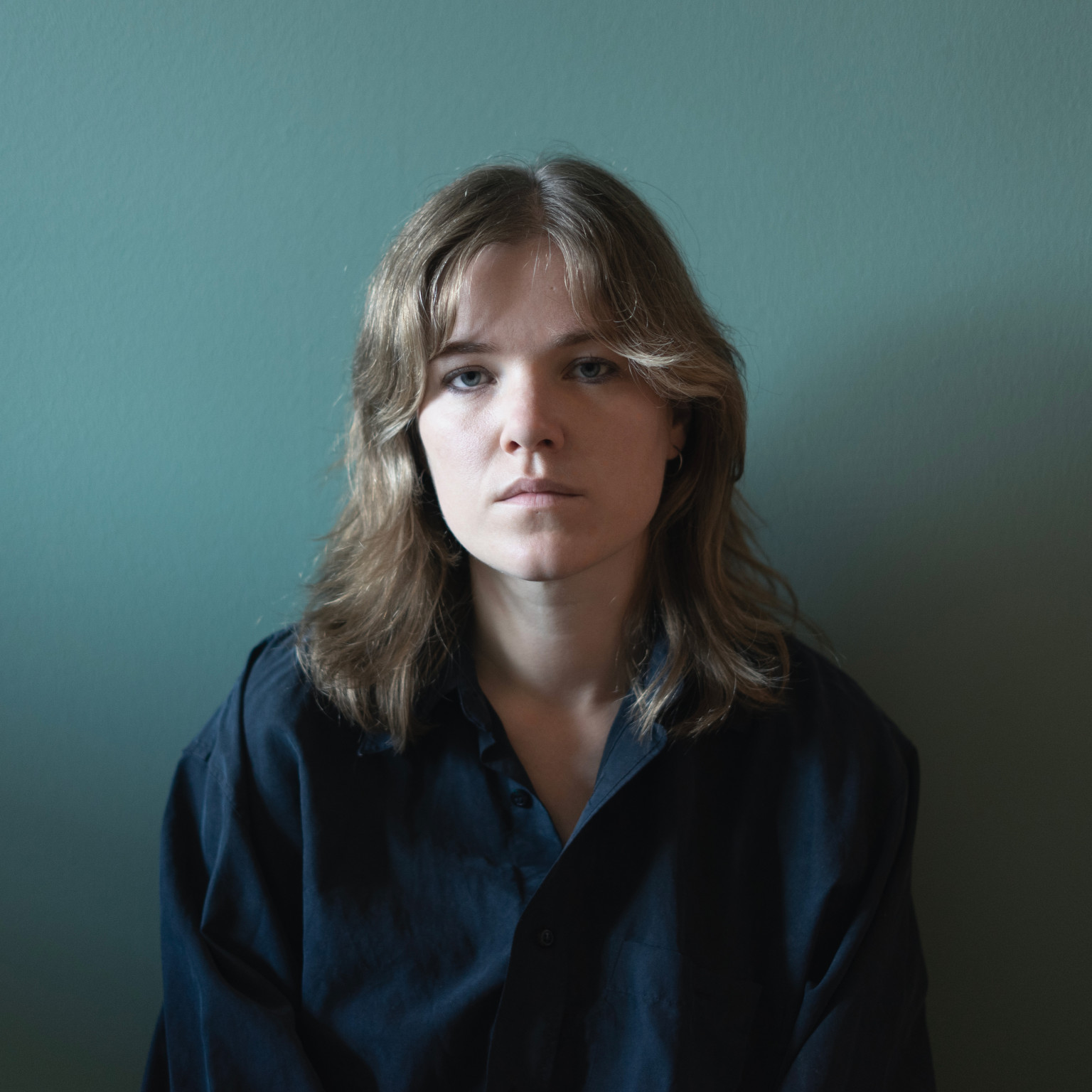
Samanta Yubero, known artistically as Samyula, is a composer, pianist, and neuroscientist based in Barcelona. Trained as a classical pianist and holding a PhD in her scientific field, Samyula bridges the worlds of art and science in her work. Her music – often within neoclassicism – blends both serene and intense piano melodies with vivid, dynamic string arrangements, creating emotionally resonant and immersive soundscapes. With a deep passion for both composition and performance, Samyula offers audiences a uniquely powerful and moving experience.