Trance-torsdag
Hvorfor Gabber Modus Operandi fra Bali var booket til Roskildes »avantgarede-scene« Platform, som af min 20-årige søn blev kaldt for »boomer«-scenen, er et mysterium. De havde deres europæiske debut i 2018 på den toneangivende Berliner-festival CTM på klubben Berghain. Siden har de rejst verden rundt og var i efteråret 2022 featured på Björks nye album.
Musikken og trance-festen gik derimod lige ind – et mix af nye og tidligere udgivne numre, alle lavet af Kasimyn, som Ican Harem peppede op med sin vilde performance. Tracksene lægger grunden til trancen, men det er Harem, som styrer den med sang, recitation og growl og med en insisterende publikumshenvendelse primært på indonesisk.
Det var højt og intenst, og det trance-glade festival-publikum, der var mødt talstærkt op, fik rig lejlighed til at danse igennem. Numrenes individuelle karakter findes i prægnante og langsommere pentatone temaer spillet af samples, der lyder som slompret (javanesisk blæseinstrument, som i nummeret Sandikala), bonang (lille gong) og synth (Genduwuro), og indonesisk sang/tale (Hey Nafsu). Et lokalt indonesisk virvar vævet ind i en global grænseløs musikmaskine.
Jathilan er navnet på en Indonesisk rituel dans, hvor riddere på sivheste rejser ud for at forsvare sultanen, men undervejs besættes af skovens ånder. Jathilan er for tiden særligt populært på Java i lokale sammenhænge i by og land, hvor både dansere og publikum kan gå med i trancen, der ledes af et »fusions-gamelan« bestående af indonesisk gamelan, trommesæt, synthesizer og hvad der ellers er i nærheden. Alt er elektrisk forstærket og blæses ud gennem forvrængede højttalertårne – gerne med over 110 DB. Æstetikken er betagende og noget ganske særligt.
Gabber Modus Operandi finder netop, blandt mange andre on og off-line kuriositeter, inspiration i jathilan. Også de er rejst ud – uden sivheste, klassisk indonesiske dansekostumer og instrumenter, men med højtempo elektronisk dansemusik (EDM). Hårdt pumpende metallisk støjende beats nåede her op på 120 DB. Mod slutningen var vi også en tur på gulvet. Trancen tog nu form som bønnekald, meditation og indadvendthed.

An Organ in the Dark Forest of Doubt
Last year, Builder released Poor_in_Spirit, an album in which he explored, on his own, the sonic possibilities of his self-built organ. It was an album shaped by this exploration, but ultimately also by the limitations of the organ itself. On Although Changed, I Arise the Same, the composer finds a way beyond them.
The organ is now joined by three additions: Builder’s own alto saxophone, along with the voices of Zola Mennenöh and Johanna Sulkunen. It makes all the difference, providing the diversity of instrumentation that Builder has repeatedly demonstrated his ability to compose for. At times, the organ’s bass sinks beneath the voices and saxophone like a light haze; at others, it envelops them in a heavy fog. It howls like wind in the trees and roars like a train in the night. Mennenöh and Sulkunen sing, chant and breathe simple, repetitive phrases about spiritual uncertainty and searching, as though lost in the dark forest of doubt.
It is a Spartan form of storytelling, giving the listener enough lyricism and atmosphere to set the mind in motion, but never so much that it becomes overwhelming. This is where Builder’s strength lies: his music clearly grows out of his life and experiences, yet he composes in such a way that the listener is invited to enter the story with their own imagination.
Builder determines the colours, but leaves part of the picture to the listener. It is an album that is far more restrained in its dramaturgy than previous releases. No less beautiful or inspiring for it.
English translation: Andreo Michaelo Mielczarek
»For us, music is a transcendent force with transformative potential – something we get to experience and shape when we create sound together. It is an opportunity to describe one’s innermost universes without words, and the best way for an introvert to express intense emotions at full volume.«
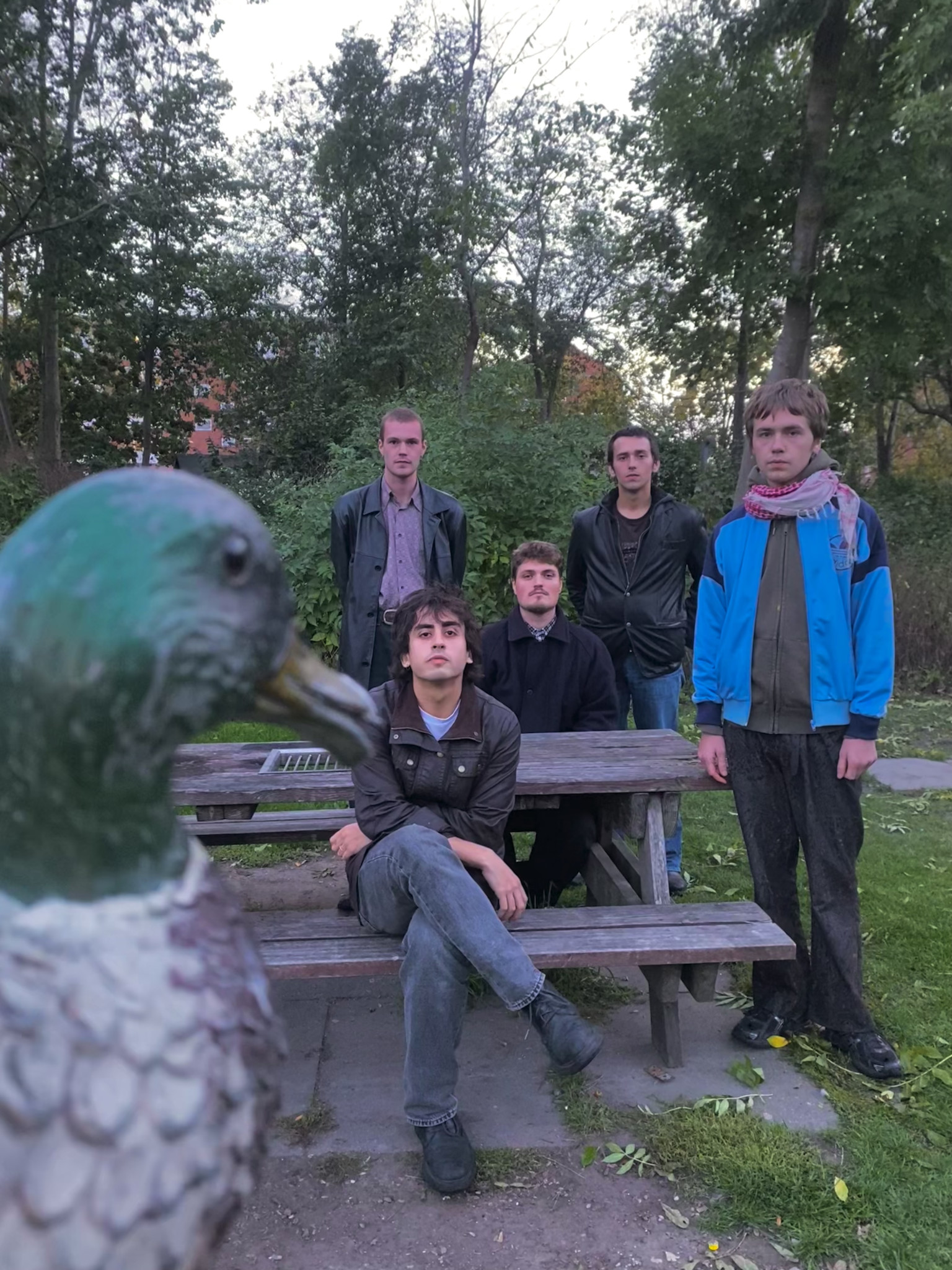
With roots in Copenhagen’s experimental jazz and punk scene, Echo, Bravo challenges the notion of what a rock band can sound like. The quintet blends post-punk, free punk, and noise rock into a raw and unpredictable soundscape. They describe the music themselves as a kind of »empty-the-fridge soup,« where various leftovers come together. »Best enjoyed as a hot meal in a cold industry.«
Thorbjørn Tønder Hansen has died. With Thorbjørn’s passing, the art music community has lost one of the Nordic region’s most significant producers, curators and cultural leaders.
»Music is the best way to discover myself and understand the world around me.«
Luca Quintavalle is a harpsichordist, fortepianist and conductor. He has performed with ensembles including Concerto Köln, Harmonie Universelle, the Mozarteum Orchestra Salzburg and the Kölner Kammerorchester at venues and festivals such as the Kölner Philharmonie, Salzburg Festival and Enescu Festival. He was harpsichordist of Les Musiciens du Prince, led by Cecilia Bartoli, for over five years, and has conducted ensembles including the Orchestra and Chorus of Teatro dell’Opera di Roma, Concerto Köln and Deutsche Kammerakademie Neuss. His recordings include Mirrors, released by Berlin Classics and awarded an OPUS KLASSIK.