

in brief
12.07.2023

Grand Miniature Worlds

Éliane Radigue: »Naldjorlak«
© PR
© PR

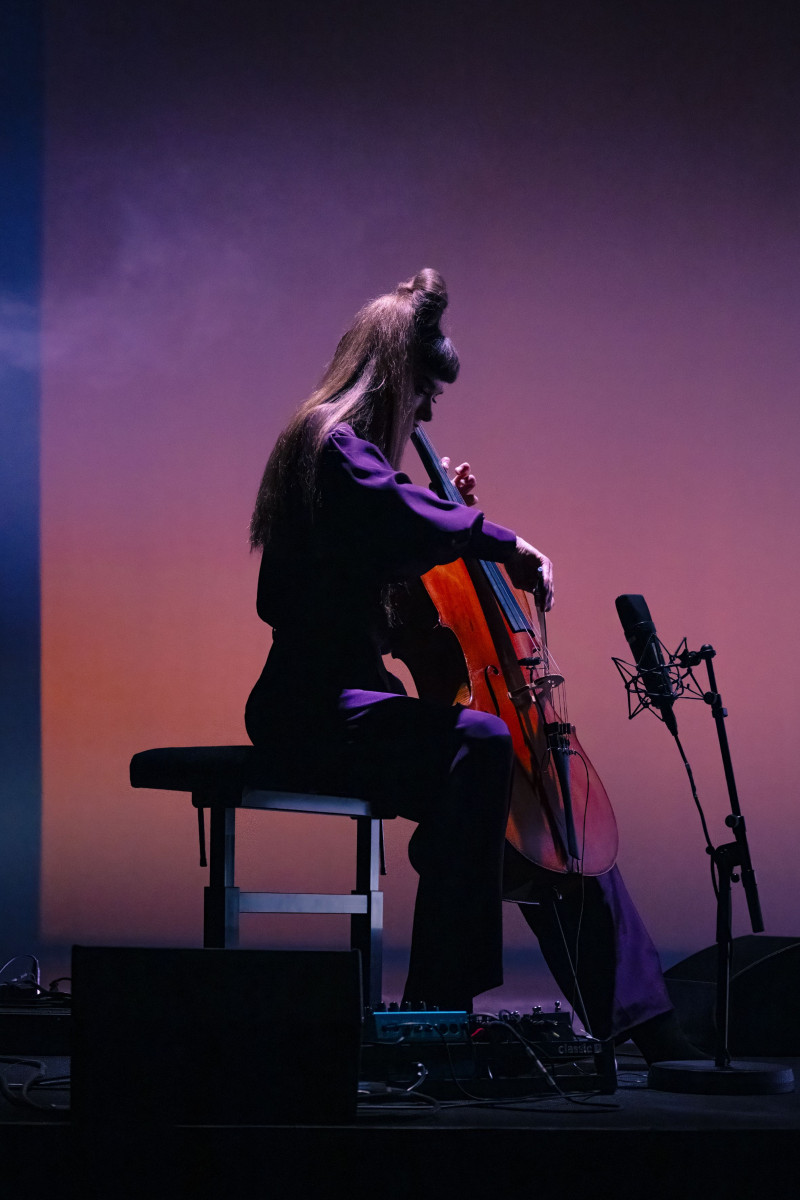
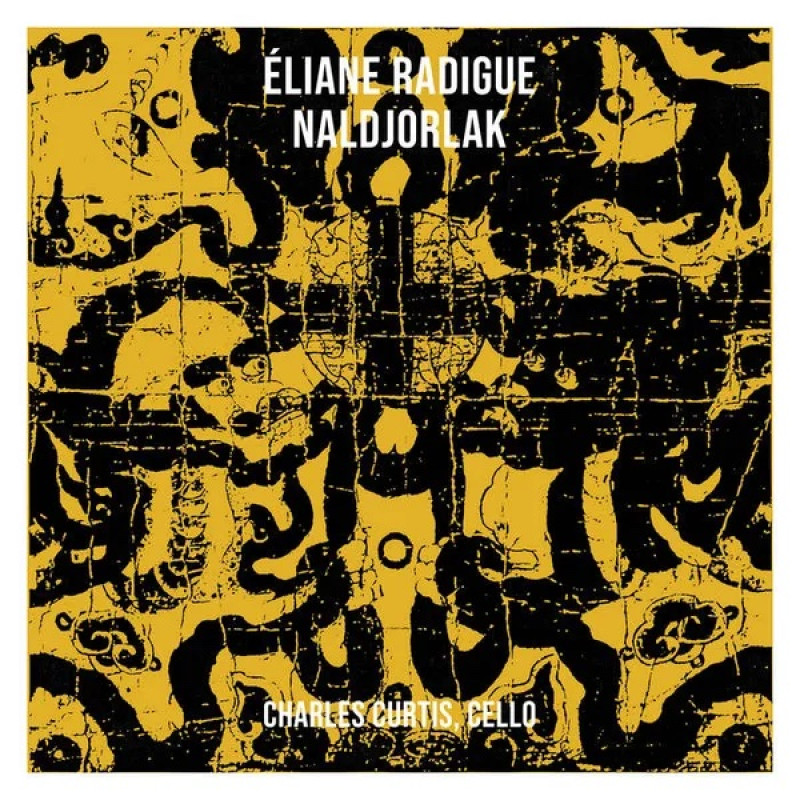
In Naldjorlak French composer Éliane Radigue takes us on a journey of microscopic proportions as a seemingly simple musical situation reminiscent of her earlier work for synthesizers unfolds. Naldjorlak is a work for unaccompanied cello and Radigue’s first composition for acoustic instruments and relies on a verbal communication between composer and performer. Cellist Charles Curtis, hones in on just one note for the duration of the piece, however, this premise which at first can strike the listener as simple is anything but. 

What 91 year-old Radigue is asking of her listener is to be present and it might come as no great surprise that she has been a practicing Buddhist since the 1970's. To experience Radigue’s music you need to be able to follow sound to its silence, and that is a mental state. Naldjorlak is an invitation to deep listening. What do you hear when you stop in your tracks and begin truly listening as Charles Curtis drones on? Curtis is right at home in Radigue’s investigation of sound and his playing reminds us that without a great performer a great work of sound art does not exist. Had there been a score we could have mused that the work itself exists for the reader to experience through reading, but given the fact that composer and soloist have worked verbally it is more difficult to imagine this piece without its performer and so it’s difficult to fully know when we are hearing Radigue and when we hear Curtis. 

Curtis brings Naldjorlak to life so subtly that it’s easy to think that he is doing nothing. It sounds deceptively simple at first but if you take the time to actually experience the pace of the droning you will notice that not only are the two versions offered on this release vastly different in character and expressivity. They aren’t really drones with its implicit monotony, rather they are microscopic worlds of constantly changing textures of sound, and it is the way Curtis so masterfully mediates Radigue’s ideas that makes these recordings from Los Angeles and Paris so captivating.

in briefrelease
23.01.2022

Finnish Space Travel

Tomutonttu: »Hoshi«
© Tomutonttu: »Hoshi«

The Finnish multimedia artist Jan Anderzén has, with the album Hoshi, released under the solo moniker Tomutonttu, created a true little star. Not only because »hoshi« literally means »star« in Japanese, but above all due to the music itself. There is something cosmic, yet infinitely minute, about the sonic worlds Anderzén conjures—like a galaxy reflected in a puddle, or a space journey in a rocket carved from a hollow tree trunk. Synths emit busy, warm blips and bloops, while ultra-short vocal and instrumental samples create a recognizable blur. At once artificial and organic – soft, rounded, jagged, crackling.

Anderzén approaches sound with a playfulness I simply adore. His music is strange in an incredibly comforting way. It places me in a kind of colorful, trance-like state, only interrupted when, several times over the course of the album, I find myself smiling in delight at a particularly great sound. The synths on »Katse osuu sähköön!« The choral samples on »Kesä oli äkkiä ohi!« Milo Linnovaara’s flute on »Malta lausua ‘AH’!« And many more. Hoshi is an album packed with microscopic moments that together form a frayed, exploding, radiant, idiosyncratic whole—a stellar moment of just under 38 minutes.