








Orgel, ynde og bad ass-minimalisme
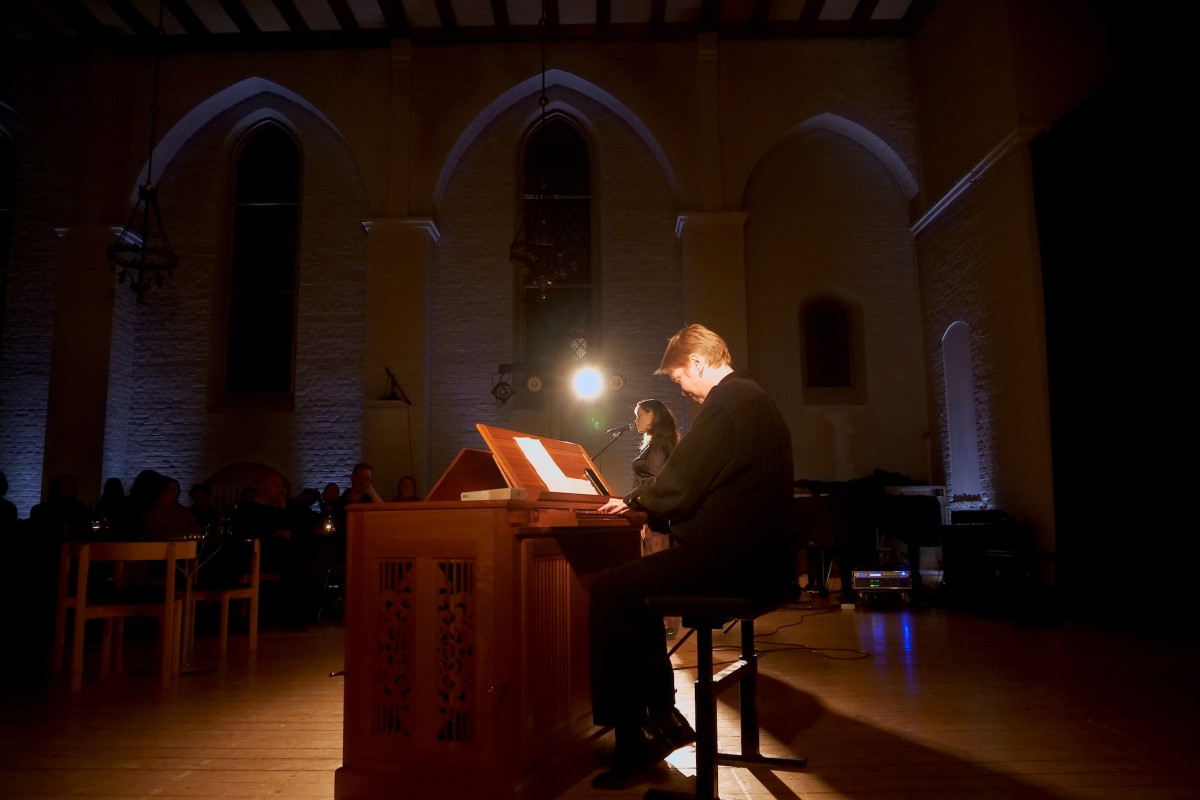
Det er muligt, at julen er hjerternes fest, men det er bestemt også orglets. Mange støder i løbet af december på kirkeorglets mægtige klang i forbindelse med julens mange kirkekoncerter, men i Koncertkirken på Nørrebro er december blevet en helt særlig slags fest med orglet som hovedperson og med et efter fremmødet at dømme til andendagen af Organ Sound Art Festival ganske dedikeret publikum, fascineret af orglets klang, struktur og mangfoldige muligheder.
Aftenen åbnes af den svenske organist og komponist Hampus Lindwall, der også runder aftenens program af i et trioformat med organist Ellen Arkbro og vokalist Hanne Lippard. Solosættet indledes af værket Unmounted / Muted Noun af amerikanske Phill Niblock, som Lindwall præsenterer som en bad ass-minimalist. En form for bad ass-minimalisme, der egner sig godt til orglets rige væld af klange og overtoner, og med langstrakte droner får Niblocks værk da også hele kirken til at knirke og knage, mens Lindwalls eget Music for Organ & Electronics byder på et kvadrofonisk set-up, hvor publikum opfordres til at sætte sig i midten af kirken for at lade sig omslutte af både orglets klang og de elektroniske toner.
I det hele taget er det en aften, hvor publikum opfordres til at flytte sig meget efter, hvad det enkelte værk kræver. I det efterfølgende bestillingsværk, And Then There Were The Sounds of Birds, af den herboende canadiske komponist Matt Choboter, må publikum trække helt ud til siderne for at give plads til to ekspressive dansere, der sammen med to orgler, et præpareret flygel, percussion og elektroniske collager skaber et både melankolsk, legende og meget fysisk rum, der kredser om fugles stemmer og bevægelser. Orglet indtager her en mere tilbageholdende rolle, men værket synes samtidig at indkredse et paradoks ved netop orglet som et instrument, der med sin klang stræber mod det sfæriske, men som samtidig er ladet med en tyngde, som også kommer til udtryk i danserne, der snart nærmest svæver, snart falder klodsede til jorden, samtidig med at de indgår i symbioser med de instrumenter, der er fordelt ud i hele rummet.
At udforske orglet er således også at udforske rum for musikken, både for komponist, performer og publikum, og på sin vis bliver det næsten en del af aftenens oplevelse, at vi, mens vi drikker ud og snakker om aftenens koncerter, er vidner til det franske ensemble Pancrace, der omdanner hele salen til en sand orgelbyggeplads for at gøre klar til deres koncert den efterfølgende dag. Nysgerrigheden bliver i hvert fald vakt på mere.
The Harp’s Quiet Slumber
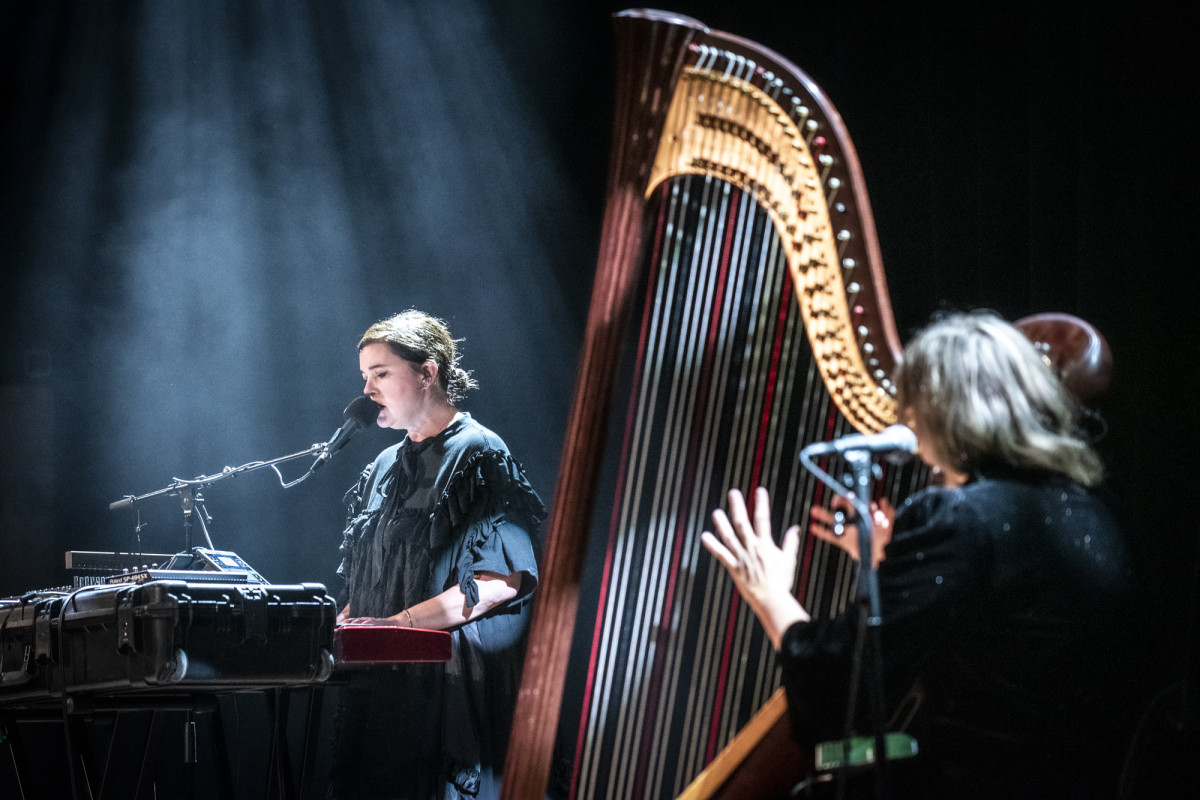
The harp – one of the oldest string instruments – has always, to me, been closely tied to the floating threshold between sleep and wakefulness. Its quiet paving between night and day became even more palpable when Julianna Barwick and Mary Lattimore brought the ancient instrument to life at DR Concert Hall’s Studio 2. Lattimore’s harp playing and Barwick’s ethereal vocals inhabit a space somewhere between modern ambient and classical nocturne – like an anachronistic lullaby infused with synthesizers and drenched in reverb.
Most of the concert’s pieces were drawn from Barwick and Lattimore’s recent album Tragic Magic (2026), recorded over ten days in a basement beneath the Philharmonie de Paris, with free access to its collection of antique instruments. Both 1970s synthesizers and 18th-century harps are awakened on the album. And although Barwick noted with a smile that the old harp from 1740 unfortunately could not join them that evening, it was clear to feel the two American musicians’ passion for the span between the antique and the contemporary. This tension was most evident in their story about the first rainfall following the devastating wildfires in their hometown of Los Angeles. A field recording of that very rain introduced their subsequent cover of Vangelis’ »Rachel’s Dream« from the Blade Runner (1982) soundtrack, casting the all-consuming fires in a dark science fiction glow. Yet Barwick’s cinematic whistling and Lattimore’s harp arpeggios still found a glimmer of light within the dystopian darkness. Though both musicians have long-standing solo careers behind them, one can only hope this will not be the last we hear of their collaboration.
White as a Wound
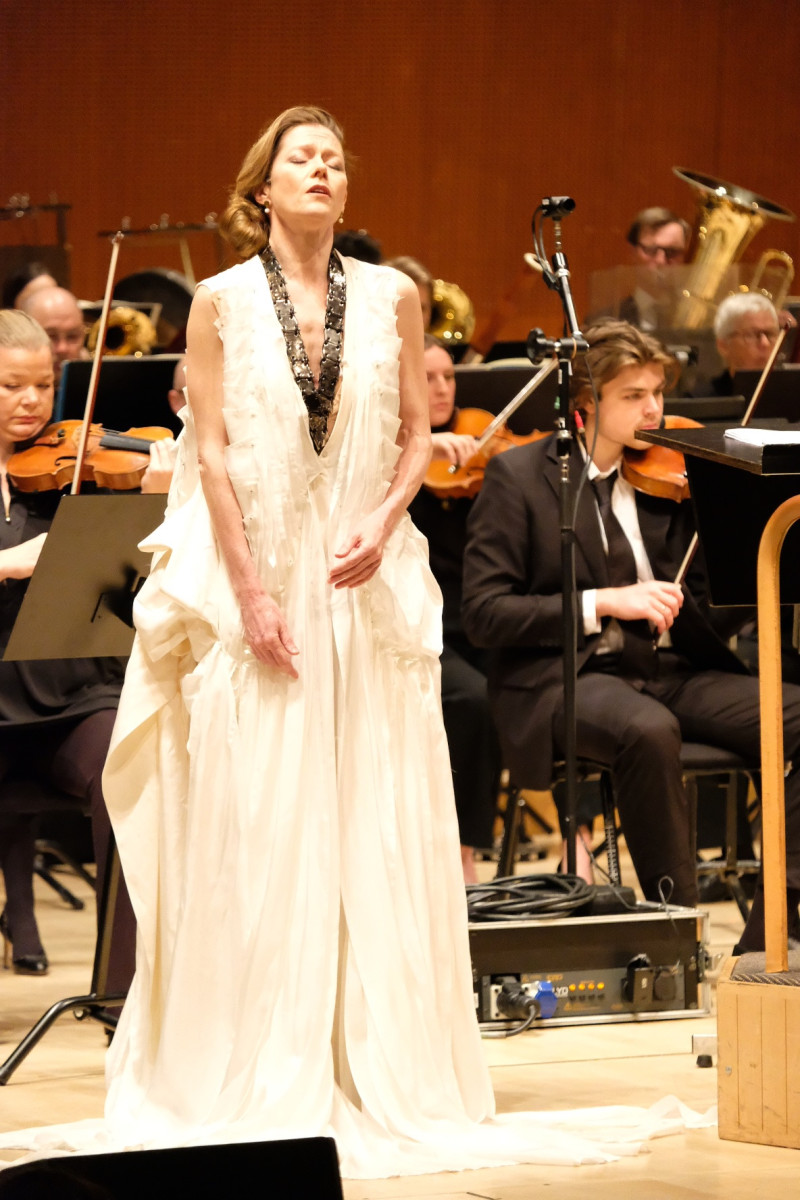
In The White Book, author Han Kang circles around grief by describing white things – such as one’s breath on a winter morning or the cloth in which a newborn is wrapped. Drawing on this poetics, Laura Bowler has created a work of the same name, which received its Danish premiere at the Royal Danish Academy of Music’s Concert Hall in Copenhagen.
Bowler evoked the same oppressive sense of untouched stillness in her exploration of the white. The soloist was Barbara Hannigan, whose voice moved through a wide range of registers, techniques, and expressions, yet each phrase remained immediate and sincere. Copenhagen Phil played with captivating attention to detail, constantly pulling the listener into the music’s »white« sonic surfaces. In particular, Bowler’s disciplined use of extended techniques (unconventional playing methods), slow glissandi, and noise-generating percussion created this sense of elevation.
Even the most brutal sounds possessed a refined and disarming fragility. One particular »creaking« sound from the percussion section moved me so deeply that I struggled to put into words the feeling it stirred in me.
My only reservation concerned the literary layer. The melodies moved too slowly through the words for a truly poetic experience to emerge. For that reason, I listened with particular interest to Bowler’s reflections in the talk that followed. There, she described how the work grew out of the overwhelming affect she experienced upon encountering The White Book. At the same time, she explained that the noise sound I had noticed was intended as an expression of longing. That was it, I thought – the word I had been searching for.
For and Against the End of the World
Electronic duo Vanessa Amara are riding a wave of success at the moment. Last year, their caustic take on Gudmundsen-Holmgreen’s organ music earned them credits on Rosalía’s much-hyped Duolingo album LUX, and this summer Birk Gjerlufsen and Sebastián Santillana – both former volunteers at Koncertkirken – will appear at Roskilde Festival.
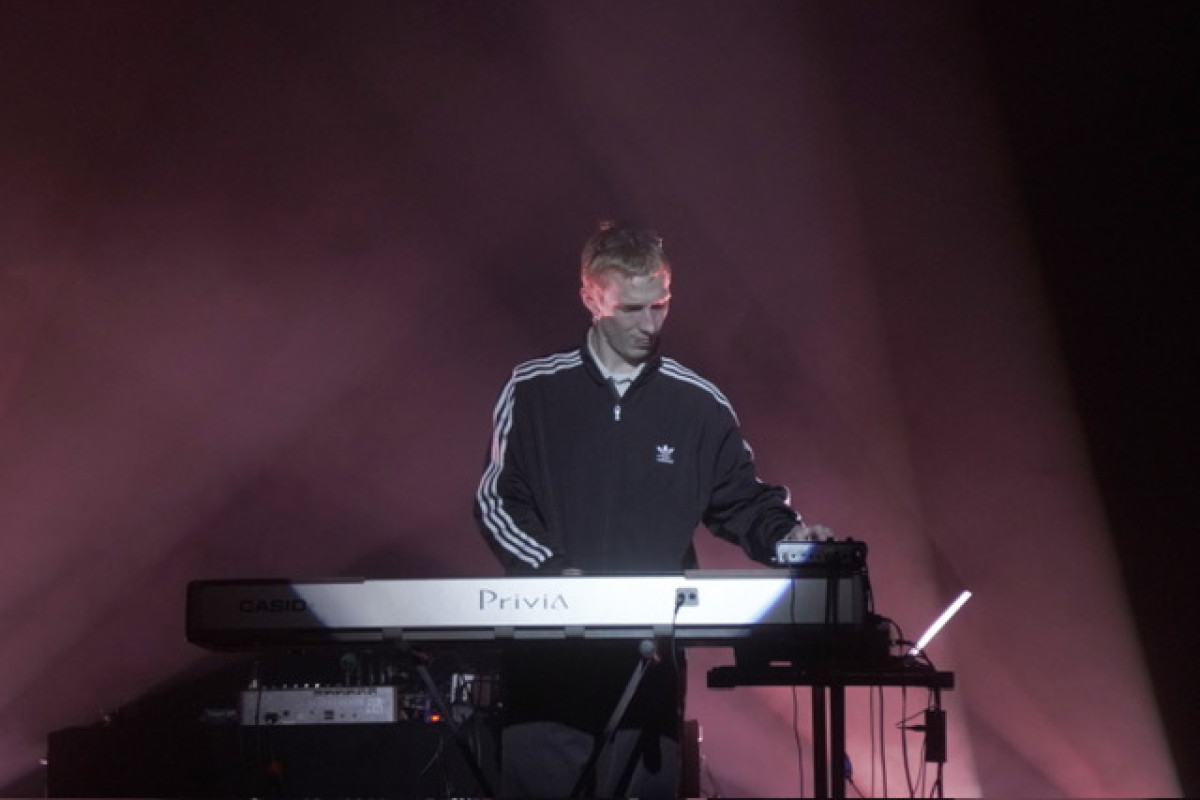
But on Thursday night at Christianshavns Beboerhus, they were overshadowed by RMC alumnus Harald Bjørn, who opened under the alias Soli City. He too placed a classical instrument, the cello, at the centre of his electronic music, and his masterstroke was to make it shimmer like a beautiful, lost memory amid a restless abundance of chopped-up hyperpop aesthetics and melancholic spoken-word poetry.
The cello, played on electric keyboard, was synthetic yet human: an intentionally sloppy fragment that set the tone for half an hour of dissolution. Even when Soli City reached for life with an urgent handclap beat in a vast sonic space, it was staged like a chance pause during a flickering radio scan, while relaxed piano chords sustained an ambient sadness. Impressive.
It was refreshing when Vanessa Amara followed with a different, ecstatic take on the atomised information society. At their best – and they were at their best in the beginning – the duo combined, with Kanye West-inspired genre agnosticism, distorted pop samples and polytonal church organ until the 21st century seemed ready to come apart at the seams. It was sublime, simply put.
But instead of delving deeper into the forces they unleashed, the duo quickly moved between tracks and veered far too early into dull, therapeutic deep house, a mode they never left again. We barely had time to lose our footing before we were handed a group hug – and frankly, I’d rather do without.
Squarepusher in a Straitjacket Among Strings
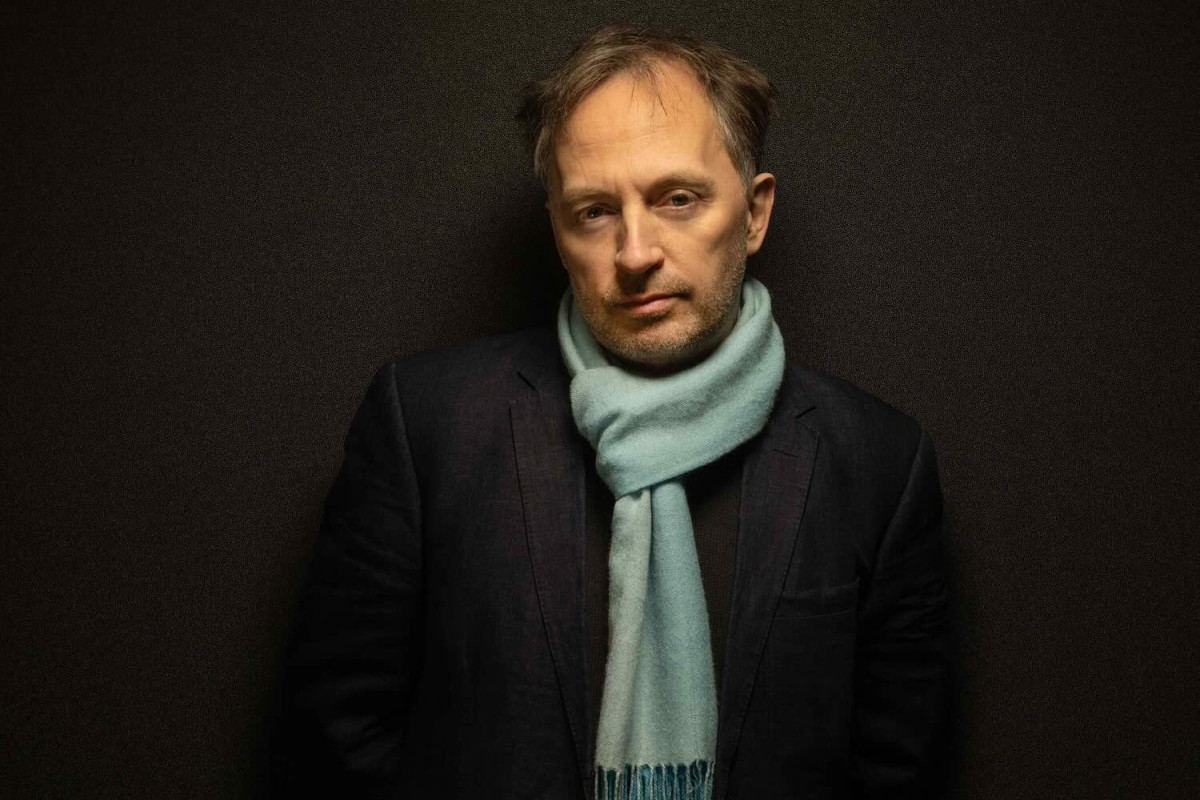
With Kammerkonzert, British electronic composer Tom Jenkinson, better known as Squarepusher, places himself within the braindance tradition of the 1990s and 2000s, when electronic artists flirted with classical music – from Aphex Twin’s collaborations with Philip Glass to Venetian Snares’ Rossz Csillag Alatt Született, where baroque patterns were folded into mechanical rhythms and the melancholy of strings torn apart by breakbeats.
Squarepusher is no stranger to the acoustic: his hyperactive bass guitar – often sounding as if in flight from its own virtuosity – has been central to his music since Music Is Rotted One Note (1998). Here, too, it takes a leading role. On »K2 Central«, a looped, faintly anxious bass figure drives the music forward while strings swell in and shift its harmonic function. The effect is not without merit, but the execution is strikingly conventional. The MIDI-generated strings move in neat chord blocks with an almost overly reverent sense of decorum. The classical tradition is not challenged but merely cited, and the arrangements are so polished that the orchestra’s presence feels barely justified.
The compositions also hover awkwardly between the slick functionality of elevator jazz and something exaggerated, almost circus-like, as if unable to decide whether they want to be serious or ironic – and end up being neither. »K4 Fairlands« stands out by pairing string quartet with the busy breakbeats that are Squarepusher’s trademark. Here, a friction emerges between the rigid and the fluid that briefly opens the album up, suggesting how two otherwise incompatible systems might coexist.
Overall, Kammerkonzert comes across as artistically cautious, marked by a peculiar restraint. What remains is the sense of something only half realised. One wishes Squarepusher had either ventured further into the orchestral realm or trusted more in what he actually excels at, giving the electronics freer rein. Preferably both.
PowerPoint Against the Dark
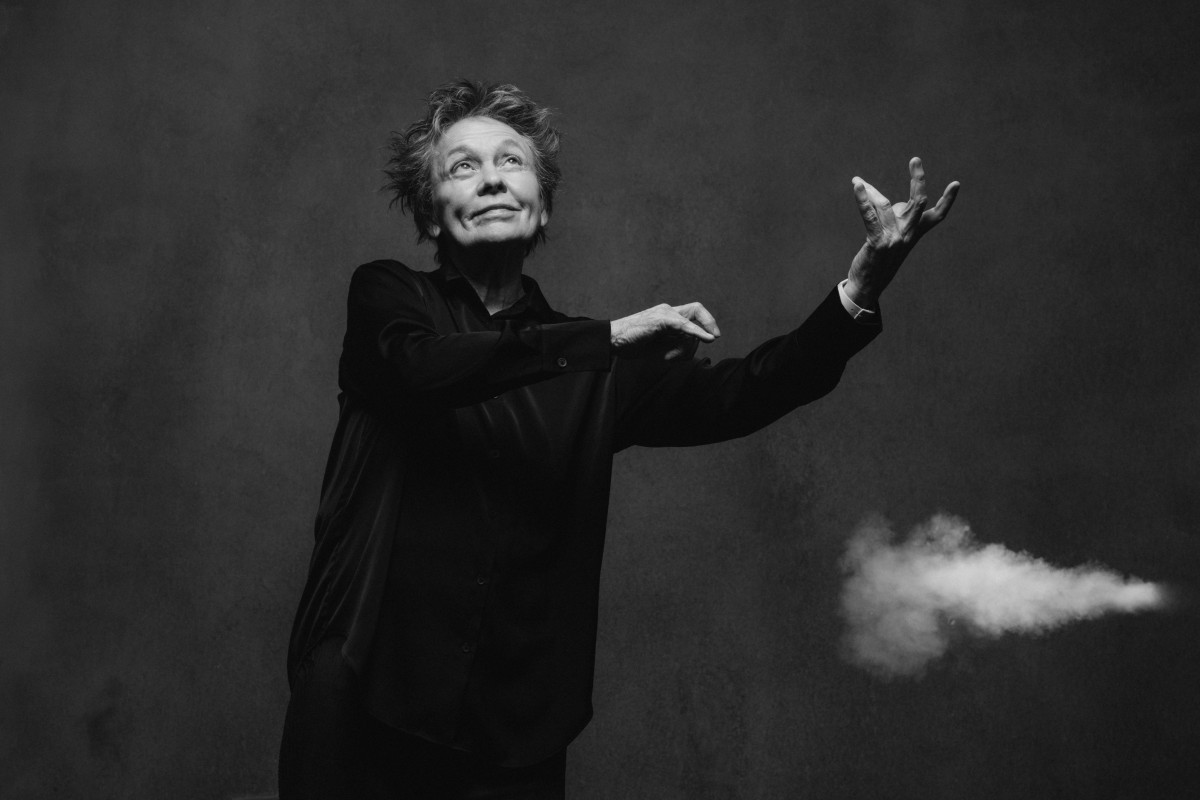
With her characteristic curiosity, Laurie Anderson opened Sunday’s concert in DR’s concert hall with a political statement and the remark, »Thank you for your attention to this matter.« The theme of the evening was a heavy political climate, to which Anderson – like a professor emerita of the avant-garde – offered a musical framing narrative of music, slideshow, and quotes from thinkers and artists who, each in their own way, nuance an increasingly dark world. A framework in which every piece of music had a clear purpose: to evaporate any residue of convention.
Slide by slide, the audience was guided through curious glimpses of the totalitarian and the conventional. The long list of words deleted from government documents by the Trump administration, for instance, served as an introduction to »Language Is a Virus«, inspired by writer William Burroughs, who also appeared on the screen behind Anderson and the band Sexmob. So did Lou Reed, Anderson’s late husband. Dressed in a glittering jacket that, like a kind of magical Kraftwerk, triggered sounds of drums, foghorns, and cash registers, Anderson shared the couple’s three life lessons while playfully dancing and narrating.
I don’t think I’ve ever attended a concert where the entire production team – both on and off stage – was credited with rolling end titles. Yet it felt like a completely natural conclusion to Anderson’s slightly dry and remarkably hopeful PowerPoint concert. A performance that, as a delightfully deconstructive reminder, united the experimental and the concrete in a hands-on first aid kit against tyranny and oppression.