in brief
01.03.2024

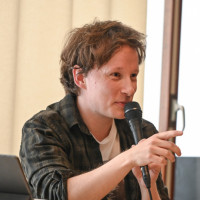
»I lærte os at knalde, men ikke at græde«

Matias Vestergård: »Hyper Switch Ultra Faggot«
© PR
© PR

De hurtige kan lige nå at fange den dirrende queerforestilling Hyper Switch Ultra Faggot, der når til Aveny-T i næste uge. De langsomme må nøjes med de ni sange, som Matias Vestergård har skrevet til det monologiske skuespil: De er nemlig ude nu som et svirpende, rørende og, ja, sjovt minialbum med Det Unge Vokalensemble. Begge dele kan i høj grad anbefales. 

»You taught us to fuck before you taught us to cry,« lyder anklagen mod den ældre generation af bøsser i første sang, »A Gay Manifesto«. Stolt barbershop og satirisk-sårbar minimalisme mødes med stor virkning i et univers, der også præger resten af værket: blokharmonier, der kommunikerer klart, men med ét kan skifte ansigt. Temperamenterne flyver nænsomt mellem falsetfarvet, nøgtern sorg og euforisk varme. Vældig stærkt.

Albummets styrke er det helt transparente, men enormt veloplagte håndværk – og den indlevende levering, dirigeret af Poul Emborg. Der er drillesyg staccato og nøgne stødlyde: »k!«, »pf!« og »ts!«, der skaber et herligt stiliseret orgie af hudkollision. Men der er også sakrale, rustikke nynnekor, tætvævede harmoniseringer og kæk synkopering: »When we cough it smells like dick!«

Mørket er hele tiden til stede som en latent melankoli, men bryder også ud i et homofobisk hooligankor, som – det er altså genialt – selvfølgelig bliver til et »Seven Nation Army«-mashup. Fulgt, åh, af den yndigste pastiche over romantisk kor med gribende opbygning af harmonisk spænding og den blideste landing til sidst. Værsgo: en lektion i at græde.


© PR

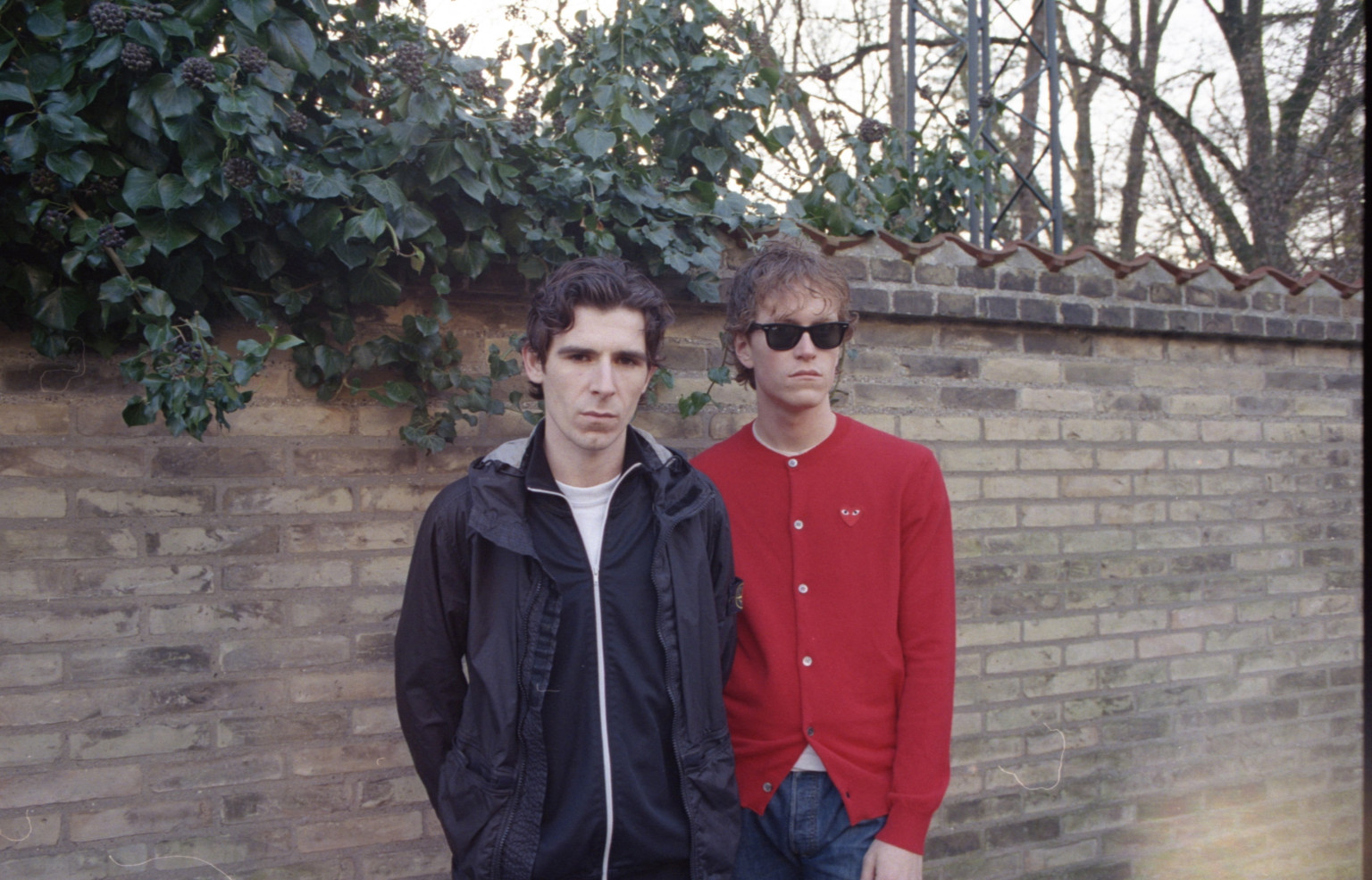
»For us, music is a passion, a livelihood, and a focal point for us and our best friends in the band.«

Barselona consists of Rud Aslak and Rasmus Theodor. The band was formed in 2016 after a year at Ollerup Musikefterskole and has since released five albums and two EPs, most recently the album *Tag Min Hånd, Så Slipper Vi*, which is set for release in September 2026.

© PR

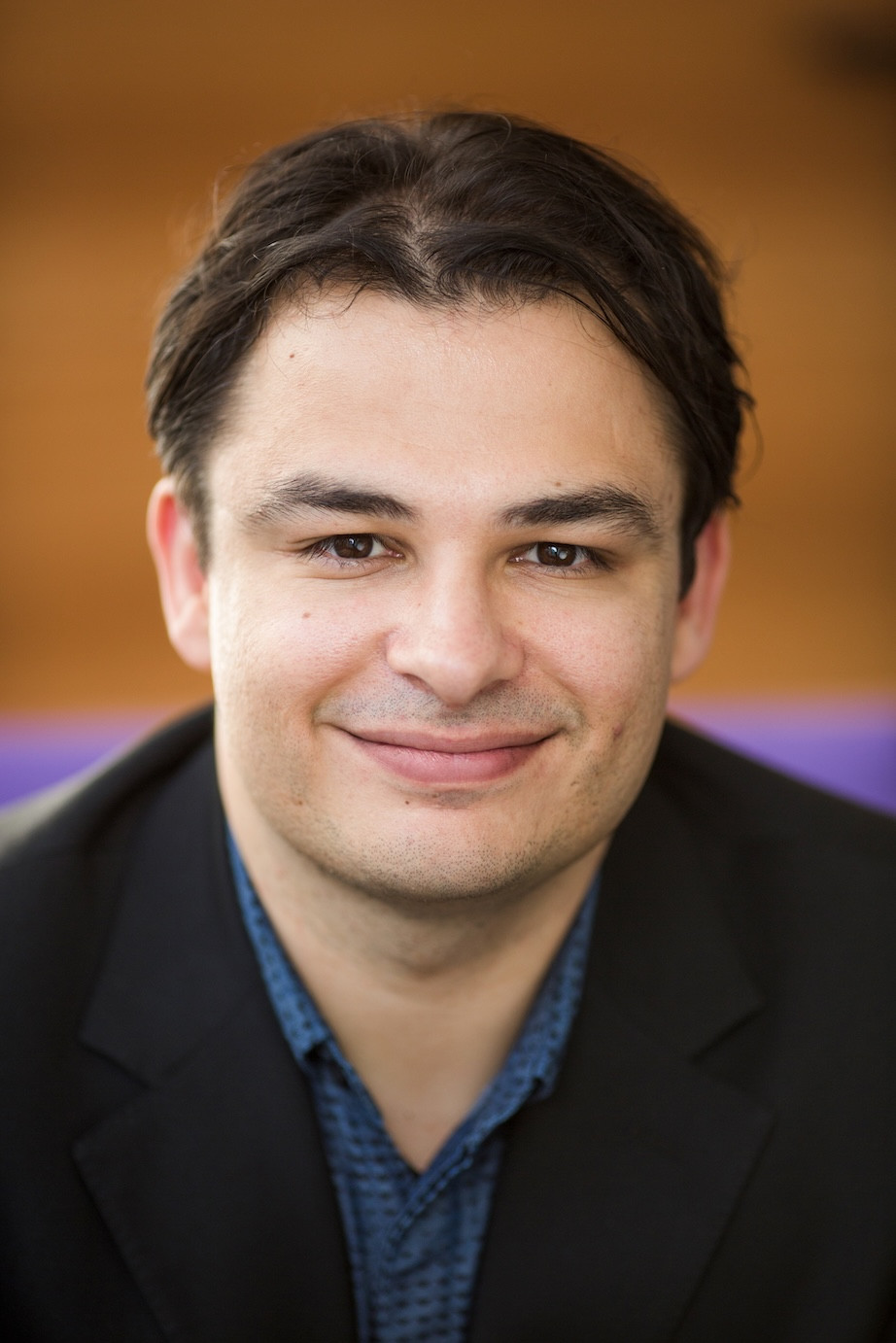
»Music is the best way to discover myself and understand the world around me.«

Luca Quintavalle is a harpsichordist, fortepianist and conductor. He has performed with ensembles including Concerto Köln, Harmonie Universelle, the Mozarteum Orchestra Salzburg and the Kölner Kammerorchester at venues and festivals such as the Kölner Philharmonie, Salzburg Festival and Enescu Festival. He was harpsichordist of Les Musiciens du Prince, led by Cecilia Bartoli, for over five years, and has conducted ensembles including the Orchestra and Chorus of Teatro dell’Opera di Roma, Concerto Köln and Deutsche Kammerakademie Neuss. His recordings include Mirrors, released by Berlin Classics and awarded an OPUS KLASSIK.

© PR

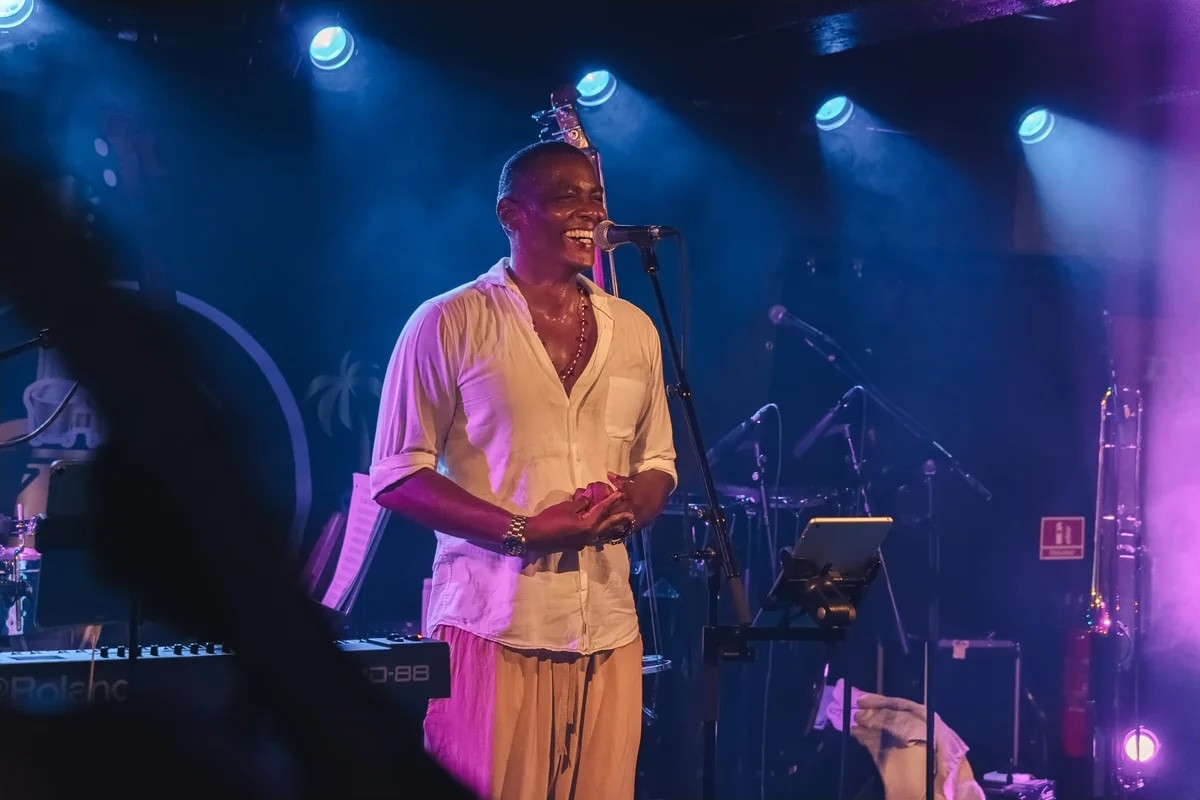
»To me, music is humanity, community, a smile, a conversation, a moment, an eternity«

Abel Alazo Rangel is the founder, curator, and producer of the Nova Concerts Series in Copenhagen. Nova began as a festival in 2003 and was relaunched as a concert series in 2023. Through Nova, he presents musicians and creates musical encounters that bridge the Cuban, Latin American, Danish, and international music scenes. 

in briefrelease
11.09

A Strange Instrument, a Familiar Sound

Mike Sheridan: «Touch«
© André Hansen
© André Hansen

There is something almost dogmatic about Mike Sheridan’s latest album, Touch. Everything leads back to the Cristal Baschet – a peculiar instrument from the 1950s in which sound is produced by running wet fingers over glass rods, setting metal resonators into vibration. No strings, no keys, just glass, water, skin and friction, slowly making the metal sing.

The Cristal Baschet is not merely an instrument on Touch. It is the album cover, the subject of the press photos, and almost the very argument for the album’s existence.

It recalls the material fetishism found in the American duo Matmos, whose music is often built around a single material or sound source: metal on Metallic Life Review (2025), plastic on Plastic Anniversary (2019), a washing machine on Ultimate Care II (2016). What is interesting about such constraints is that they ought to force the music somewhere it otherwise might not be able to go.

While listening to Touch, a question therefore begins to press itself forward: Which of these sounds could not have existed without a Cristal Baschet?

There are glassy tones that hang in the air and slowly change texture. Thin, cutting vibrations. Metallic surfaces that flutter, ripple, open and close. A constant sense of droning resonance; of something vibrating just on the other side of the audible.

Sheridan’s layering is meticulous. There is a precision to the mix, an almost surgical sense of the distance between the different textures. The best moments occur when the surface is disturbed: something that scratches at or short-circuits the otherwise tightly controlled resonance. On »BOW / GROUND«, for instance, deep bass pulses suddenly enter, creating a different physical quality – crackling, heavy, like something hitting the floor.

But Touch is first and foremost a well-produced ambient album. It moves through different degrees of the same state, changing nuance without ever truly changing its skin. That is not necessarily a weakness. There is something consistent, almost meditative, in Sheridan’s insistence. But the longer one remains in the same sonic state, the more one begins to miss what ought to be the Cristal Baschet’s particular possibility.

This is where the disappointment lies: in the gap between the instrument’s strangeness and the music’s conventional appearance. The sounds have been assimilated into a familiar ambient vocabulary, where the extraordinary instrument ends up producing something surprisingly familiar. You can hear that something unusual is happening at the source of the sound. But you cannot necessarily hear why it had to be this particular instrument. Had one not been told that a rare, almost otherworldly acoustic sculpture was standing in the room, one would hardly have guessed it.

© PR

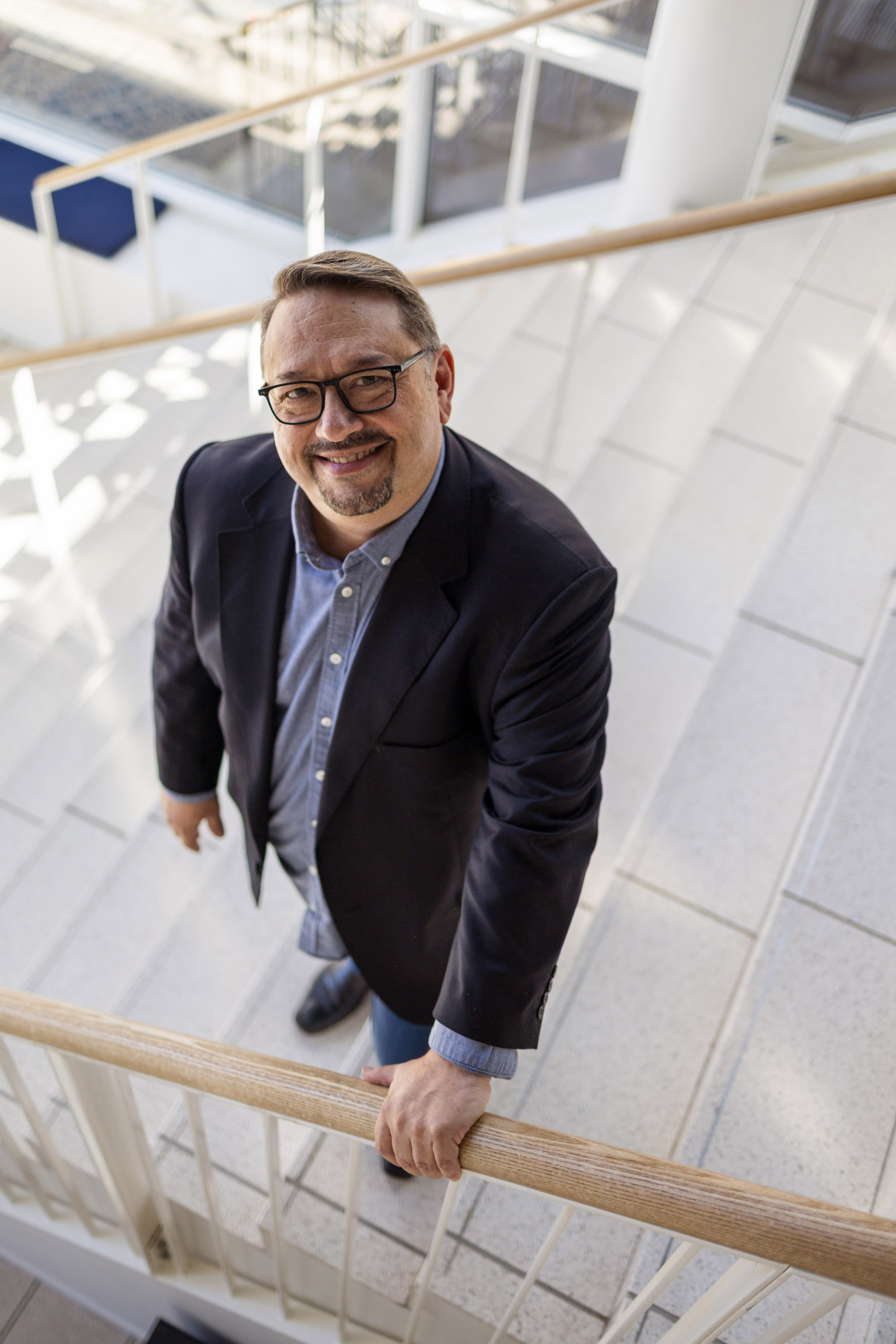
»Music is my life. It has accompanied me all the way and given me experiences, friendships and opportunities that I could never have imagined.«

Pablo Fernández is a Spanish musician and the new Head of Classical Music at the Royal Academy of Music, Aarhus/Aalborg. For many years, he was principal tuba player with the Barcelona Symphony Orchestra and has taught at higher music education institutions in Spain and Denmark. He is also active as a conductor, soloist, guest lecturer and jury member at international competitions. Fernández has extensive experience in the management and development of music projects, festivals and international collaborations. He has lived in Aarhus since 2014 and has been affiliated with the Royal Academy of Music since 2021.