in brieflive
25.05.2024

Fantasierne under overfladen 

Spor Festival: »Between Music«
© Mateusz Szota
© Mateusz Szota

Hvad var det for mytiske skabninger, der gemte sig lige under vandspejlet i totalinstallationen Breaking the Surface? Kunstnerkompagniet Between Music havde på Spor Festival omdannet Musikhusets sal til et diset grænseland. Den gådefulde tærskel til det undersøiske. Som besøgende drev vi rundt på overfladen, men mærkede, hvor fascinerende dybt fantasierne om livet under vand rækker. 

Der var low arousel – tenderende til det behagesyge – i det lysdæmpede udstillingsrum. Pirrende klange som i værket Sirenes, hvor små vandfaste højttalere hængt op i wire, blev sænket og hævet i glaslanterner med vand. Som en kølhalende parafrase af Janet Cardiffs Forty Part Motet, hørte man sirenernes toner drukne og stemmerne gispe efter ilt. Lydkunstgrebet var næsten for tydeligt: de akusmatiske stemmer i materiel transformation, ringene i vandet fra højttalermembranernes vibrationer, den besøgendes frihed til selv at søge ind i klangen. Men værkets lavmælte poesi var alligevel nok til at vække en interesse for lydens overgange.

Men det var de skabninger, der befolkede installationens loopede videoer, som jeg var mest betaget af. Hvem var den nedsunkne brud i værket The Neck, der spillede på sin klangkvalte violin blandt døde fisk og ålegræs? Havde hun været der hele tiden, dømt til at spille, eller gik noget forud for denne bizarre scene? Det mystiske videoværk inviterede til videredigtning, og en hel sagnverden åbnede sig for mit indre. Fortryllende. 

in brieflive
30.10

Only at the End Did the Music Break Free

The Baroque Society: »Remembering«
© Malin Annie Jansson

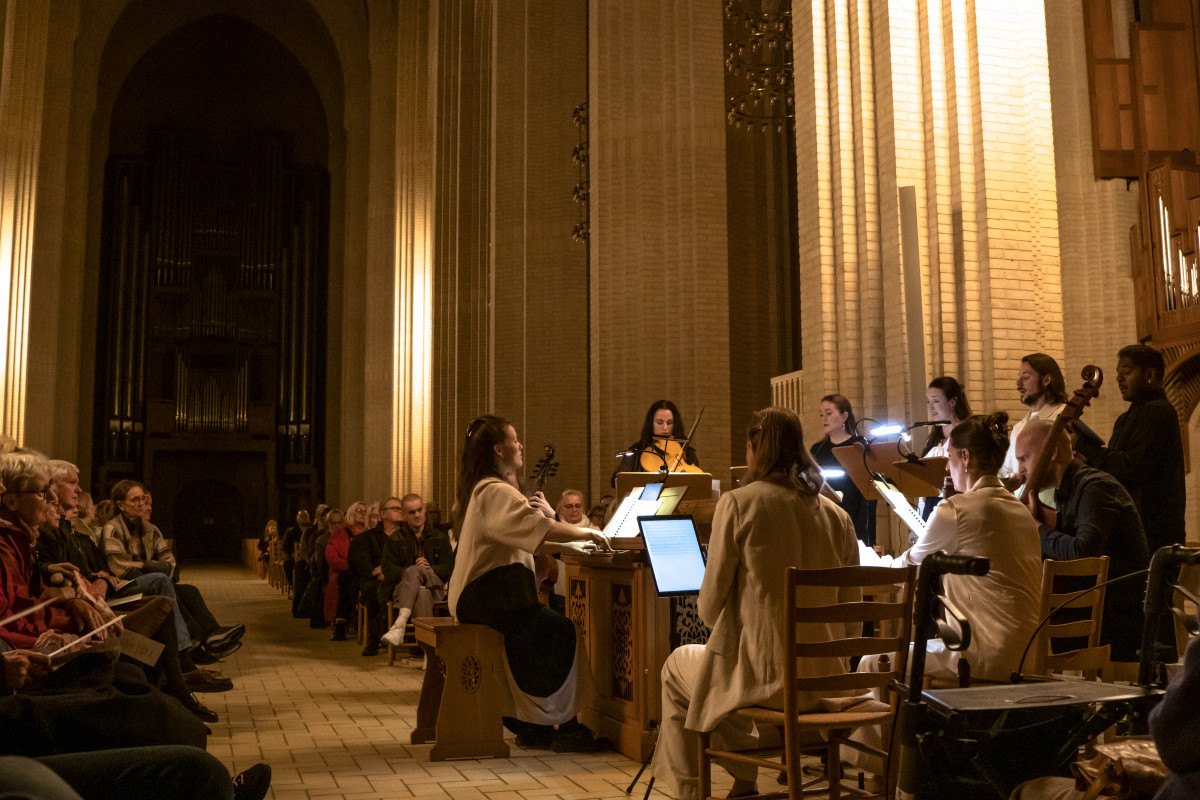
The British composer Nick Martin, who is based in Copenhagen, attempts to give remembrance a sonic form in his brand-new work Remembering, written specifically for The Baroque Society. On Thursday evening at Grundtvig’s Church, he succeeded beautifully in parts of the fifteen-minute work for four singers and a small, intensely focused group of Baroque instruments.

Dense vocal textures lingered over harmonies that unfolded slowly, while allowing the soloists to emerge one by one. The static accompaniment provided a foundation for remembrance, over which the floating voices evoked the lost and departed. The harmonies gradually shifted in colour like clouds in the sky, constantly changing shape – seemingly at random, yet following what felt like a fixed, organic pattern. But the work became too long and passive. Only in its final minutes did the harmonies break apart, making room for welcome rhythmic variation and tantalising silences. Had this shift in form come earlier, Martin might have created a more compelling work. It nevertheless ended with a gem of an open, searching chord which not only demonstrated his gifts as a vocal composer but perhaps also invited us to think of remembrance as something positive and transformative rather than tragic.

Remembering was framed by two works by J.S. Bach (BWV 118 and 106). The latter cantata was later given the title Actus Tragicus, but it was not entirely tragic: for Bach, death primarily offered access to something better. That sense of consolation was harder to find in this performance, where the small orchestra of The Baroque Society lacked energy and momentum. Yngvild Haaland Ruud, seated behind the small organ in the middle of the ensemble, provided insufficient musical direction to bring the players together. The tempo was far too ponderous, and the music lingered too much on the feeling or memory of the sounds just heard. Still, it was refreshing to encounter a new work by Nick Martin – an invitation to remember at All Saints’ Day.

The concert will be repeated in Copenhagen, Helsingør and Gentofte over the coming days

English translation: Andreo Michaelo Mielczarek

© PR

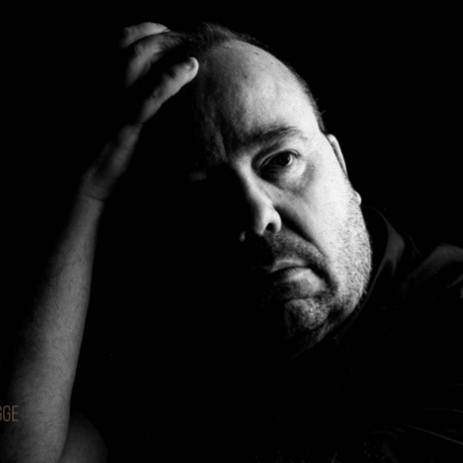
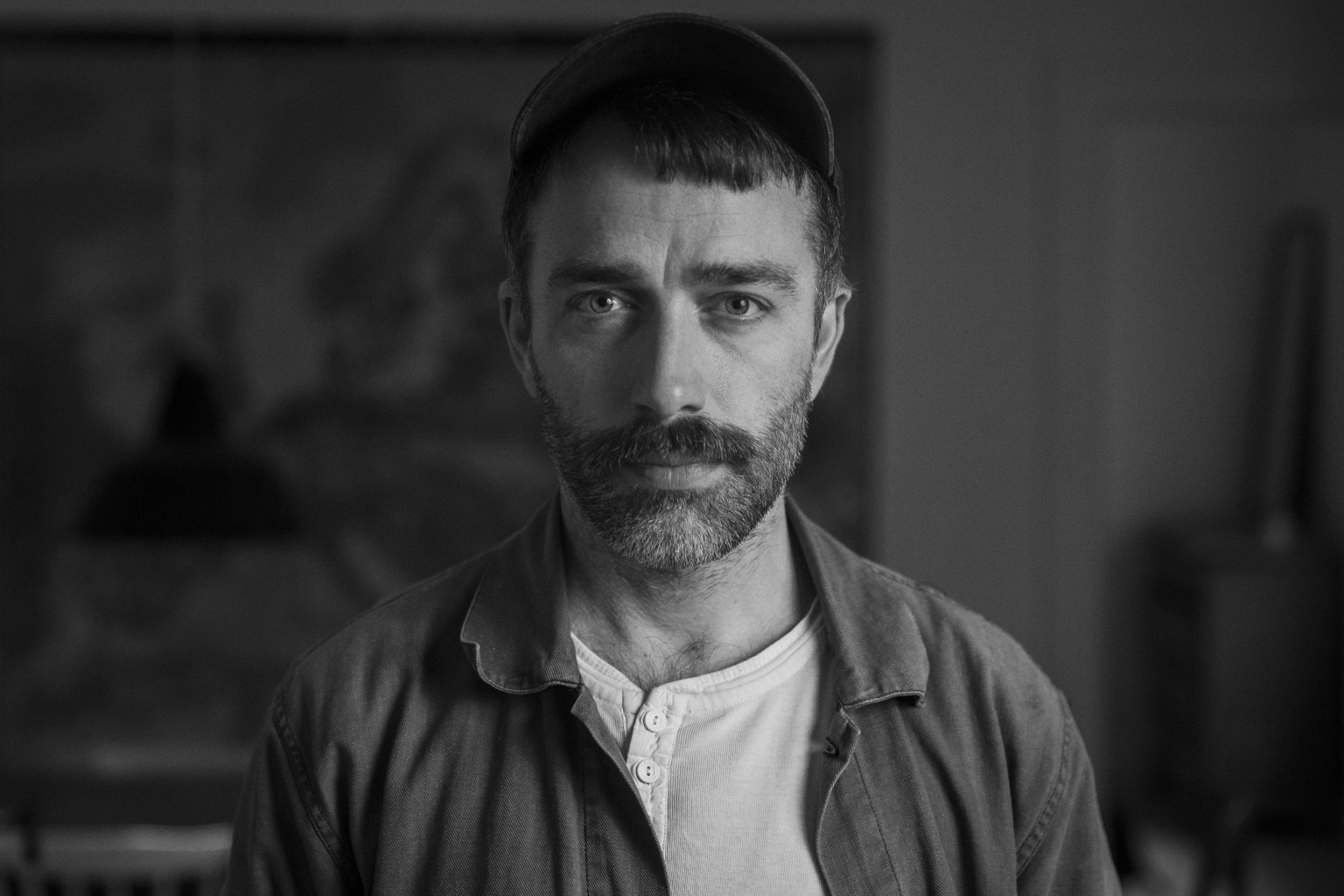
»For me, music is incredibly important. It is music that reveals who I am and who I want to be. Music is my muse, my solace, and my paintbrush. It paints my state of mind, serves as a frequent topic of conversation among my friends, and – along with the lyrics – acts as my preferred form of expression. To me, music represents the colors and shapes of my life. I have a particular fondness for Danish artists such as C.V. Jørgensen, Elisabeth, Olesen-Olesen, Peter Sommer, and Gravens Rand.«

Søren Damm is an award-winning author known for the novels Transit, Melodrama, and Finland. He is also a singer and songwriter, having released, among other works, the album Håbet Er Den Største Last.

© Paw Ager

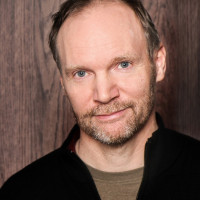
»For me, music is about curiosity and surprises – yet it’s also something in which you can feel right at home. Music resides within us all, in a physical way that sets it apart from any other art form. To me, music is something greater than the individual – something that will always outlive the individual. The good stuff, in other words ;) « 

Kaspar Kaae is an award-winning film composer, music producer, and songwriter, known for his work with bands such as CODY and Bug Chaser. He holds a Master’s degree in film composition from SDMK.  He has previously been a guitarist in a number of bands on the Danish indie scene, such as CODY, Broken Twin, and Bug Chaser. The latter is releasing the album My First Crippled Love in November. He was born in 1983 on Bornholm, but has lived in Copenhagen and Berlin throughout his adult life.

© PR

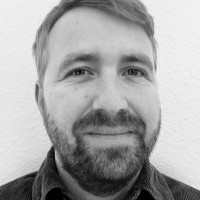
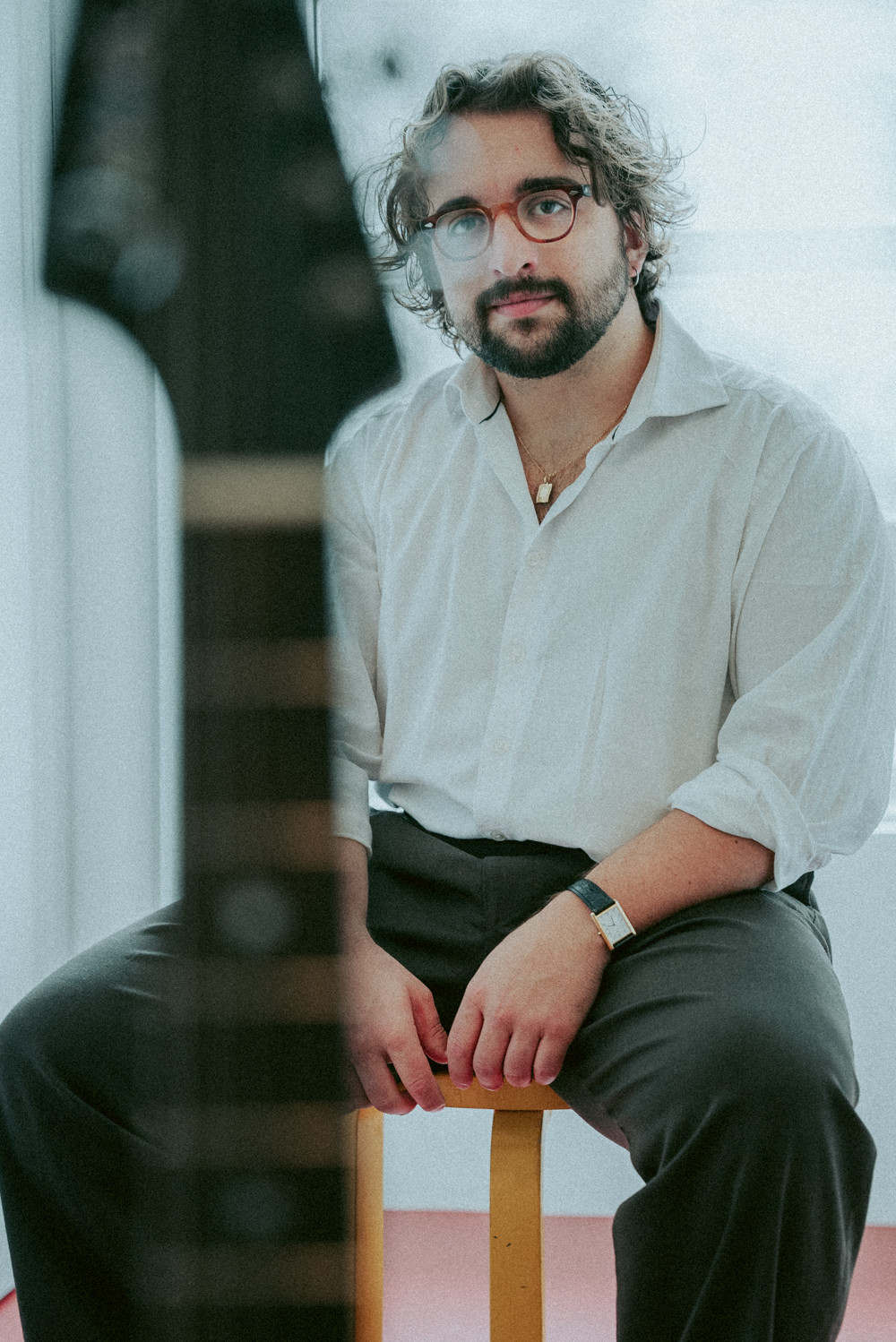
»Music is like a black hole that sucks you in and shoots you out on the other side of the universe.«

Francesco Rista is a guitarist working across classical and electric guitar. His recordings have been reviewed by international music magazines and broadcast on BBC and RAI Radio 3. After studying at the Royal Danish Academy of Music and Lund University, he focused on studio recordings, exploring guitar repertoire from the Baroque and Romantic periods to contemporary music, as well as the instrument’s varied tonal possibilities. Rista is currently based in Iceland, where he teaches guitar, composes music, and collaborates with contemporary composers.


© Villads Hoffmann
© Villads Hoffmann

Percussionist and composer David Hildebrandt is honoured for his virtuosic work with new music and his efforts to push the boundaries of what rhythm can be.

David Hildebrandt is among the recipients of this year’s honorary awards from the Wilhelm Hansen Foundation. He receives DKK 200,000 in recognition of his uncompromising work with new music and multi-percussion, as well as his ability to challenge conventional ideas about rhythm.