in brief
27.05.2024

Som du spørger, får du svar!

Spor Festival: Current Resonance: »Asking People to Do Things«
© Mateusz Szota
© Mateusz Szota

Er det ikke essensen af komponistens arbejde? At få andre til at gøre noget. Jeg sad efter Spor-koncerten Asking People to Do Things med den nykonceptuelle supergruppe Current Resonance og studsede over temaet. Selvfølgelig med mindre man som de fire komponister på scenen gør det meste selv, konkluderede jeg. Med en velkommen sans for de helstøbte koncertoplevelser havde gruppen sammensat et program, der undersøgte ordrens maskering i spørgsmålet. 

Koncerten virkede som en jagt efter en bagvej om selve processen med at komponere og opføre musik, som man kender fra den musikalske konceptualisme hos eksempelvis Johannes Kreidler eller Trond Reinholdtsen. I det æstetiske ærinde var det interessant at opleve spørgsmål og imperativer blive omsat til kompositorisk materiale. Carolyn Chens Introducing Object genoplivede ready-made tanken med fluxus-dessiner i højttalerne, som dikterede performernes overgrundige beskrivelse af en kagedåse. Senere revsede Matthew Grouse dynamikken i koncertrummet og tog publikum som gidsel med det interaktive spørgeværk SPEAK BEFORE YOU THINK. Ud af koncertsalen kom vi også mellem værkerne, hvor flashmobvideoer fra Aarhus fungerede som underholdene pauseskærm. 

Fordi gruppen leverede årets koncert i 2023, blev jeg efterladt med en følelse af, at de denne gang havde sværere ved at få konceptværkerne helt ud over rampen. Jeg savnede de store teatralske effekter. Bedst fungerede Dylan Richards og Michael Hopes bombastiske fællesværk, hvor Richards’ karakteristiske digitale opkast blev sidestillet med Hope, der gav den som gradvist mere uduelig hype man. Hvilket vidunderligt kaos. 

© PR
© PR

Danish composer Sofus Forsberg has died at the age of 56. With his distinctive blend of melodic sensibility, electronic processing and rhythmic precision, he created a musical world that moved effortlessly between IDM, pop and the avant-garde.

© Simon Weyhe

»Music for me is my hobby, my job, my outlet, my mood, an endless source of discovering new music and new, old music, some of the best and can be some of the worst. And I love it!« 

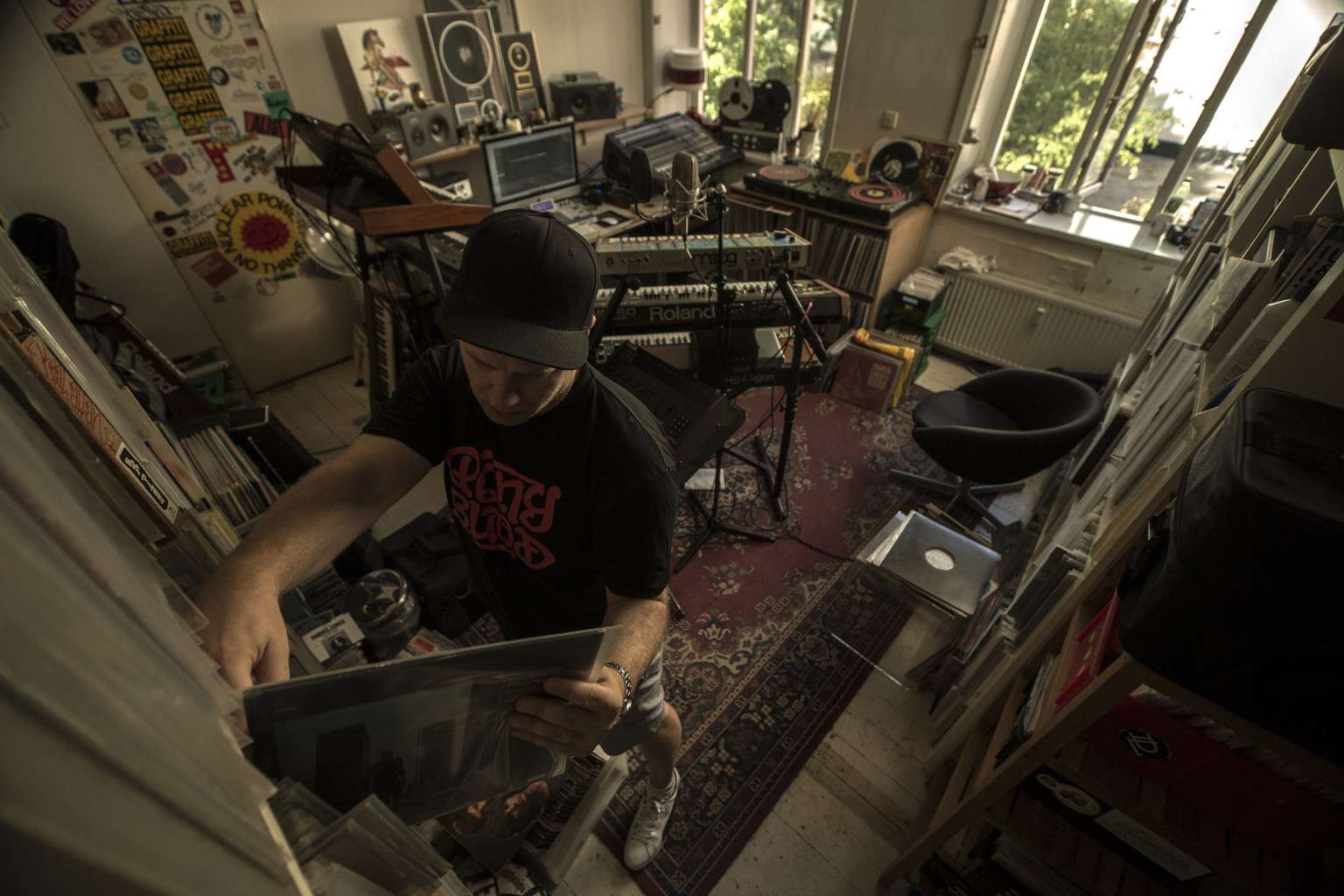
Track72 aka Tue Track aka Anders Lundby Brixen. Producer, DJ, rapper and more. Known for his role in the trio Malk De Koijn, which since the mid-1990s has created a personal universe in Danish hip-hop. Has performed in Ponyblod, Xtra Naan, Track Abdullah Rock, Booty Cologne and others.

© PR
© PR

On Wednesday, 5 August 2026, it happened again: a chord in John Cage’s Organ2/ASLSP (As Slow as Possible) changed after two and a half years. Classic FM reports.

The work was written by the American avant-garde composer John Cage in the mid-1980s. The score consists of eight pages of music, and, as the title suggests, the instruction is to play it »as slow as possible.«

»What music is to me? Where have the great feelings gone?«.

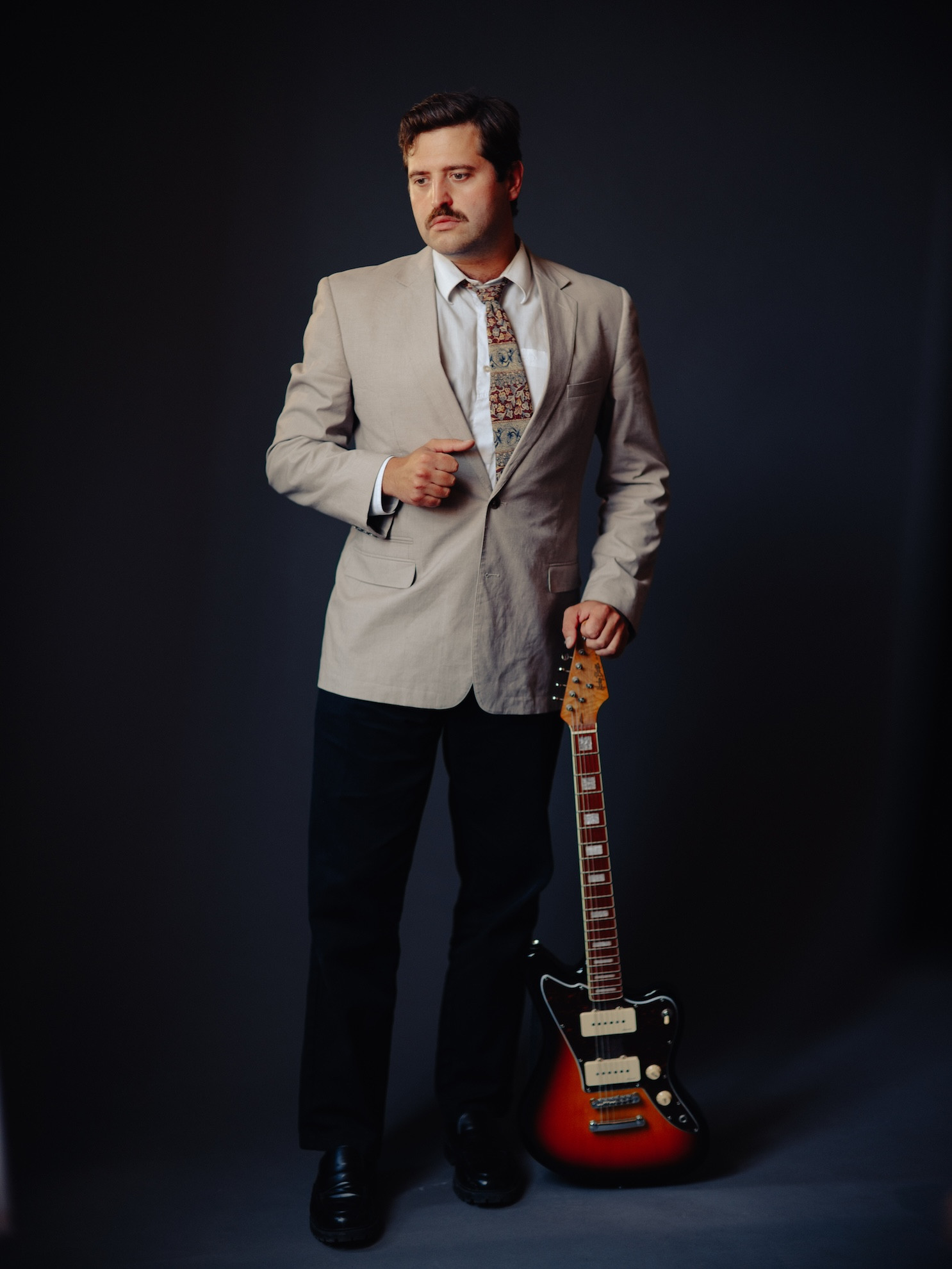
Gellért Szabó is a composer, conductor and performer based in Leipzig, Germany. His work combines contemporary composition with influences from free improvisation, noise and the expressive richness of the late nineteenth century. He is the founder and artistic director of the 23-piece Ideal Orchestra, an ensemble dedicated to large-scale experimental music of sweeping emotional intensity. Alongside this work, Szabó performs internationally with his solo project Radical Radio Show, exploring symphonic textures and immersive sound worlds through a single electric guitar and live electronics. His music is driven by a search for intensity, vulnerability and uncompromising emotional expression.

© Christoffer Askman

From the Culture Yard in Helsingør, ships glide past Kronborg Castle through the narrow waters of the Øresund – a reminder of the trade routes that, for centuries, have carried goods, people and power between the Nordic region and the wider world. It is an apt point of departure for the Passage Festival, and for Marie Dahl's vocal work Silk. Sugar. Sand, which explores the intertwined histories of three materials.

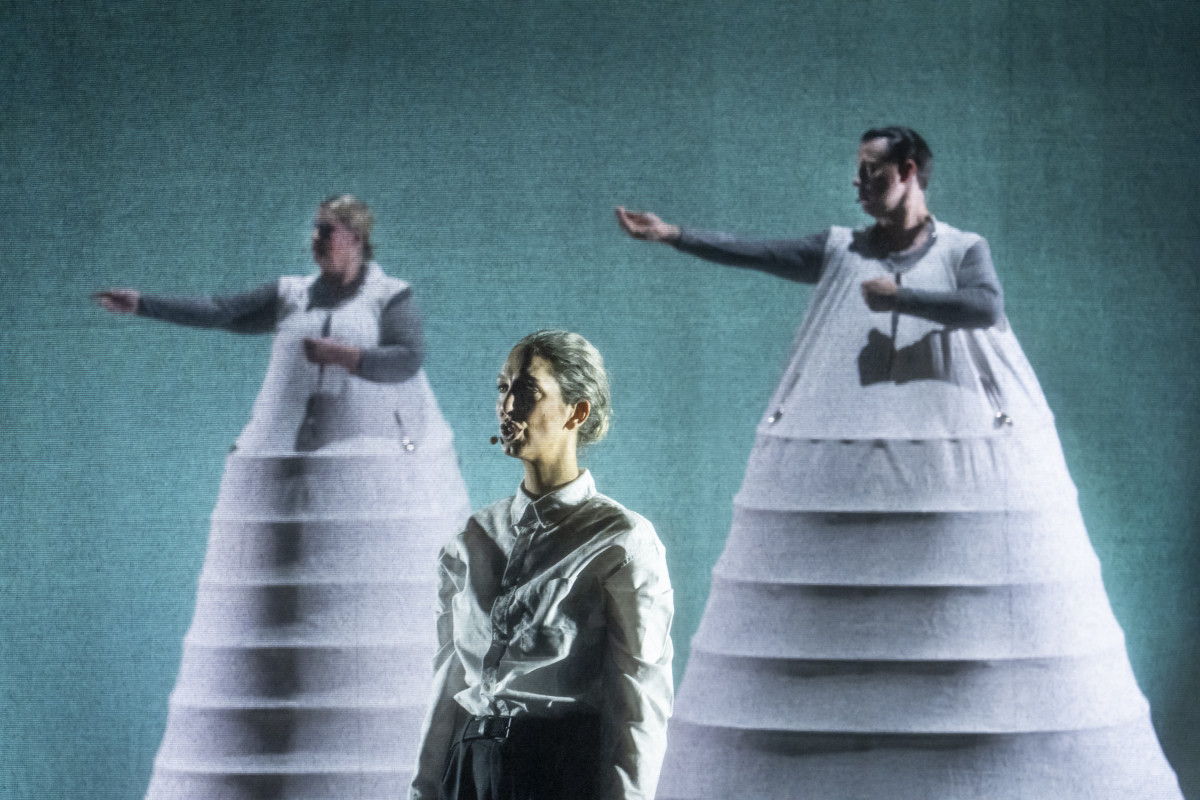
Silk. Sugar. Sand is a vocal performance in three acts tracing the historical journeys of these materials through colonialism, the global economy and geopolitics. Five singers from Ars Nova Copenhagen perform within a minimalist scenography consisting almost entirely of coloured light and three sets of costumes that transform throughout the performance: first silk dresses, then crinoline-like structures evoking sugar loaves, and finally grey stone-like forms suggesting accumulations of sand.

The work's central device is to translate the physical properties of these materials into vocal expression. At one moment, the elasticity of silk becomes soft, flowing polyphony; at the next, a cocoon-like electronic crackle. Sugar's crystalline structure is rendered as sharp vocal attacks – brief, whip-like cracks – as well as sweet, intimate whispers, while sand creaks and rustles, resonating with a libretto about economy and domination, violence and desire.

The performance has no conventional narrative, and the five singers portray no distinct characters, moving somewhat stiffly across the stage, as performers often do when their primary focus is on the voice. Comparisons with Hotel Pro Forma's Flammenwerfer are difficult to avoid. There, the production's rigorous aesthetic was counterbalanced by C.F. Hill's wildly expressive visual universe and Blixa Bargeld's deeply vulnerable stage presence. Those qualities are missing from Marie Dahl's carefully controlled staging, which could have benefited from more of the sensitivity and chaos that also form part of Kirsten Dehlholm's artistic legacy.