© PR

»Music for me at the moment is a heaven for non-believers.«

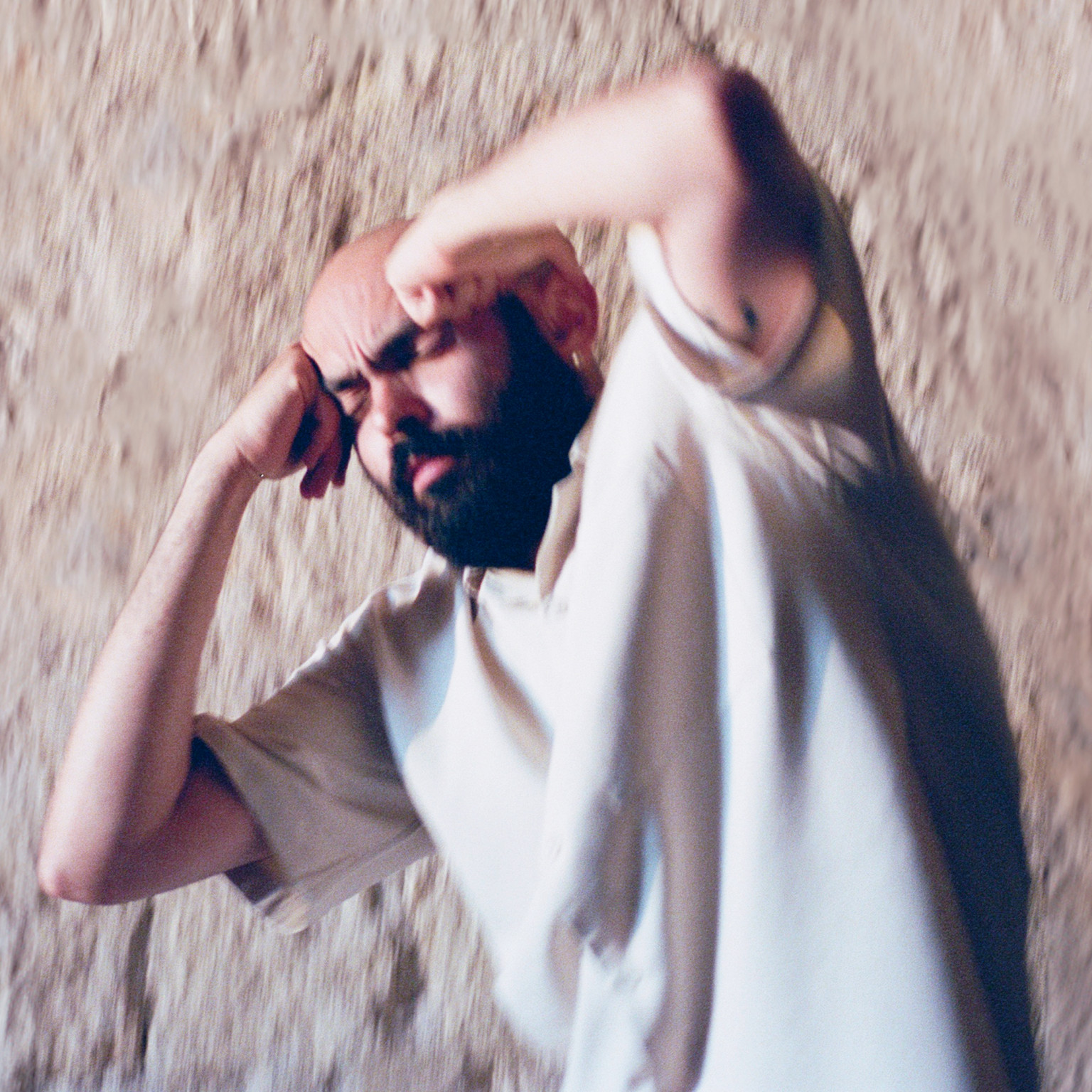
Abdullah Miniawy (born 1994) is an Egyptian expressionist, a writer, singer, composer, and actor. Over the years, he has shared the stage with acclaimed artists such as Erik Truffaz, Kamilya Jubran, Yom, Médéric Collignon, Aly Talibab, A Filetta, Hvad, Ziur, Simo Cell, and many others. Miniawy's performances have graced prestigious international stages and venues, including the Festival d’Avignon edition 72, French national theaters, Institute of Contemporary Arts London, Haus Der Kunst museum in Munich, Mao Asian Museum in Turin, even the Louvre in Paris.


In addition to his music career, Abdullah proved his natural acting talent in Alaadine Slim's Tlamess, a Tunisian feature film featured at the Directors' Fortnight at the Cannes Film Festival in 2019. Miniawy was also recognized with a nomination and shortlisting for the Best Actor Award from the Arab Cinema Center at Cannes.


As a composer, Miniawy has created different soundtracks for dance shows, theater productions, and exhibitions, including notable works like Cabaret Crusade III by Wael Shawki premiered at Moma PS1, AMDUAT by Kirsten Dehlholm premiered at Hotel Pro Forma, and Insurrection by Jilani Saadi.


Abdullah Miniawy's influence extends beyond the arts; he was selected by the European Parliament in Strasbourg as one of three change makers from the Schengen area to offer a French-Egyptian artist's perspective on pressing contemporary challenges at the European Youth Event 2021 in the Live Fully section. He also participated in Europe Takes Part, a gathering of 30 diverse speakers discussing new economic models and digital solutions for artists in a post-pandemic world.


Since 2016, Miniawy has collaborated with the German trio Carl Gari, blending avant-garde electronic soundscapes with poetic lyrics. Their debut album, Darraje, was recognized as one of the top 50 albums of 2016 by the American NPR. Their recent release, The Act of Falling from the 8th Floor, garnered attention from Pitchfork, The Quietus, and Wire Magazine, with Zawaj ranking at the top of Resident Advisor's list of Deep Listening tracks in 2019.


Most recently, Abdullah's album Le Cri Du Caire, featuring Erik Truffaz, won Les Victoires du Jazz 2023 award – the French equivalent of the Grammy Awards.  


As a writer, his lyrics have left a mark in the Middle East region, notably during the Arab Spring, where they were displayed in places like the Yarmouk camp in Syria.
in brieflive
31.08.2024

Fear and Heavy Curtains in Aarhus

Aarhus Festuge: Hotel Pro Forma: »Flammenwerfer«
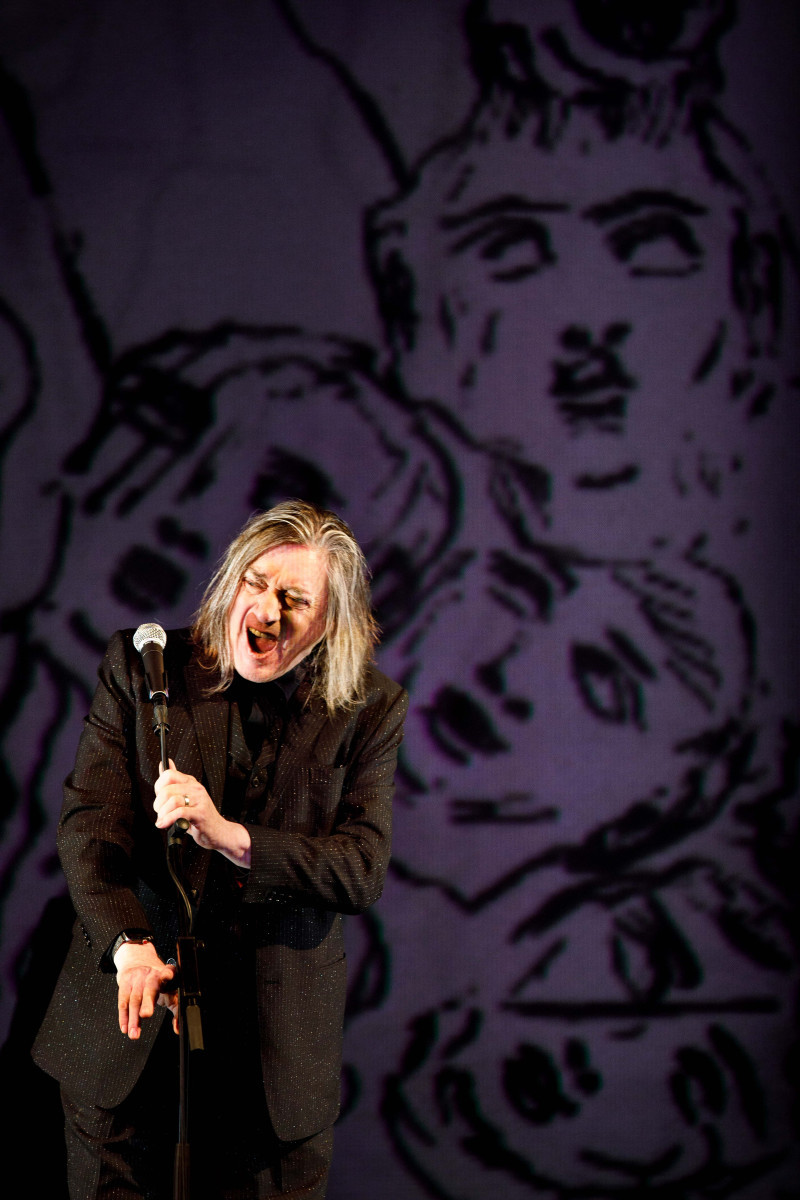
Blixa Bargeld. © Emma Larsson

»All sounds are loud,« we hear in Flammenwerfer – Hotel Pro Forma’s account of the Swedish painter Carl Fredrik Hill (1849–1911). Everything in this universe is transparent and layered. The orange hue in Hill’s art, flickering across the stage, crackles with both a beautifully golden noise and a psychedelic quality reminiscent of 1970s ceramics. In a central scene, Blixa Bargeld half-screams into a microphone and receives looped screams hurled back into his head. The patchwork of sound also includes five vocalists from IKI and selected pieces – the only music here that comes close to pop – by Nils Frahm.

The dark circles under the eyes are constantly pronounced. As are the letters that signal a new chapter, the next dive into the mind – for instance the section titled »Paranoia«. Here, IKI expands Einstürzende Neubauten’s »Halber Mensch« into five voices, allowing the hallucinations and anxiety to grow to full human scale. Yes, the sound was loud and numbing in itself. But it is largely thanks to IKI that we feel the extremes, the brain disease, and Hill’s experience of a »misarranged world«. They sang: »Heavy curtains drawn over the mind. A thick deadening cloud that blocks the use of senses.« And that is how it sounded. Cold. Like the saddest Instagram filter imaginable – with sound.

Unfortunately, Blixa Bargeld is used too sparingly in Flammenwerfer, which is not exactly a masterpiece from Hotel Pro Forma. Still, the gala audience sat very still in very soft seats and saw both a giraffe and a former queen on the same evening. The rest of Aarhus Festuge can only be more cheerful.

© Roberto Bordiga

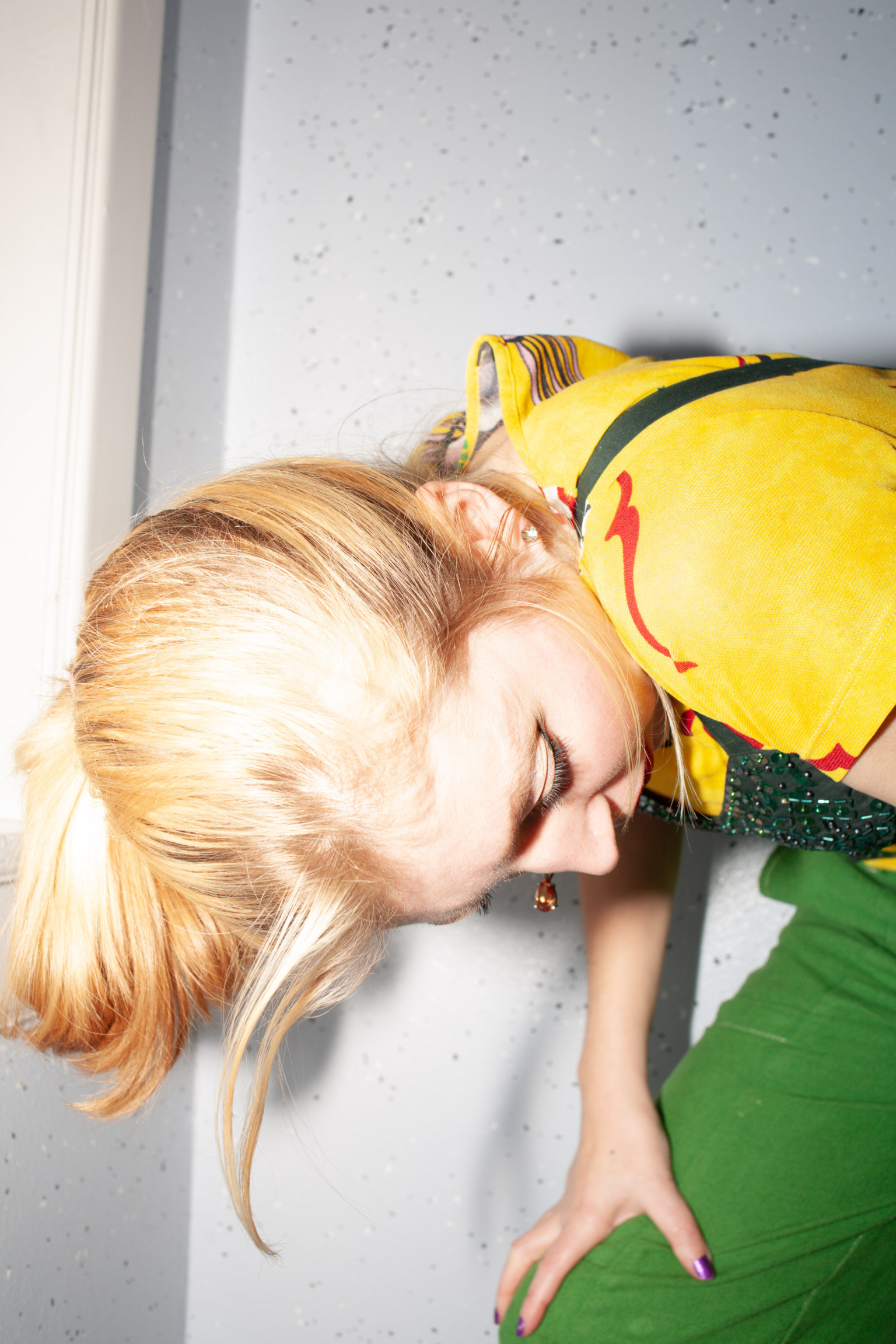
»Music for me is bumping, rubbing, colliding, sliding and sculpting... in space-time. AKA the gift that keeps giving <3 .«  

Greta Eacott is a critically acclaimed British/Swedish composer based in Copenhagen, Denmark. She is primarily known for her boundary pushing experimental percussion works and her »sans-disciplinary« approach to music composition; which incorporates spatial aesthetics, design theory and physical movements as integral elements in the musical compositions. This manifests in a unique and modern musical aesthetic which is both playful and refined, agitating and welcoming, sensual and synthetic. Since 2014 she has been running the DIY record label One Take Records.

in brieflive
26.08.2024

Hooray! The Big Questions Are Still Alive in Opera

Copenhagen Opera Festival: Rolf Hind, Dante Micheaux and Jalal al-Din Rumi, Frederic Wake-Walker, Elaine Mitchener, James Hall, Yannis François, Loré Lixenberg a.o.: »Sky in a Small Cage«
© Ida Guldbæk Arentsen

If one had come to believe that new opera could only be starkly realistic portrayals of the world’s decay, Sky in a Small Cage at the Copenhagen Opera Festival would quickly prompt a rethink. The festival’s final work pointed in a completely different direction: mysticism, hope, love. All clichés, perhaps – but absolutely not in the hands of composer Rolf Hind and librettist Dante Micheaux. Together they have spun a truly astonishing opera about the Sufi poet Jalal al-Din Rumi.

It was as much the enchantment of Rumi’s poetry as the myth of the poet himself that drove the work. In fact, it was exhilaratingly difficult to distinguish between poetry and reality: the character Rumi became the object of his own grand poetic art. »It might as well be called a death: the gate you must go through to enter yourself or beloved,« sang a narrator-like figure at the outset. Love, one understood, is a self-annihilating transgression – a threshold phenomenon that at times demands its sacrifices.

This dreamlike doubleness served as a guiding principle throughout the performance. It was a pleasure to hear mysticism unfold in the music, which was phenomenally orchestrated with dripping gamelan bells and singing bowls, double harps, celebratory piano, and more pounding toms than Lars Ulrich would dare to dream of.

And what about the bird, the cage, and the idea of freedom? In Sky in a Small Cage, freedom was not a matter of opening the cage and setting the bird free. It was located in the very act of calling – in song, music, and poetry – as a reaching out toward the other in a kind of intoxication of love. Oh yes, the big questions are still alive in opera. Thank God.

English translation: Andreo Michaelo Mielczarek

© PR

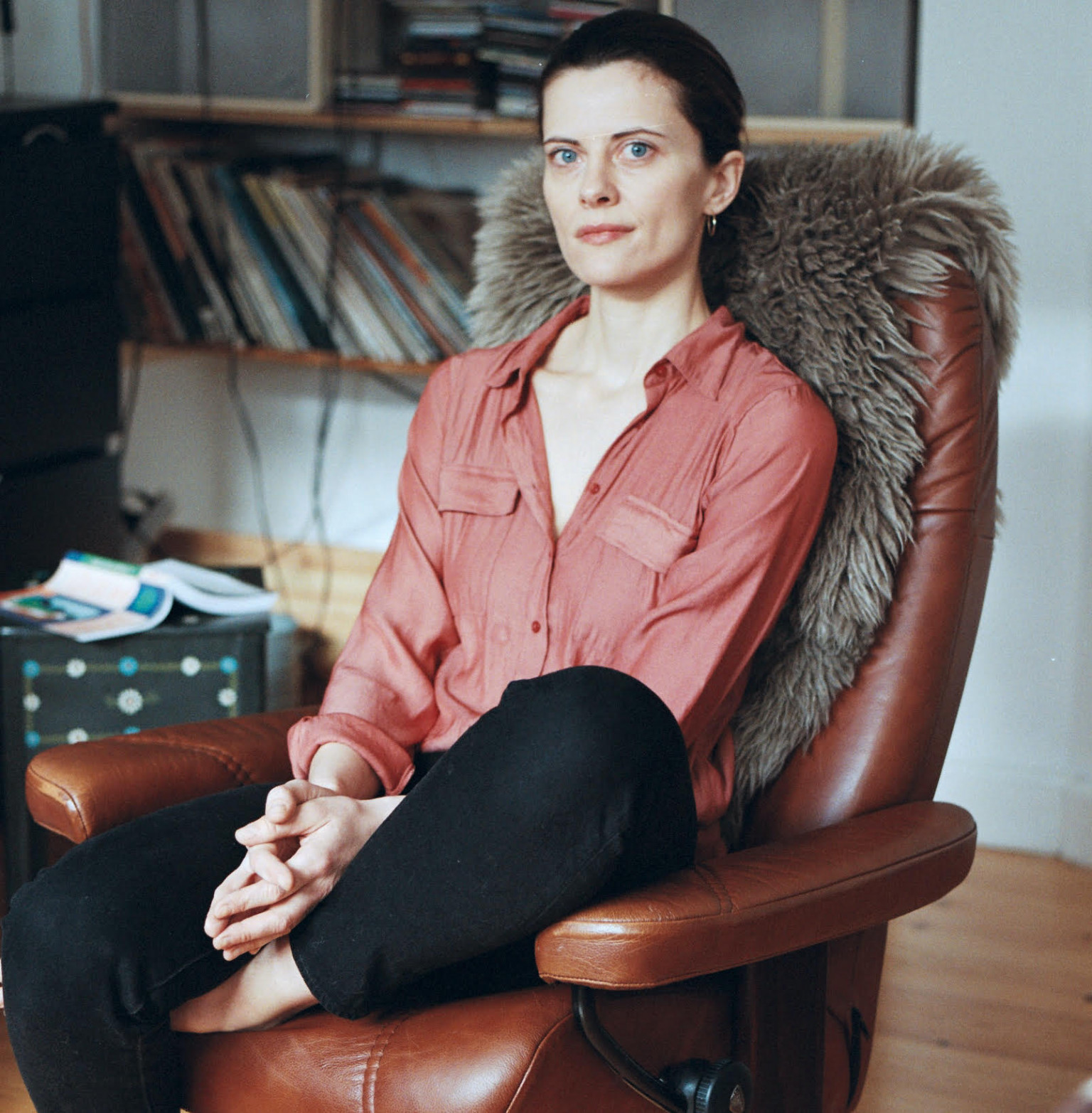
»Music has always provided me with a clear pathway on which to navigate a meaningful life. It is imbued with a set of noble intentions that have taught me important lessons: the art of giving and receiving, how to grapple with the ever-shifting forces of tension and peace, what it is to trust the people who surround you, and the ability to let go.«

The Irish-born, Denmark-based composer-musician Carolyn Goodwin is a clarinetist and saxophonist, and the founder of Copenhagen Clarinet Choir. Her compositional work is driven by a desire to explore new frontiers in ensemble playing, bringing body and movement to the forefront, and combining the freedom of improvised music with her foundation in classical music. Goodwin's 2022 release with the Copenhagen Clarinet Choir, Organism, on the År & Dag label, has been described as »cranio-sacral therapy for the ear« and »a perfect cross between intelligent and sensory music.« It is these sound and performance parameters that have inspired composers like Marcela Lucatelli, Greta Eacott, and Anders Lauge Meldgaard to compose music for Goodwin’s ensemble.

Goodwin is a member of the trio Coriolis, alongside fellow saxophonists Maria Dybbroe and Nana-Pi Aabo Kim, as well as Jason Dungan’s Blue Lake project. She is also part of the musician collective Barefoot Records.


© Beowulf Sheehan

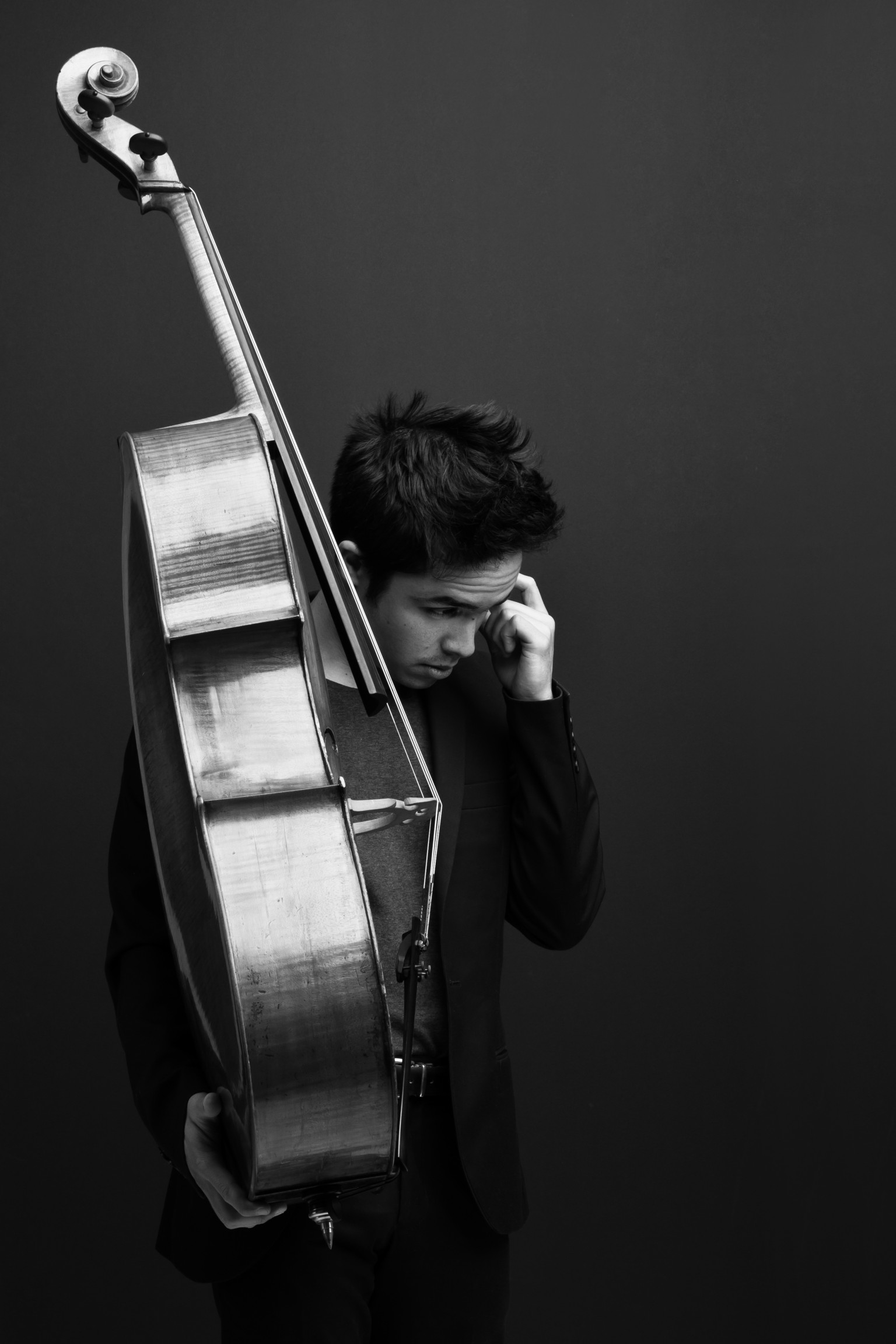
»Music is limitless, and its potential for meaning is infinite. This is neither good nor bad, but simply an acknowledgement that music is one kind of expression of any given culture (with many other inputs, of which I am mostly ignorant). From that perspective, I suppose then that music is just another medium through which I try to understand another human and/or the culture that they exist(ed) in, and more deeply feel the interconnectedness of the world that we live in, that we have inherited, and that we will pass on.«

Currently the only musician ever to receive two Avery Fisher Career Grants – in 2016 as a soloist and in 2019 as a member of the JACK Quartet – cellist Jay Campbell has brought his eclectic artistic interests both as a performer and curator to the New York Philharmonic, Deutsche-Symphonie Orchester, Los Angeles Philharmonic, Seattle Symphony, Ojai Festival, Lucerne Festival and many others. Deeply committed to collaborative music, Jay is a member of the JACK Quartet, as well as the Junction Triowith violinist Stefan Jackiw and composer/pianist Conrad Tao, multidisciplinary artist collective AMOC, and frequently works with composers and performers like Helmut Lachenmann, Patricia Kopatchinskaja, Barbara Hannigan, John Zorn, Tyshawn Sorey, and many more from his own generation.