© PR

»Music for me at the moment is a heaven for non-believers.«

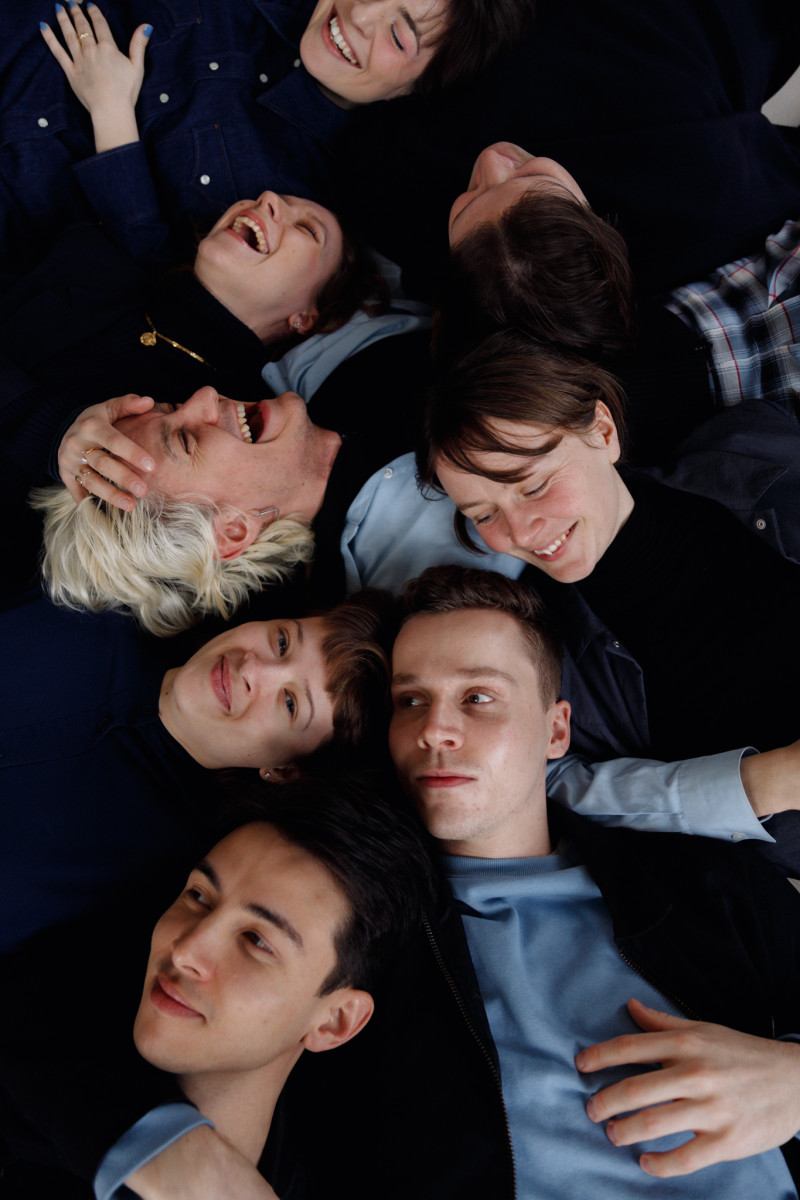
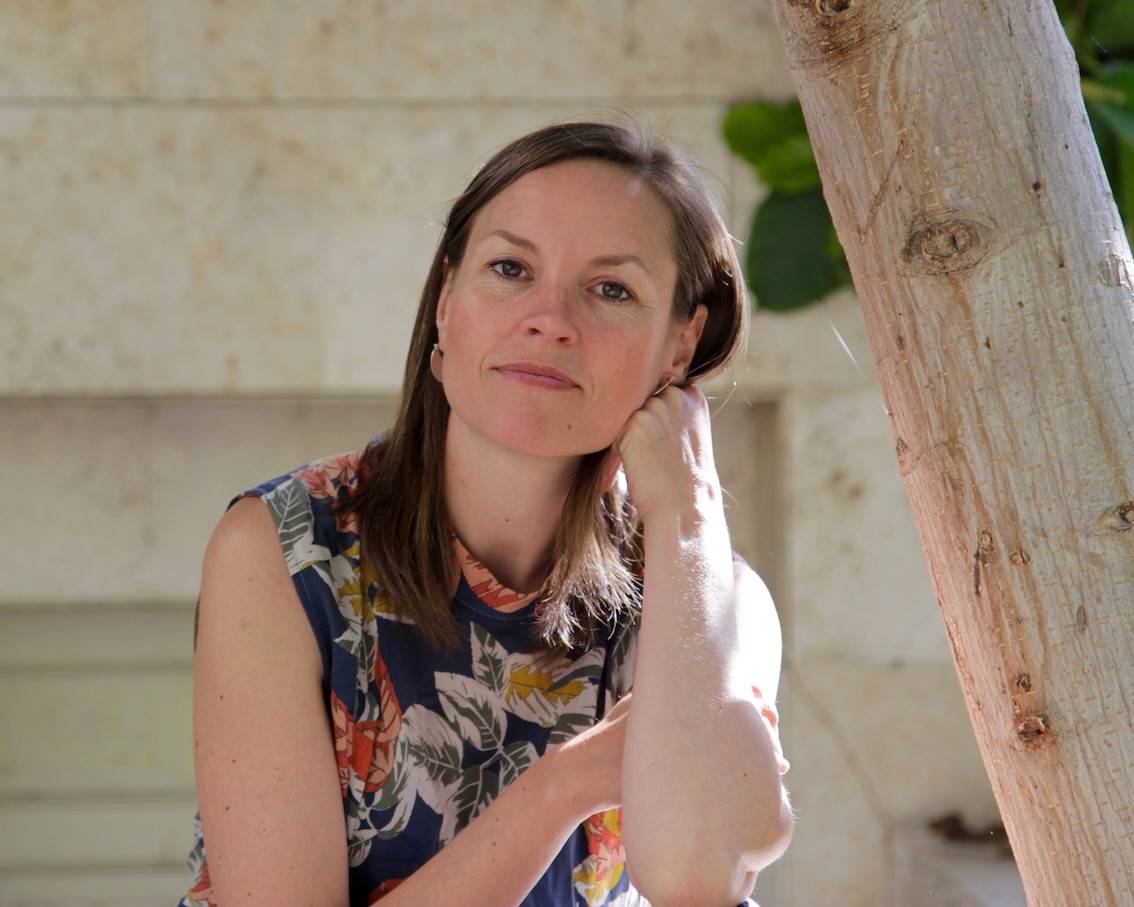
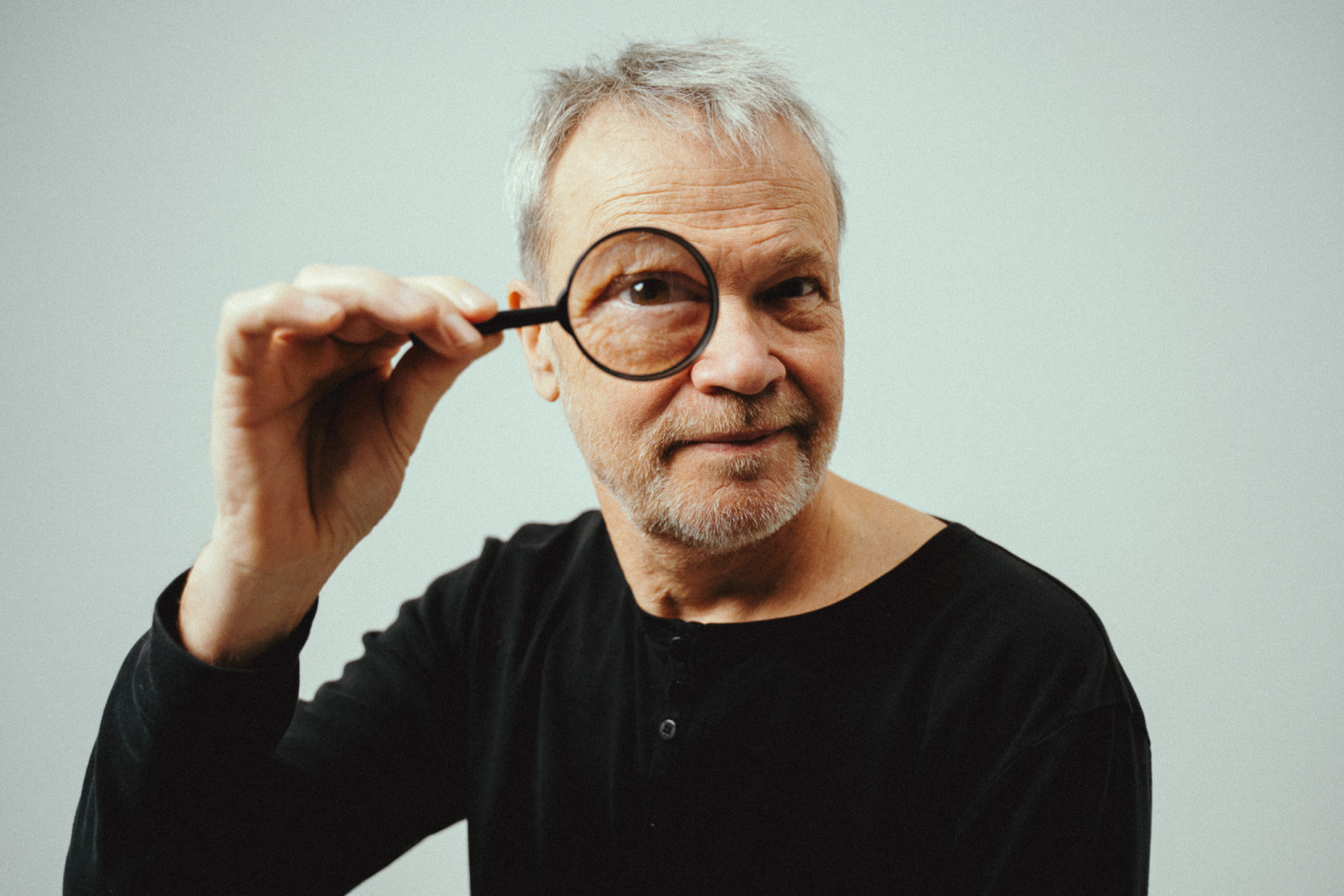
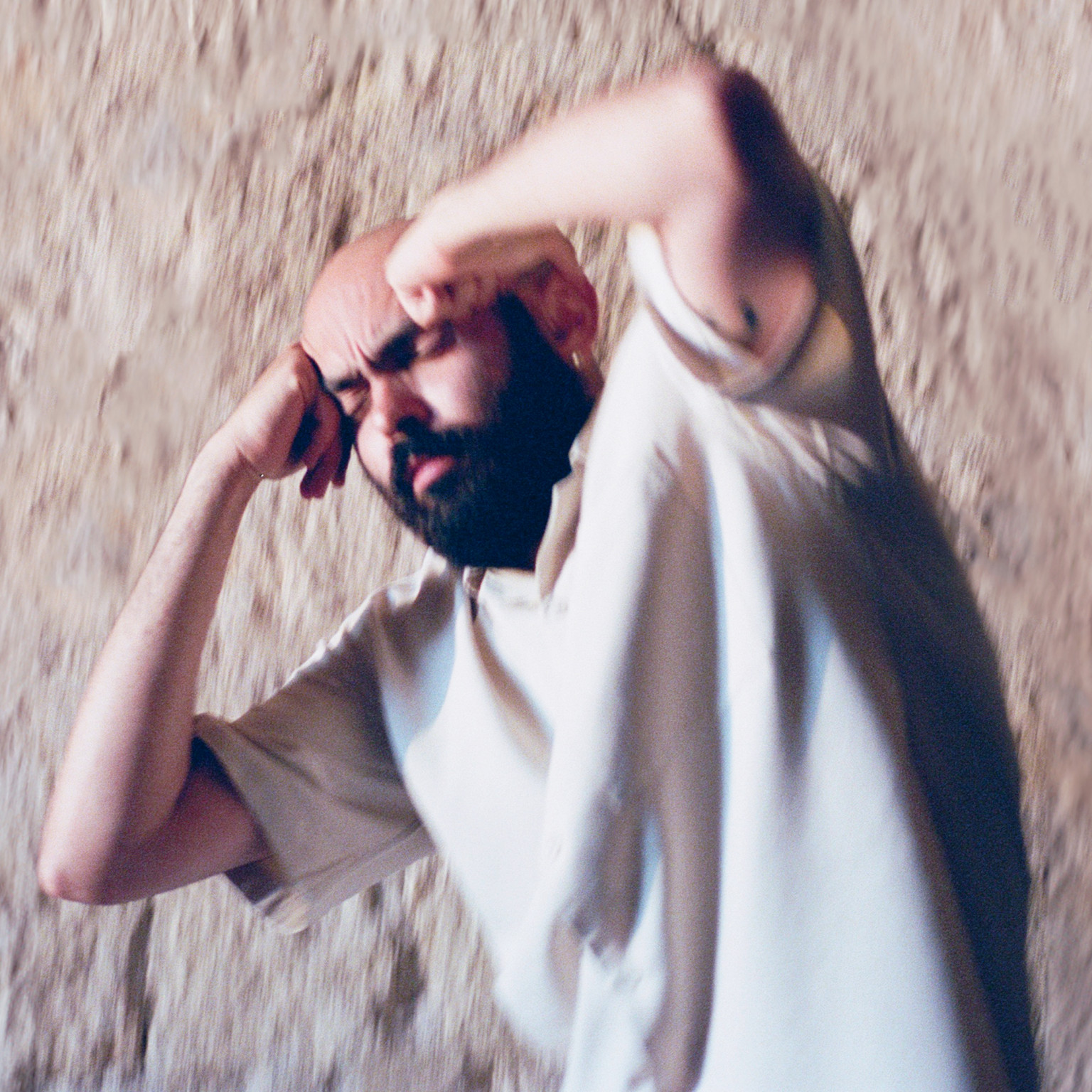
Abdullah Miniawy (born 1994) is an Egyptian expressionist, a writer, singer, composer, and actor. Over the years, he has shared the stage with acclaimed artists such as Erik Truffaz, Kamilya Jubran, Yom, Médéric Collignon, Aly Talibab, A Filetta, Hvad, Ziur, Simo Cell, and many others. Miniawy's performances have graced prestigious international stages and venues, including the Festival d’Avignon edition 72, French national theaters, Institute of Contemporary Arts London, Haus Der Kunst museum in Munich, Mao Asian Museum in Turin, even the Louvre in Paris.


In addition to his music career, Abdullah proved his natural acting talent in Alaadine Slim's Tlamess, a Tunisian feature film featured at the Directors' Fortnight at the Cannes Film Festival in 2019. Miniawy was also recognized with a nomination and shortlisting for the Best Actor Award from the Arab Cinema Center at Cannes.


As a composer, Miniawy has created different soundtracks for dance shows, theater productions, and exhibitions, including notable works like Cabaret Crusade III by Wael Shawki premiered at Moma PS1, AMDUAT by Kirsten Dehlholm premiered at Hotel Pro Forma, and Insurrection by Jilani Saadi.


Abdullah Miniawy's influence extends beyond the arts; he was selected by the European Parliament in Strasbourg as one of three change makers from the Schengen area to offer a French-Egyptian artist's perspective on pressing contemporary challenges at the European Youth Event 2021 in the Live Fully section. He also participated in Europe Takes Part, a gathering of 30 diverse speakers discussing new economic models and digital solutions for artists in a post-pandemic world.


Since 2016, Miniawy has collaborated with the German trio Carl Gari, blending avant-garde electronic soundscapes with poetic lyrics. Their debut album, Darraje, was recognized as one of the top 50 albums of 2016 by the American NPR. Their recent release, The Act of Falling from the 8th Floor, garnered attention from Pitchfork, The Quietus, and Wire Magazine, with Zawaj ranking at the top of Resident Advisor's list of Deep Listening tracks in 2019.


Most recently, Abdullah's album Le Cri Du Caire, featuring Erik Truffaz, won Les Victoires du Jazz 2023 award – the French equivalent of the Grammy Awards.  


As a writer, his lyrics have left a mark in the Middle East region, notably during the Arab Spring, where they were displayed in places like the Yarmouk camp in Syria.
© Charlotte Lund Mortensen / Tapetown

»Music is the pre-linguistic and pre-logical art form that allows us to access parts of consciousness that have not yet been thought about. You can sometimes become aware of what a song means several months later and have an inner problem resolve itself. Music is also collaboration and community. The Danish hard music scene is a fantastic place these years, where artists support each other and collaborate in all directions. In this way, music does not become a competition, but a community to constantly move forward.« 

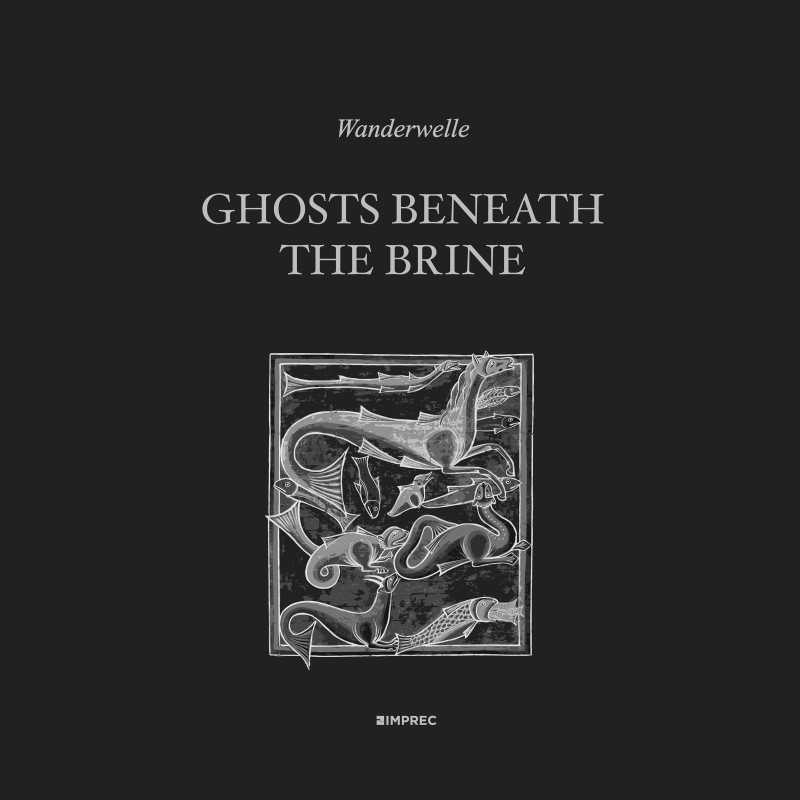
Two forces on the Danish underground scene, MEEJAH x HIRAKI, have joined forces on their release INTERWOVEN (Pelagic Records). The two bands belong to the Danish metal underground with common references such as The Body, The Armed, Chelsea Wolfe & Converge's Bloodmoon and Death Engine. HIRAKI released their debut album Stumbling Through The Walls in 2021 (Nefarious Industries]. Followed by ALTERER – Stumbling Through The Walls REWORKED in 2022. HIRAKI has toured Norway, supported The Armed in Germany and collaborated with Kh Marie. Danish-Korean MEEJAH released Queen of Spring in 2021, which was nominated for a Steppeulv, and recorded a KEXP Live Session during the Lunar New Year in 2024. Meejah has toured South Korea and supported Blonde Redhead and Jambinai. MEEJAH and HIRAKI have both played at A Colossal Weekend and have also crossed paths in the doom-rave collective John Cxnnor.

in brieflive
24.03

Albion, Now

Manchester Collective: »Series of Four #2« 
© Caroline Bittencourt

What does Britain sound like now? Like a country longing for ideals and meaning following its abandonment of any sort of common cause or experience. The catastrophe of Brexit looms large. 

At least Britain still has talent. Manchester Collective is one of the nimble ensembles that have emerged from a British artistic landscape in which old infrastructural certainties no longer rule. It is a flexible, string-based group that plays with heart, soul and extraordinary technical finesse. Its ear for detail, sense of floating lightness and good taste in composers caught the attention of the Danish String Quartet, which presented the ensemble’s exploration of contemporary Britishness as part of its Series of Four festival. 

All the composers featured see beyond thinking of innovation in terms of tonality. The wild hockets and reels of »Muttos« from Christian Mason’s Sardinian Songbook tap a typically English handling of folk material, as do Dobrinka Tabakova’s Insight and Jonathan Dove’s Out of Time. Those pieces, and Andrew Hamilton’s absurdist musical jigsaw puzzle In beautiful May, speak of loss as much as Anna Meredith’s Tuggemo shrieks a sort of plastic optimism. 

The highlights were the half-lit remembrances of Jocelyn Campbell’s 3AM and Edmund Finnis’s String Quartet No 2. Finnis’s piece extends a salient, introspective form of British minimalism. The third movement, played without vibrato, seems to express a longing to exist beyond the confines it has prescribed for itself. Very British. Just as much so was the particular charm that flowed all night from MC-founder Rakhi Singh, who with her colleagues, played everything with astonishing, tender beauty.  

in brieflive
23.03

Two Voiceless Ironists vs. the 2026 General Election

The Ensemble That Loves You: »2026 Election Special Soundwalk Public Broadcast Service Municipal Event«
© PR
© PR

James Black and Connor McLean, the two composers behind the tongue-in-cheek outfit The Ensemble That Loves You, are, as newcomers, not yet eligible to vote in Tuesday’s general election. They can, however, intervene – and that is precisely what they did on Saturday with a good old-fashioned podwalk.

Over the course of three hours, you could stop by the pair, who had set up camp on the northern bank of Sortedams Sø in Copenhagen. There, you were handed a QR code, guided to the nearest campaign poster, and left with a SoundCloud link. »Alright, see you in 16 minutes,« Black said, and suddenly I was standing in front of political scientist Thomas Rohden of the Danish Social Liberal Party, confronted with his peculiar, toothless plastic smile.

»It’s important to connect with the election, so look the candidate straight in the eyes,« a synthetic female voice instructed as I pressed play. So I did. Stood still, listened, stared. Became a kind of artwork myself, I suppose – certainly looked like an idiot. And while the voiceover sent me onward to new posters, Black and McLean worked to complete the sense of alienation with brief sonic interventions.

The voice first took on a slight echo, then locked into a groove – »vote-for-me-vote-for-me-vote-for« – before dissolving into short-circuited 8-bit electronics, a faltering barrel organ, and flickering monologues over live jazz, mimicking an absurd media reality.

Gradually, the glossy, guileless eyes of the posters came to express just how artificial the election really is. »The person you are looking at is not real,« the synthetic voice concluded – remarkably agitated for a computer. »The party will replace you with a robot.«

Alright, alright. From the voiceless, one must hear the truth – wrapped in British political sarcasm and MIDI jingles: a light – and perhaps somewhat cheap – dish, but who has the energy for more after four weeks of campaigning? On my way back to Black and McLean, I saw a woman point at a poster of 26-year-old Maria Georgi Sloth, also from list B: »She gave me a piece of chewing gum down at the station.« And just like that, the election was decided.

English translation: Andreo Michaelo Mielczarek

in brieflive
20.03

Vocal Desire Between Deadpan and Renaissance

Matias Vestergård, Johan Klint Sandberg, ÆTLA: »Sex in Concert«
© PR
© PR

Eight people sit at their own office desks. One raises an elbow to their mouth and lets out a muffled groan into it; another starts lazily slapping their forearm; a third suddenly creaks like a worn-out spring mattress. But the young singers of ÆTLA don’t crack a smile – their deadpan is the main comic ingredient in Matias Vestergård’s Apollonian sketch show SEX in Concert.

They quickly move from a whore’s chorus to a Renaissance madrigal, the transition seamless, with the humor tagging along: an Italian word that sounds like »aquamarine« becomes »ah! kvamarin«, and in this way, 400-year-old works by Gesualdo and his like-minded peers are sprinkled with Vestergård’s salon-style wit. But the movement also goes the other way: Vestergård’s newly composed pieces are tastefully ornamented with moving voices and flirt with strict church modality.

The desks are constantly rearranged, the office workers shifting from tableau to tableau, while the task of writing lyrics into a Google Doc projected on a screen rotates among the singers: Amalie Smith, Marvin Gaye, outraged anti-capitalist critique, and cheerful chat language – everything tinged with desire, but above all with ambivalence toward desire. Everything flows, including Vestergård’s compositions, which in one moment test icy echo techniques, and in the next turn up the heat with perfectly crafted barbershop.

SEX in Concert is clearly an exercise, and as director, Johan Klint Sandberg has had a field day with the office comedy. But the exercise succeeds (even if the hands stay above the covers): before you know it, an hour has passed in which Vestergård, Sandberg, and ÆTLA have slipped poetry, madrigals, and new vocal music down the throat of a young audience. It can actually be quite fun!

Christianshavns Beboerhus, March 18–22

English translation: Andreo Michaelo Mielczarek
 

© Søren Fiil Vesterbak

»Music for me can do something very special. It brings people together in shared experiences, but it can also be a very personal mental tool. Personally, I use music all the time – to create energy on a run, to create concentration for work tasks, or to find peace in stressful situations, such as in the dentist's chair. And of course to create joy and a good mood. Music is always an essential ingredient in good memories.«

Rikke Andersen has been at the helm of SPOT Festival since January 2024. With a background as a venue manager and booker at Fermaten in Herning, she has solid experience from both the creative and organizational side of the music industry. She has previously worked in the record industry, been deeply involved in marketing and communication, and has had a hand in several cultural projects.