Rune Glerup
15









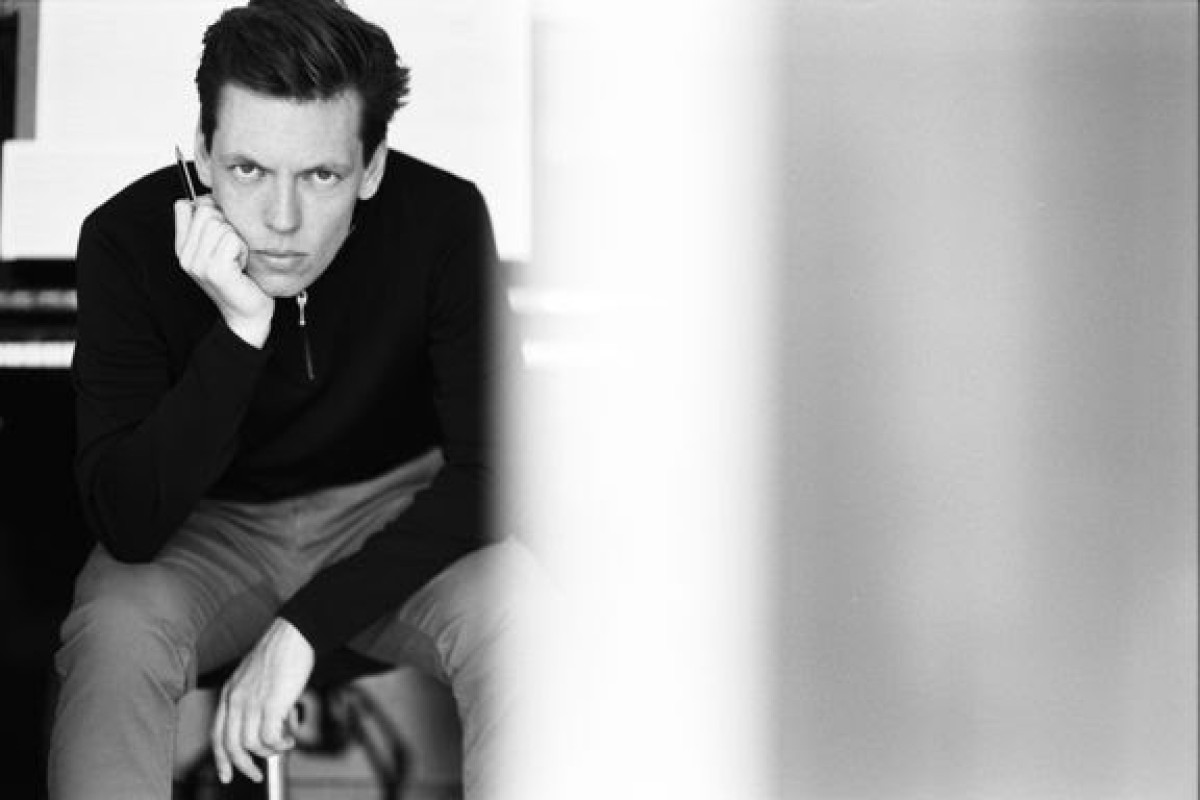
A string quartet consists of four players, and a clarinet quintet five, though the Danish composer Rune Glerup (b. 1981)’s newly recorded works for both ensembles would have you believe their ranks are vastly undercounted. The recipient of last year’s Nordic Council Music Prize for his violin concerto Om lys og lethed (About Light and Lightness), Glerup writes pieces for chamber and orchestra that are often characterized by their multidimensionality: a sonic idea will persistently recur in altered guises, for a sense that one is feeling around different facets of a physical form. Yet the two works on Perhaps Thus the End – brought to life by the impeccable Quatour Diotima and clarinetist Jonas Frølund – are just as potent a demonstration of expansive interiority as they are of surface area.
In the titular string quartet, whose seven movements are named for lines from Beckett’s late prose work Stirrings Still, long tones and galloping motives are seamlessly shuffled amongst the ensemble, generating such a sonority that the group seems to have doubled in size. The language is sometimes mechanical but never automatic, bending rather into balletic shapes. Glerup is a careful manager of texture, finding grace in unintuitive sounds through skillful layering – to speak merely of how, in a later movement, a harmonic pizzicato punctuates the string equivalent of vocal fry before the group pivots suddenly into stillness.
On the unexpectedly addictive »Still Leaning Towards this Machine«, which is surely among the few times a contemporary clarinet quintet has received that distinction, electronics magnify the ensemble through a subtle stuttering resonance. As a result, across three spunky movements, the group is occasionally transmuted into a sort of paranormal accordion. It’s a wonderfully weird effect that, just as weirdly, the score seems to deliver with a straight face – just one more satisfying surprise among many others on this excellent record.
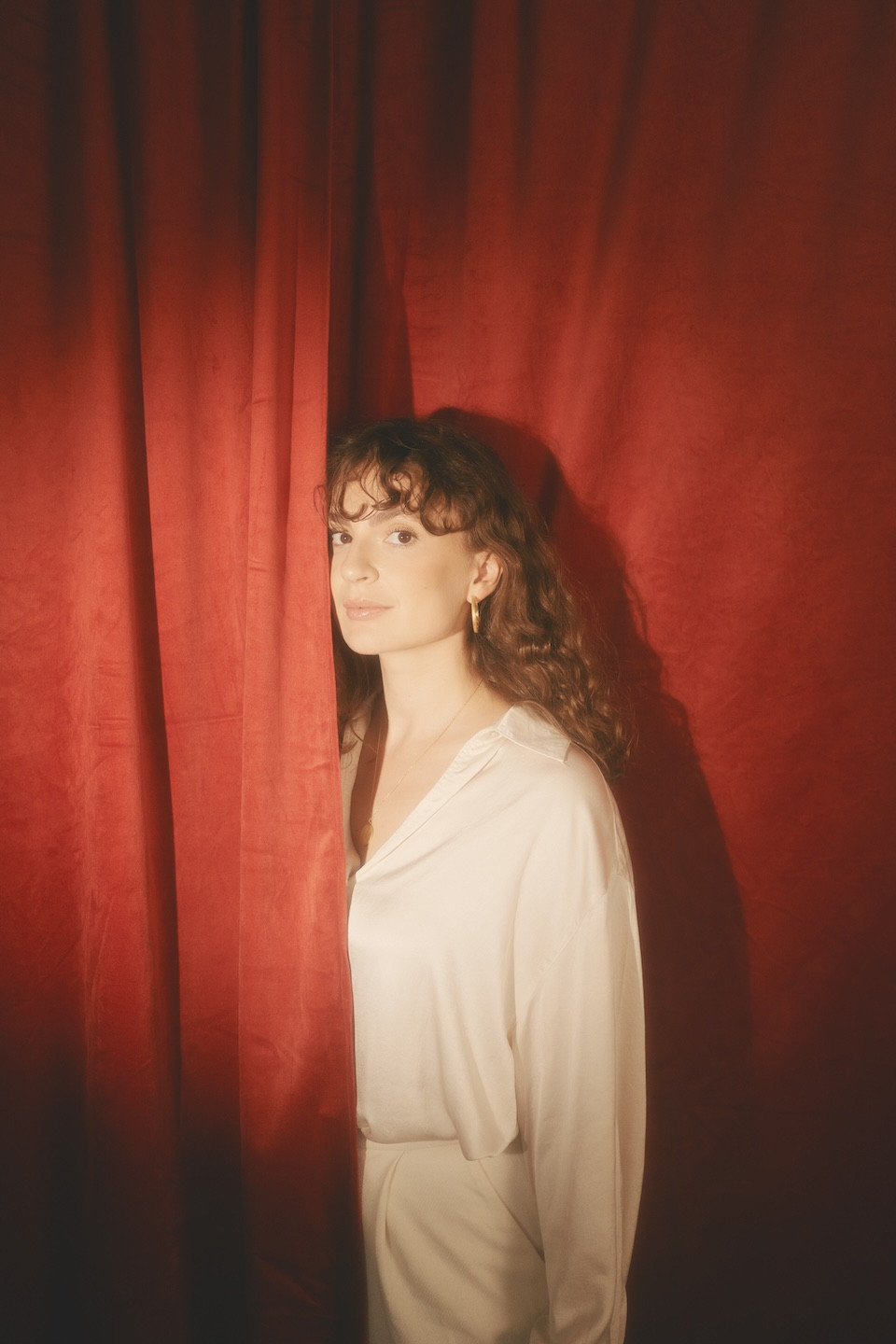
»For me, music is a journey through time; one song can send you back to a childhood summer, a packed dance floor, a breakup – or a sense of hope you thought you had given up.«
Danish-Corsican Malu Pierini has created her own musical universe somewhere between Copenhagen, Corsica and 1960s Paris. Here, Nordic soul/pop and French chanson meet as she draws threads to her family’s roots in the Parisian cabaret scene, the raw beauty of the Mediterranean and stories that bridge the gap between past and present. Pierini has just released her debut album Libera Me – a cinematic and personal journey into family history and an examination of what we carry with us from those who came before us. The album unites French 60s sounds, bossa references, Corsican folk tunes and indie pop in a story of love, heritage and identity.
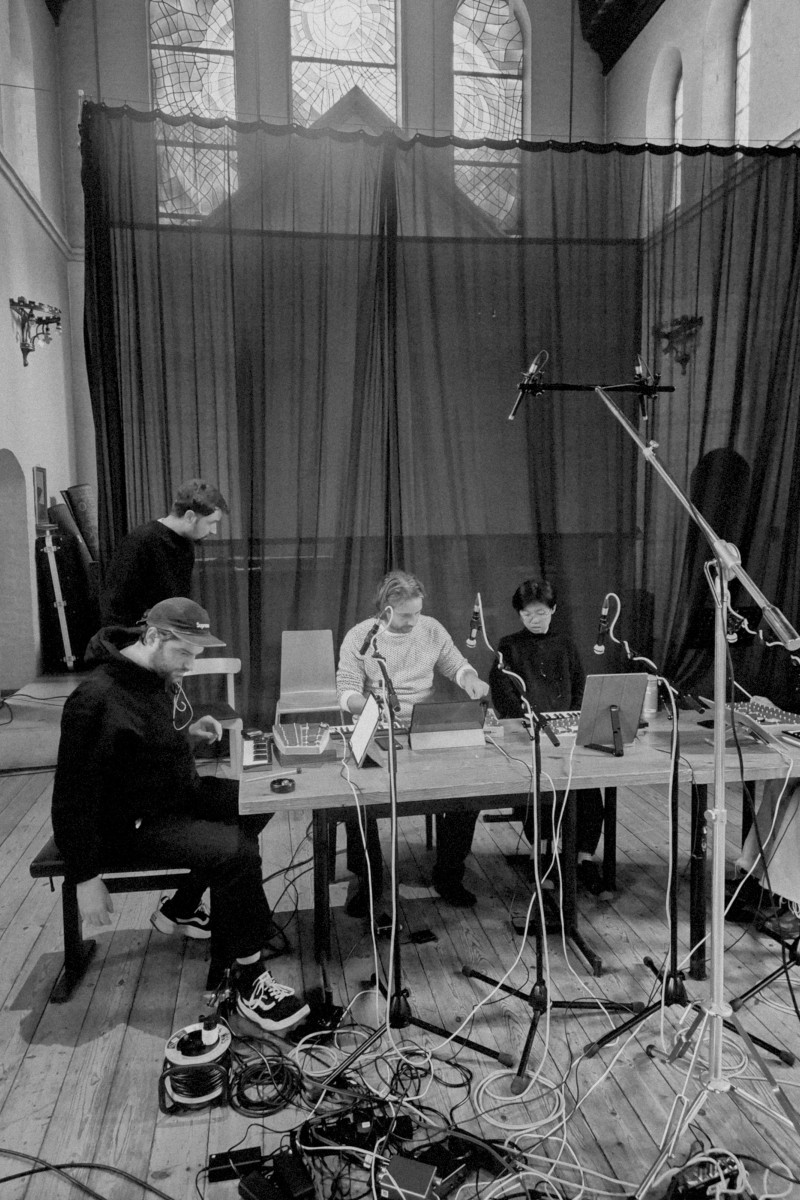
As this review was being written, a snowstorm swept across Denmark, and even Østerbro was submerged in beautiful white snow. This turned out to be a remarkably fitting backdrop for the Danish composer Mads Emil Dreyer’s latest compositions, which are marked by melancholic, childlike phrases of glockenspiel and distant synths. The minimalist works are performed by the ensembles Scenatet, EKKI MINNA, and Athelas Sinfonietta, all of whom share a commitment to contemporary music, uncompromising experimentation, and a playful approach to acoustics and perspectives – qualities that are clearly audible in the works themselves.
Echoes of metallic sound surfaces blend with occasional floating pads, often tipping from the beautiful into the unsettling. The first half of the album is shaped by slightly brighter and more playful melodies, with »Miniature I–II« and »I–III« in particular delivering beautiful themes that frequently strike straight to the heart. A brief intermezzo opens the album’s second half, where abrasive keys and pads are introduced, and the ringing glockenspiels hover above the listener like eerie shadows or frightening ghosts.
The suites are short, simple, and effective, yet at the same time deeply atmospheric. In a short space of time, Miniatures has become a favored sonic space for this reviewer when there is a need to retreat into the chambers of the mind, where the blend of glockenspiel and principles of chance appears like small, glistening snowflakes in a long and brutal snowstorm.
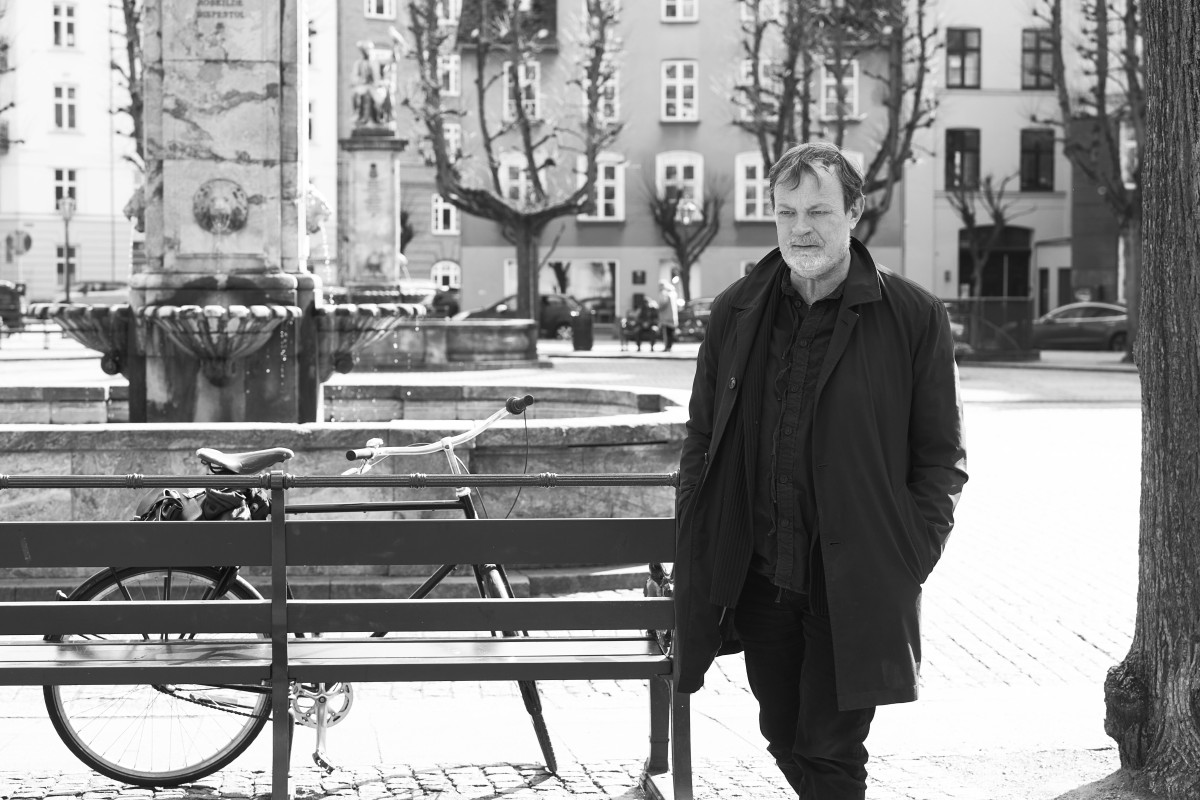
Why is it that one can always recognize a lullaby? This musical archetype, circular and hushed, sung into us with mother’s milk. Composer Bent Sørensen’s solo piano cycle 12 Nocturnes is a tribute to the night’s musical cultural heritage. The nocturne – a nocturnal, lyrical composition – merges with, among other forms, lullabies and cantatas in a poetic narrative from sunset to sunrise about what is close at hand and yet unfathomable: that the sun rises, that children are born, that stars can be glimpsed through small windows on earth, that the piano can create worlds with twelve tones.
Bent Sørensen wrote the twelve short nocturnes between 2000 and 2014 for pianist (and wife) Katrine Gislinge. They have previously been released digitally. Now they appear as a studio recording paired with Piano Concerto No. 3, La sera estatica. The premiere of this “ecstatic evening” stands in contrast to the nocturnes’ simple, balanced forms. With a dramatic opening, multiple orchestral groups, and crackling storminess in the soundscapes, the dreamy nocturnal universe is ruptured by a surging ardor that unfolds in two parts, where purer melodic lines gradually take over the second – complete with a distinct (night?) bell.
Yet the piano concerto’s sovereign quality does not quite come into its own when presented as a postscript to the nocturnes’ rounded narrative. The two elements work best separately, so that the ecstatic evening for full orchestra does not puncture the magic of stars scattered blinking across the piano’s staccato attacks, or Sigrid’s nocturnal dances and lullabies. There is ample drama in the beautifully conveyed single night – for even the child Sigrid will one day no longer be sung to sleep.
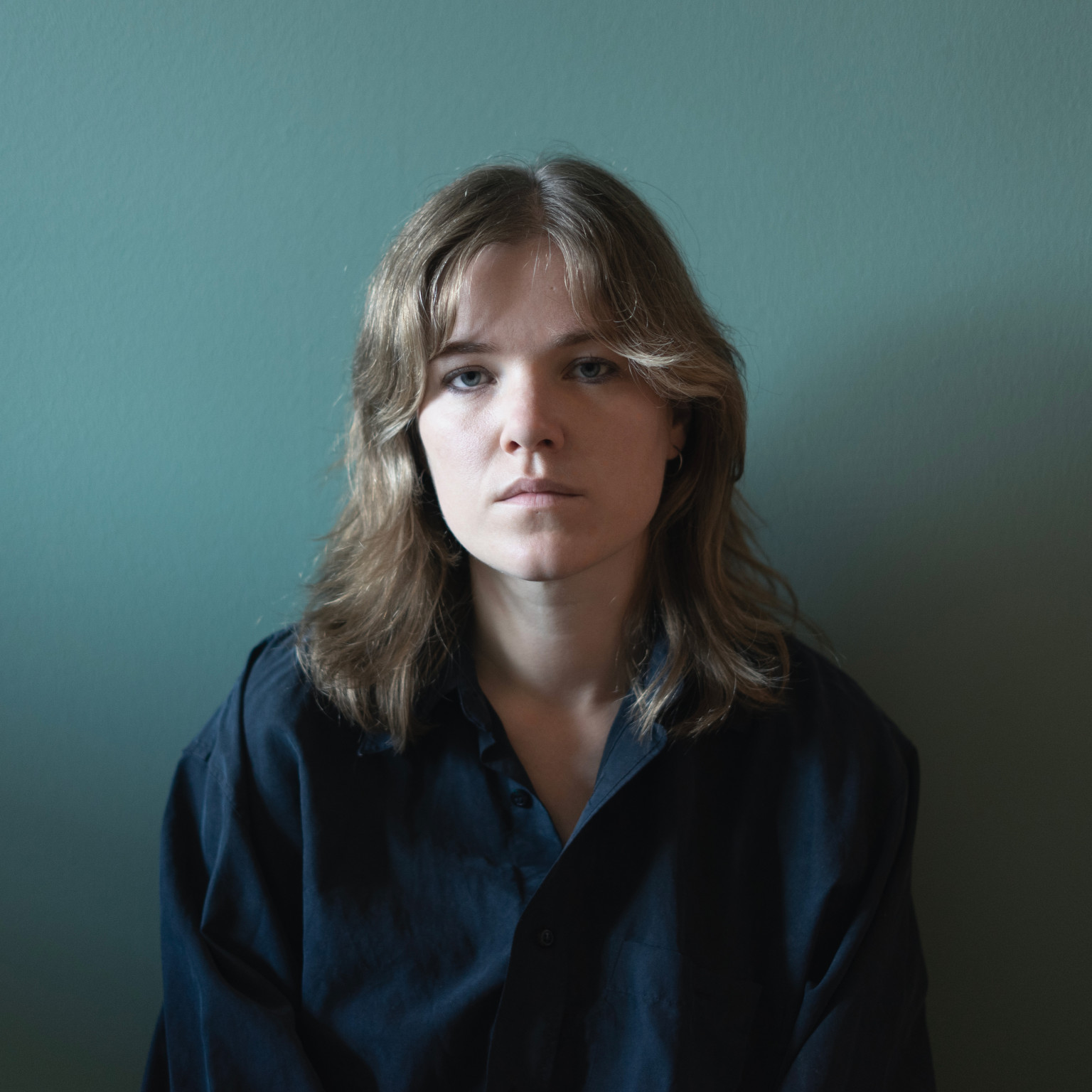
»For me, music is a rush in the chest – a way of understanding and expressing emotions.«
Cecilie Penney (b. 1990, Denmark) will be presenting the exhibition Rest and Routine – Duet for Sanatorium and Modern Hospital at Nikolaj Kunsthal from February. She is a visual artist and electronic composer working across sound, installation, video, and text. Her practice explores how infrastructure and cultural norms shape human behaviour, and how emotions and empathy unfold within structural, linguistic, and technological systems.
In recent years, Penney has focused in particular on the Scandinavian healthcare system and on how patients navigate institutions that can be difficult to access and understand. Through a conceptual approach, she examines how patients are often expected to conform to rigid frameworks that fail to accommodate individual needs. By creating imagined or alternative worlds, Penney explores new possibilities for healing and transformation within bureaucratic systems, while inviting reflection on how systemic change might emerge from emotional insight and collective rethinking.
Penney holds an MFA from the Royal Danish Academy of Fine Arts in Copenhagen and a BFA in Fine Art Photography from HDK-Valand in Gothenburg.
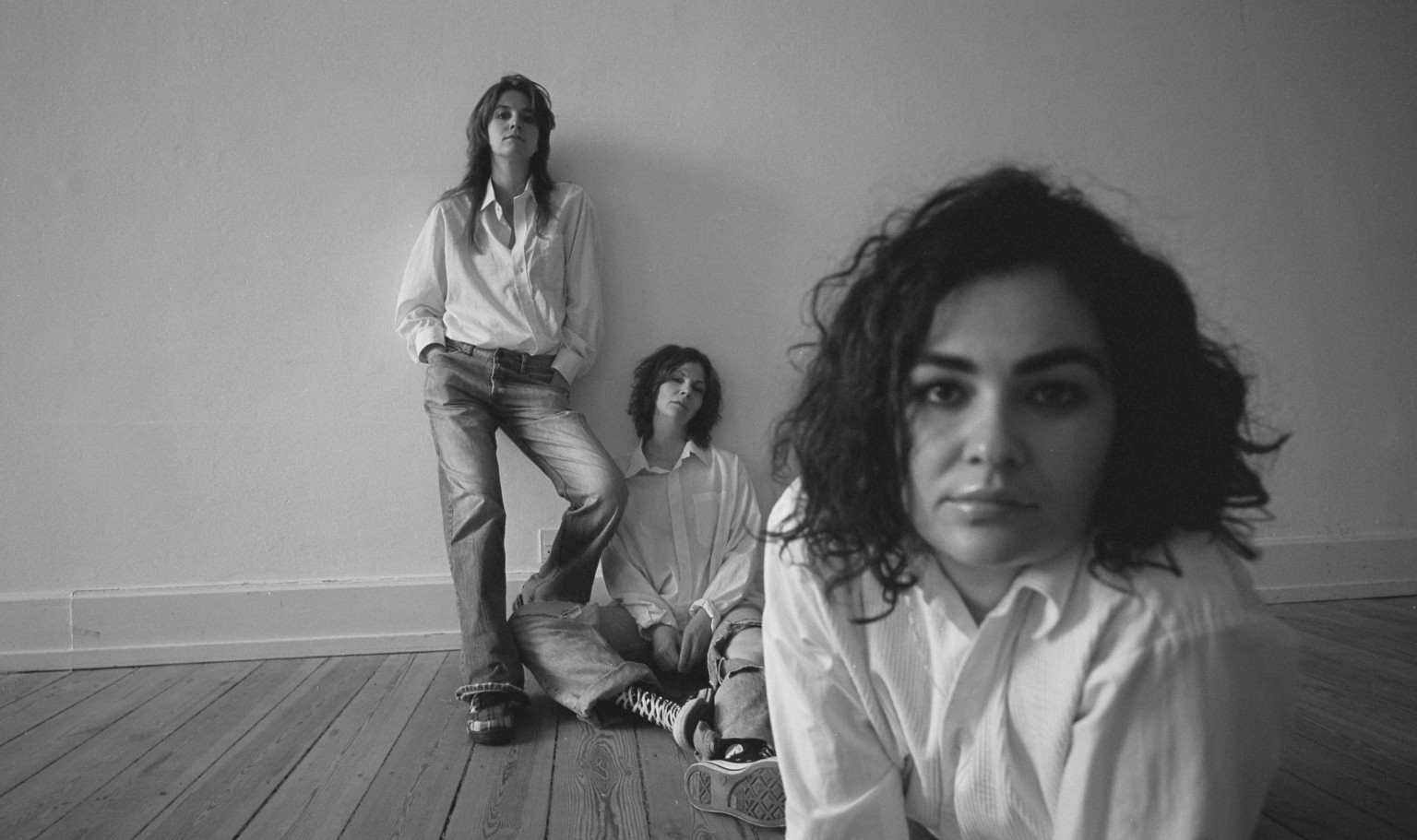
»As Bertolt Brecht once wrote: 'In dark times, will there also be singing? Yes · there will be singing, about the dark times'.«
SLIM0 is a Copenhagen based doom/grunge/punk trio consisting of Mija Milovic (guitar), Lena Milovic (guitar) and Simin Stine Ramezanali (drums). The vocals of all three members can be heard throughout, the voice being a central element to the band's practice. SLIM0 uses minimal, albeit feisty arrangements to convey a strong sense of ominousness. Through crashed cymbals, distorted guitars and voices in unison, they present a full body of work hailing from personal takes on classic punk/rock tropes with SLIM0 as the omniscient narrator. Their debut album FORGIVENESS was released in October 2024 via 15 love.