
in briefrelease
26.04

Let's Sing About the Cycle

Adrianna Kubica-Cypek, ÆTLA & Barbara Agertoft: »Månen«
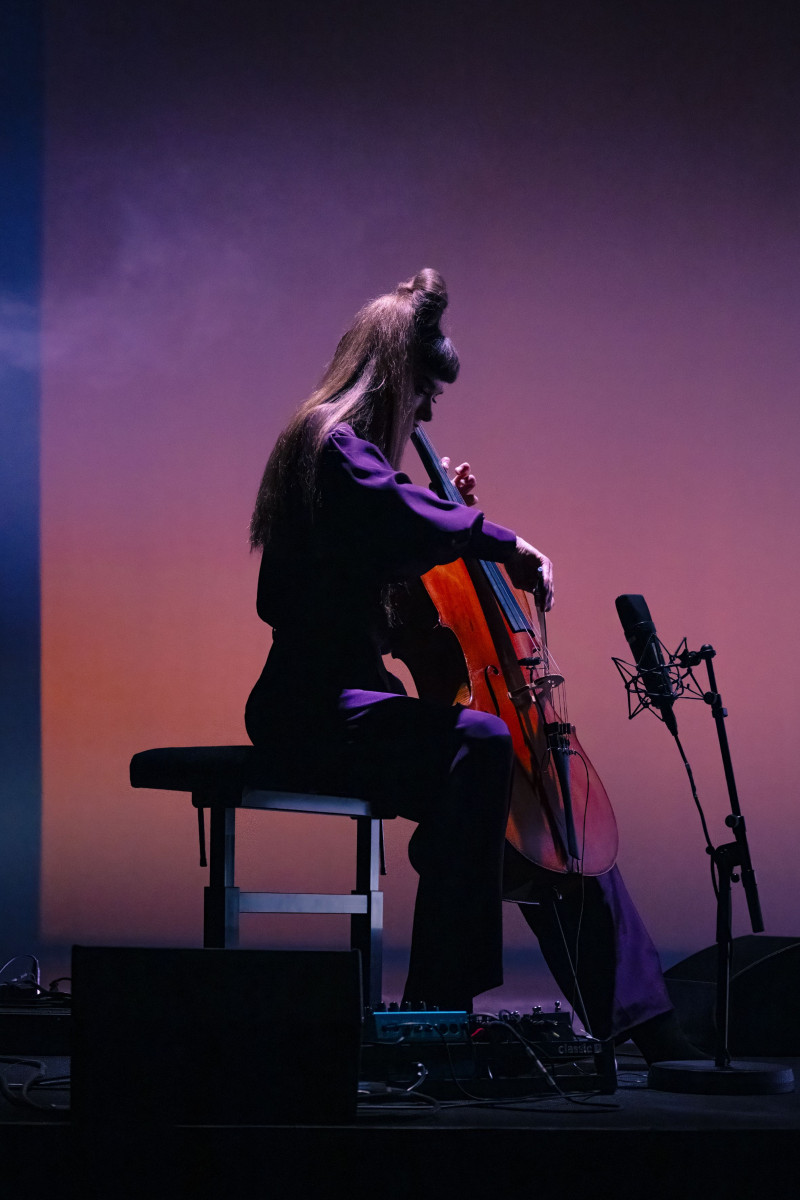
© Saba Lykke Oehlenschlæger

The moon is a fundamental poetic motif. Its cycle pulls at both the tides and at us – within bodies and fluids alike. Composer Adrianna Kubica-Cypek and the vocal ensemble ÆTLA interpret this motif from Barbara Agertoft’s poem »Månen«. The composition is divided into »Månen« I, II, III and IV. It is a successful EP with a clear sense of purpose: the strong textual foundation establishes a distinct compositional direction without digressions, yet musically it cannot stand on its own.

The moon’s power to connect the inner and the outer emerges strongly in Agertoft’s poem: »and we stretched ourselves out, the inner in the outer all that we / bled into.« How better to convey this fundamental mood than through a vocal ensemble – individual bodies that bleed into an external, shared sound? Kubica-Cypek’s interpretation is dynamic, full of contrast and undulating, like flood and ebb. It begins with a piercing timbre of female voices, unfolding into crossing glissandi supported by deep, monotonously chanting male voices. At times, the sounds converge into harmonic chords; more often, the voices move in diverging directions in both volume and pitch, or insist on remaining in dissonance and repetition.

»Månen IV« concludes as an inversion of the sharp opening of »Månen I«, with subdued and dark sonorities that feel partially unresolved – as if the work is meant to be heard again from the beginning. In its form, the choral arrangement is cyclical, bringing out something understated in Agertoft’s poem. It demonstrates the quality of mutual interpretation: the art forms add something to one another.

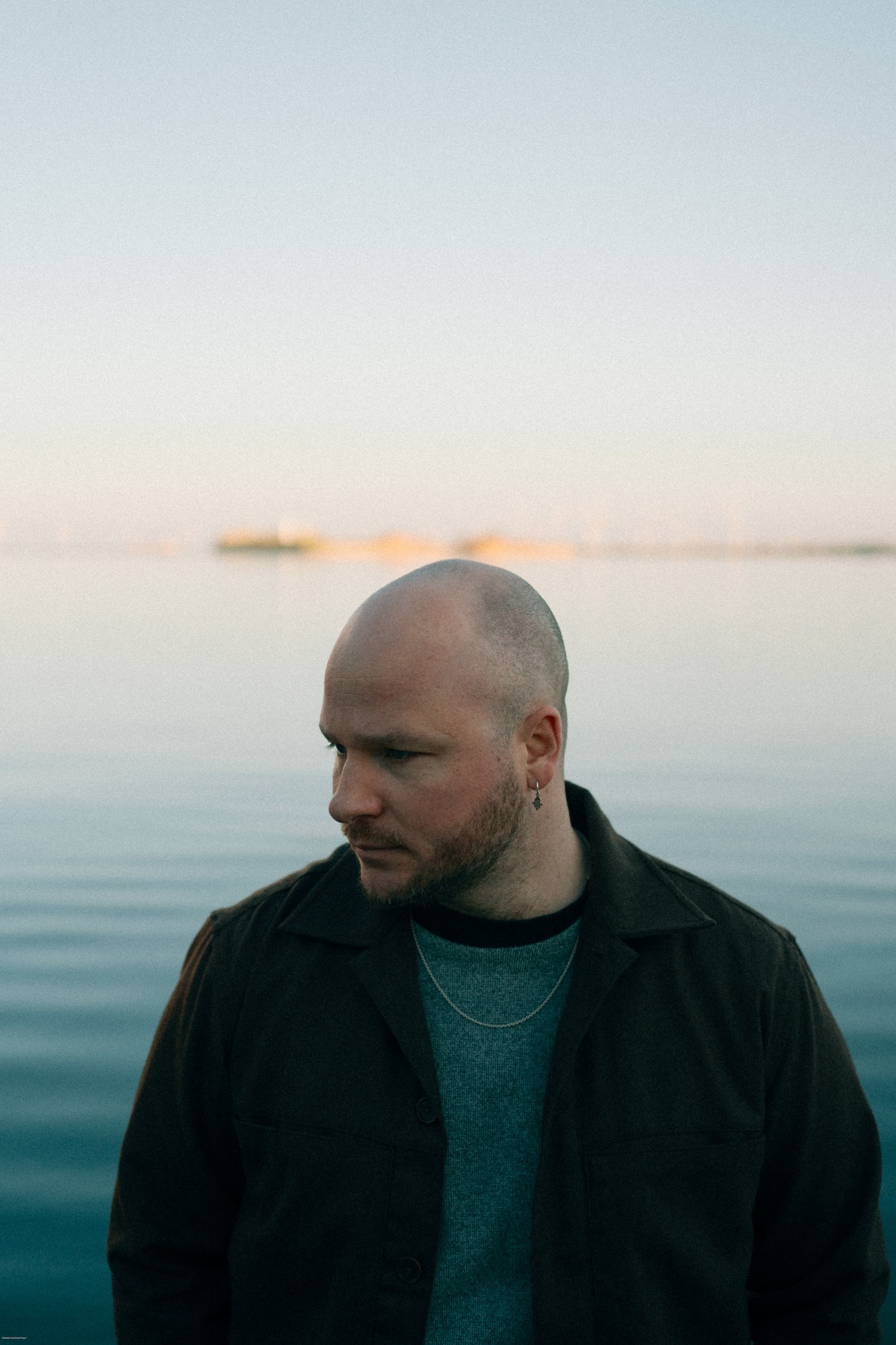
© Malthe Folke Ivarsson

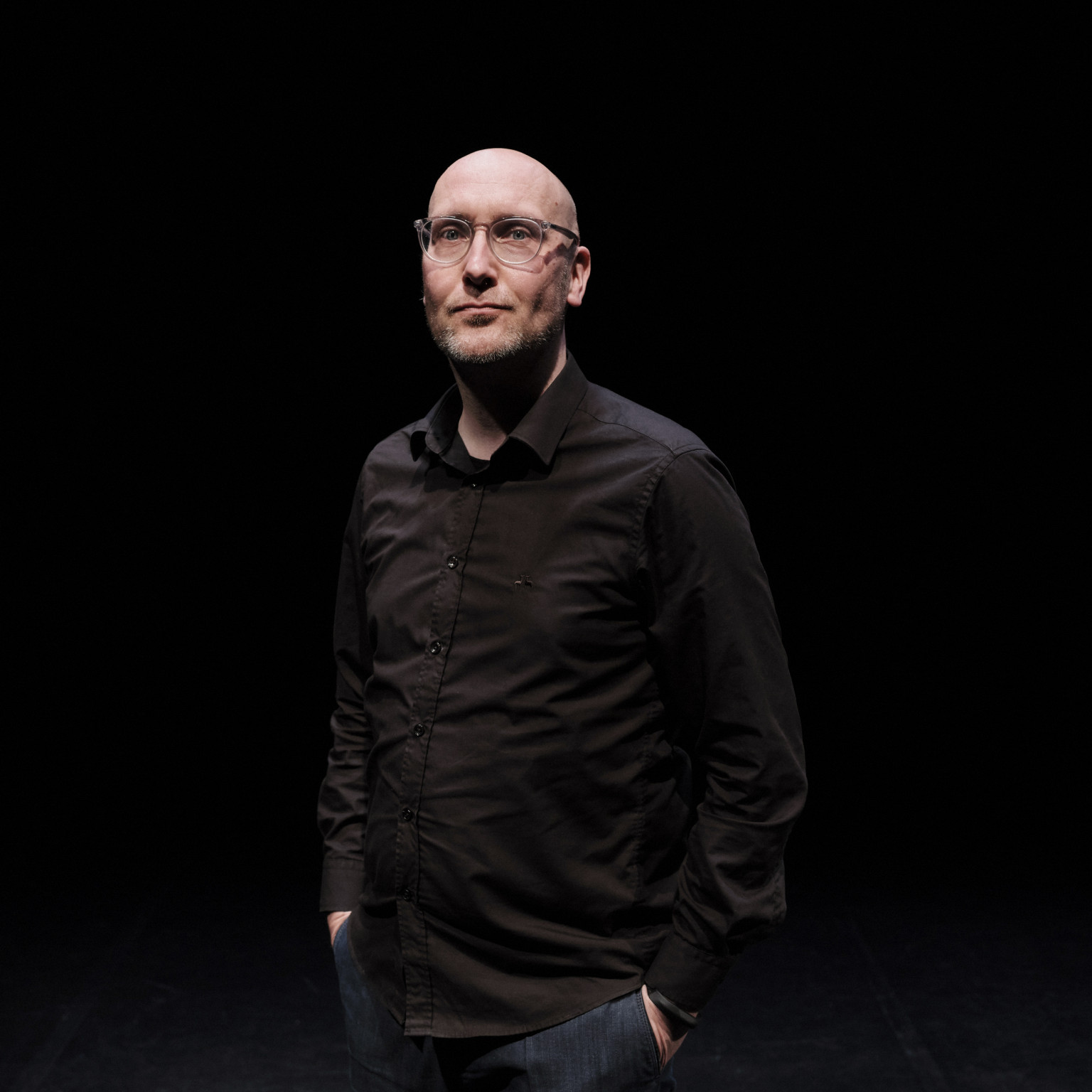
»In his music, composer Allan Gravgaard Madsen tries to create a better version of himself.« 

Allan Gravgaard Madsen is a Danish composer based in Copenhagen. His most recent works include Träume nicht and Nachtmusik. He tries to create a better version of himself in his music – where his personality tends to be restless, chatty and has an active inner life, his music is controlled, simple and merciless in its expression. He is the recipient of the Carl Nielsen & Anne Marie Carl-Nielsens Hæderspris 2022.

in briefrelease
23.01.2022

Finnish Space Travel

Tomutonttu: »Hoshi«
© Tomutonttu: »Hoshi«

The Finnish multimedia artist Jan Anderzén has, with the album Hoshi, released under the solo moniker Tomutonttu, created a true little star. Not only because »hoshi« literally means »star« in Japanese, but above all due to the music itself. There is something cosmic, yet infinitely minute, about the sonic worlds Anderzén conjures—like a galaxy reflected in a puddle, or a space journey in a rocket carved from a hollow tree trunk. Synths emit busy, warm blips and bloops, while ultra-short vocal and instrumental samples create a recognizable blur. At once artificial and organic – soft, rounded, jagged, crackling.

Anderzén approaches sound with a playfulness I simply adore. His music is strange in an incredibly comforting way. It places me in a kind of colorful, trance-like state, only interrupted when, several times over the course of the album, I find myself smiling in delight at a particularly great sound. The synths on »Katse osuu sähköön!« The choral samples on »Kesä oli äkkiä ohi!« Milo Linnovaara’s flute on »Malta lausua ‘AH’!« And many more. Hoshi is an album packed with microscopic moments that together form a frayed, exploding, radiant, idiosyncratic whole—a stellar moment of just under 38 minutes.