
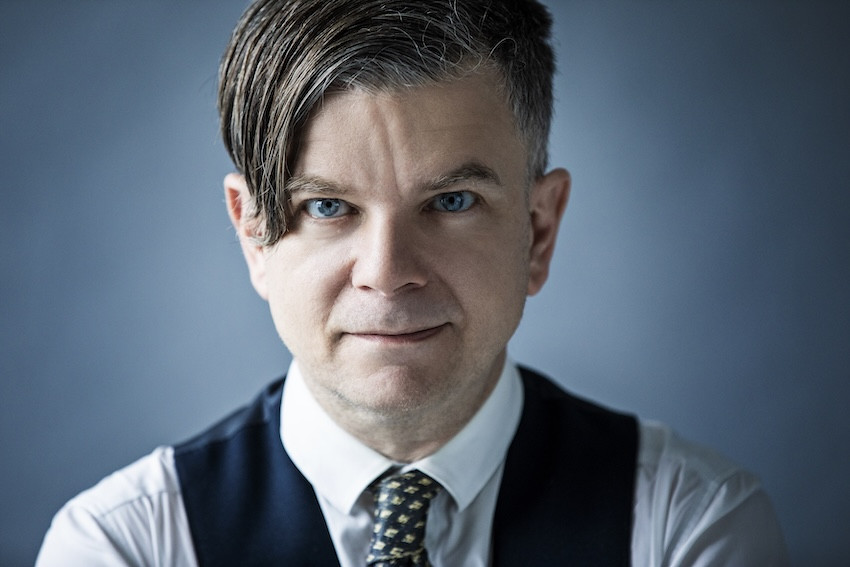
»Who ever said that music is ‘just’ music? To me, it is anything but that: an urge to understand and explain it all. A piece of jewelry I wear every single day. A joy that can, at times, run deep. An ever-changing imprint of millions of stitches in my heart. A longing to disappear.«
Henrik Marstal is a musician, author, and music researcher. He holds a PhD in musicology, is a senior lecturer at the Rhythmic Music Conservatory, and frequently appears in the media as an expert source on music. His areas of interest include contemporary music, such as electronic music. This winter, he will release both a new album with the pop group ibens and a book about Else Marie Pade, published by the British publishing house Bloomsbury.
A Microphone In the Nervous System
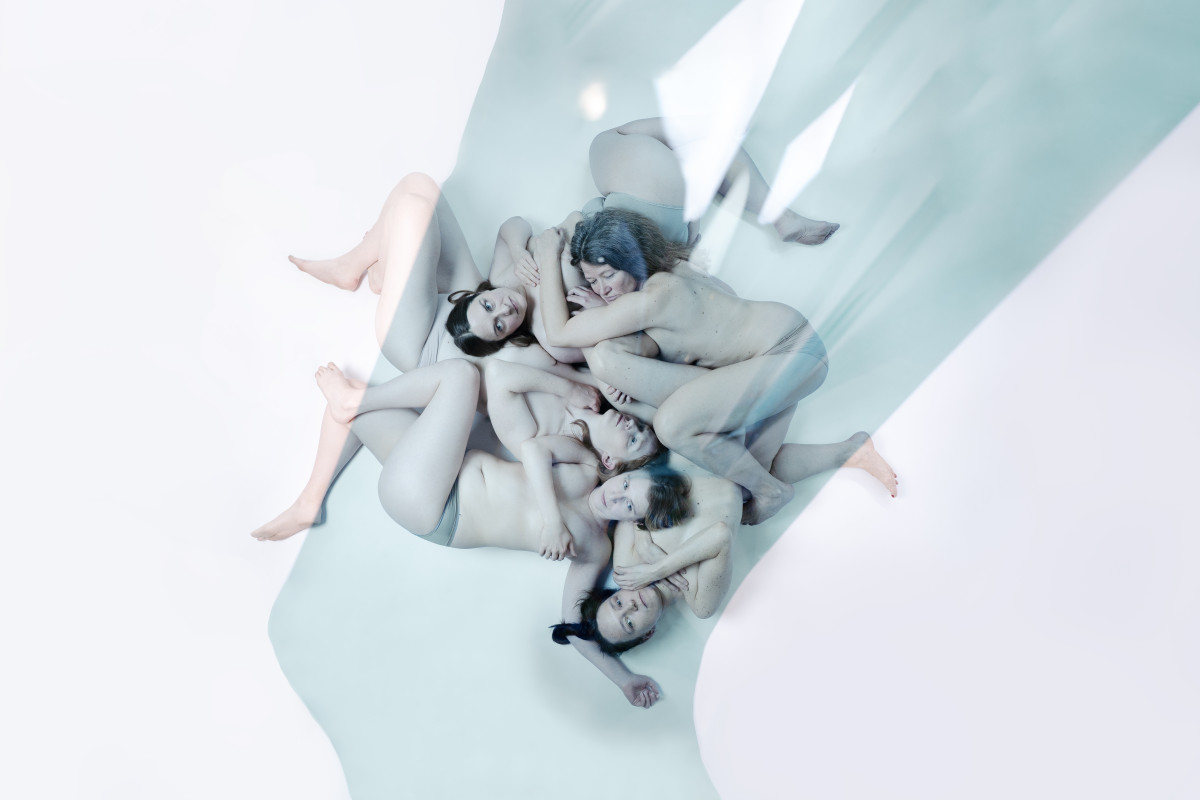
It sounds as if someone has placed a microphone directly inside the nervous system’s electrical impulses. The Nordic electroacoustic vocal ensemble IKI explores the boundaries between body and technology on their fifth, self-produced album BODY, where the five singers’ bodies merge into one large, organic rhythm box.
The tracks change form as the body breathes, dances, awakens, runs, wanders – in the imperative mood. The harmonically unison ripple of »Float« is countered by flickering modem-like sounds in »Regenerate«. Everything is framed by the recurring theme »Circuit«, which ultimately gathers the fragments into a single linguistic statement: »Are you gone when your body is not breathing?«
BODY demands concentration. IKI claims that all sounds on the album are created with the voice – a counterpoint to the electrically manipulated, a kind of reversed version of synthesizer sounds that imitate the human voice. It’s an incomprehensible mystery one keeps listening for: how can the voice produce the accordion-like sound on »Breath«, panned all the way to the left and slowly taking over the entire soundscape? Of course, it can’t do so on its own. The recording itself is an electronic mediation. The technological tools act as a microscope for vocal expression. It’s powerful because it asks about the transitions between human and machine, between life and afterlife. Yet the premise holds a paradox that never fully resolves.
English translation: Andreo Michaelo Mielczarek
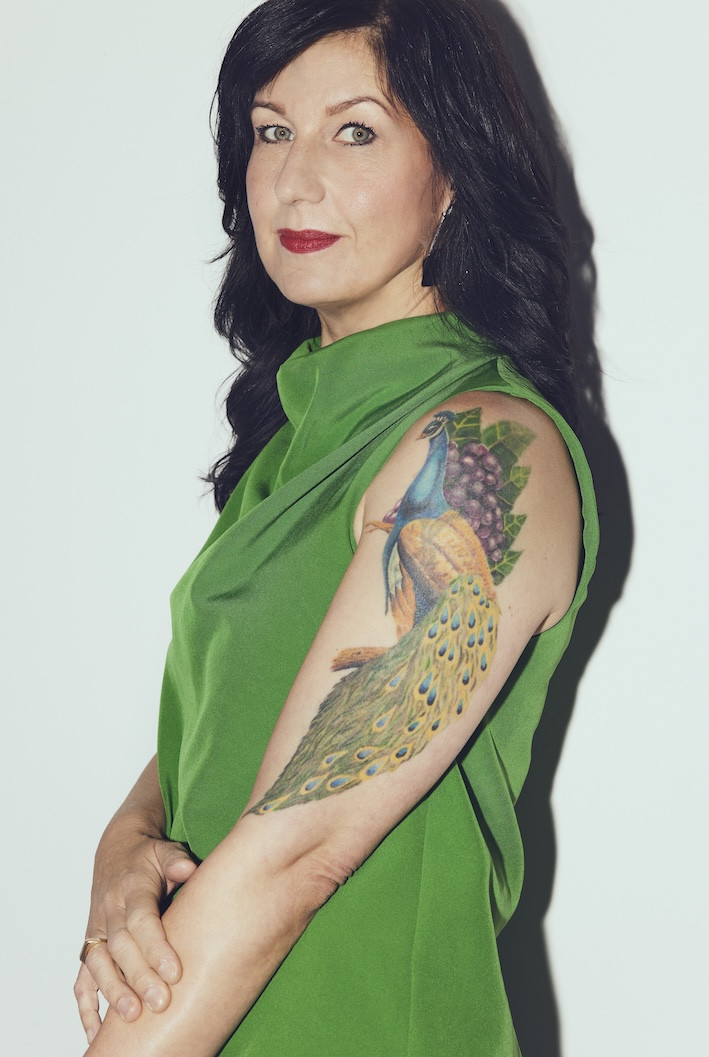
»For me, music is at its best when it appeals to both the head and the heart. I love music that plays with language and understands how words create images, while also possessing its own unique sonic quality and mood. It’s an added bonus if the music energizes me during a run, makes me dance in the kitchen, or makes me laugh. Or cry. Music can be like a chocolate-coated marshmallow treat with a surprise inside.«
Lone Hørslev is an author of poetry, novels, and song lyrics, as well as the TV series Den gode stemning. Together with Mads Mouritz, she forms one half of the Mouritz/Hørslev Project, and she recently wrote lyrics for the musical theatre production STOLT in collaboration with Katrine Muff. The songs can be found on the album Jeg ønsker mig.