in brief
23.04.2021

Lydfar, se denne film!

CPH:DOX: »Sisters with Transistors«
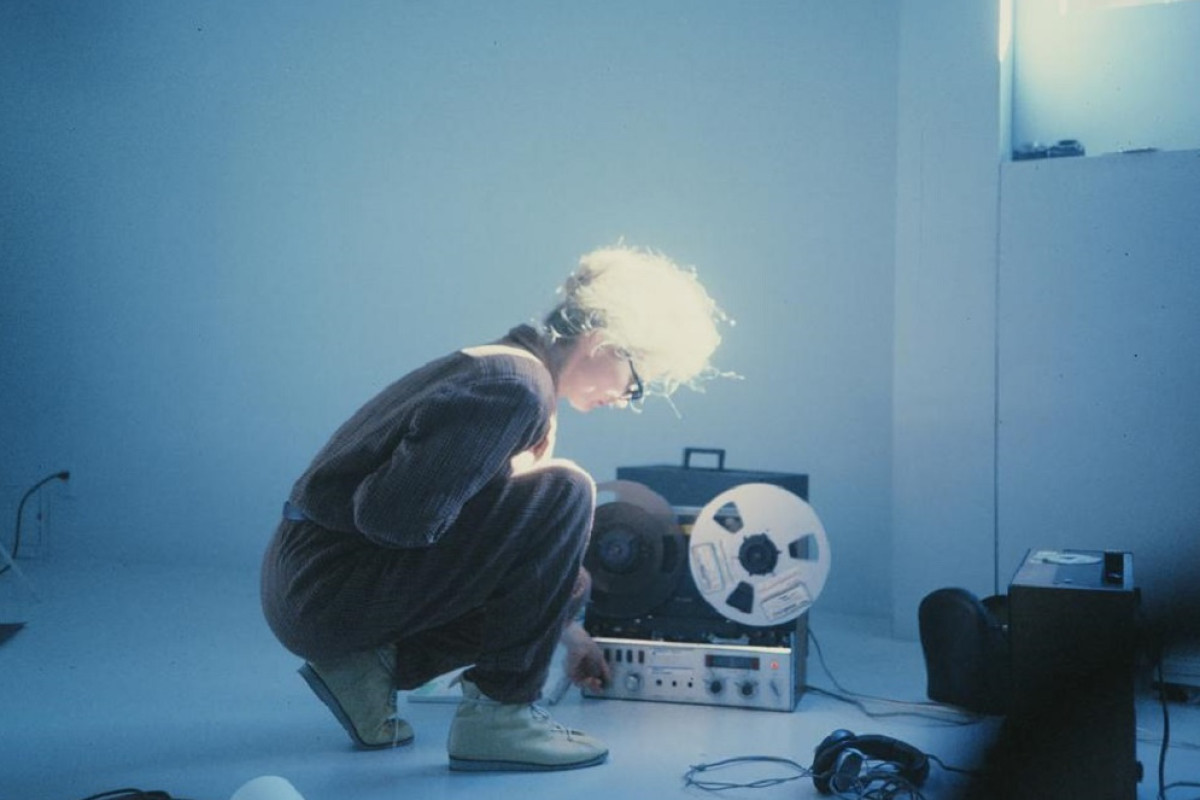
Maryanne Amacher i »Sisters with Transistors«. © Anna Lena Films

Mellem støjen og musikken er musikerens hånd, citerer Jean-Michel Jarre Pierre Schaeffer i Lisa Rovners dokumentarfilm. Og den hånd har sjældent været kvinders. Wrong! Via sjældne fotografier og optagelser – bundet sammen af Laurie Andersons speak – fortælles en fascinerende historie om kvinder, der hørte radikale lyde i deres hoveder, indfangede lyden af en elektrificeret verden og så teknologien som en befrier.

Disse kvindelige komponister mærkede the sweet mystery of noise, lyden af fremtiden og ville skabe dialoger med elektroniske lyde. Kærlighed til Tolana-båndoptagere og en ARP 2500-synth kender ikke til køn. Kig bare på thereminmesteren Clara Rockmore og Maryanne Amacher, som ville spille med lytterens fysikalitet og fik sit ramponerede hus, stoppet med maskiner fra et fysiklab, til at vibrere. Eller Laurie Spiegel, der med sit projekt »Music Mouse« omdannede den menneskevenlige Macintosh fra 1984 til et rungende, pulserende musikinstrument. Og alle de andre elektroniske søstre, som ikke ville trækkes rundt af døde, hvide mænds næser, men aktivere nye indsigter og tænke uden for kompositioner, som vi kender dem. Bum. 

Samtidige kunstnere som Holly Herndon og Ramona Gonzalez (Nite Jewel) kommenterer bedrifterne. I dag siger én af de elektroniske pionerer, at de ikke revolutionerede, men blot ønskede at sætte musikken i kontakt med sig selv. Ja, men de så moderne magi i computerne – der i starten tilhørte bankerne, militæret, forsikringsselskaberne – og var med til at gøre magien til en kunstform. Og selvfølgelig har Pauline Oliveros ret: Hvordan du lytter, har betydning for, hvordan du udvikler en kultur. Look and learn – og lyt, lyt igen, Lydfar.

in briefrelease
16.08

The Symphonic Statement of the Year

Søs Gunver Ryberg: »Coexistence«
© PR
© PR

My experience of Coexistence, Søs Gunver Ryberg’s ten-minute work for orchestra and electronics, unfolds in two stages.

At first, I am stunned. By the natural ease with which she handles the symphonic material, turning the orchestra into a potent hybrid of acoustics and synthesis. Such bite in the sound, such a sandstorm of granular texture churning on behind the instruments.

Here, I think enthusiastically, the sonic potential of the twenty-first-century orchestra is realised. But then doubt sets in during the second stage. For does something essentially similar happen here as in Swedish composer Jesper Nordin’s hour-long Emerging from Currents and Waves (2018): a technological quantum leap in symphonic sound that nevertheless freezes compositionally into a stop-and-go between thunder and silence?

The supply of drama in Coexistence is almost vulgar: unstable Icelandic dark drones, harsh brass blasts, trembling strings, thunderous timpani, abrupt brakes like those in Hollywood action trailers – and much more besides. It is a heavenly chaos. The contrast: muted alarms of bowed metal, collected noise and extended tones, like a fragile iron framework still shuddering after the storm.

The two temperaments alternate, and it sounds phenomenal under Dalia Stasevska’s direction of the BBC Symphony Orchestra. The work’s core is catastrophe – collapse and aftermath – and seen in that light, the black-and-white extremes make sense. The music is brutal, relentless. But could it have been more: more in colour, beyond the duel? Perhaps. Judge for yourself – Coexistence is without doubt the most striking symphonic statement of the year.

in briefrelease
11.08

Voices From a Bygone Era

Sofie Birch & Antonina Nowacka: »Hiraeth«
© PR
© PR

While Sofie Birch and Antonina Nowacka’s joint debut album Languoria, with its synth-laden sound, felt like a dream of another world, their second album comes across more as a window into a bygone time. The electronic elements have stepped into the background in favour of acoustic timbres from sitar, guitar and harp, lending the music a warmer, more grounded character. A fine example is the title track, where a gently trickling stream forms a backdrop for a relaxed dialogue between sitar, guitar and voices that shift between singing and humming. There’s a clear connection to the simple melodies of folk music and those little fragments one might find oneself humming in the kitchen while the kettle boils. It is precisely this personal and inviting tone that makes the composition so effective. The track »Nøkken« likewise testifies to the strength of Birch and Nowacka’s songwriting. With its sparse instrumentation, gentle melody and carefully balanced reverb, the piece brings out the best in their voices and appears almost weightless – transparent and ephemeral.

Together, the Danish-Polish duo create music for those who dream of another time and place – not because they necessarily wish to escape their present reality, but because the quiet moments of daydreaming are full of calm, comfort and enchantment. At times, however, the sense of security takes over slightly, and one misses something to challenge the stillness – like the more prominent synths did on their debut. But for those in the mood for unpretentious beauty and quiet reverie, Hiraeth remains a strong release from two continually compelling voices in the ambient genre.

English translation: Andreo Michaelo Mielczarek

»Music is the infinite sound of humanity, in all of its manifestations. It is the essence of who we are, what we fear and what we hope for. Nobody owns music, and yet it is absolutely who you are, the very DNA of your soul.«

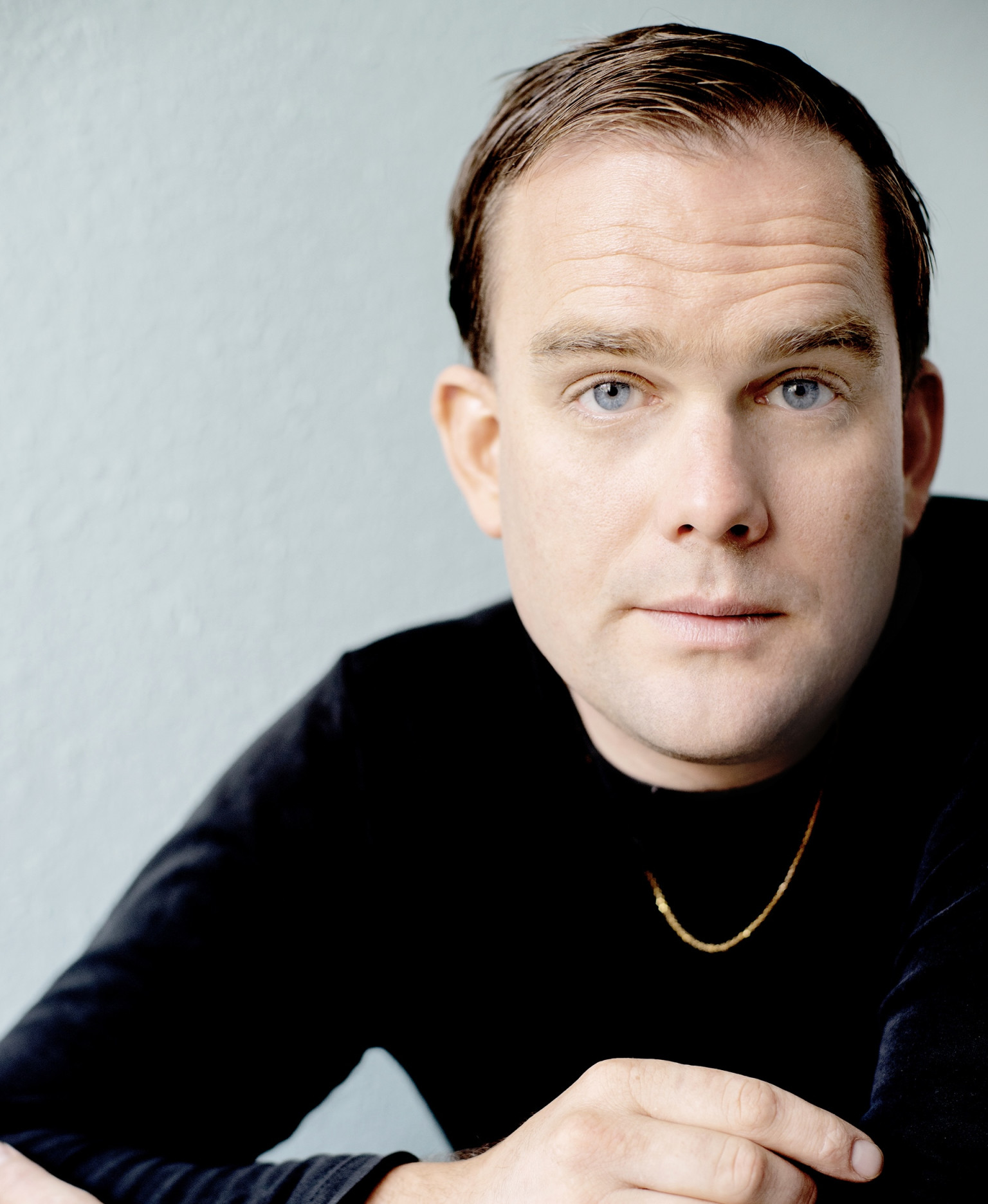
Seb Doubinsky is a bilingual French dystopian fiction author and academic. His »city-states cycle« has put him on the map of notable authors of the genre. He has been long-listed for an Arthur C Clarke award, won the Foreword Reviews bronze award for Missing Signal and his latest novel is short-listed for the 2025 Foreword Reviews award. He lives in Aarhus, Denmark, where he teaches French history, literature and culture at the university.

© Mateusz Szota

»For me, music is a particular engine for diversity, identity, individuality, and community. Music has an immediate ability both to create and strengthen safe spaces and to expand and tear apart the boundaries of existence.«

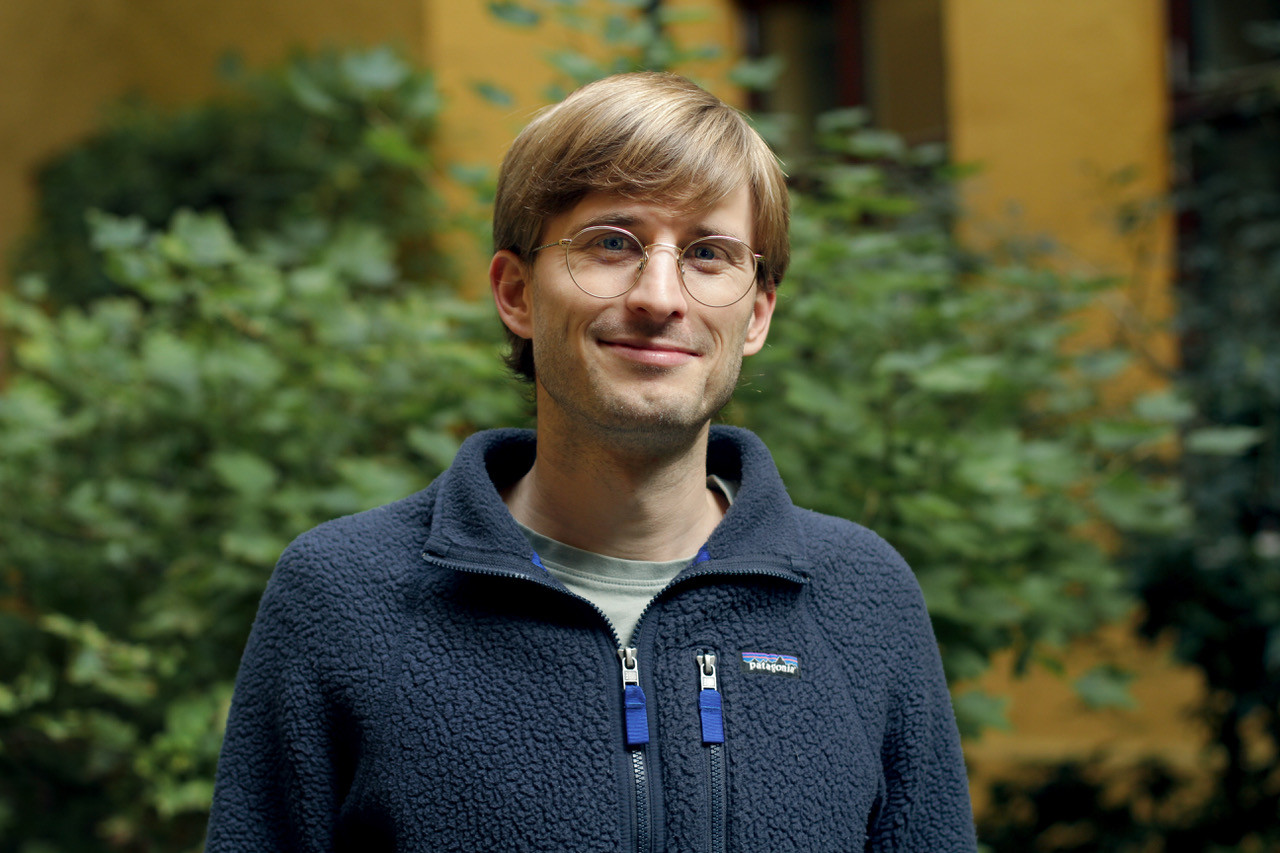
Artist, curator, and educator Jacob Eriksen works between Struer and Berlin. He is head of Sound Art Lab, festival director of Struer Tracks, director of studies at 89 Sound Art School, and teaches Sound Studies and Sonic Arts at UdK Berlin.

in brief
11.07

Fata Morgana Between Two Continents

Niels Lyhne Løkkegaard & Michael Pisaro-Liu: »Fata Morgana«
© PR
© PR

Back in the day, people watched Beverly Hills 90210 simply because it filled the flow-TV schedule. Artist Niels Lyhne Løkkegaard, too, spent his youth wandering through those virtual Californian landscapes. In the project Fata Morgana, Løkkegaard and American composer Michael Pisaro-Liu explore this strange experience between place and fiction. With the alto recorder as their weapon, they invite us both home and away. And, as a nostalgic homage to bygone media realities, the project comes with an A-side and a B-side. It begins with »Visit«: the crackle of forest floor near Løkkegaard’s childhood home in western Jutland, recorded in 2021. The microphone is placed somewhere, a few steps are taken – and then silence... Far away, the alto recorder begins a melody surrounded by birdsong. This homely soundscape is woven into the listener’s own sense of place. Was that a car driving by – here? Or there?

On the B-side, »Visitation«, Pisaro-Liu repositions the flute piece in California in 2024. The tension rises; the melody is visited and haunted from the other side of the globe. It is disturbed and distorted by electric signals, siren tones, interfering noise, and fragments of American voices murmuring things about »fever dream« and »not anything in particular.«

For indeed, there isn’t really anything. It’s classic Løkkegaard: an imagined world unfolding in the listener’s mind. It could have been done in less than 2x22 minutes, but the idea is strong, simple, and well executed. Like the sonic version of a cartoon mirage shimmering falsely in the sharp Californian sunlight.

English translation: Andreo Michaelo Mielczarek