Niels Rønsholdt
51







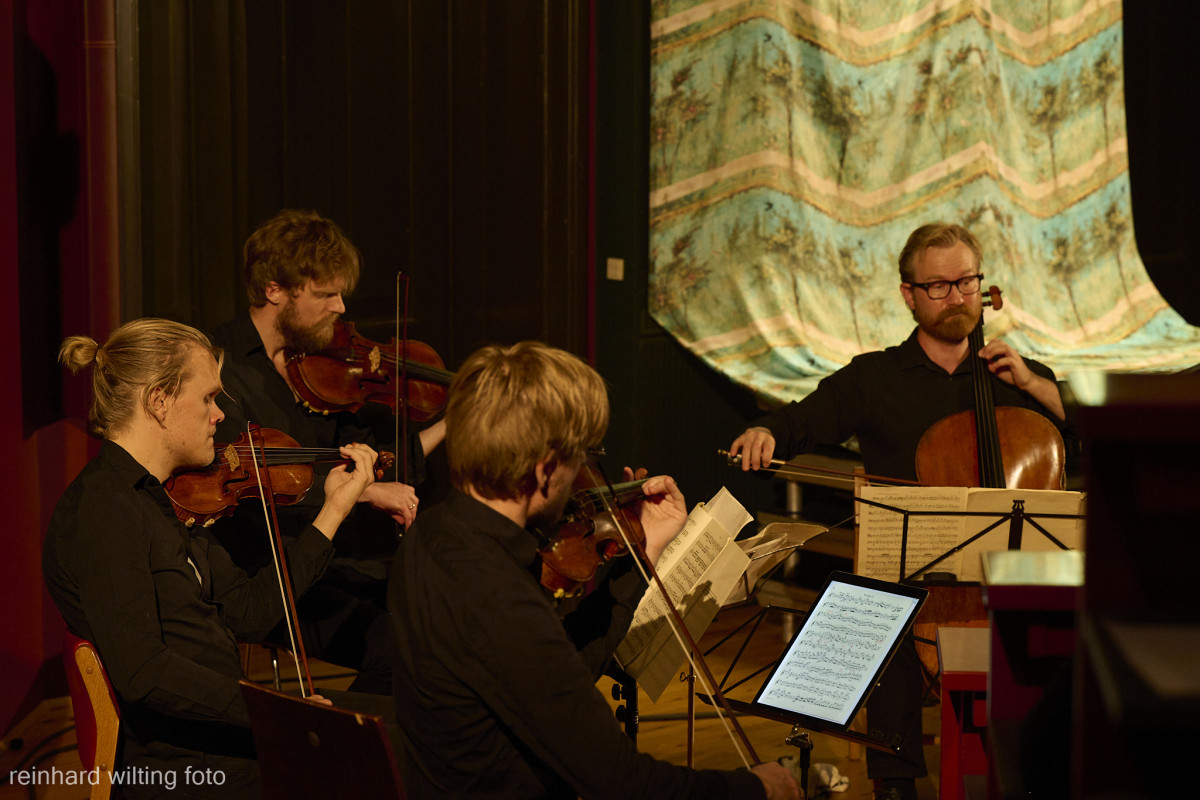
Ideen fejlede ingenting: lige at komme ud og høre et par nye strygekvartetter. Det havde været så længe siden! Selveste Danish String Quartet med nyt fra næsten lige så selveste Bent Sørensen. Og et megaværk fra altid alt for uberømmede Niels Rønsholdt. Det burde ikke kunne gå galt.
Men hvad havde dog den fabelagtige Sørensen rodet sig ud i? Efter tre kvarters opvisning med Schuberts sprudlende, glødende, men trods alt ubønhørligt lange Kvartet i G-dur satte DSQ gang i Sørensens Doppelgänger. Som altså viste sig at være det sidste, man orkede i øjeblikket: en halv times remix af Schuberts værk! I nye klæder, natürlich, men forvandlingerne havde karakter af fikse idéer, der gjorde Sørensen mere menneskelig, end jeg huskede ham fra pragtværket Second Symphony.
Hvad der virkede elegant i symfonien – idéer, der cirklede spøgelsesagtigt rundt i orkestret – blev forsøgt genanvendt fra start i kvartetten. En simpel durakkord blev sendt på mikrotonal omgang mellem musikerne, så det til sidst mindede om forvrængninger i et spejlkabinet. Manøvren havde øvelsespræg, koketteri var indtrykket.
Derpå fulgte buer, der faldt ned på strengene som en hård opbremsning. Tyve minutter senere var figuren tilbage, men nu vendt om til accelerationer. Et forsøg på at fremvise sammenhæng i et værk, der ellers virkede unødigt rodet og sprang fra koncept til koncept? Lidt glidninger på strengene; dæmpning for at skabe en sprød cembaloklang; en lang, sfærisk passage; tilbagevenden til Schubert og tonika. Den gode Sørensen var blevet sin egen dobbeltgænger i processen, halsende efter forlægget. Jeg tillod mig et frederiksbergsk »åh!«.
Iført nye forventninger troppede jeg op til Rønsholdts 100-satsede Centalog to dage senere. Milde skaber, dette var endnu værre! Bag heltemodige Taïga Quartet tikkede et antikt vægur ufortrødent i samfulde 75 minutter. En fornemmelse af eksamenslæsning hang over os. Nøgternt præsenterede Rønsholdt selv de kommende satser hvert tiende minut: »10 left, 11 left, 12 left« eller »40 right, 41 right« og, koket, »13 left, missing item, 15 left«. Handlede det om læseretningen i noden, om strøgets bevægelse? Klart stod det aldrig, men tænk, om man blev hørt i lektien senere.
Fra Taïga lød febrilske fragmenter med aleatoriske linjer og abrupt dynamik; store følelser var spærret inde. Det forekom fortænkt, uvedkommende. Og med uvanlig distance mellem koncept og toner: Kun to gange undervejs spillede de kliniske opremsninger en smule med i musikken, da musikerne udbrød et bestemt »left!« her, et »right!« der. Hvor var Rønsholdts velkendte performative overskud? Mystisk. Fra væggen lød det blot: Tik-tak, tik-tak.
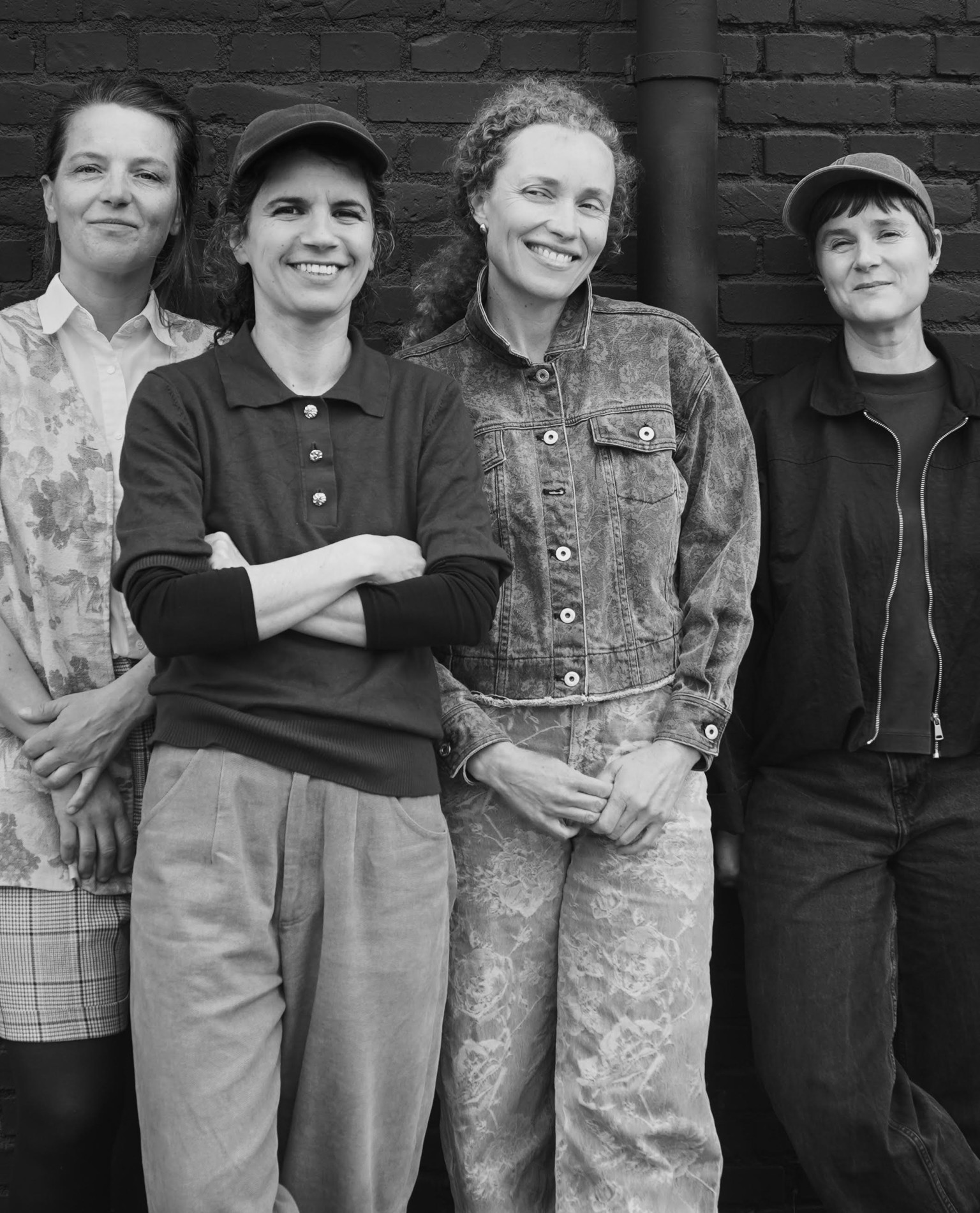
»Music, for us, is a fusion of different consciousnesses into a single shared focal point.«
The band Selvhenter was founded in 2010 by trombonist Maria Bertel, saxophonist Sonja LaBianca, violinist Maria Diekmann, and drummers Jaleh Negari and Anja Jacobsen. In 2017, Maria Diekmann left the group, and Selvhenter continued as a quartet.
Selvhenter’s sound is driven by a deep fascination with sonic textures, rhythmic displacements and polyrhythms, acoustic and electronic melodies, hard-hitting compositional choices, improvised beauty, and a sheer joy of creating and performing music. Selvhenter has played concerts both in Denmark and internationally. The group is also the nucleus of the artist collective Eget Værelse, which houses the members’ solo projects as well as collaborations such as Valby Vokalgruppe, SOLW, Nina Garcia & Maria Bertel, and G.E.K.
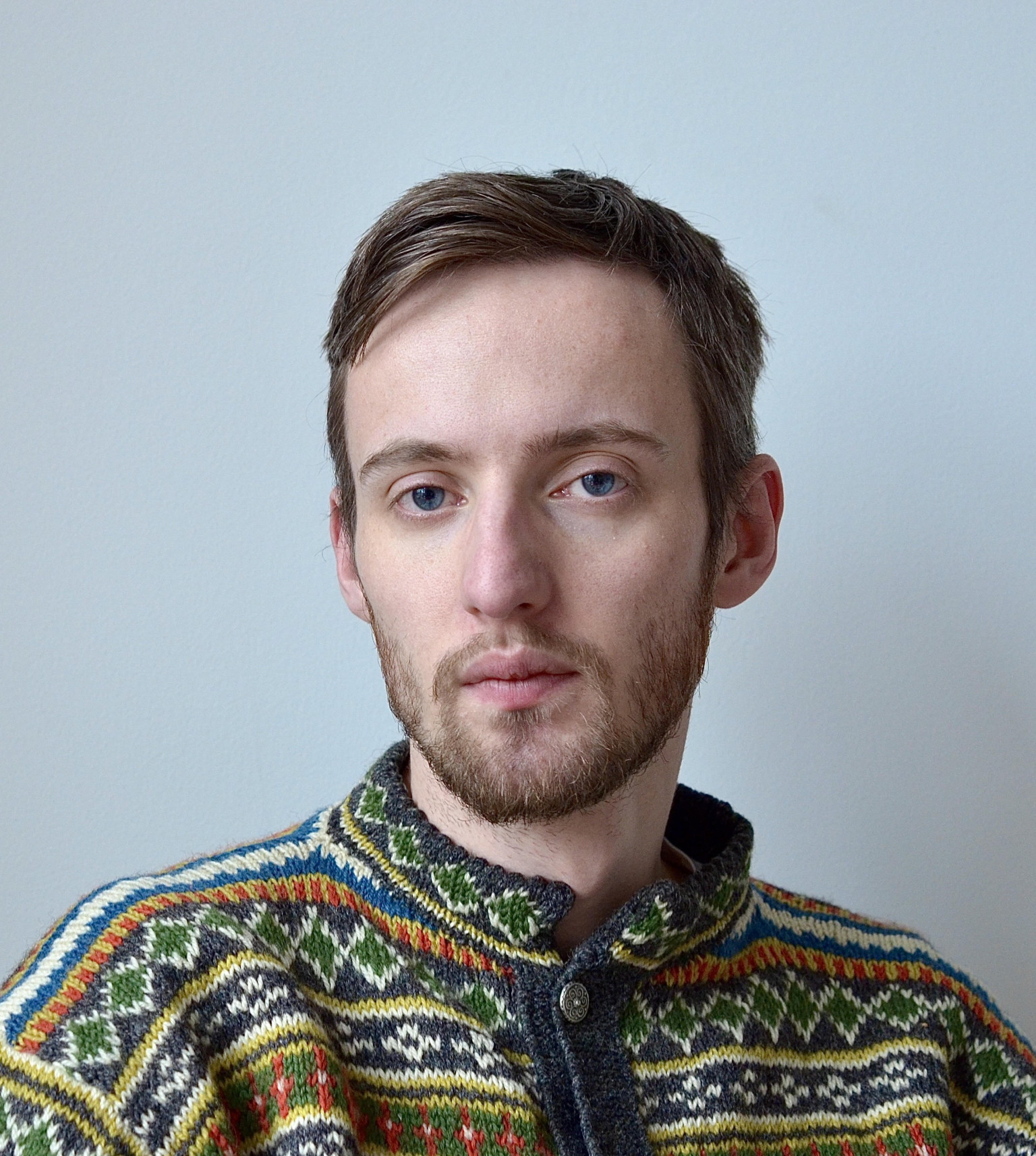
»Music for me remembers.«
Håkon Guttormsen is a Norwegian composer and trumpeter living in Copenhagen. He is educated at the Royal Danish Academy of Music and the Royal Academy of Rhythmic Music. He primarily composes scores for ensembles as well as music drama and opera. He is currently working on a work for solo violin and electronics for ILK Music’s concert series during CPH Jazz 2026 and on his first symphonic work, which will premiere at the academy in 2027. He is a member of nyMusik’s composer group in Norway and a board member of UNM Denmark.
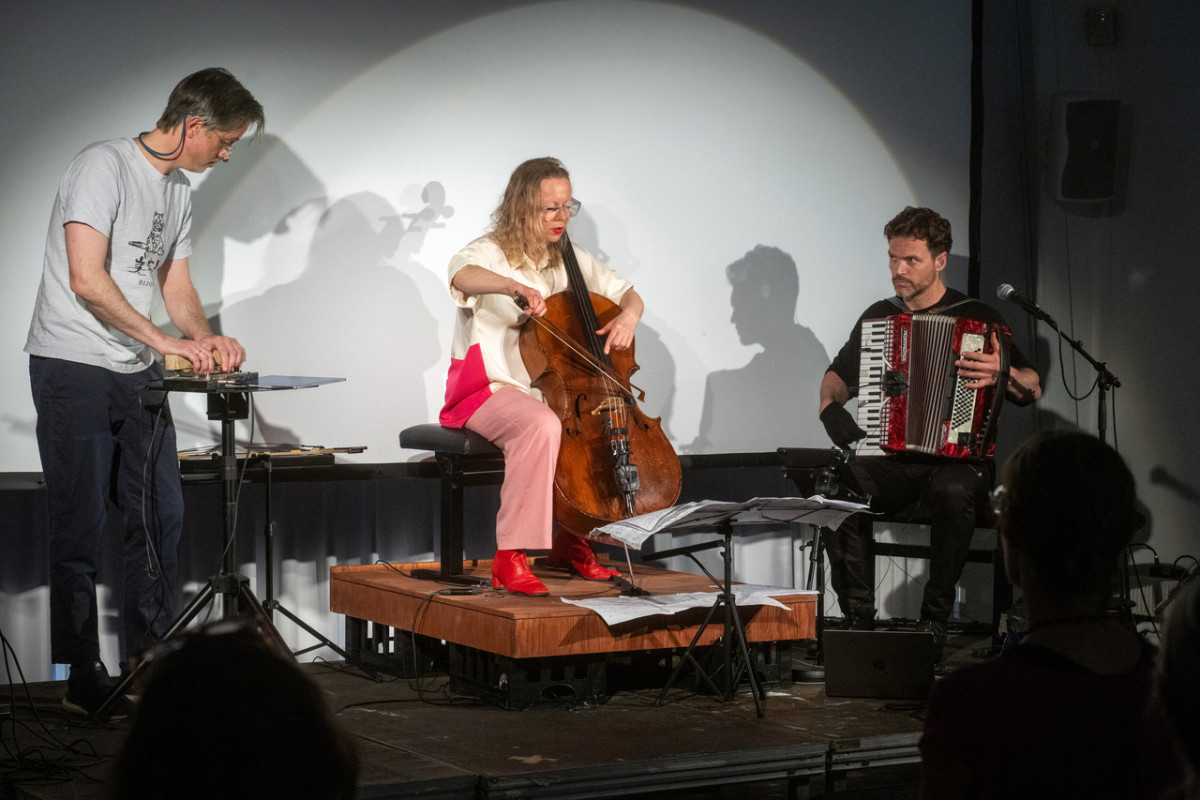
New Sounds at Louisiana is an initiative in which the Louisiana Museum of Modern Art has invited the record label Dacapo and the music publisher Edition S to curate concerts featuring living composers. Simon Steen-Andersen was the first composer in the series, and he seized the opportunity to assemble a programme that was not only overwhelming and exhilarating, but also deeply unsettling. Lasting an hour, the concert unfolded as a continuous sequence in which each work flowed seamlessly into the next, forming a single extended statement of at least part of the composer’s artistic practice and philosophy.
Combining video and live performance, the concert served as a manifestation of several of Steen-Andersen’s key artistic strategies. Central among them are techniques of estrangement and defamiliarisation, exemplified by Asthma (2017) for accordion, air pumps, and video, a work that explores and interrogates human breathing in all its positive and negative dimensions. Amid the many grotesque and humorous scenes – accompanied by Håkon Stene’s brilliant Foley-style soundtrack of air noises, sound effects, and spoken commentary – a brief clip of brutal police violence suddenly appears. In it, an officer methodically sprays pepper spray into the faces of handcuffed demonstrators. In that instant, everything else no longer seems quite so funny, and the crooked smile freezes.
The concert was a veritable sensory bombardment. Presenting all the works attacca undoubtedly created a powerful sense of flow, but it also left the audience almost saturated with impressions. Even so, the subsequent conversation between Simon Steen-Andersen and music critic and author Thomas Michelsen felt far too brief. Yet the composer succeeded in making his point: everything he does, he said, is a form of »deadly serious play.« Exactly.