James Black
28









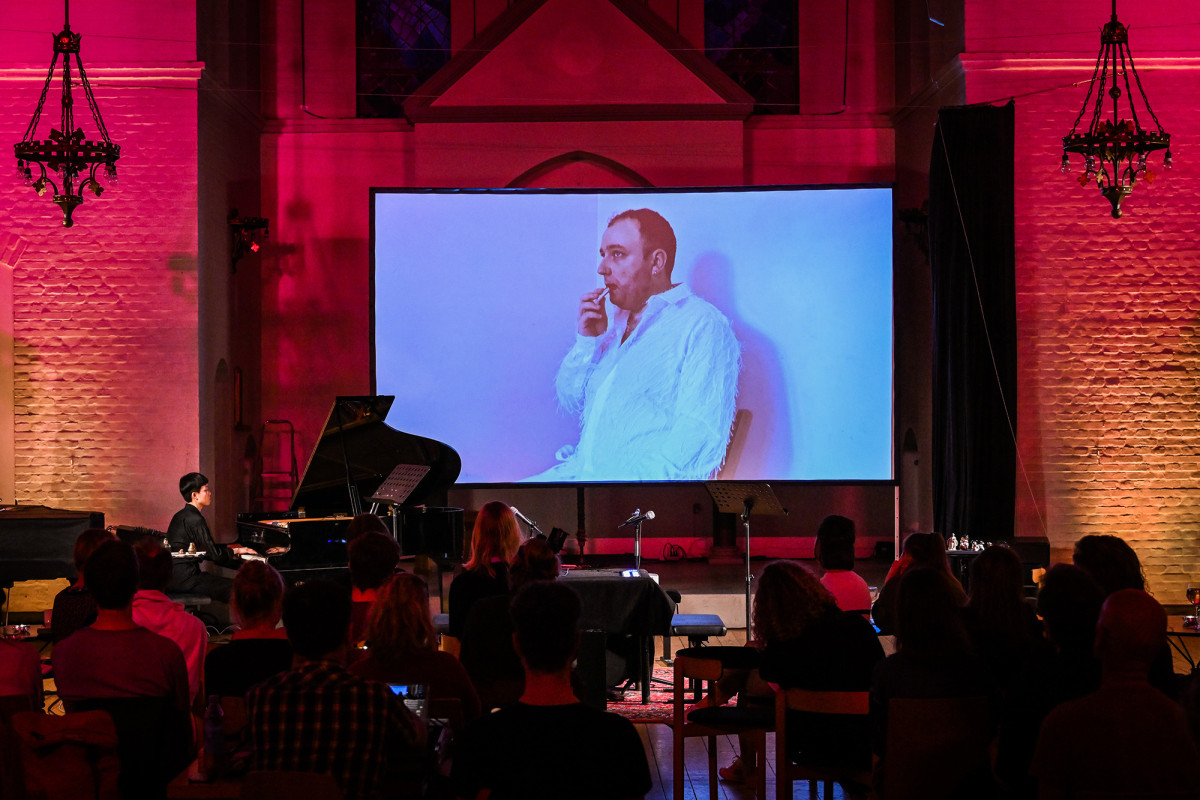
Hvornår har man sidst grædt til en koncert med ny kompositionsmusik? I de eksperimenterende rammer er der sjældent plads til den form for patos, der går i tårekanalerne. Men Fei Nie (klaver) og Sofie Thorsbro Dan (violin) fik det næsten til at ske for mig. Det var James Black-værket Colossi, der gik rent ind. Min sidemand var endda helt grædefærdig.
‘Kulturmøder’ var aftenens tema. Komponisterne havde det til fælles, at de alle er flyttet fra deres hjemland. Selve koncertens opbygning havde også karakter af hjemme-ude-hjemme. Duoen startede og sluttede på deres respektive hovedinstrumenter – overlegent håndteret med et væld af udvidede teknikker.
Aya Yoshidas Decode og Bára Gísladóttirs Prussian Blue var dog komplet væsensforskellige. Decode føltes ivrig, tangerende til det forhastede. Der skulle spilles med omvendt bue, pustes på violinen, og klaveret skulle agere guiro og bordtennisbord. På rekordtid var kortene lagt på bordet. Omvendt var maleriske Prussian Blue mere tålmodig. Særligt var det en fornøjelse at høre Dans vekslen mellem kvalt bariolage og lange toner, der efterhånden åbnede sig nidkært i klangen.
De to værker i midten var også som nat og dag. Selvom det var friskt at orkestrere Xavier Bonfills ambiente 2x2 for de to instrumentalisters stemmer, faldt grebet til jorden. Man savnede bredden i klangrummet af den sfæriske midi-meditation.
Men James Black stjæler overskriften, nok engang. Selv vogtede han, som den mest knuselskelige gudeautor over værket på en storskærmsvideo. Man skal ikke forveksle hans absurditeter med kaos: Black komponerer med en rigid stramhed. Netop derfor bliver hans udtryk ekstra virkningsfuldt, når det giver tegn til følelsesapparatet. Den rørende sidste sats, hvor Dan havde bevæget sig ud i våbenhuset, og duoen spillede en adspredt sus-pop i hver sit rum, imens Black malede sig med læbestift på skærmen, er i hvert fald noget, jeg sent vil glemme.

»Music to me is movement, trance, transformation. The rest I won't tell you.«
Marcela Lucatelli is a vocalist and composer. Born in Brazil and based in Denmark, she has gained international recognition for her boundary-pushing performances — sensuous, politically charged, and uncompromisingly original. Described by The Wire as a composer of »scores for the limits of bodies and voice,« Lucatelli challenges conventions with her fearless vocal experimentation and bold compositions. Her works have been performed by Danish National Symphony Orchestra, Danish National Vocal Ensemble, and Neue Vocalsolisten Stuttgart. She has appeared at major festivals and venues, including Theatro Municipal de São Paulo, DR Koncerthuset, Donaueschinger Musiktage, Darmstadt Ferienkurse, IRCAM, Copenhagen Opera Festival, Ultima Festival, Borealis Festival, Copenhagen Jazz Festival, Jazzfestival Saalfelden, Cafe Oto, A L’ARME!, DMA Jazz – Danish Music Awards, WOMEX, and many more. Lucatelli's work has earned her several prestigious awards, including the Carl Nielsen and Anne Marie Carl-Nielsen Talent Prize (2019), Pelle Prize (2021), and the Danish Music Awards' 2023 Vocal Jazz Release of the Year, which shows that vocal jazz has many faces – and does not necessarily belong only to the soft end of the spectrum.
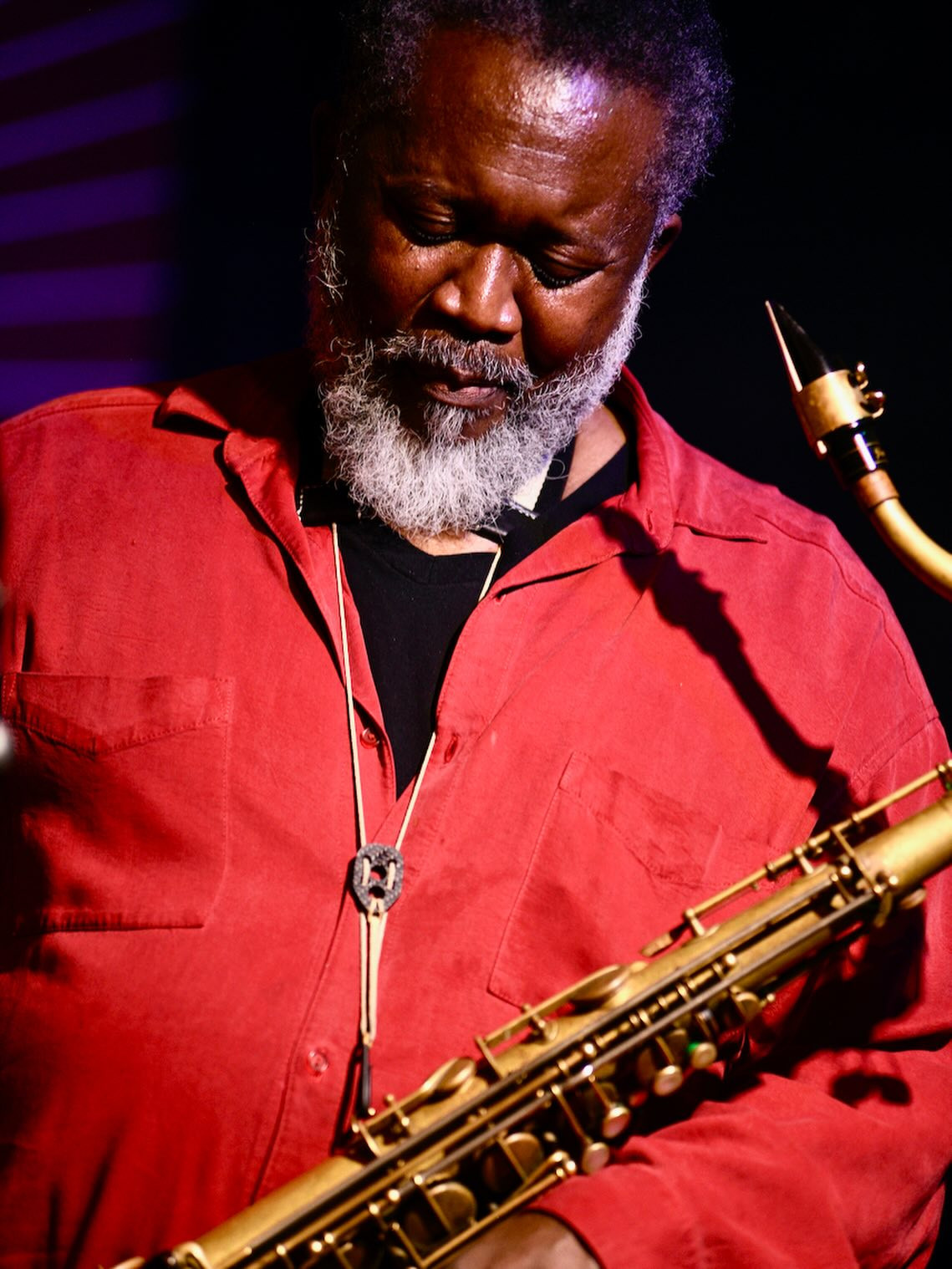
»What is music to me? Here’s a quote from Nietzsche: ‘The people dancing all seemed crazy to the people who couldn’t hear the music.’«
Salim Washington is a saxophonist, multi-instrumentalist, composer, academic, and activist from Detroit who has been highly active on the American jazz scene since the 1970s, and also in South Africa, where he became a central figure. The spirit of John Coltrane hovers over his music, which carries both spiritual and social dimensions.
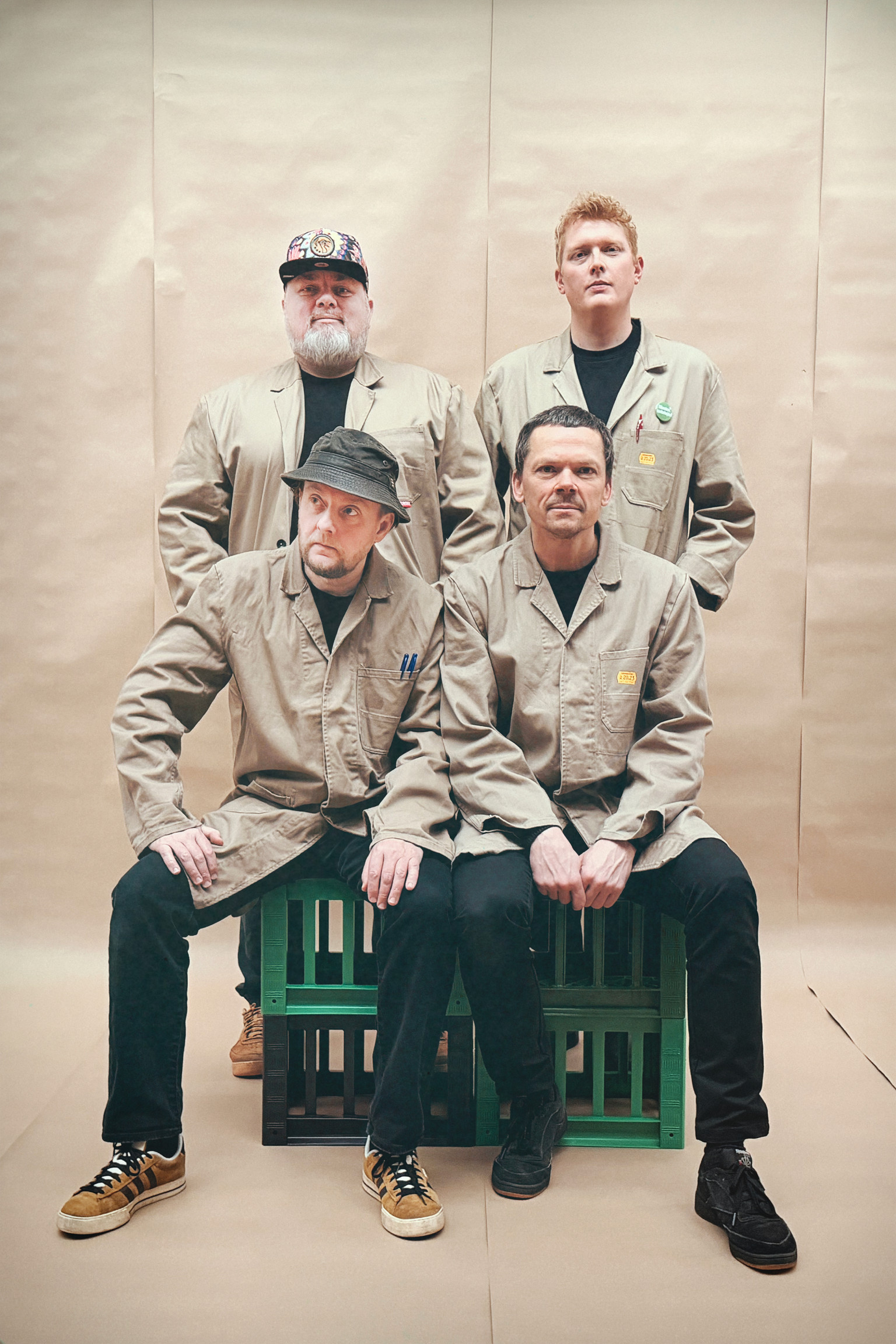
»Music for us is the perfect language that we love to speak. A language where it is the individual's feelings and imagination that determine what is right and wrong. Everyone can speak the language. You don't have to be able to write or understand, but just listen. Some music requires that you listen carefully and maybe hear it several times. A bit like when you talk to someone from Norway or Sweden, you also have to listen a little extra.«
DØGNKIOSK is a Danish punk rock band with roots in Silkeborg. The band consists of bassist and singer Anders Ejner, who has been active on the Danish underground scene for several decades. Musically, DØGNKIOSK moves in a field between classic Danish punk and alternative rock. In the spring of 2026, the band will release their second album, Tæt på kanten.

It is difficult to comprehend that Andreas Engström is no longer with us. Just a couple of months ago, he wrote – as he had done so many times before – with an ambitious proposal: he wanted to review a box set of twenty releases by Dror Feiler. In the same message, he mentioned plans to come to Aarhus for the recently concluded Spor Festival.
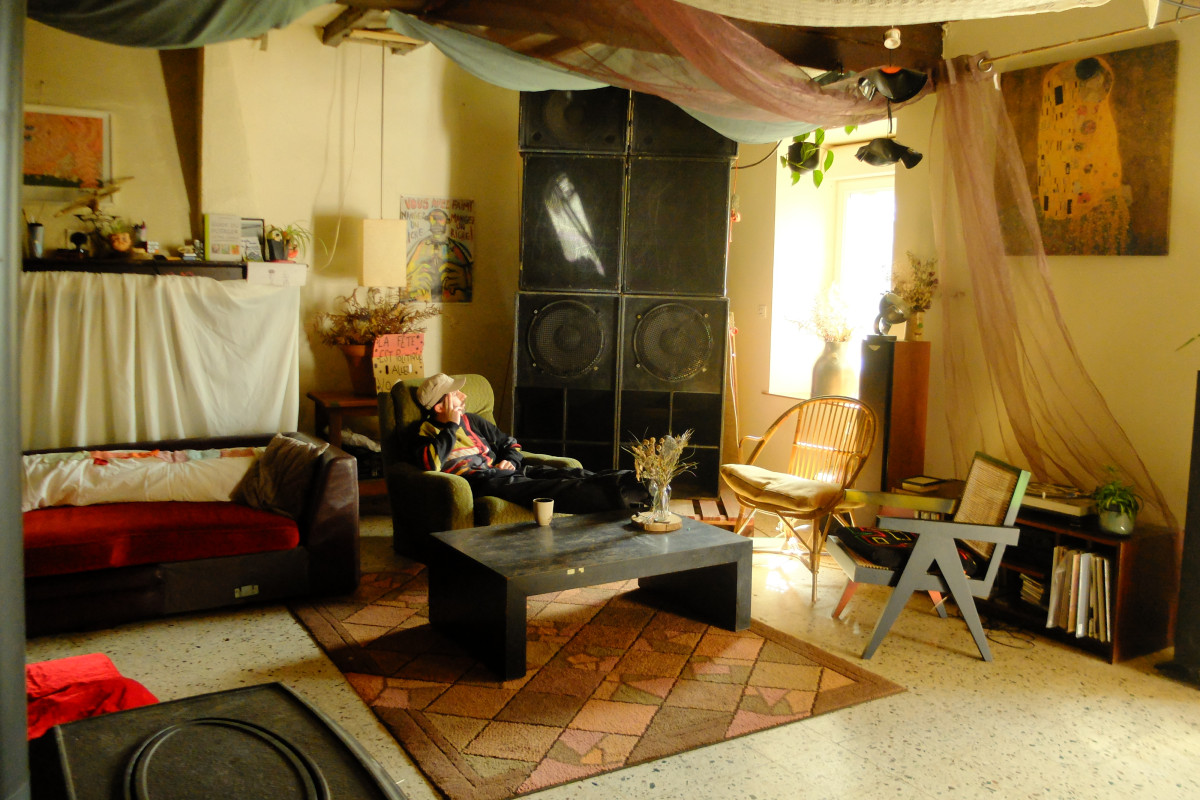
Ladies and gentlemen, we’re deep underground – indeed, all the way to France. This EP is the latest conceptual release from French electronic producer Romain Martin, who works under the name RÖM in the borderland between ambient and techno. Whispering Dub unfolds across five tracks, drawing heavily on dub while telling a story about an escape from a fictional hotel. Escomel’s background in African percussion studies and his fondness for analog gear surface in the mysterious sonic textures and the stark contrast between arranged percussion and dubbed-out echoes, underscoring the concept’s tension between mysticism and reality.
»Oilbird« opens in dystopian ambient before sliding into the rhythmic »Eastern Temple«, which constantly shifts between filtered synths, frantic percussion, and sudden breakbeats. Things cohere more fully on the title track, which blends minimal techno into the mix and stands out by maintaining a steady pulse, while echo-laden drums cast an unsettling atmosphere within the dance framework. On the closing »Hotel Amnesia«, the narrator awakens again in a collage of the record’s electronic tendencies, questioning their own existence in the album’s only use of vocals.
Whispering Dub isn’t wildly groundbreaking or bizarre enough to push the senses into extreme reactions. But as a well-produced and effective piece of electronic music, it invites the listener into a compelling game of whispers.
English translation: Andreo Michaelo Mielczarek