in brief
26.05.2023

Læg ørerne ind i de langsomme toners mange smukke lag

Mette Nielsen: »Frozen Moments« 
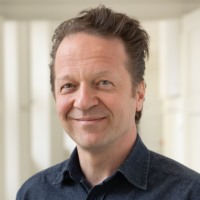
© HEIN Photography
© HEIN Photography

Mette Nielsens musik er sanselige undersøgelser af toners og klangenes mindste mikroskopiske detaljer. Efter en time i selskab med strygekvartet og klarinet på hendes nye album sidder man tilbage med en følelse af at have været helt tæt på musikkens mindste bestanddele. Når trykket på strengene hos Novokvartetten er tungt, mærker man støjen og de skærende metalliske overtoner, der får trommehinderne til at blafre. Når Jonas Frølunds klarinet sætter an helt fra toppen ud af ingenting, er det atmosfærisk sitren. Men lige meget hvad tæt på. 

De seks stykker på Frozen Moments er melodiske og skramlende på samme tid. Rester af musikalske minder bliver til knitrende, iscenesatte salmer, hvor klangene får karakter som objekter, der hænger i luften en ad gangen. Et stykke har kun en tone, men formår alligevel at vise masser af nuancer. Andre, som solostykket »Apart«, kommer vidt omkring med rene klarinettoner, interferencer, multiphonics, sang og growl – men stadig med grundig langsommelighed.

Hun har en fascinerende evne til at skrive rigtig smukt uden patos. Klangskønt, elegant og sart og kun med en lille smule af den slags højtidelighed, der opstår, når man giver tid og rum til klangenes egen poesi. Og selvom hun søger støjen og det bøjelige og ufikserede, når hun udforsker tonernes randområder, bliver hendes musik aldrig grim eller for meget. Den får bare lov at være sig selv med sine mange naturlige, akustiske lag. 

in brieflive
20.03

Vocal Desire Between Deadpan and Renaissance

Matias Vestergård, Johan Klint Sandberg, ÆTLA: »Sex in Concert«
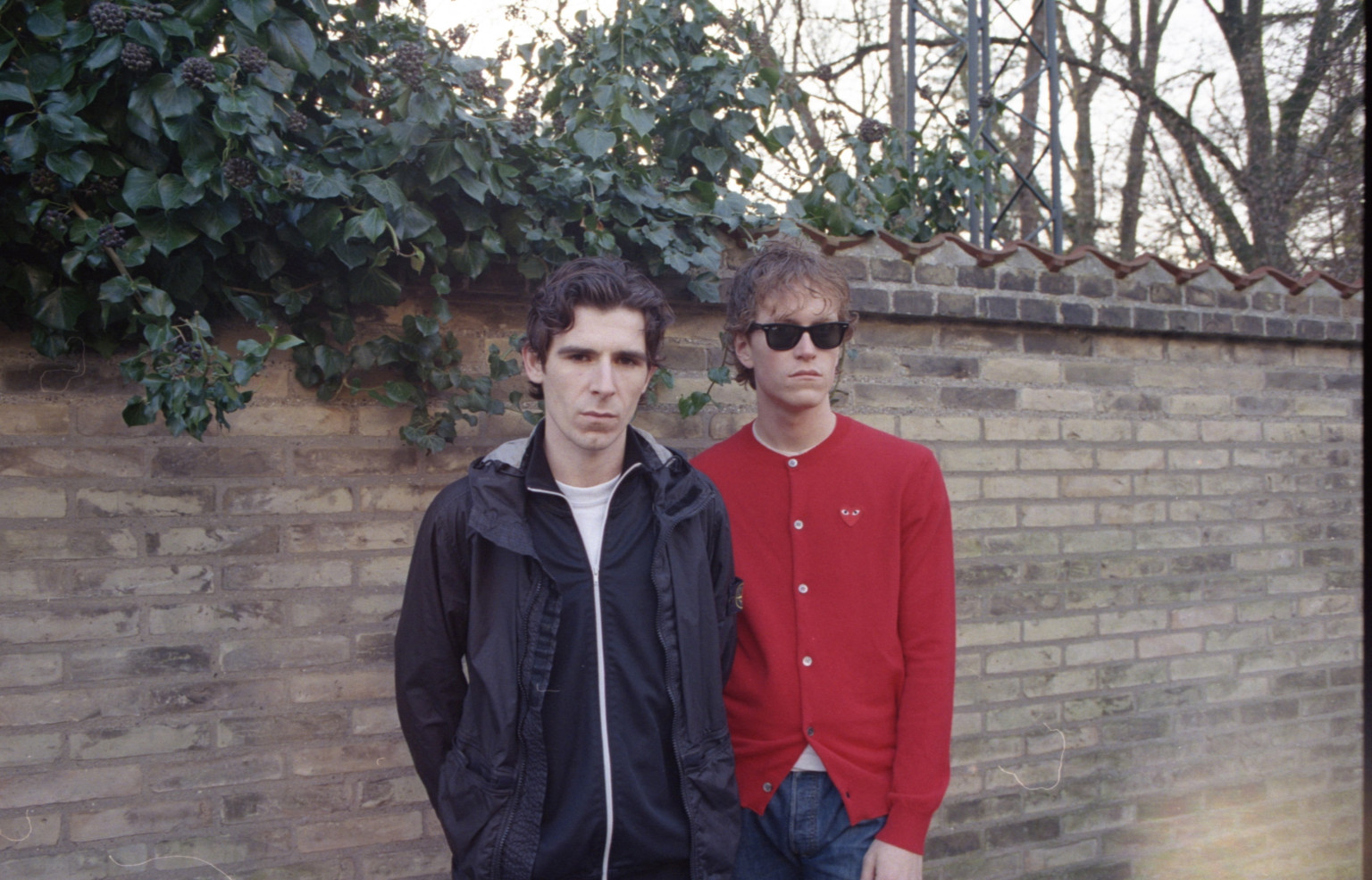
© PR
© PR

Eight people sit at their own office desks. One raises an elbow to their mouth and lets out a muffled groan into it; another starts lazily slapping their forearm; a third suddenly creaks like a worn-out spring mattress. But the young singers of ÆTLA don’t crack a smile – their deadpan is the main comic ingredient in Matias Vestergård’s Apollonian sketch show SEX in Concert.

They quickly move from a whore’s chorus to a Renaissance madrigal, the transition seamless, with the humor tagging along: an Italian word that sounds like »aquamarine« becomes »ah! kvamarin«, and in this way, 400-year-old works by Gesualdo and his like-minded peers are sprinkled with Vestergård’s salon-style wit. But the movement also goes the other way: Vestergård’s newly composed pieces are tastefully ornamented with moving voices and flirt with strict church modality.

The desks are constantly rearranged, the office workers shifting from tableau to tableau, while the task of writing lyrics into a Google Doc projected on a screen rotates among the singers: Amalie Smith, Marvin Gaye, outraged anti-capitalist critique, and cheerful chat language – everything tinged with desire, but above all with ambivalence toward desire. Everything flows, including Vestergård’s compositions, which in one moment test icy echo techniques, and in the next turn up the heat with perfectly crafted barbershop.

SEX in Concert is clearly an exercise, and as director, Johan Klint Sandberg has had a field day with the office comedy. But the exercise succeeds (even if the hands stay above the covers): before you know it, an hour has passed in which Vestergård, Sandberg, and ÆTLA have slipped poetry, madrigals, and new vocal music down the throat of a young audience. It can actually be quite fun!

Christianshavn Residents’ House, March 18–22
 

© Ida Sofie Skov Larsen

»Music for us is a way to create a connection and community with other people.« 

Although Schæfer has only released three singles so far, the band has already made a mark on the Danish music scene. The duo and their friends, Anna Skov (vocals) and Emil Mors (keyboards), write socially relevant, subtle and humorous songs that point fingers at both the outside world and themselves.

© Søren Fiil Vesterbak

»Music for me can do something very special. It brings people together in shared experiences, but it can also be a very personal mental tool. Personally, I use music all the time – to create energy on a run, to create concentration for work tasks, or to find peace in stressful situations, such as in the dentist's chair. And of course to create joy and a good mood. Music is always an essential ingredient in good memories.«

Rikke Andersen has been at the helm of SPOT Festival since January 2024. With a background as a venue manager and booker at Fermaten in Herning, she has solid experience from both the creative and organizational side of the music industry. She has previously worked in the record industry, been deeply involved in marketing and communication, and has had a hand in several cultural projects.

in brieflive
13.03

I Am an Empty High-rise, Where the Pain Sits in Every Wall

Ensemble Lydenskab, Martin Ottosen, Ulla Bendixen, Gerd Laugesen & residents at the social-psychiatric housing facility Sønderparken: »Everyone Leaves Traces«
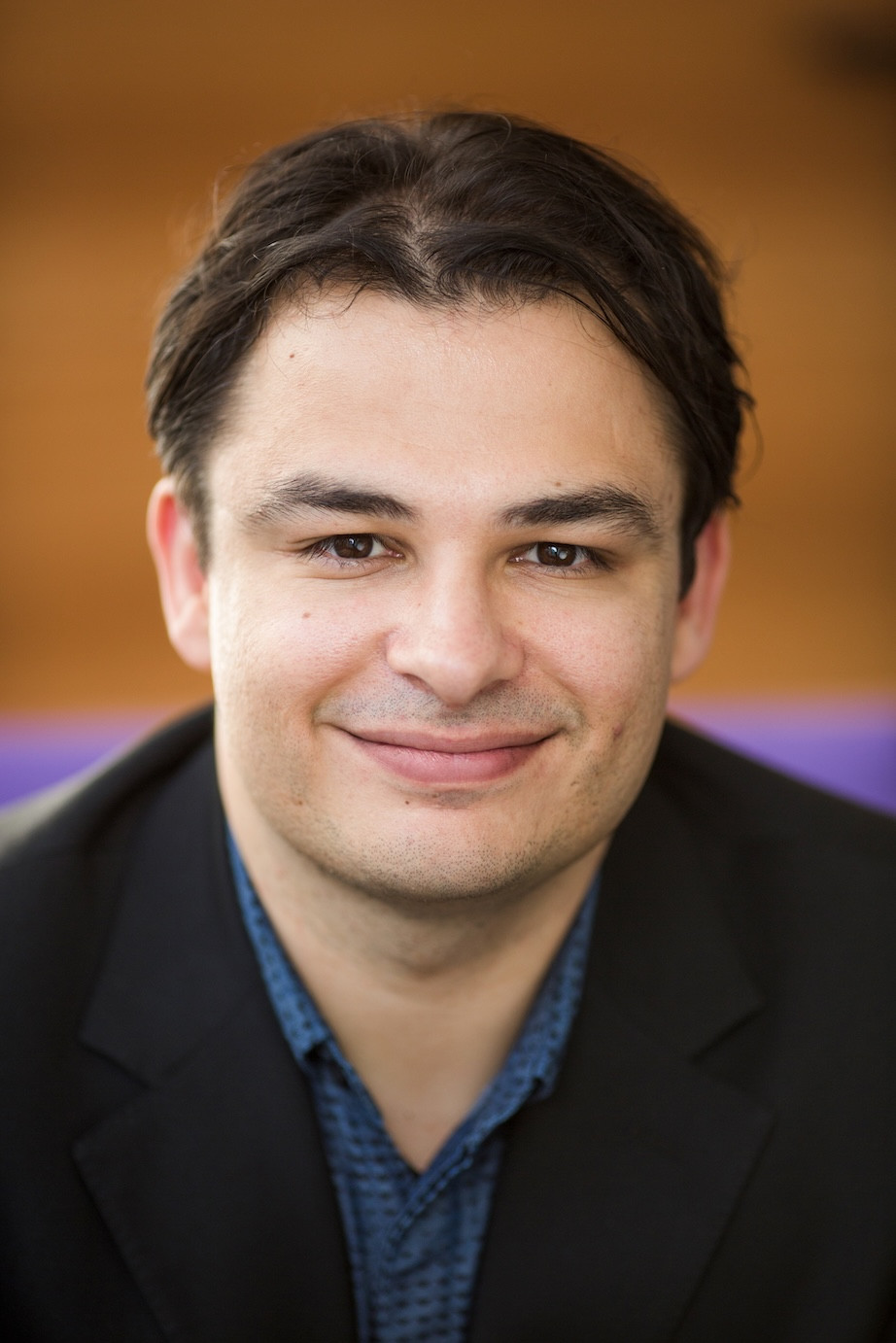
© Phillip Jørgensen
© Phillip Jørgensen

It is both difficult and unfair to approach the concert Alle sætter spor (»Everyone Leaves Traces«) with a critical mindset. It concerns real people with something at stake and with their hearts invested: residents at the social-psychiatric housing facility Sønderparken. They placed their inner lives in the hands of six artists and thus became co-creators of a total of nine songs, which premiered at Museum Ovartaci.

The project Musikalske alliancer (»Musical Alliances«) is simultaneously art, research, and relief. A co-creative endeavour intended to give a voice to people within psychiatry. The result was songs marked by banjo-tinged gallops, painful violin stabs, empty houses filled with inconsolable crying, torn torsos and deep, lingering bow strokes – but also hope, care, and softened edges. Acting as mediators of these life experiences were the poet Gerd Laugesen, three musicians from the ensemble Lydenskab on cello, violin and guitar, as well as pianist Martin Ottosen and vocalist Ulla Bendixen from the electro-folk band Sorten Muld.

It was a capable group that delivered a high musical standard. Even so, it seemed as if this important project succeeded with its co-creation and its conversations, but perhaps not entirely with its artistic expression. Was it because the lyrics were filled with clichés? Or rather because the entire staging felt somewhat inward-looking – almost like a school concert? Despite Bendixen’s wonderfully airy and expressive vocal, the performance felt strongest in the few segments shaped by poetry readings. Yet I had to learn, by indirect means, that the poems were adaptations, while the song lyrics were the residents’ own words. And those were the voices I was meant to learn to listen to.

in briefrelease
13.03

When Joik Meets Drill

Zak Norman & Charlie Miller: »Takkuuk«
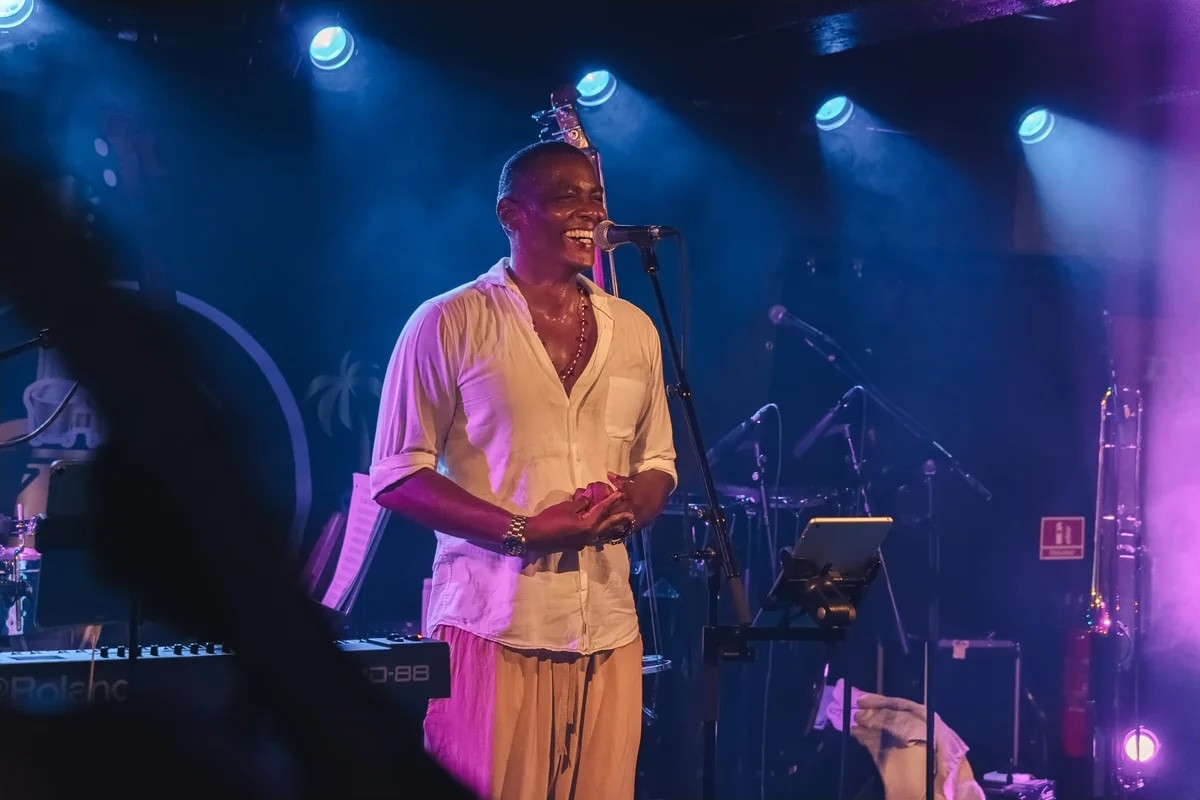
© PR
© PR

The Greenlandic word Takkuuk means »attention«, and it is the slightly ironic title of one of the more chaotic projects at this year’s CPH:DOX. The film is a collaboration between visual artist Zak Norman, film director Charlie Miller, and the Belfast-based electronic duo BICEP, and it also features seven musicians from Kalaallit Nunaat and Sápmi. In other words, a multitude of voices and agendas are at play, and the project clearly bears the marks of that.

The process leading up to the film sounds more interesting than the work itself. Norman and Miller travelled around the Arctic, seeking out musicians and researchers while filming glaciers and ice. The film’s seven young musicians then entered the studio with BICEP to create a shared soundtrack: a kind of club-oriented remix of seven very different practices, ranging from drill and heavy metal to joik, throat singing and drum dance. It might have been fascinating to follow those encounters, but instead the film takes us in another direction.

The editing shifts between a documentary strand of interviews and a surreal music-video aesthetic, where specially built cameras pan across the surface of the ice, bathing it in coloured filters referencing the northern lights and club lighting. In the interview track, the participants are allowed to steer the conversation themselves, which sends it in many directions. We touch on the spiritual undertones of traditional musical expressions, and here one would have liked the film to linger longer. One intriguing sequence explains how drum dance relates to the performer’s heartbeat, and how that rhythm is almost the same as the pulse of drill. More of that, please.

In a subsequent talk, the filmmakers explained that the work was originally produced as an audiovisual installation for five screens. That makes sense and might have worked better. Considered as a documentary film, Takkuuk is fragmentary, chaotic and directionless, which is a shame, because the young musicians seem to have much more to offer.

»Takkuuk«, Zak Norman & Charlie Miller (UK), 2025 (67 min). Screenings: 12, 17 and 19 March