in brief
02.07.2023

Trance-torsdag

© Sanne Krogh Groth
© Sanne Krogh Groth

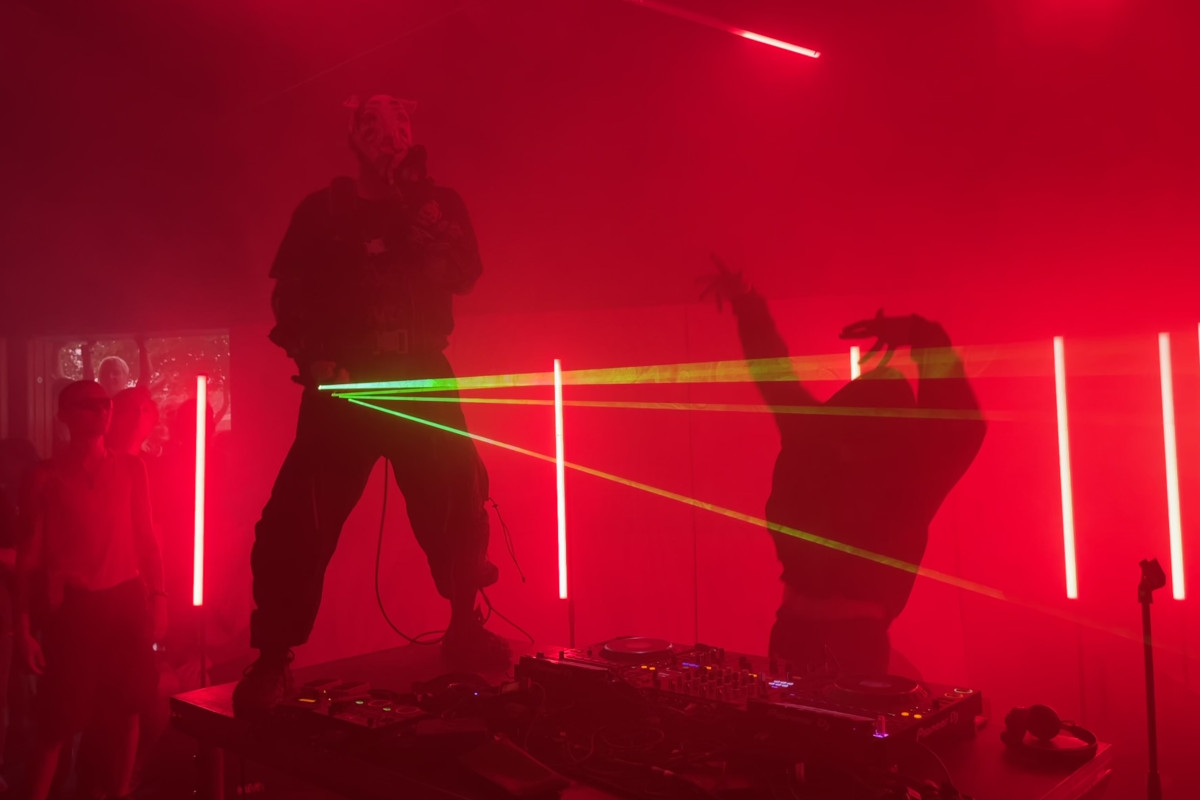
Hvorfor Gabber Modus Operandi fra Bali var booket til Roskildes »avantgarede-scene« Platform, som af min 20-årige søn blev kaldt for »boomer«-scenen, er et mysterium. De havde deres europæiske debut i 2018 på den toneangivende Berliner-festival CTM på klubben Berghain. Siden har de rejst verden rundt og var i efteråret 2022 featured på Björks nye album. 

Musikken og trance-festen gik derimod lige ind – et mix af nye og tidligere udgivne numre, alle lavet af Kasimyn, som Ican Harem peppede op med sin vilde performance. Tracksene lægger grunden til trancen, men det er Harem, som styrer den med sang, recitation og growl og med en insisterende publikumshenvendelse primært på indonesisk. 

Det var højt og intenst, og det trance-glade festival-publikum, der var mødt talstærkt op, fik rig lejlighed til at danse igennem. Numrenes individuelle karakter findes i prægnante og langsommere pentatone temaer spillet af samples, der lyder som slompret (javanesisk blæseinstrument, som i nummeret Sandikala), bonang (lille gong) og synth (Genduwuro), og indonesisk sang/tale (Hey Nafsu). Et lokalt indonesisk virvar vævet ind i en global grænseløs musikmaskine. 

Jathilan er navnet på en Indonesisk rituel dans, hvor riddere på sivheste rejser ud for at forsvare sultanen, men undervejs besættes af skovens ånder. Jathilan er for tiden særligt populært på Java i lokale sammenhænge i by og land, hvor både dansere og publikum kan gå med i trancen, der ledes af et »fusions-gamelan« bestående af indonesisk gamelan, trommesæt, synthesizer og hvad der ellers er i nærheden. Alt er elektrisk forstærket og blæses ud gennem forvrængede højttalertårne – gerne med over 110 DB. Æstetikken er betagende og noget ganske særligt.

Gabber Modus Operandi finder netop, blandt mange andre on og off-line kuriositeter, inspiration i jathilan. Også de er rejst ud – uden sivheste, klassisk indonesiske dansekostumer og instrumenter, men med højtempo elektronisk dansemusik (EDM). Hårdt pumpende metallisk støjende beats nåede her op på 120 DB. Mod slutningen var vi også en tur på gulvet. Trancen tog nu form som bønnekald, meditation og indadvendthed. 

© PR

»For us, music is... magic? Aside from the fact that we are huge fans of silence, the closing line of one of our upcoming singles perfectly captures our relationship with music: 

'Music feels like magic to me / A superior art form in a marketplace / Trying to find an empty space'. 

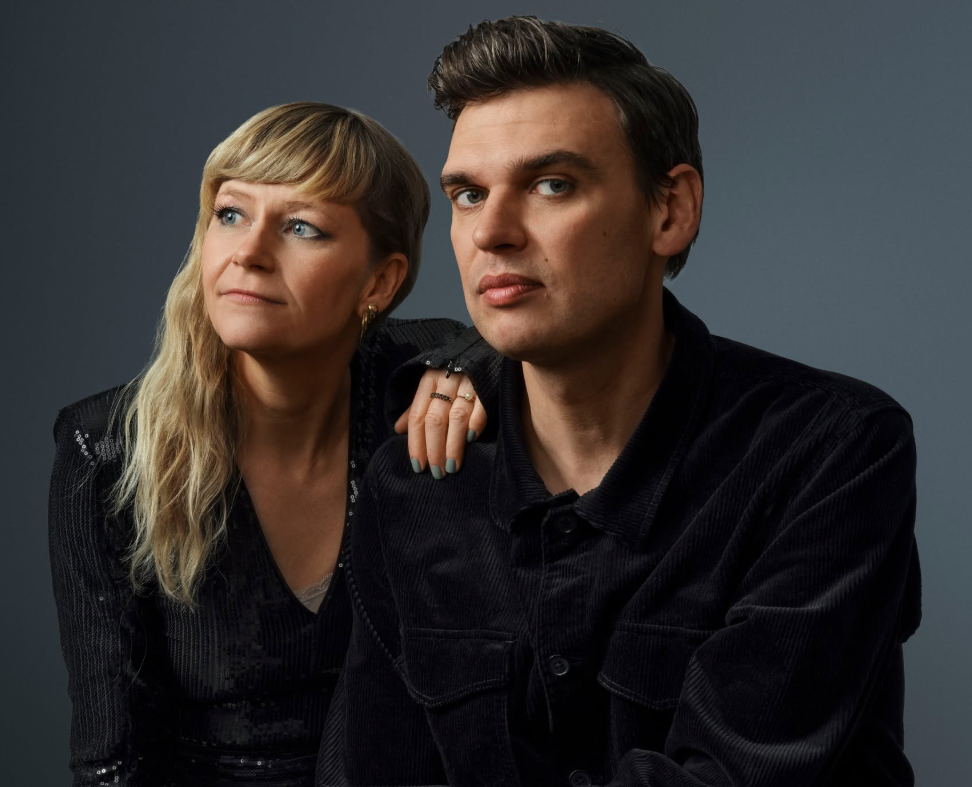
That is what it can feel like as a songwriter and performing musician. We try to hold onto an almost childlike infatuation with music, yet the art form we work in – alternative-leaning pop-rock – was created and has evolved 'in a marketplace' driven by powerful economic forces. As a romantic, that can sometimes be a bit disheartening...«

Late Runner consists of Asger Tarpgaard and Tanja Forsberg Simonsen, both formerly of the bands Superheroes and Private.

© PR
© PR

It was officially confirmed only recently that Icelandic avant-garde star Björk is visiting Bielsko-Biała today. After keeping it under wraps until the last moment, the organizers of the Wędrujący Festiwal (Wandering Festival) have revealed that Björk is the artist closing out the festival's grand finale.

© Kåre Viemose

»Recently, I discovered that when a couple of thousand people clap their thick gloves in minus 30 degrees, it sounds like the softest techno – a freezing space where the cold air turns into a wave of warmth, and we, in a moment of collective devotion, become one with the rhythm, one with the invisible bond that connects us in the warmth of silence. Music is not just sounds, but a vain attempt to capture the infinite, which has always been and always will be.«

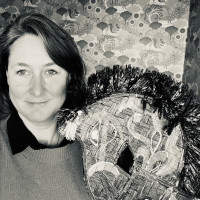
Andreo Michaelo Mielczarek has been the editor-in-chief of Seismograf since 2021. He is also a music critic and cultural journalist at Kristeligt Dagblad and Århus Stiftstidende/Avisen Danmark and has over the years written to publications such as Kunsten.nu, Glissando (Poland), Neural (Italy), Raw Vision (UK), Nutida Musik (Sweden), Kunstkritikk (DK/Sweden), Iscene.dk, B.T., and Jazz Special. He is the author (together with Lars Muhl) of the book HVA' SAA! En guidet rutsjebanetur gennem Aarhus – før, nu og i fremtiden (2024) and has also contributed to the anthology on music criticism Man skal høre meget (ed. Thomas Michelsen and Claus Røllum-Larsen, 2024). He is a founder and partner in the Polish-Danish cultural organization Kultur(a), and wherever there is a piano, he will be there, eager to coax a melody from it.

© Aria Leth Schütze

»For me, music is an opportunity for transformation.«

Aria Leth Schütze is based in Copenhagen and is the creative force behind the music projects Alto Aria and Samler På Dig. They are a co-founder of the record label Rhizome and a co-editor of the music magazine Passive/Aggressive. Their practice brings together electronic and acoustic music in an exploration of transformation.
 

© PR

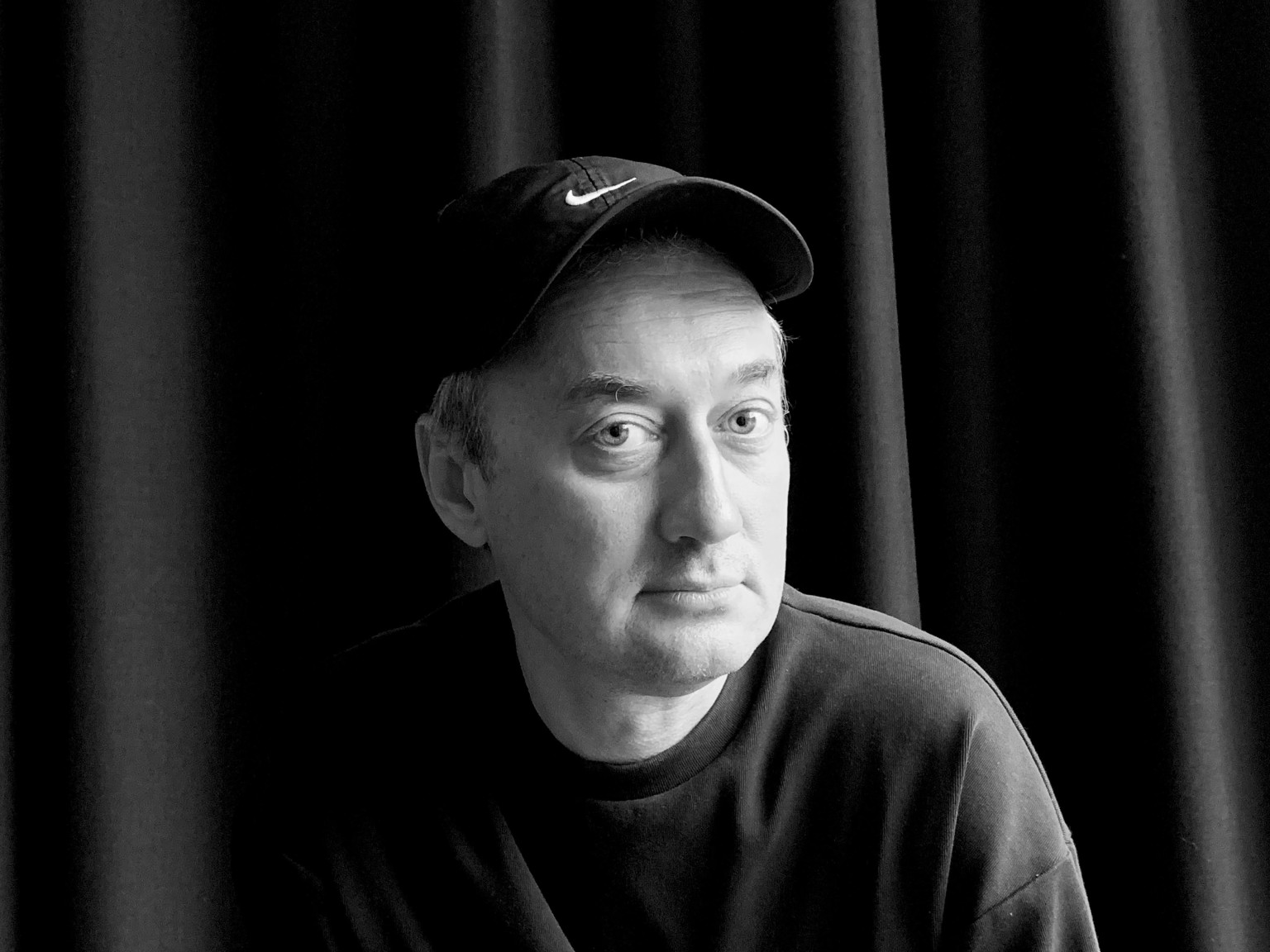
»For me, music is the art form that – if measured in hours and minutes – occupies by far the greatest part of my life. I cannot sing, nor can I play an instrument, but I can listen – as a happy amateur – while cycling, on the dance floor, and, above all, at the office. I almost always work – that is, write – to music.« 

Mikkel Krause Frantzen (b. 1983) is an associate professor at the Department of Arts and Cultural Studies, a literary critic for Politiken, and the author of several books in English and Danish, such as En fremtid uden Fremtid (2018), Klodens Fald (2021), and Slutspil (2024).